Ingredients
Equipment
Method
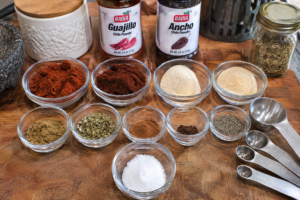
- Step 1: Gather and Measure the Spices. Start by measuring 3 tablespoons guajillo chile powder, 2 tablespoons ancho chile powder, 1 tablespoon garlic powder, 1 tablespoon onion powder, 1 teaspoon ground cumin, 1 teaspoon dried Mexican oregano, ¼ teaspoon ground cinnamon, ⅛ teaspoon ground cloves, ½ teaspoon black pepper, and 1 teaspoon salt. Arrange everything before mixing so no ingredient is forgotten. Use pure ground guajillo and ancho chiles rather than generic chili powder, which may already contain salt and other spices. This combination creates the warm, rich, earthy flavor that gives homemade Birria Bombs their character.
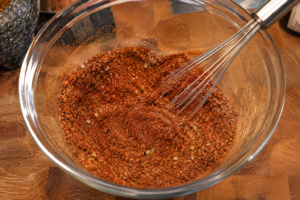
- Step 2: Combine the Dry Seasonings. Transfer all the measured spices into a medium mixing bowl and stir with a spoon or small whisk until the powders are evenly combined. Break apart any visible lumps, particularly those formed by garlic or onion powder, so the flavors are distributed consistently. The mixture should have a deep reddish-brown color from the dried guajillo and ancho chiles and a fragrant aroma from the cumin, oregano, cinnamon, and cloves. Mixing the dry ingredients thoroughly at this stage helps ensure that each seasoning bomb has a similar flavor and strength.
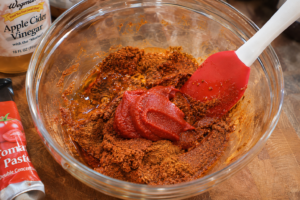
- Step 3: Add the Tomato Paste and Vinegar. Add 2 tablespoons tomato paste and 1 tablespoon apple cider vinegar directly to the bowl of mixed spices. Use a sturdy spoon or spatula to press and stir the ingredients until the tomato paste begins absorbing the dry seasonings and a thick, coarse paste forms. The tomato paste helps bind the spices and brings savory tomato flavor, while the vinegar provides acidity to balance the earthy chiles. Scrape the bottom and sides of the bowl carefully so every portion of the spice mixture is coated.
- Step 4: Add Olive Oil and Adjust the Texture. Pour 1 tablespoon olive oil into the seasoned tomato paste and mix thoroughly, pressing the mixture against the side of the bowl until it becomes compact and moldable. If the paste is too dry to hold together when squeezed, add water just 1 teaspoon at a time, mixing after each addition. The finished mixture should resemble a firm, moist spice paste rather than a runny sauce. Avoid adding unnecessary liquid, since too much moisture makes it difficult to form compact seasoning balls and can create more ice crystals during freezing. This is a homemade binding method, not the manufacturing method used for commercial shelf-stable bombs.
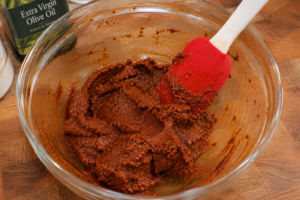
- Step 5: Shape the Birria Bombs. Divide the prepared seasoning paste into two equal portions and use clean hands or a small round silicone mold to press each portion firmly into a compact ball. Apply steady pressure so the ingredients hold together without leaving large cracks or loose crumbs. Place the finished bombs on a parchment-lined plate or in a silicone mold. If the mixture feels too sticky to shape, chill it briefly before trying again rather than adding large quantities of dry spices. Homemade bombs may have a rougher surface or a slightly flattened shape compared with commercially manufactured versions, which is perfectly acceptable as long as the mixture stays together.
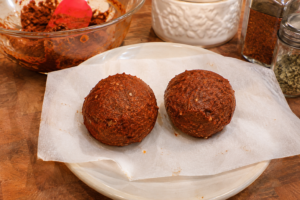
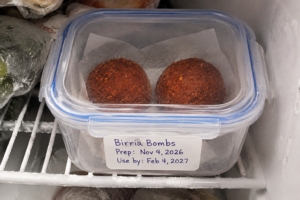
- Step 6: Freeze Until Firm. Transfer the shaped Birria Bombs to the freezer and leave them undisturbed for approximately 1–2 hours, or until solid enough to handle without breaking apart. Once firm, place them in a clean airtight freezer-safe container or bag, separating the bombs with parchment if necessary to prevent sticking. Label the container with the preparation date and return it immediately to the freezer. For the best flavor and aroma, plan to use the homemade bombs within approximately 2–3 months. Because this formulation contains moist tomato paste, vinegar, and oil and has not been tested for shelf stability, do not store it at room temperature like a commercial seasoning product.
- Step 7: Prepare the Beef for Cooking. When you're ready to make beef birria, remove one frozen homemade Birria Bomb from the freezer and measure approximately 1 lb (450 g) beef chuck. Cut the beef into large, evenly sized chunks and pat the surface dry with paper towels. For extra savory flavor, heat 1 tablespoon of oil in a heavy-bottomed pot over medium-high heat and brown the beef briefly on several sides before adding liquid. Browning is optional, but it creates additional flavor that complements the dried chiles and warm spices. Avoid crowding the pot, and work in batches if necessary. Once browned, reduce the heat before adding the broth and seasonings.
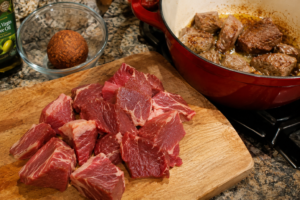
- Step 8: Add the Birria Bomb and Broth. Pour 1½–2 cups (360–480 ml) low-sodium beef broth into the pot containing the browned beef, then add one frozen Birria Bomb directly to the liquid. Increase the heat gently until the broth begins simmering, stirring occasionally as the seasoning paste softens and disperses. Make sure the chile mixture becomes evenly incorporated rather than remaining in one concentrated lump. The broth should gradually take on a deeper reddish color and develop the aroma of garlic, onion, cumin, oregano, and dried chiles. Because the seasoning bomb already contains salt, avoid adding more until you have tasted the finished broth.
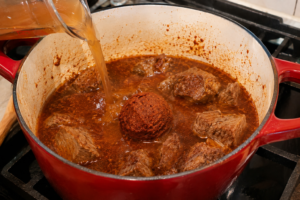
- Step 9: Simmer Until the Beef Is Tender. Bring the beef and seasoned broth to a gentle simmer, cover the pot with a lid, and reduce the heat to low. Cook for approximately 2½–4 hours, checking periodically to ensure the liquid remains at a gentle simmer rather than a vigorous boil. Add small amounts of water or broth if the liquid reduces too quickly, since the beef needs adequate moisture to become tender. Stir occasionally to prevent sticking, particularly toward the end of cooking when the sauce begins to thicken. The beef is ready when it can be pulled apart easily with a fork and the broth tastes rich and well seasoned. If the meat still feels firm, continue cooking until tender rather than relying only on the clock.
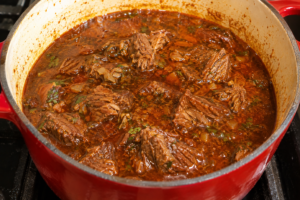
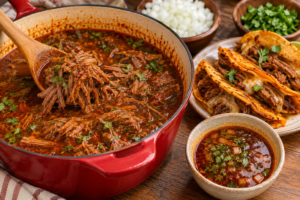
- Step 10: Shred the Beef and Serve. Carefully remove the cooked beef from the pot and transfer it to a cutting board or shallow dish. Use two forks to shred the meat into tender pieces, removing large pieces of excess fat if desired. Return the shredded beef to the seasoned broth and stir gently so it absorbs the rich chile flavors. Taste the consommé and adjust the salt or acidity only if needed. Serve the birria in bowls with fresh cilantro, chopped onion, and lime wedges, or spoon the meat into warm corn tortillas to make birria tacos. For a quesabirria variation, fill tortillas with shredded beef and melting cheese, crisp them in a skillet, and serve with a small bowl of hot consommé for dipping.
Notes
1. Use Pure Chile Powders
2. Adjust the Spice Level
3. Balance the Warm Spices
4. Do Not Add Too Much Water
5. Use Tomato Paste as a Binder
6. Choose Low-Sodium Broth
7. Make Evenly Sized Bombs
8. Freeze Promptly
9. Label Each Batch
10. Brown the Beef First
11. Keep the Beef at a Gentle Simmer
12. Avoid Adding Salt Too Early
13. Use the Bomb for Other Dishes
14. Prepare Quesabirria Tacos
15. Store Cooked Birria Safely
16. Keep the Homemade Version Consistent
Choose pure guajillo and ancho chile powders rather than premixed chili seasoning. Guajillo gives the seasoning a bright red color and mildly fruity flavor, while ancho adds a deeper, earthy character. Commercial chile blends may contain additional salt, garlic, or cumin that change the overall balance.
This recipe is designed around relatively mild dried chile varieties, but actual heat varies between products. For a spicier version, add a small pinch of chile de árbol or cayenne powder. Start with a little and increase only after tasting a cooked batch.
Cinnamon and cloves are important background flavors, but too much can overwhelm the dried chiles. Keep the measurements modest: ¼ teaspoon cinnamon and ⅛ teaspoon cloves for the full two-bomb batch.
Use water only if the mixture is too crumbly to shape. Begin with 1 teaspoon and increase cautiously. The paste should hold together when pressed, not flow like a sauce. Excess liquid can make the bombs difficult to form.
Two tablespoons of tomato paste add savory flavor while helping hold the powdered spices together. The result is a homemade paste-based seasoning bomb, not a shelf-stable commercial pressed spice product.
Use low-sodium beef broth when cooking with the bombs. Because the bombs contain salt, a salty broth may make the finished birria overly seasoned. Taste near the end of cooking before making adjustments.
Divide the mixture into two equal portions. Each bomb is intended to season approximately 1 lb (450 g) of beef with 1½–2 cups of broth. Equal portions make it easier to use the recipe consistently.
After shaping the bombs, freeze them until firm and transfer them into airtight freezer-safe containers. Unlike commercially manufactured shelf-stable seasoning bombs, this moist homemade version has not undergone shelf-life testing.
Write the preparation date and intended beef quantity on the freezer container. This makes the bombs easy to identify and helps you use older batches first. For best quality, use within approximately 2–3 months.
For a richer birria broth, brown the beef chuck before adding the seasoning bomb and broth. Browning develops additional savory flavor and gives the finished consommé more depth.
Beef chuck becomes tender through extended moist cooking. Maintain a gentle simmer with the pot covered for approximately 2½–4 hours, adding broth when needed. Cook until the beef shreds easily rather than relying on time alone.
Saltiness changes as cooking liquid reduces. Prepare the broth with the seasoning bomb, cook the beef until tender, and taste the liquid before adding extra salt.
The seasoning can also flavor chicken, beans, or vegetable-based stews, although the liquid amount and cooking time must be adjusted for the main ingredient. Keep these as separate recipe variations rather than using beef cooking times for every food.
Fill warm corn tortillas with shredded birria beef and melting cheese, then crisp them in a skillet. Serve with hot consommé for dipping. This is a serving suggestion; tortillas and cheese are not included in the seasoning bomb's nutrition.
Refrigerate cooked beef and broth promptly in shallow, covered containers at 40°F (4°C) or below. Use refrigerated leftovers within approximately 3–4 days and reheat to 165°F (74°C).
For repeatable results, use the same quantities of pure chile powders, tomato paste, vinegar, and olive oil each time. Record any adjustments after testing the recipe, especially if you change the bomb size or the amount of beef being seasoned.