
Ingredients
Equipment
Method
- Step 1: Gather and Measure the Ingredients. Begin your homemade Pumpkin Butter Recipe by gathering 1 can (15 oz / 425 g) pure pumpkin purée, ½ cup (120 ml) unsweetened apple cider, ½ cup (100 g) light brown sugar, ¼ cup (60 ml) pure maple syrup, 1½ teaspoons ground cinnamon, ½ teaspoon ground ginger, ¼ teaspoon ground nutmeg, ⅛ teaspoon ground cloves, ¼ teaspoon fine salt, and 1 teaspoon nonalcoholic vanilla flavoring. Measure each ingredient carefully before cooking so the flavors remain balanced. Choose plain pumpkin purée rather than sweetened pumpkin pie filling, which already contains sugar and spices. Set a medium heavy-bottomed saucepan on the stovetop, gather a whisk and silicone spatula, and prepare clean containers for storing the finished spread.
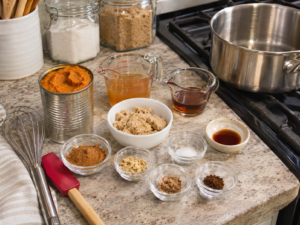
- Step 2: Combine the Pumpkin, Cider, and Sweeteners. Place the pumpkin purée into the heavy-bottomed saucepan, then pour in the unsweetened apple cider, brown sugar, and pure maple syrup. Stir slowly with a sturdy spoon or silicone spatula until the sugar begins to dissolve and the ingredients form a thick, evenly combined mixture. Scrape the bottom and sides of the saucepan to incorporate any concentrated pockets of brown sugar. The apple cider adds gentle fruity acidity and helps loosen the pumpkin so it can heat more evenly, while the brown sugar and maple syrup contribute sweetness and a rich fall flavor. The mixture should look smooth and spoonable rather than watery. Keep the saucepan off the heat while adding the spices so everything can be mixed thoroughly before simmering.
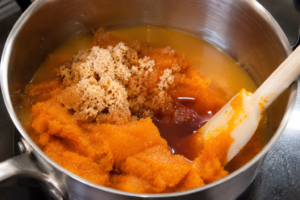
- Step 3: Add the Warm Spices and Salt. Sprinkle the ground cinnamon, ginger, nutmeg, cloves, and fine salt over the pumpkin mixture. Use a whisk or silicone spatula to stir thoroughly until the spices are evenly distributed and no dry clumps remain. The cinnamon provides a cozy sweetness, ginger adds gentle warmth, and nutmeg and cloves contribute a deeper, aromatic flavor. Because ground cloves are especially strong, use only the measured ⅛ teaspoon to avoid overpowering the pumpkin. Scrape the sides and bottom of the saucepan so the spices do not remain concentrated in one area. The mixture should have an inviting warm-orange color with tiny specks of spice throughout. Reserve the nonalcoholic vanilla flavoring until the end of cooking, when its delicate aroma will be better preserved.
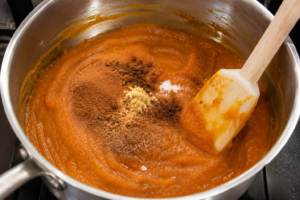
- Step 4: Simmer Gently. Place the saucepan over medium-low heat and stir occasionally until the pumpkin mixture begins to bubble gently. Reduce the heat to low and cook uncovered for approximately 25–30 minutes, stirring frequently and scraping across the bottom and corners of the pan to prevent sticking or scorching. Pumpkin purée is thick and may splatter as it heats, so use a sufficiently deep saucepan, maintain a gentle simmer rather than a vigorous boil, and protect your hands when stirring. The mixture will gradually become darker, thicker, and more concentrated as excess moisture evaporates. If it begins sticking or bubbling aggressively, lower the heat immediately. Avoid leaving the saucepan unattended because pumpkin butter can burn quickly once it thickens.
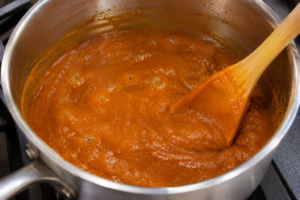
- Step 5: Check the Consistency. After approximately 25 minutes, lift a small amount of pumpkin butter with a clean spoon and check its texture carefully, allowing the sample to cool before tasting. The spread should be noticeably thicker than the original pumpkin purée mixture, hold soft ridges when stirred, and coat the back of a spoon without dripping immediately. Draw the spatula through the saucepan; the mixture should briefly leave a visible trail before settling back together. If it still looks thin, continue simmering over low heat for several minutes, stirring frequently. If it becomes excessively thick or starts sticking, stir in a small splash of apple cider, approximately 1 teaspoon at a time, until the consistency is comfortably spreadable. The finished pumpkin butter should be smooth and richly flavored rather than dry or paste-like.
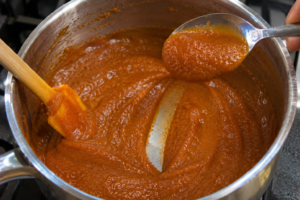
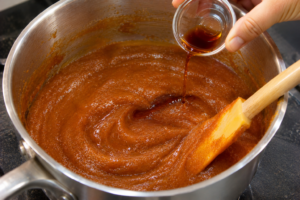
- Step 6: Stir in the Vanilla and Adjust the Flavor. Remove the saucepan from the heat and add 1 teaspoon (5 ml) nonalcoholic vanilla flavoring. Stir thoroughly until the vanilla is evenly incorporated into the warm pumpkin butter. Let a small sample cool before tasting, since the mixture will be very hot immediately after cooking. If needed, adjust the flavor with a tiny additional pinch of cinnamon or a few drops of maple syrup, keeping in mind that the sweetness will be more noticeable once the spread cools. Avoid adding large quantities of liquid at this stage because they can thin the finished consistency. The pumpkin butter should taste warm, gently spiced, naturally earthy, and pleasantly sweet, with a subtle apple-and-maple finish. This is a refrigerated spread, not a tested shelf-stable preserve.
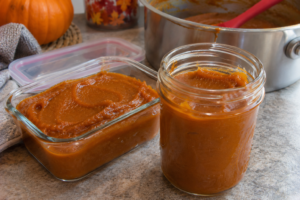
- Step 7: Cool and Store Safely. Allow the pumpkin butter to cool briefly in the saucepan, stirring occasionally to release heat, then transfer it into clean, shallow, heat-safe food containers. Refrigerate promptly, within 2 hours of finishing cooking, at 40°F (4°C) or below. Do not leave the finished pumpkin butter sitting on the countertop until completely cold, since prolonged room-temperature storage is unsafe. For a conservative storage recommendation, use refrigerated homemade pumpkin butter within 3–4 days, or freeze portions in suitable freezer-safe containers for up to 3 months for best quality. Leave appropriate space for expansion when freezing and thaw frozen portions in the refrigerator. Never attempt to make this homemade pumpkin butter shelf-stable using boiling-water canning, pressure canning, or by simply sealing hot jars; no validated home-canning process is available for pumpkin butter.
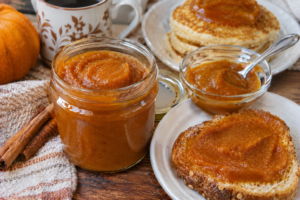
- Step 8: Serve and Enjoy. Once chilled, spoon the homemade pumpkin butter into a small serving bowl or spread a generous but manageable amount over warm toast, freshly baked biscuits, English muffins, pancakes, or waffles. You can also swirl it into oatmeal, plain yogurt, or a bowl of overnight oats for a cozy fall flavor, or use it as a filling in suitable baked desserts. Because pumpkin butter is naturally thick and sweet, a small spoonful can add plenty of flavor without overwhelming other ingredients. Always serve it with clean utensils and return any remaining spread to the refrigerator promptly. Avoid leaving it unrefrigerated during long breakfasts or gatherings. Enjoy its silky texture, fragrant cinnamon aroma, and delicious pumpkin-maple sweetness throughout the fall season.
Notes
1. Use Pure Pumpkin Purée.
2. Choose Unsweetened Apple Cider.
3. Measure the Brown Sugar Accurately.
4. Use Pure Maple Syrup.
5. Balance the Warm Spices.
6. Use a Heavy-Bottomed Saucepan.
7. Simmer Over Low Heat.
8. Stir Frequently to Prevent Burning.
9. Look for a Thick, Spreadable Texture.
10. Add Vanilla After Cooking.
11. Do Not Confuse Pumpkin Butter With Dairy Butter.
12. Refrigerate Promptly.
13. Use Refrigerated Pumpkin Butter Within 3–4 Days.
14. Freeze for Longer Storage.
15. Never Home-Can Pumpkin Butter.
16. Enjoy It Beyond Toast.
Choose plain 100% pumpkin purée rather than pumpkin pie filling. Pie filling already contains sweeteners and spices, so using it would change the recipe's balance. One standard 15-ounce can (425 g) supplies the pumpkin needed for this batch. Homemade purée can vary considerably in moisture content and may require a different reduction time.
Unsweetened apple cider adds a gentle fruity flavor that complements the earthy pumpkin and warming spices. If cider is unavailable, unfiltered unsweetened apple juice can be used. Avoid sweetened apple drinks or products containing alcohol. Measure ½ cup (120 ml) and adjust only in small amounts if the mixture becomes excessively thick during cooking.
Packed light brown sugar provides sweetness and a subtle molasses flavor. Measure ½ cup (100 g) for this proposed formulation. Dark brown sugar can be used for a stronger molasses note, but it may create a slightly darker spread. Avoid adding large quantities of extra sugar before tasting the finished butter.
Pure maple syrup adds a naturally rich, caramel-like sweetness that pairs beautifully with pumpkin and cinnamon. Use ¼ cup (60 ml) for this batch. Maple-flavored pancake syrup is not the same ingredient and may contain additional sweeteners or flavorings that change the recipe.
Cinnamon should be the leading spice, with ginger, nutmeg, and cloves providing supporting flavors. Measure carefully, especially the cloves, which can become overpowering. A little additional cinnamon can be stirred in at the end if desired, but avoid adding large amounts of every spice.
A medium saucepan with a heavy base helps distribute heat more evenly and reduces the likelihood of scorching. Because pumpkin butter is thick and sugary, it can stick or burn where the pan becomes hottest. A silicone spatula is useful for scraping the base and sides throughout simmering.
Once the mixture begins bubbling gently, reduce the heat to low. Cook uncovered for approximately 25–30 minutes, stirring frequently. A vigorous boil can cause messy, hot splatters and may scorch the spread. Cooking time may vary depending on the starting thickness of the pumpkin purée.
Pumpkin butter becomes more concentrated as it simmers, making frequent stirring increasingly important toward the end of cooking. Scrape the saucepan's bottom, edges, and corners with a heat-resistant spatula. If the mixture starts sticking, reduce the heat immediately rather than continuing to boil it aggressively.
The finished pumpkin butter should coat a spoon and briefly hold a trail when stirred. It should be thicker and darker than the mixture before cooking but remain smooth and easy to spread. If it is still too thin, simmer for a few additional minutes. If it is too thick, add apple cider a teaspoon at a time.
Stir in 1 teaspoon nonalcoholic vanilla flavoring after removing the saucepan from the heat. Adding vanilla at the end helps preserve its delicate aroma. Taste a cooled sample before making additional adjustments so the flavor can be evaluated accurately without risking burns.
Despite its name, pumpkin butter is a fruit-and-vegetable-style spread made from pumpkin, sweeteners, and spices. It does not require dairy butter. This formulation is naturally dairy-free when all ingredient labels are suitable, making it easy to serve with a variety of breakfasts and desserts.
Transfer the cooked spread into clean, shallow, heat-safe containers and refrigerate within 2 hours of finishing cooking. Keep the refrigerator at 40°F (4°C) or colder. Do not leave pumpkin butter in a warm saucepan or on the countertop for extended periods while waiting for it to cool completely.
For conservative home-storage guidance, enjoy the finished pumpkin butter within 3–4 days under proper refrigeration. Use clean utensils, keep the container covered, and avoid returning portions that have been sitting out to the original batch. If you cannot use the spread promptly, freeze individual portions.
Pumpkin butter can be frozen in suitable freezer-safe containers for up to approximately 3 months for best quality. Leave room for expansion and label the containers with the preparation date. Thaw in the refrigerator rather than on the countertop. Stir after thawing if minor separation occurs.
Home canning pumpkin butter is not recommended by the National Center for Home Food Preservation because acidity, density, and heat penetration vary too much for an established safe home-canning process. Neither boiling-water canning nor pressure canning should be improvised for this recipe. Refrigerate or freeze the finished spread instead.
Pumpkin butter is delicious on warm toast, biscuits, English muffins, pancakes, and waffles. Stir a spoonful into oatmeal, yogurt, or a breakfast bowl, or use it to add autumn flavor to suitable dessert fillings. Add it shortly before serving and refrigerate leftovers promptly.