

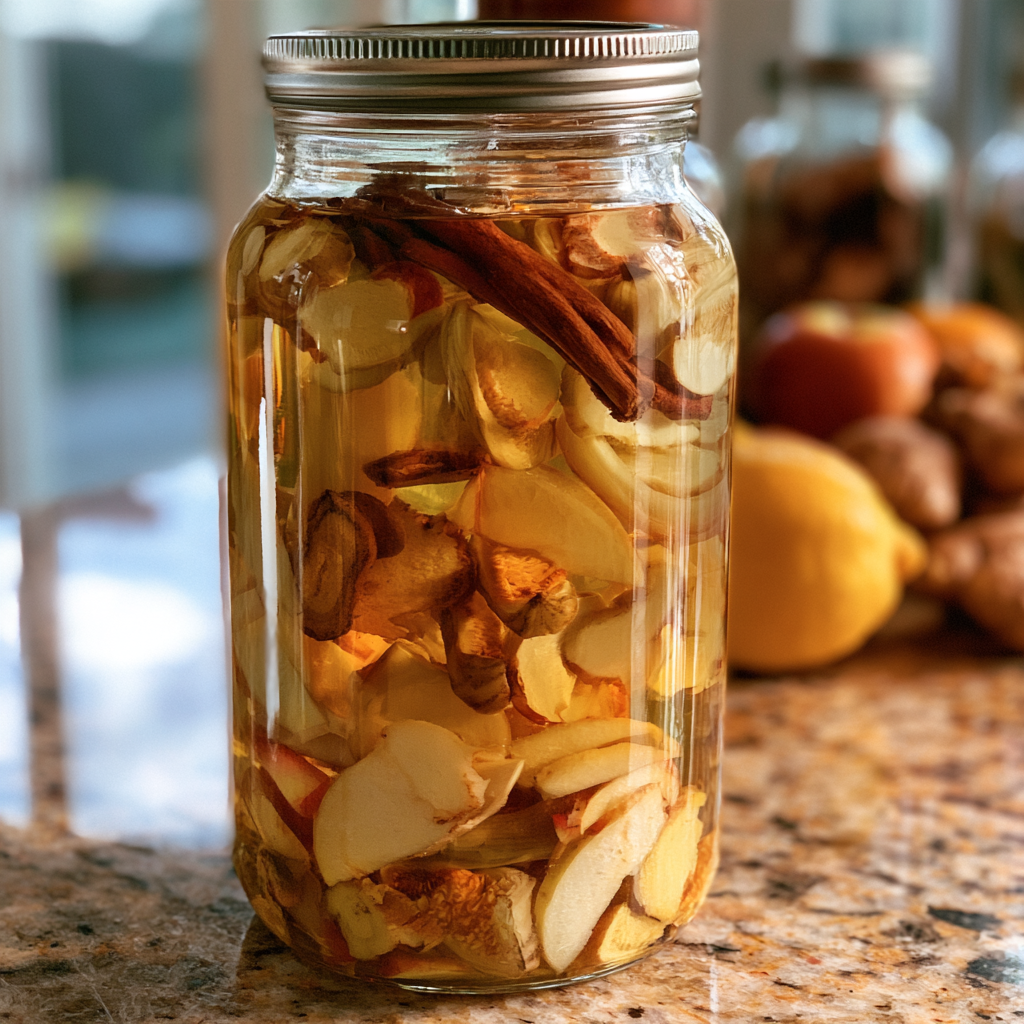
A good Fire Cider Recipe is bold, tangy, spicy, and packed with the intense flavors of fresh roots, citrus, herbs, and apple cider vinegar. Traditionally prepared by infusing ingredients such as ginger, horseradish, garlic, onion, turmeric, lemon, and hot peppers in vinegar, fire cider has become a popular homemade tonic for people who enjoy strong, naturally flavored wellness drinks. Its sharp taste is unmistakable: sour from the vinegar, warming from the spices, slightly sweet when honey is added, and fresh from the citrus and herbs.
What makes this Fire Cider Recipe so appealing is how simple it is to prepare. There is no complicated cooking technique involved. Most of the work comes from chopping the ingredients, packing them into a clean jar, covering everything with apple cider vinegar, and allowing the mixture to infuse over time. As it rests, the vinegar gradually extracts flavors from the vegetables, roots, herbs, and spices, creating a powerful concentrate that can be strained and enjoyed in small amounts.
Fire cider is often associated with traditional herbal practices, especially during colder months. Many people enjoy it simply because ingredients such as ginger, garlic, turmeric, citrus, and hot peppers are flavorful and naturally rich in plant compounds. However, fire cider should be viewed as a homemade food and beverage preparation rather than a medicine or guaranteed treatment for illness. Its popularity comes as much from its intense flavor and traditional use as from modern wellness trends.
One of the best things about making a homemade Fire Cider Recipe is that you can customize it completely. If you enjoy extra heat, add more chili peppers or fresh horseradish. For a brighter citrus flavor, increase the lemon or orange. Fresh rosemary, thyme, cinnamon, black pepper, or cloves can also be added to create a more aromatic infusion. Once strained, a little honey can soften the acidity and heat without hiding the characteristic fire cider flavor.
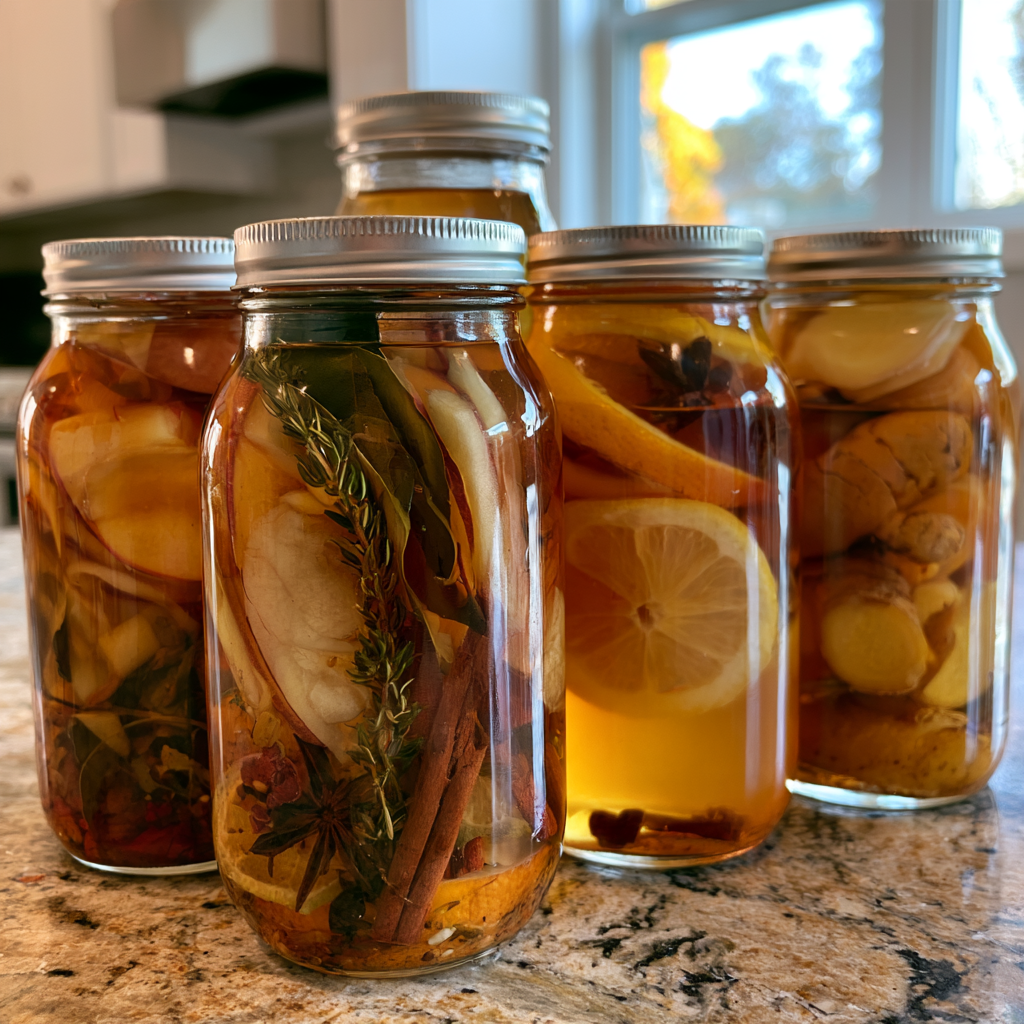
This recipe is also economical and easy to prepare in larger batches. A single jar can provide enough fire cider to use gradually over several weeks when stored properly in the refrigerator. Some people take a small spoonful or diluted shot, while others mix it into warm water, tea, salad dressings, marinades, sauces, or even savory cocktails. Its strong combination of acidity, spice, and aromatics makes it surprisingly versatile in the kitchen.
If you have never made one before, this Fire Cider Recipe is an easy place to start. You will learn how to choose the right ingredients, prepare them correctly, determine how long the mixture should infuse, strain and sweeten the finished cider, and store it safely. The result is a vibrant homemade infusion with a deep, spicy flavor that you can adjust exactly to your taste.
Fire Cider Recipe Base Ingredients
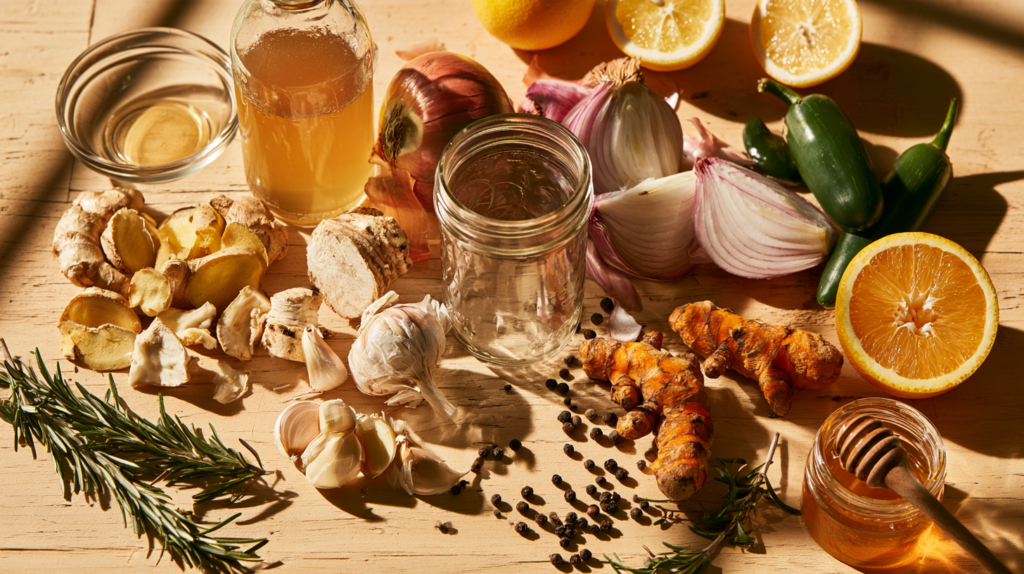
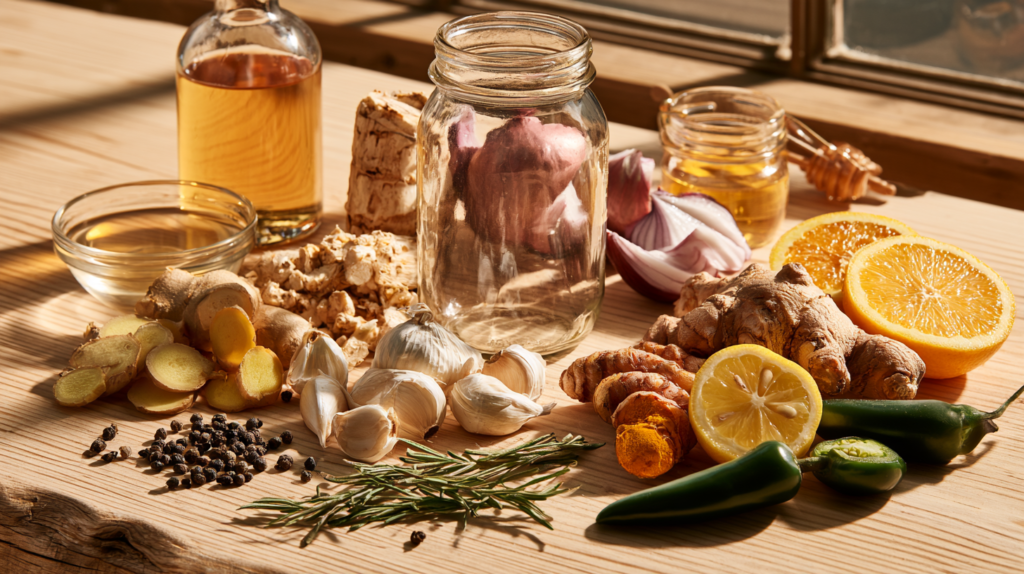
The foundation of a classic Fire Cider Recipe is a combination of fresh roots, pungent vegetables, citrus, hot peppers, and apple cider vinegar. Each ingredient contributes a different layer of flavor, from sharp and spicy to earthy, citrusy, and slightly sweet. The quantities below make approximately 1 quart (about 1 liter) of fire cider before straining.
| Ingredient | Amount | Purpose in the Fire Cider Recipe |
|---|---|---|
| Apple cider vinegar | 3 to 4 cups | The acidic base that extracts flavor from the other ingredients |
| Fresh ginger | 1/2 cup, sliced | Adds a warm, spicy flavor |
| Fresh horseradish | 1/2 cup, chopped or grated | Provides the signature sharp heat |
| Garlic | 8 to 10 cloves | Adds strong savory depth |
| Yellow or red onion | 1 medium | Gives the infusion a pungent, slightly sweet flavor |
| Fresh turmeric | 1/4 cup, sliced | Adds earthy flavor and a golden color |
| Lemon | 1, sliced | Provides bright citrus acidity |
| Orange | 1/2 to 1, sliced | Adds natural sweetness and citrus aroma |
| Jalapeño or other hot pepper | 1 to 2 | Creates the characteristic fiery heat |
| Black peppercorns | 1 tsp | Adds gentle spice and complexity |
| Fresh rosemary | 1 to 2 sprigs | Adds an aromatic herbal note |
| Raw honey | 2 to 4 tbsp | Added after straining to balance the vinegar and heat |
Apple Cider Vinegar
Apple cider vinegar is the most important ingredient in any Fire Cider Recipe because it forms the liquid base of the infusion. Choose a good-quality apple cider vinegar with about 5% acidity. You will need enough vinegar to completely cover all of the chopped ingredients in the jar.
The ingredients should remain submerged during the infusion period. If some pieces float above the vinegar, gently press them down or add a little more vinegar.
Fresh Ginger
Fresh ginger gives fire cider its warm, slightly peppery character. Thinly slicing or grating the ginger exposes more surface area to the vinegar, helping the flavor infuse more efficiently.
For a milder Fire Cider Recipe, use about 1/4 cup. For a stronger ginger flavor, increase it to 1/2 cup or slightly more.
Horseradish
Fresh horseradish is one of the ingredients that truly gives fire cider its name. It creates an intense, nose-warming heat that is noticeably different from chili peppers.
Fresh horseradish root is ideal, but prepared horseradish can be used when fresh root is unavailable. If using prepared horseradish, choose one without creamy sauces or excessive additives.
Garlic
Garlic contributes a deep, savory flavor that balances the sharp vinegar and spicy ingredients. For a quart-sized batch, 8 to 10 cloves provide plenty of flavor.
Lightly crushing the cloves before adding them to the jar allows the vinegar to penetrate them more easily.
Onion
Onion is another traditional component of a homemade Fire Cider Recipe. Red onion gives the cider a slightly stronger flavor and attractive color, while yellow onion provides a more classic savory profile.
Roughly chop the onion rather than finely mincing it, making the finished cider easier to strain.
Turmeric
Fresh turmeric root adds an earthy flavor and beautiful golden-orange color. It pairs especially well with ginger and black pepper.
Fresh turmeric can stain hands, cutting boards, and kitchen towels, so handle it carefully. Ground turmeric can also be used, but fresh turmeric usually produces a cleaner infusion that is easier to strain.
Lemon and Orange
Citrus fruit brings freshness to the otherwise intense combination of vinegar, garlic, ginger, and horseradish.
Lemon contributes tartness, while orange adds a softer citrus sweetness. Wash the fruit thoroughly before slicing, especially when leaving the peel attached.
Hot Peppers
A true Fire Cider Recipe should have some heat, but you can easily adjust the spice level.
For moderate heat, use 1 jalapeño. For a stronger batch, use 2 jalapeños or substitute a hotter pepper such as serrano. Removing the seeds and inner membranes will produce a milder result.
Black Pepper
Whole black peppercorns add another layer of warming spice without overwhelming the other ingredients.
Using whole peppercorns instead of ground pepper also makes the fire cider easier to strain when the infusion is ready.
Fresh Herbs
Fresh rosemary is a classic choice, but herbs can be customized according to your preferences. Thyme, sage, oregano, or even a small cinnamon stick can add extra complexity.
Keep herbs relatively simple so they do not overpower the ginger, horseradish, and vinegar.
Honey
Honey is normally added after the fire cider has finished infusing and has been strained.
Start with about 2 tablespoons and taste before adding more. Some people prefer their Fire Cider Recipe intensely sour and spicy, while others enjoy enough honey to soften the acidity.
For a sweeter fire cider, use up to 1/4 cup.
Optional Fire Cider Ingredients
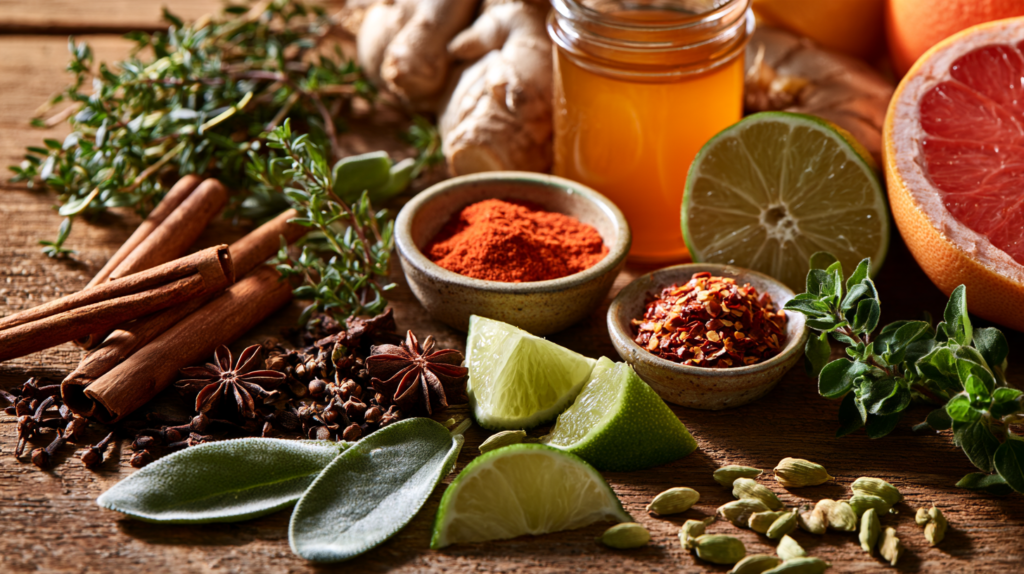
Once you are comfortable with the basic recipe, you can customize your fire cider with additional ingredients such as:
- Cinnamon sticks
- Whole cloves
- Star anise
- Fresh thyme
- Fresh sage
- Cayenne pepper
- Dried chili flakes
- Grapefruit
- Lime
- Fresh oregano
- Cardamom pods
The key to a flavorful Fire Cider Recipe is balance. Ginger and horseradish provide warmth, chili gives direct heat, citrus adds brightness, garlic and onion create savory depth, and honey rounds everything out after the infusion is complete.
Health Benefits of Fire Cider Recipe
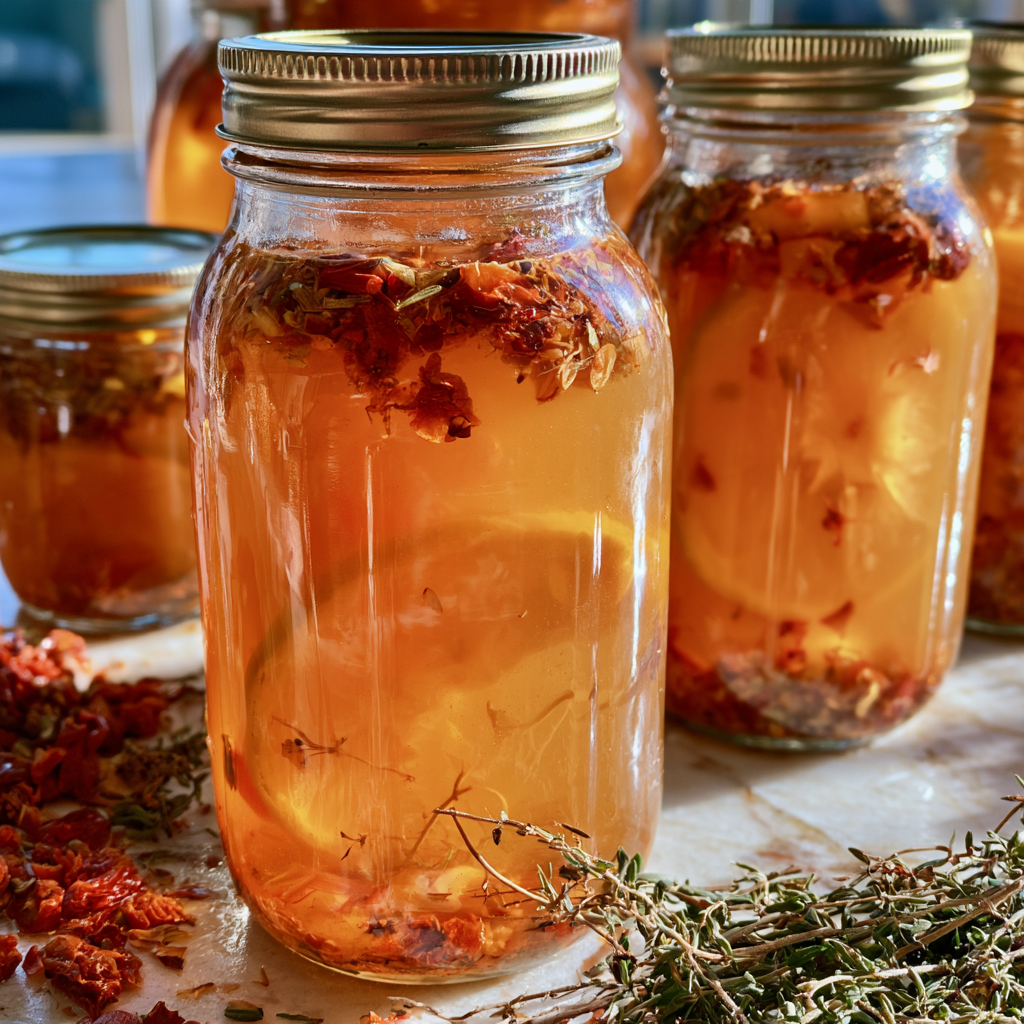
A homemade Fire Cider Recipe combines apple cider vinegar with ingredients such as ginger, garlic, turmeric, horseradish, citrus, onion, and hot peppers. These ingredients contain naturally occurring plant compounds, antioxidants, and other nutrients that can make fire cider an interesting addition to a balanced diet.
However, fire cider should be considered a food-based herbal infusion rather than a medicine. Although several individual ingredients have been studied for potential health effects, there is limited research showing that fire cider itself can prevent or cure colds, infections, or other illnesses.
One of the main advantages of a Fire Cider Recipe is that it brings several strongly flavored plant foods together in a concentrated infusion. Ginger, turmeric, garlic, citrus, and peppers contain different bioactive compounds, while apple cider vinegar provides the characteristic acidic base.
Ginger is particularly valued for its warming flavor and has been studied extensively for digestive comfort and nausea. It also contains compounds such as gingerols that possess antioxidant properties. This makes fresh ginger one of the most useful ingredients in a traditional fire cider preparation.
Garlic provides sulfur-containing compounds and adds significant savory depth. Garlic has long been part of traditional diets around the world and has been researched for its potential relationship with cardiovascular health and immune function. This does not mean that a serving of fire cider will prevent illness, but garlic can certainly contribute beneficial plant compounds to the diet.
Turmeric contains curcumin, a compound widely studied for antioxidant and anti-inflammatory properties. The amount present in a small serving of fire cider may be modest, so it should not be viewed as equivalent to therapeutic doses used in clinical research.
Citrus fruits such as lemon and orange provide vitamin C and other plant compounds. Since fire cider is generally consumed in small portions, however, it should not be relied upon as the primary source of vitamin C in the diet.
Apple cider vinegar is another important component. Research suggests that vinegar consumed with certain meals may have modest effects on post-meal blood glucose in some people. However, apple cider vinegar is highly acidic and should normally be diluted rather than consumed frequently in concentrated amounts.
Hot peppers contribute capsaicin, the compound responsible for their heat. Capsaicin has been studied for several physiological effects and can create the characteristic warming sensation associated with fire cider.
Fire Cider Recipe Benefits at a Glance
| Ingredient | Potential Benefit | Important Note |
|---|---|---|
| Apple cider vinegar | May modestly influence post-meal blood sugar and adds fermented acidity | Highly acidic; concentrated vinegar can irritate the mouth, throat, and teeth |
| Fresh ginger | May support digestive comfort and contains antioxidant compounds | Large amounts may cause heartburn or stomach discomfort in some people |
| Garlic | Provides sulfur compounds associated with cardiovascular and general nutritional benefits | Raw garlic can be irritating to sensitive stomachs |
| Turmeric | Contains curcumin and other antioxidant compounds | Fire cider contains much smaller amounts than many research supplements |
| Horseradish | Contains pungent plant compounds and creates the traditional warming sensation | Can be very strong and may irritate the digestive tract |
| Lemon and orange | Provide vitamin C and citrus plant compounds | A small serving of fire cider provides only a limited amount |
| Hot peppers | Supply capsaicin and create warming heat | May worsen reflux or digestive irritation in sensitive people |
| Onion | Contains flavonoids and other plant compounds | Benefits come primarily from including onions regularly in an overall healthy diet |
| Black pepper | Adds antioxidants and enhances flavor | Very large amounts can irritate the stomach |
| Honey | Adds sweetness and contains small amounts of antioxidant compounds | Honey is still a source of added sugar |
| Fresh herbs | Provide aromatic plant compounds and additional flavor | Benefits depend on the type and quantity of herbs used |
May Provide Antioxidant Compounds
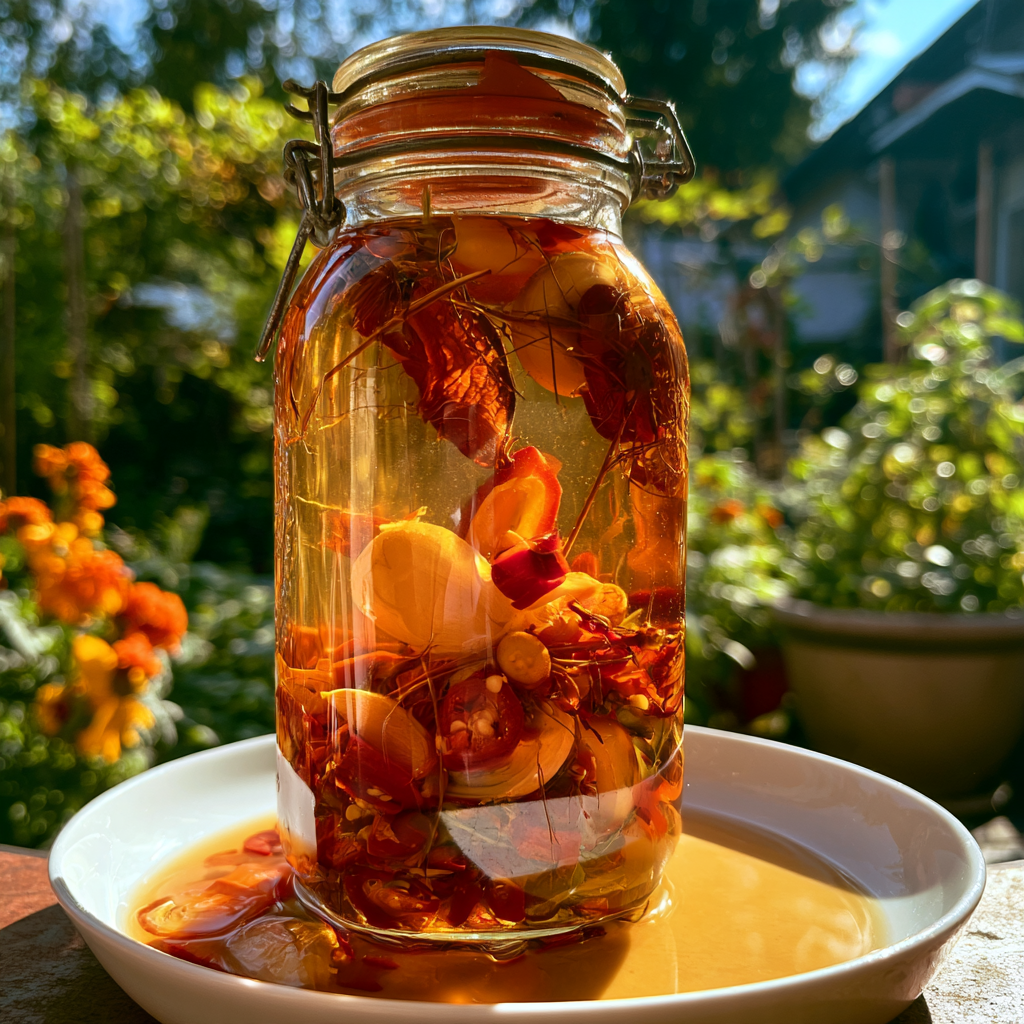
Many ingredients in a Fire Cider Recipe naturally contain antioxidants. Ginger, garlic, turmeric, onions, citrus fruits, herbs, and peppers all contain different plant compounds that help protect plants and may contribute to the antioxidant content of the human diet.
Rather than focusing on one “superfood,” the advantage of fire cider is the variety of plant ingredients used in a single preparation.
May Support Digestive Comfort
Ginger is perhaps the most relevant ingredient when discussing digestion. It has a long history of culinary use and has been studied for nausea and digestive discomfort.
Apple cider vinegar is sometimes promoted as a digestive aid as well, although evidence for many of these claims remains limited. Because fire cider is acidic and spicy, it may actually worsen symptoms in people who experience acid reflux, gastritis, or sensitive digestion.
May Be a Flavorful Addition to a Balanced Diet
One underrated benefit of the Fire Cider Recipe is simply that it can make healthy foods more interesting.
A small amount of fire cider can be incorporated into:
- Salad dressings
- Marinades
- Sauces
- Soups
- Vegetable dishes
- Warm water or tea
- Savory drinks
Using flavorful ingredients can make vegetables and other nutritious foods more enjoyable without requiring large amounts of heavy sauces.
Does Fire Cider Boost the Immune System?
Fire cider is frequently described online as an immune-boosting drink, especially during cold and flu season. The reality is more nuanced.
Ingredients such as garlic, ginger, citrus, turmeric, and peppers contain nutrients and plant compounds that contribute to normal health. However, there is not strong evidence that drinking fire cider prevents colds, flu, or other infections.
A healthy immune system depends on many factors, including an adequate diet, sufficient protein and micronutrients, sleep, physical activity, stress management, and appropriate medical care.
Fire cider can therefore be enjoyed as part of a varied diet without presenting it as a replacement for proven medical treatments or preventive measures.
Is Fire Cider Good for Weight Loss?
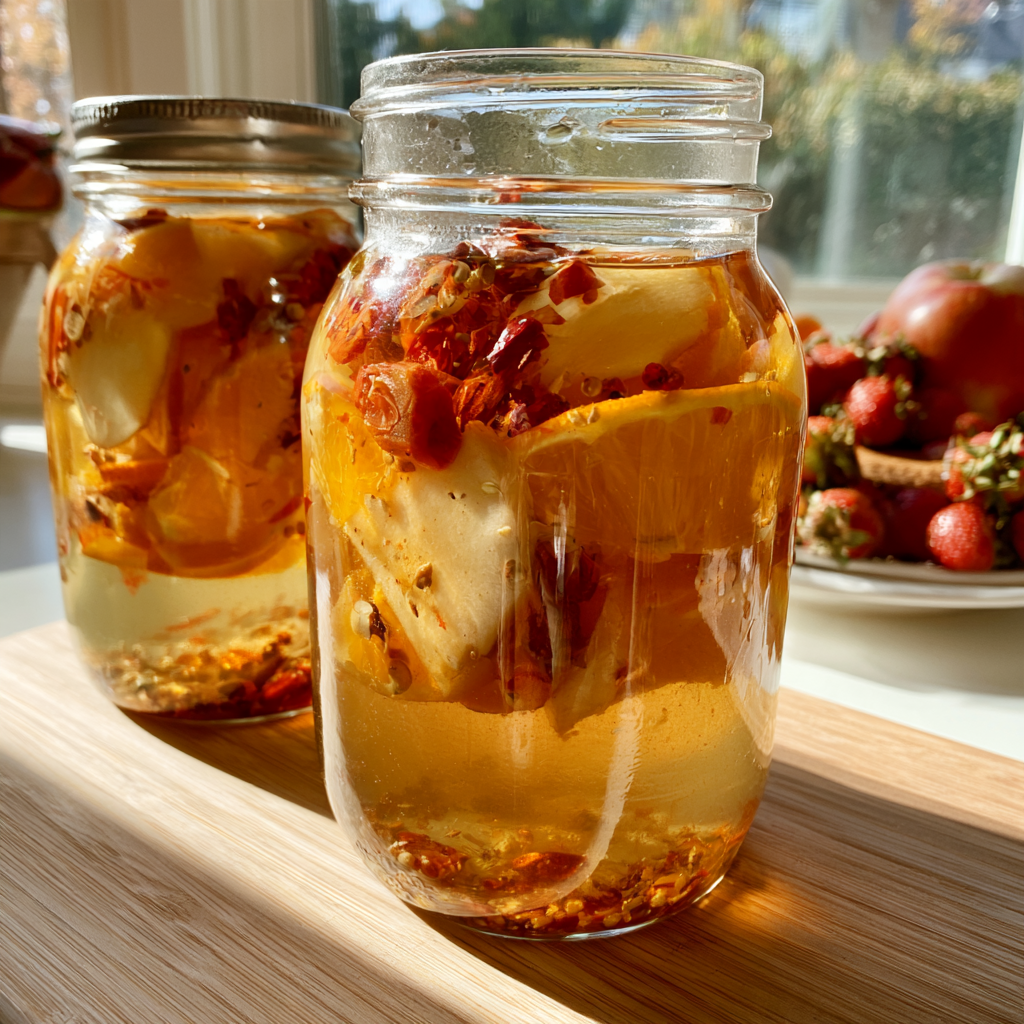
A Fire Cider Recipe is sometimes promoted as a weight-loss drink because it contains apple cider vinegar, ginger, and hot peppers.
These ingredients have been studied individually in relation to appetite, metabolism, or blood glucose, but fire cider itself is not a proven fat-burning drink. Taking a daily shot will not independently cause meaningful weight loss.
Because a small serving is generally low in calories, fire cider can fit easily into a calorie-conscious diet. The amount of honey added should be considered if keeping sugar intake low.
The Healthiest Way to Drink Fire Cider
Because fire cider is concentrated and acidic, it is generally more comfortable to dilute a small amount in water rather than drinking a large quantity straight.
A typical serving might be around 1 tablespoon diluted in a glass of water, although there is no scientifically established required dose for fire cider.
Avoid excessive consumption, especially if you experience heartburn, stomach irritation, sensitive teeth, or throat discomfort. Drinking acidic mixtures frequently can also affect tooth enamel.
Overall, the greatest strength of a homemade Fire Cider Recipe is not that it provides a miracle cure, but that it combines a variety of flavorful plant ingredients into an easy homemade infusion. Enjoyed in reasonable quantities, it can be an interesting and refreshing addition to a balanced diet.
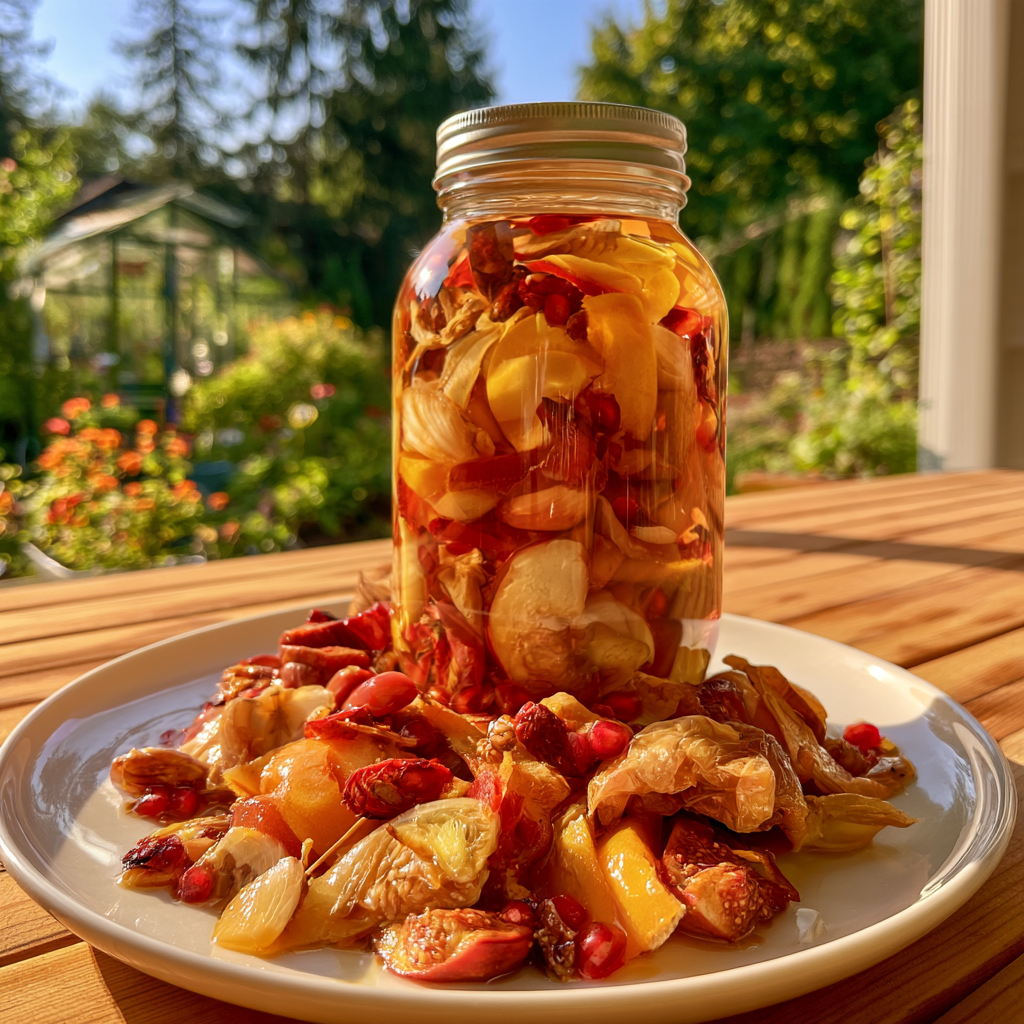
Homemade Fire Cider Recipe From OoohDelish!
Fire Cider Recipe
Ingredients
Equipment
Method
- Wash all fresh produce thoroughly. Slice the ginger, turmeric, lemon, orange, and hot peppers. Roughly chop the onion and horseradish, and lightly crush the garlic cloves.
- Place the ginger, horseradish, garlic, onion, turmeric, lemon, orange, peppers, black peppercorns, rosemary, and any optional spices into a clean 1-quart glass jar.
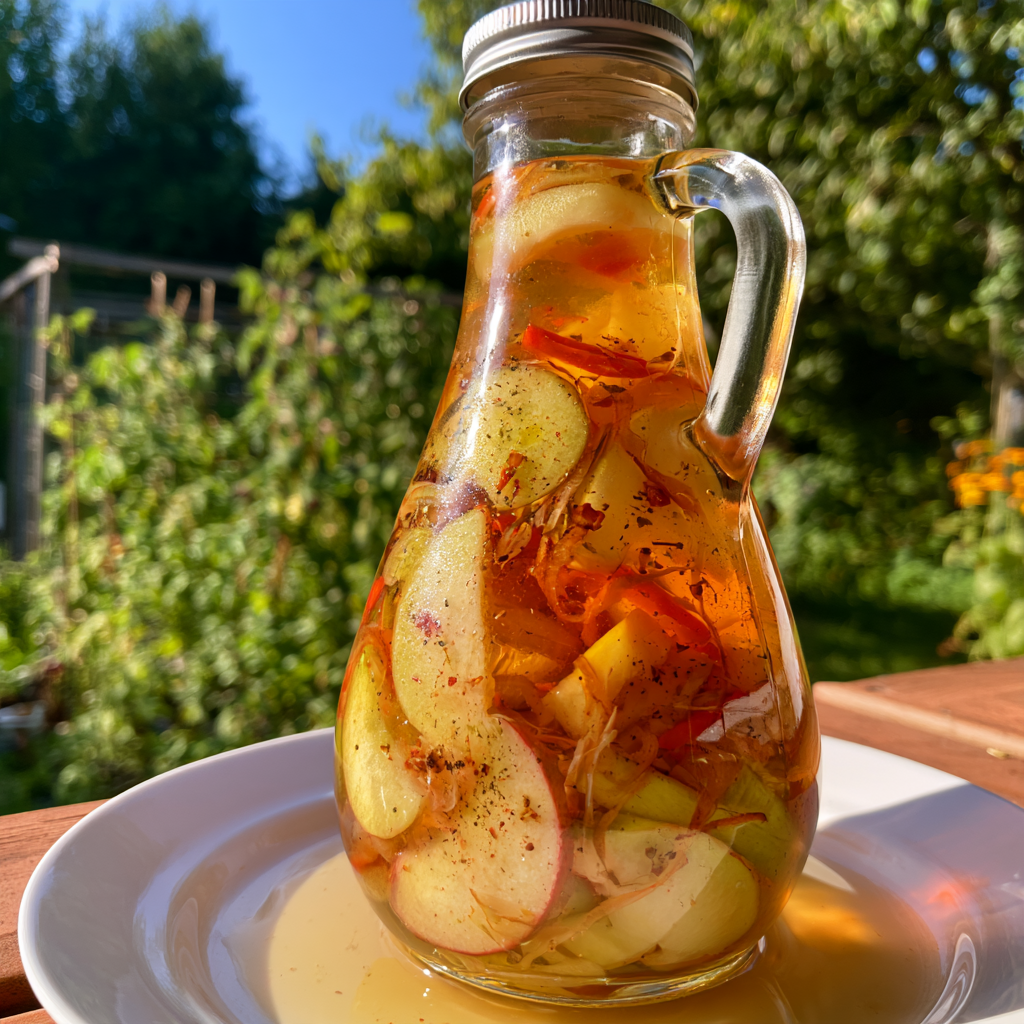
- Pour the apple cider vinegar over the ingredients until they are completely submerged. Leave approximately 1 inch of space at the top of the jar.
- Seal the jar tightly. If using a metal lid, place parchment paper or another non-reactive barrier between the vinegar and the metal lid.
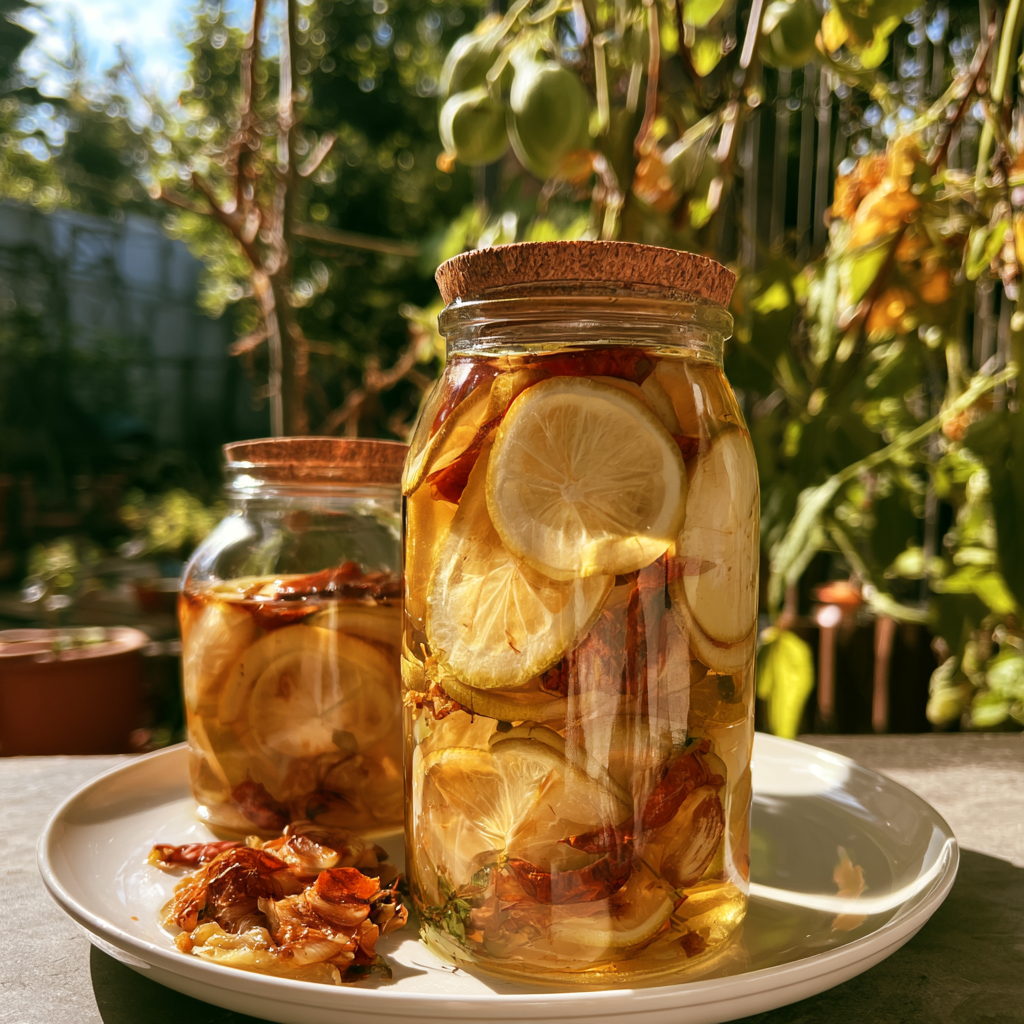
- Store the jar in a cool, dark place for 2 to 4 weeks. Gently shake the jar once daily or every couple of days, and make sure the ingredients remain submerged.
Notes
- Use 5% acidity vinegar. Apple cider vinegar with 5% acidity is the standard choice for this recipe.
- Keep everything submerged. The fresh ingredients should remain covered by vinegar during the infusion period.
- Adjust the heat. Use one jalapeño for moderate heat or two peppers for a stronger Fire Cider Recipe. Serrano or cayenne can be used for additional spice.
- Add honey after straining. This makes it easier to control the final sweetness.
- Infusion time matters. Two weeks produces a lighter flavor, while three to four weeks creates a stronger, more developed infusion.
- Protect metal lids. Vinegar is acidic and can react with metal. Use a plastic lid or place parchment paper between the jar and metal lid.
- Storage: Keep the finished fire cider refrigerated in a clean, tightly sealed glass container.
- Serving: Because fire cider is acidic and strongly flavored, dilute it in water if drinking it directly.
- Safety note: Fire cider is a food-based vinegar infusion and should not be considered a treatment or cure for colds, flu, infections, or other medical conditions.
FAQs: Fire Cider Recipe
What is a Fire Cider Recipe?
A Fire Cider Recipe is a spicy vinegar infusion traditionally made with apple cider vinegar, fresh ginger, horseradish, garlic, onion, turmeric, citrus, and hot peppers. The ingredients are infused for several weeks, strained, and usually sweetened with honey before serving.
How long should fire cider infuse?
Fire cider is typically infused for 2 to 4 weeks in a cool, dark place. A shorter infusion creates a lighter flavor, while 3 to 4 weeks produces a stronger, more intense Fire Cider Recipe.
Do I need to refrigerate homemade fire cider?
Yes. After straining and adding honey, storing homemade fire cider in a clean, tightly sealed glass container in the refrigerator is the safest option for maintaining freshness and quality.
How do you drink fire cider?
Fire cider is very strong and acidic, so many people dilute about 1 tablespoon in a glass of water before drinking it. It can also be added to tea, salad dressings, marinades, sauces, soups, and other savory recipes.
Can I make a Fire Cider Recipe without horseradish?
Yes. You can make fire cider without horseradish, although the finished infusion will have less of the sharp, warming heat associated with traditional fire cider. Extra ginger or hot pepper can be added if you want a stronger flavor.
When should I add honey to fire cider?
Honey is best added after the fire cider has finished infusing and the solids have been strained out. Start with 2 tablespoons, taste the mixture, and add more if you prefer a sweeter Fire Cider Recipe.
Does fire cider help with colds or boost immunity?
Fire cider contains ingredients such as ginger, garlic, turmeric, citrus, and hot peppers that provide beneficial plant compounds, but fire cider itself has not been proven to prevent or cure colds, flu, or other illnesses. It is best enjoyed as a flavorful food-based infusion rather than a medical treatment.
Why should the ingredients stay submerged in the vinegar?
Keeping the fresh ingredients completely covered with apple cider vinegar helps them infuse evenly and reduces exposure to air. Check the jar during the infusion period and add more vinegar if necessary to keep the ingredients submerged.
Can I use a metal lid when making fire cider?
It is better to prevent acidic vinegar from touching a metal lid directly because vinegar can react with some metals. Use a plastic lid or place parchment paper or another food-safe non-reactive barrier between the jar and the metal lid.