

If you have come across the popular Baking Soda Recipe for Weight Loss, you may have seen claims that mixing baking soda with water, lemon juice, or other ingredients can help burn fat, reduce belly fat, or speed up weight loss. This trend has become popular online because baking soda is inexpensive, widely available, and often associated with digestion and “alkalizing” drinks. However, it is important to understand what this recipe can and cannot actually do before trying it.
Baking soda, also known as sodium bicarbonate, is primarily a cooking and household ingredient. It can react with acids and is commonly used as a leavening agent in baked goods. Although some homemade drinks combine a small amount of baking soda with water or lemon juice, there is no good evidence that drinking baking soda directly causes meaningful body-fat loss or increases fat burning.
The idea behind many online versions of a Baking Soda Recipe for Weight Loss usually comes from claims about changing the body’s acidity or improving digestion. However, the human body already regulates its blood pH very tightly through the lungs and kidneys. Drinking baking soda does not “alkalize” the body in a way that produces weight loss.
That does not mean every baking soda drink is automatically dangerous, but more is not better. Baking soda contains a substantial amount of sodium, and consuming too much can cause unwanted effects, including nausea, vomiting, abdominal discomfort, and disturbances in the body’s acid-base and electrolyte balance. People with certain medical conditions or those taking particular medications should be especially cautious.
For this reason, this Baking Soda Recipe for Weight Loss should not be presented as a fat-burning treatment or a replacement for a balanced diet and regular physical activity. If someone chooses to prepare a baking soda drink, the recipe should use a very small amount and should be treated as a beverage rather than a weight-loss medicine.
The most realistic approach to weight management is still based on sustainable eating habits, adequate protein and fiber, appropriate calorie intake, regular movement, good sleep, and consistency over time. A simple homemade drink may fit into that lifestyle, but the drink itself should not be credited with causing weight loss.
In this guide, we will look at how the popular Baking Soda Recipe for Weight Loss is prepared, what the ingredients actually contribute, how the trend became popular, and the important precautions to consider before consuming baking soda as a drink.
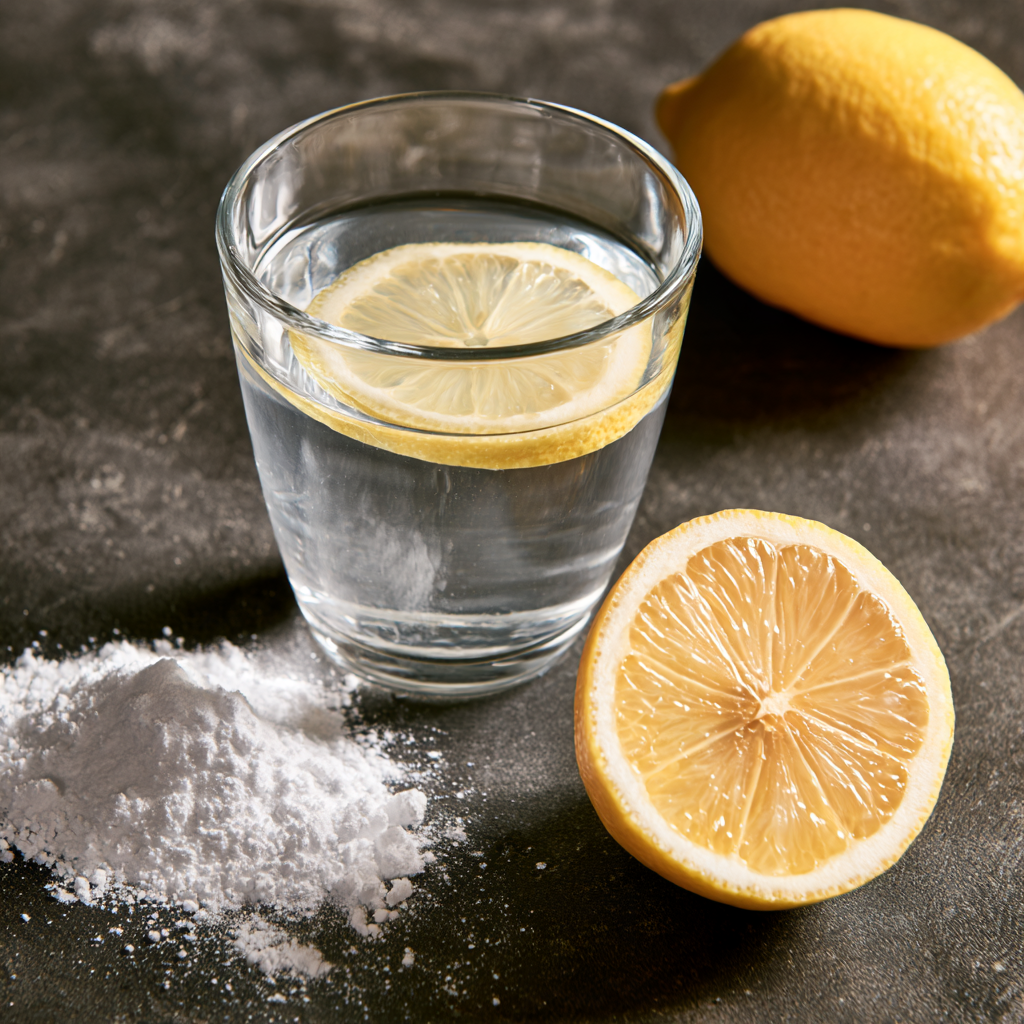
Baking Soda Recipe for Weight Loss
Equipment
- 1 drinking glass
- 1 Measuring cup
- 1 measuring spoon
- 1 Stirring spoon
- 1 Citrus juicer (optional)
Ingredients
- 12 ounces 1 1/2 cups drinking water, cool or room temperature
- 1/8 teaspoon food-grade baking soda sodium bicarbonate
- 2 teaspoons freshly squeezed lemon juice optional
- 2 thin cucumber slices optional, for flavor
Instructions
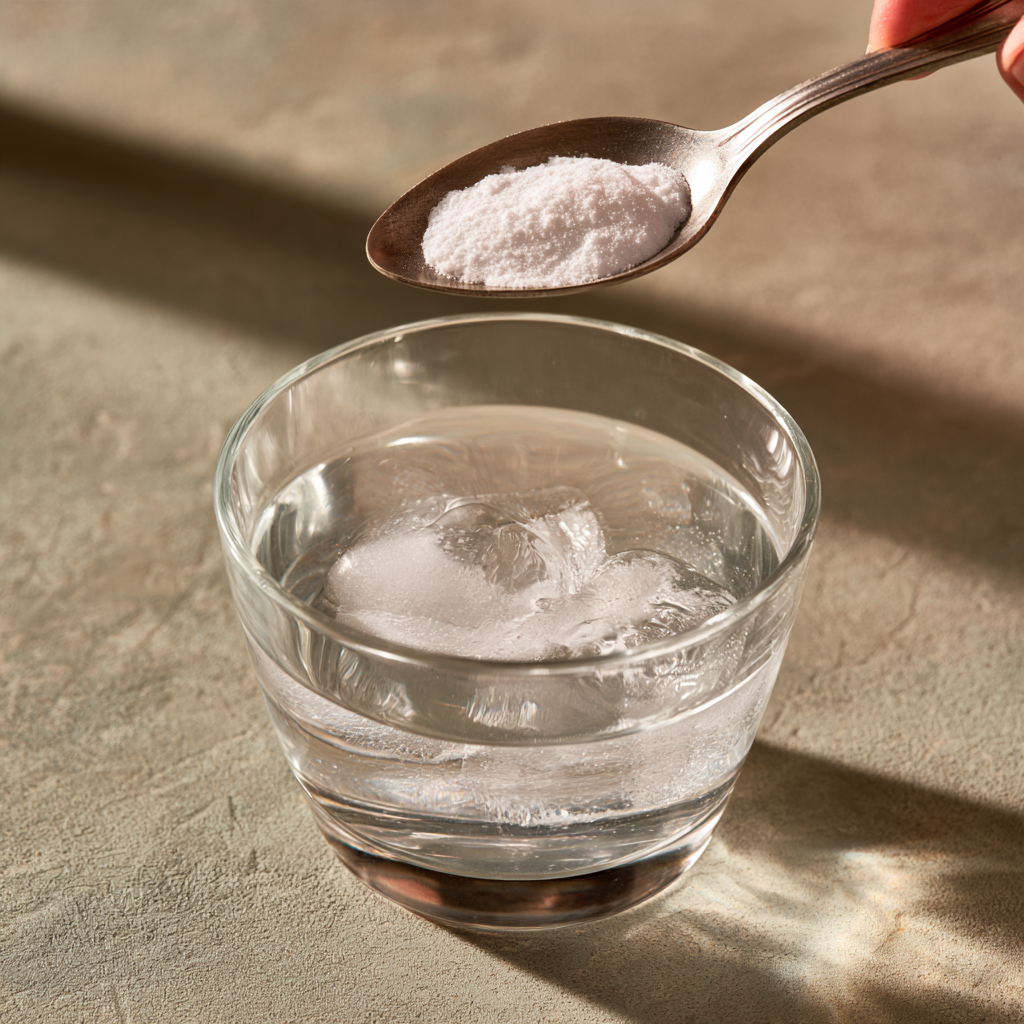
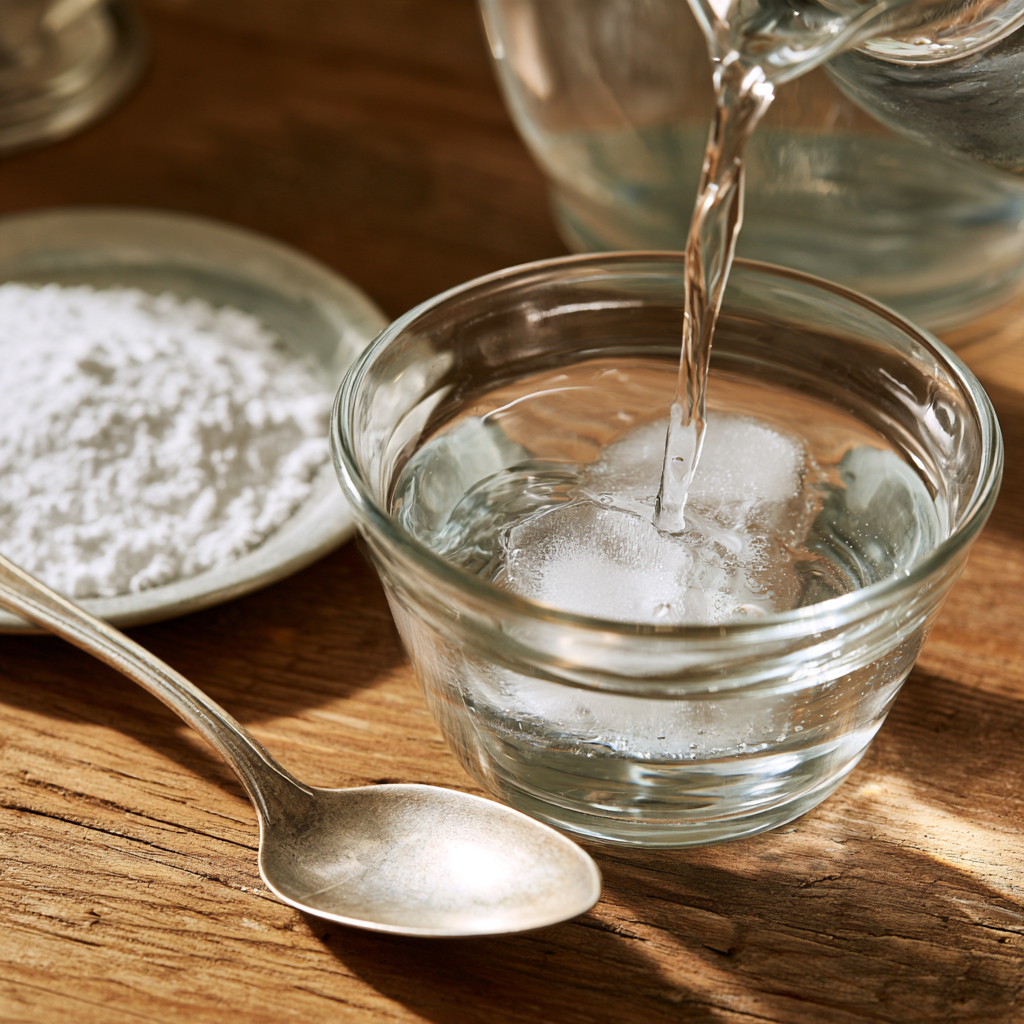
- Pour the water into a clean drinking glass. Use cool or room-temperature water.
- Measure the baking soda carefully. Add 1/8 teaspoon of food-grade baking soda to the water.
- Stir gently with a spoon until the baking soda has completely dissolved and no visible powder remains.
- If using lemon juice, add it slowly. The mixture may fizz as the lemon’s acidity reacts with the baking soda.
- Allow the fizzing to settle completely before adding any optional cucumber slices.
- The mixture is now prepared. This is an informational recreation of a viral drink, not a recommended weight-loss treatment. There is no established effective or safe baking soda dose for weight loss, and routine consumption is not recommended.
Notes
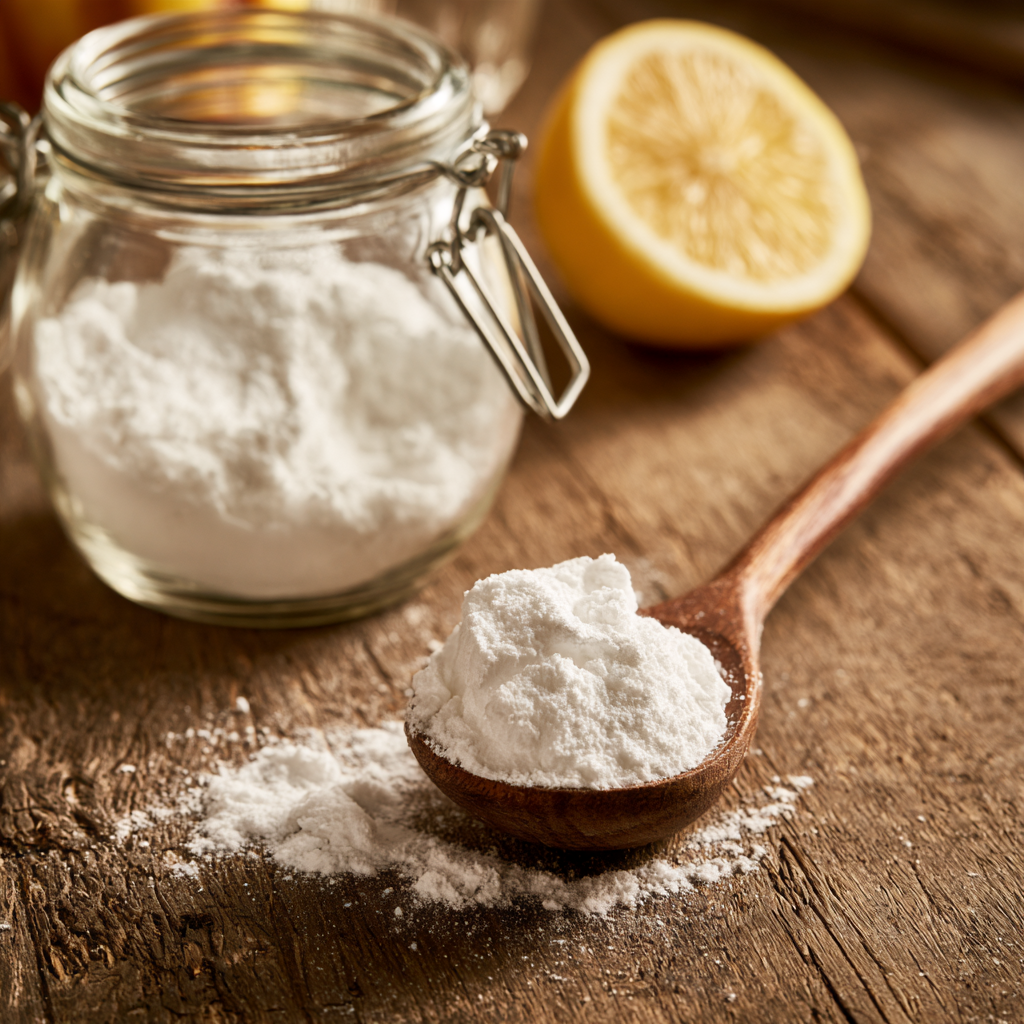
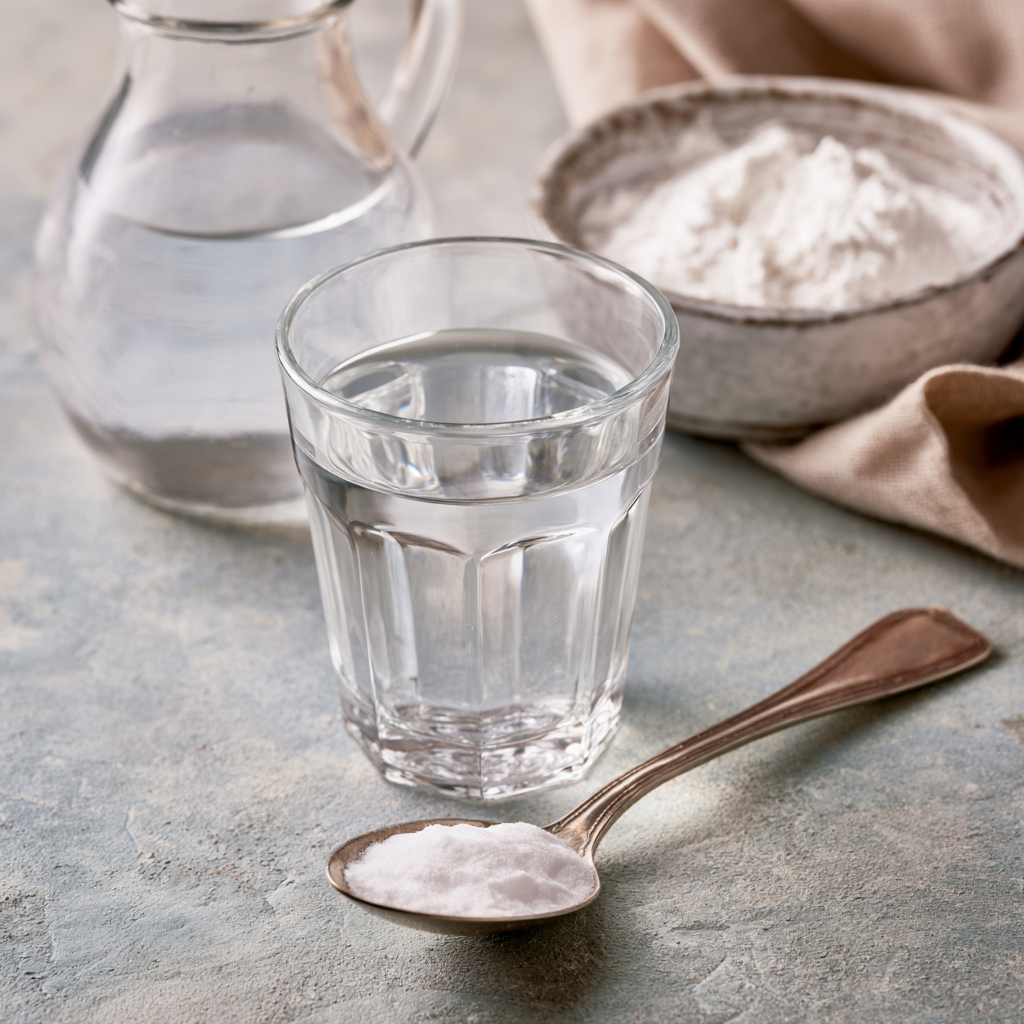
- Health Benefits of the Baking Soda Recipe for Weight Loss: What Does Science Say?
- Potential Benefits of the Ingredients
- 1. May Support Hydration Through Water Intake
- 2. Baking Soda Has Acid-Neutralizing Properties
- 3. Lemon Juice Adds Flavor and a Small Amount of Vitamin C
- 4. A Low-Calorie Alternative to Sugary Beverages
- 5. Does Baking Soda Boost Metabolism or Burn Belly Fat?
- 6. Does Baking Soda Help Detoxify the Body?
- Potential Side Effects and Health Risks
- Is the Baking Soda Recipe for Weight Loss Actually Healthy?
- Final Thoughts
- What Is the Viral Baking Soda Recipe for Weight Loss?
- Baking Soda and Apple Cider Vinegar for Weight Loss: Ingredients
- Ingredients for the Viral Baking Soda and Apple Cider Vinegar Drink
- Understanding the Main Ingredients
- How to Make Baking Soda and Apple Cider Vinegar for Weight Loss
- Does Baking Soda and Apple Cider Vinegar Help With Weight Loss?
- What Science Says About Baking Soda and Apple Cider Vinegar
- 1. Can Apple Cider Vinegar Help Reduce Body Weight?
- 2. Does Baking Soda Burn Fat?
- 3. What Happens When You Mix Baking Soda and Apple Cider Vinegar?
- 4. Can This Mixture Help You Lose Belly Fat?
- 5. Is It Better to Drink the Mixture in the Morning or Before Bed?
- 6. What Are the Potential Health Risks?
- 7. What Is a Better Alternative for Weight Management?
- Final Verdict: Does Baking Soda and Apple Cider Vinegar Really Work?
- Baking Soda Ginger and Lemon for Weight Loss: Ingredients, Instructions, and Benefits
- FAQs: Baking Soda Recipe for Weight Loss
Health Benefits of the Baking Soda Recipe for Weight Loss: What Does Science Say?
The Baking Soda Recipe for Weight Loss has gained popularity as a homemade drink made with water, baking soda (sodium bicarbonate), and sometimes fresh lemon juice. Supporters of this viral trend often claim that it can burn belly fat, improve digestion, detoxify the body, and accelerate weight loss. However, it is important to distinguish between the actual properties of these ingredients and the health claims circulating online.
There is no reliable scientific evidence that drinking baking soda causes meaningful weight loss or directly burns body fat. While some ingredients in the recipe have specific properties, those effects should not be confused with proven weight-management benefits.
Potential Benefits of the Ingredients
| Ingredient or Property | Potential Benefit | What You Should Know |
|---|---|---|
| Water | Supports hydration and normal bodily functions. | Drinking enough water is important for general health, but adding baking soda does not make water more effective for burning fat. |
| Baking Soda (Sodium Bicarbonate) | Can neutralize stomach acid and is used as an active ingredient in certain antacid products. | This property does not establish a weight-loss benefit. Drinking homemade baking soda mixtures is not equivalent to following an approved antacid’s instructions. |
| Fresh Lemon Juice | Provides a small amount of vitamin C and natural citrus flavor. | The quantity used in this recipe contributes only a little vitamin C and has no proven fat-burning effect. |
| Low-Calorie Ingredients | The mixture contains very few calories when prepared without sugar or sweeteners. | Replacing a high-calorie, sugar-sweetened beverage with plain or lemon-flavored water may help reduce calorie intake. Baking soda itself offers no demonstrated advantage. |
| No Added Sugar | Can be prepared without added sugar. | This may be useful for people reducing sugary drinks, but plain water provides the same advantage without added sodium bicarbonate. |
| Hydration and Normal Digestion | Adequate hydration helps support normal digestive function. | Claims that baking soda improves digestion for everyone are unsupported. It may also cause gas, bloating, or discomfort. |
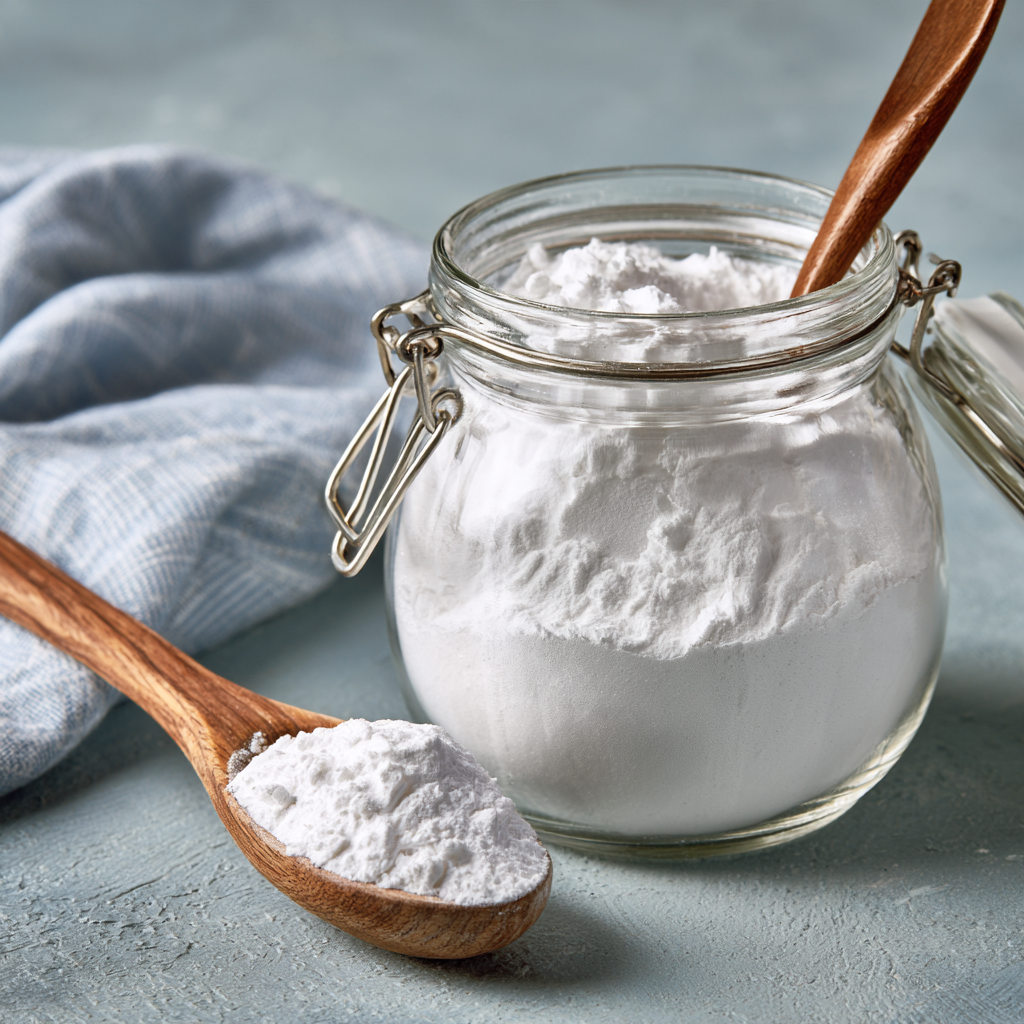
1. May Support Hydration Through Water Intake
One of the simplest benefits associated with this beverage comes from its main ingredient: water.
Proper hydration is essential for several important bodily processes, including regulating body temperature, transporting nutrients, and maintaining normal kidney and digestive function.
Drinking water instead of sugary sodas or other high-calorie beverages can also be a practical habit for people trying to manage their calorie intake.
However, the hydration benefits come from the water itself, not from adding baking soda. Plain water or water flavored with fresh lemon is generally a more appropriate everyday choice.
2. Baking Soda Has Acid-Neutralizing Properties
Baking soda is chemically known as sodium bicarbonate. It is an alkaline substance that can react with and neutralize acids.
This explains why sodium bicarbonate is sometimes found in antacid medications intended to provide temporary relief from certain symptoms of excess stomach acid.
However, the presence of this property does not mean that baking soda is suitable for daily consumption or that it improves long-term digestive health.
Additionally, mixing baking soda with lemon juice causes an acid-base reaction that releases carbon dioxide gas. The amount of remaining bicarbonate depends on the ingredients and proportions used.
Important: Acid neutralization is not the same as fat burning, and baking soda should not be used as an improvised weight-loss or digestive treatment.
3. Lemon Juice Adds Flavor and a Small Amount of Vitamin C
Fresh lemon juice is a popular addition to the Baking Soda Recipe for Weight Loss because it provides a refreshing citrus flavor.
Lemons naturally contain vitamin C, an essential nutrient that contributes to normal immune function, collagen production, and antioxidant protection.
However, the small amount of lemon juice used in a single serving provides only a modest nutritional contribution.
Lemon juice can make drinking plain water more enjoyable, but neither lemon nor baking soda has been shown to directly dissolve body fat or target abdominal fat.
For an everyday refreshing drink, lemon water without baking soda offers the citrus flavor without adding unnecessary sodium.
4. A Low-Calorie Alternative to Sugary Beverages
The viral baking soda drink contains very few calories when prepared using water, baking soda, and unsweetened lemon juice.
From a nutritional perspective, choosing low-calorie beverages instead of sugar-sweetened drinks may help reduce overall energy intake.
For example, replacing a sugary beverage with water can eliminate the added sugar and calories that would otherwise be consumed.
However, the same benefit can be achieved with plain water, sparkling water without added sugar, or unsweetened lemon water.
The presence of baking soda does not make the beverage more effective for weight management.
5. Does Baking Soda Boost Metabolism or Burn Belly Fat?
One of the most common claims surrounding the Baking Soda Recipe for Weight Loss is that it can accelerate metabolism and help the body burn stored fat.
Current scientific evidence does not support these claims.
There is no established evidence that drinking baking soda:
- Speeds up metabolism in a way that produces meaningful weight loss.
- Burns belly fat or targets stubborn abdominal fat.
- Prevents the absorption of calories from meals.
- Removes stored fat through a detoxification process.
- Produces sustainable weight reduction.
Another common misconception is that drinking alkaline substances changes the body’s pH and creates an environment that encourages fat loss.
In reality, the body maintains blood pH within a narrow range through tightly regulated processes involving the lungs, kidneys, and other buffering systems. Drinking baking soda is not a proven or appropriate method for manipulating these processes to lose weight.
6. Does Baking Soda Help Detoxify the Body?
The word detox is frequently used when promoting homemade wellness drinks, including combinations of baking soda, lemon juice, and water.
However, the human body already has specialized organs responsible for processing and removing metabolic waste.
The liver and kidneys perform essential functions in these processes, and there is no reliable evidence that this homemade baking soda beverage improves their natural detoxification activity.
In fact, excessive sodium bicarbonate consumption can be harmful, particularly for individuals with impaired kidney function or certain underlying medical conditions.
For most people, healthy hydration, balanced nutrition, and appropriate medical care are more meaningful ways to support normal bodily function than following unproven detox trends.
Potential Side Effects and Health Risks
Although baking soda is a familiar household ingredient, it should not automatically be considered safe to drink regularly.
| Potential Risk | Explanation |
|---|---|
| High sodium intake | Baking soda contributes sodium, which may be unsuitable for people with high blood pressure, certain heart or kidney conditions, or sodium restrictions. |
| Gas and bloating | Sodium bicarbonate reacts with acids and can produce carbon dioxide gas, causing belching, abdominal pressure, or discomfort. |
| Nausea and stomach irritation | Consuming baking soda mixtures may cause digestive symptoms, especially in excessive quantities. |
| Electrolyte disturbances | Excessive sodium bicarbonate intake can disrupt normal electrolyte levels. |
| Metabolic alkalosis | Large or repeated amounts can raise blood bicarbonate excessively, potentially causing a serious medical condition. |
| Medication interactions | Sodium bicarbonate can alter how certain medications are absorbed or eliminated. |
| Fluid retention | Additional sodium may contribute to fluid retention in susceptible individuals. |
People who are pregnant or breastfeeding, take regular medications, have kidney or heart conditions, or follow sodium-restricted diets should seek professional medical advice before intentionally consuming baking soda as a beverage.
Is the Baking Soda Recipe for Weight Loss Actually Healthy?
The answer depends on what is meant by healthy.
Water is essential for hydration, and fresh lemon juice can provide flavor and a small amount of vitamin C. However, these ingredients do not require baking soda to provide their ordinary nutritional benefits.
Baking soda has legitimate culinary and medical applications, but these uses should not be confused with drinking it as a homemade weight-loss remedy.
The main concern is that the recipe may encourage people to consume sodium bicarbonate regularly without a demonstrated benefit, while exposing them to avoidable health risks.
Final Thoughts
The Baking Soda Recipe for Weight Loss is an example of how a simple homemade drink can become a viral wellness trend despite limited scientific support.
Although the beverage contains water and may include fresh lemon juice, its popularity should not be interpreted as evidence that it burns fat, boosts metabolism, or detoxifies the body.
For weight management, there is no demonstrated advantage to adding baking soda to drinking water. Replacing sugary beverages with plain water or unsweetened lemon water is a more practical approach.
Long-term weight management is better supported by balanced meals, sufficient protein and fiber, regular physical activity, adequate sleep, and sustainable habits that fit individual needs.
Medical Disclaimer: This information is intended for educational purposes only and does not constitute medical advice. Baking soda beverages are not proven weight-loss treatments. Consult a qualified healthcare professional before using sodium bicarbonate for health-related purposes.
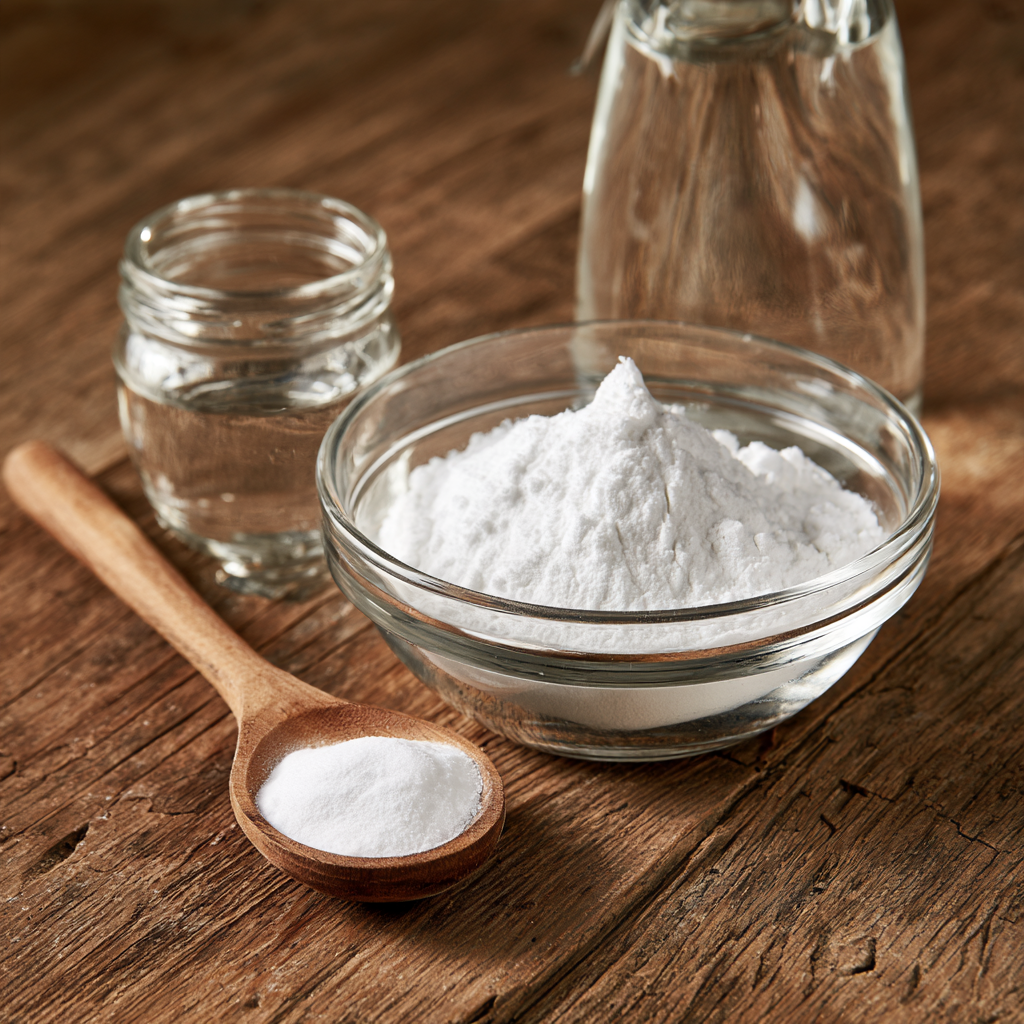
What Is the Viral Baking Soda Recipe for Weight Loss?
The Viral Baking Soda Recipe for Weight Loss is a homemade drink that has gained attention on social media platforms such as TikTok, Instagram, and YouTube. Often promoted as the baking soda weight loss trick or baking soda water hack, this trend involves mixing a small amount of baking soda (sodium bicarbonate) with drinking water. Some popular variations also include fresh lemon juice, apple cider vinegar, or other ingredients commonly associated with homemade wellness drinks.
The recipe’s popularity comes from its simplicity, affordability, and the belief that everyday kitchen ingredients can help support weight management. Many online videos suggest that drinking baking soda water may reduce belly fat, improve digestion, increase metabolism, or help the body become more alkaline.
However, these weight-loss claims are not supported by reliable scientific evidence. Although baking soda has well-established uses in cooking and certain medical products, drinking it has not been shown to burn stored body fat or produce meaningful, sustainable weight loss.
What Ingredients Are Used in the Viral Baking Soda Drink?
Most versions of this viral beverage contain just two or three ingredients.
| Ingredient | Role in the Viral Recipe |
|---|---|
| Baking Soda (Sodium Bicarbonate) | The main ingredient associated with the viral trend. It has acid-neutralizing properties but no proven fat-burning effects. |
| Water | Serves as the liquid base and supports normal hydration. |
| Fresh Lemon Juice | Adds citrus flavor and acidity. When combined with baking soda, it creates a fizzing chemical reaction. |
| Apple Cider Vinegar (Optional) | Appears in some online variations, adding a strong acidic flavor. It does not make the drink a proven weight-loss treatment. |
| Cucumber or Fresh Mint (Optional) | Sometimes added for a refreshing flavor and aroma. |
The ingredients are inexpensive and widely available, which helps explain why the trend has spread so quickly.
Why Do People Believe Baking Soda Helps With Weight Loss?
The viral baking soda weight loss trend is largely based on three popular ideas.
1. The Alkaline Body Theory
Some supporters claim that baking soda makes the body more alkaline, creating conditions that encourage fat burning.
However, the human body already regulates blood pH through complex physiological processes, particularly involving the lungs and kidneys. Drinking baking soda does not provide a scientifically established method of changing body pH to promote weight loss.
2. Improved Digestion
Baking soda can neutralize stomach acid, which explains its use in certain antacid products. This property has sometimes been mistakenly presented as evidence that baking soda helps the body digest food more efficiently and lose weight.
In reality, neutralizing stomach acid does not directly increase fat burning. Baking soda beverages may also cause gas, bloating, nausea, and other digestive discomfort.
3. The Detox and Belly Fat Claims
Another common claim is that baking soda helps flush toxins from the body and eliminate stubborn belly fat.
There is no reliable clinical evidence supporting these claims. The liver and kidneys already play essential roles in processing and removing waste, and consuming baking soda has not been shown to improve these functions or specifically reduce abdominal fat.
How Did the Baking Soda Weight Loss Trend Become Popular?
The exact origin of the viral baking soda recipe is difficult to establish because similar homemade mixtures have circulated online for years.
Its recent popularity reflects a broader social media trend involving simple wellness drinks made with familiar household ingredients. These recipes often attract attention because they promise convenient results without complicated preparation or expensive products.
Short videos, dramatic before-and-after claims, and catchy phrases such as baking soda trick for belly fat have helped spread the idea.
However, the popularity of a recipe does not establish its effectiveness. Personal testimonials and viral videos cannot replace properly conducted scientific studies.
Is the Viral Baking Soda Recipe Safe to Drink?
Baking soda is safe for its intended culinary uses, but that does not mean regular consumption in homemade drinks is appropriate for everyone.
Sodium bicarbonate contains substantial sodium. Excessive consumption can cause digestive discomfort, electrolyte disturbances, and potentially serious metabolic alkalosis.
People with high blood pressure, heart disease, kidney problems, or sodium-restricted diets may face additional risks. Baking soda can also interact with certain medications.
There is no established safe or effective baking soda dosage for weight loss, and the drink should not be used as a daily fat-burning routine.
The Bottom Line
The Viral Baking Soda Recipe for Weight Loss is best understood as a social media wellness trend rather than a scientifically validated weight-loss method.
Although its ingredients are inexpensive and easy to combine, there is no reliable evidence that the resulting beverage accelerates metabolism, burns belly fat, or produces lasting weight reduction.
For people looking for a simple, refreshing, low-calorie drink, plain water or unsweetened lemon water is a more practical everyday alternative that provides hydration without unnecessary sodium bicarbonate.
Ultimately, sustainable weight management depends on consistent nutritional habits, appropriate physical activity, adequate sleep, and an overall approach suited to individual health needs.
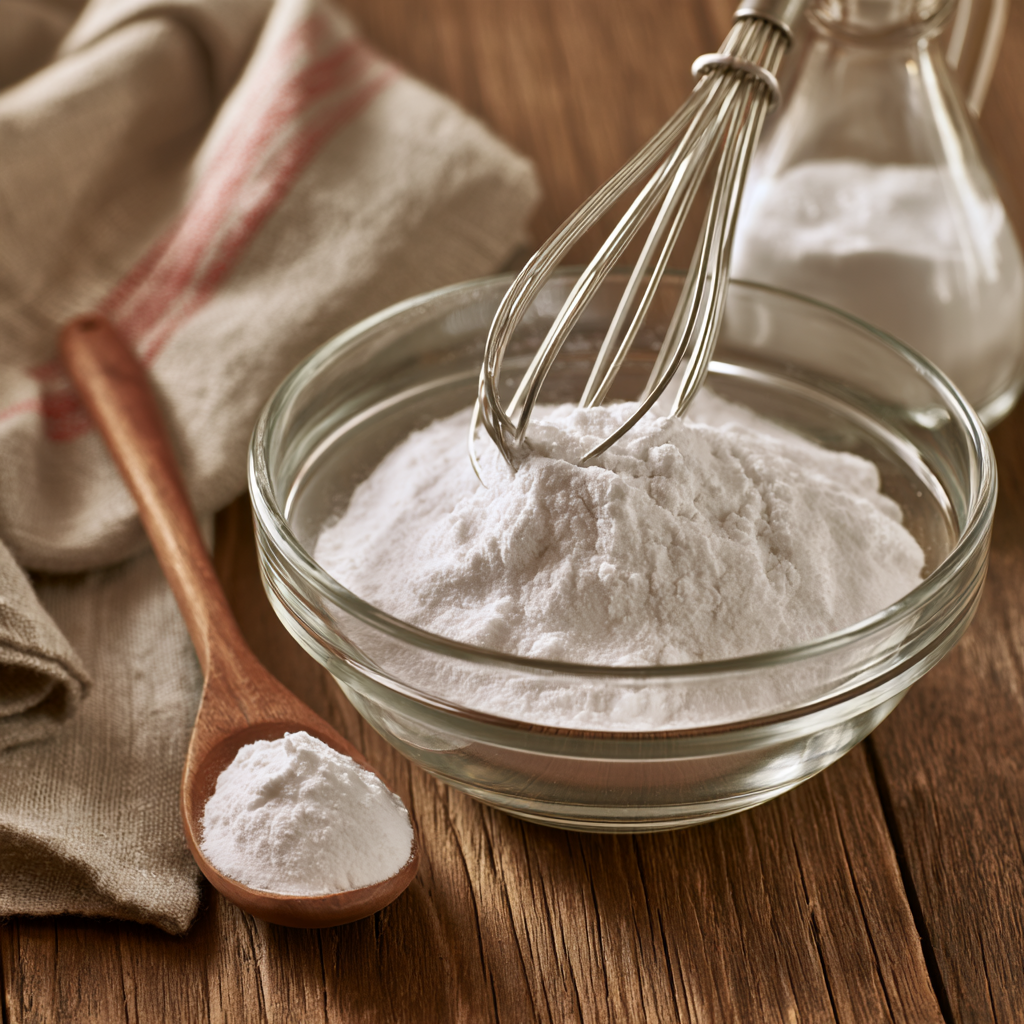
Baking Soda and Apple Cider Vinegar for Weight Loss: Ingredients
The Baking Soda and Apple Cider Vinegar for Weight Loss recipe is one of the homemade drink combinations attracting attention across social media. It brings together two familiar kitchen ingredients: apple cider vinegar, known for its sharp, tangy flavor, and baking soda, which creates a bubbling reaction when mixed with acidic liquids.
Although some online posts describe this mixture as a belly-fat-burning drink, there is no reliable scientific evidence that combining these ingredients produces meaningful weight loss. The preparation below explains how the viral mixture is made for informational purposes, rather than recommending it as a weight-loss remedy.
Ingredients for the Viral Baking Soda and Apple Cider Vinegar Drink
| Ingredient | Amount | Purpose |
|---|---|---|
| Drinking water | 1½ cups (12 fl oz / 355 ml) | Dilutes the mixture and provides the liquid base. |
| Apple cider vinegar (5% acidity) | 1 tablespoon (15 ml) | Adds a distinctive tart flavor and reacts with baking soda. |
| Food-grade baking soda | ⅛ teaspoon | Creates the characteristic fizzing reaction. This is a demonstration quantity, not a recommended weight-loss dose. |
| Ice cubes (optional) | 2–3 | Chill the mixture. |
| Fresh cucumber slices (optional) | 2 thin slices | Add a refreshing flavor. |
| Fresh mint (optional) | 2 leaves | Adds a light herbal aroma. |
Understanding the Main Ingredients
Apple Cider Vinegar
Apple cider vinegar is produced through the fermentation of apple-derived sugars, which ultimately produces acetic acid. It is commonly used in salad dressings, marinades, pickles, and other recipes.
Some small clinical studies have investigated whether apple cider vinegar affects body weight or certain metabolic measurements. However, the available findings are not strong enough to establish it as a reliable treatment for obesity or long-term weight management.
Baking Soda
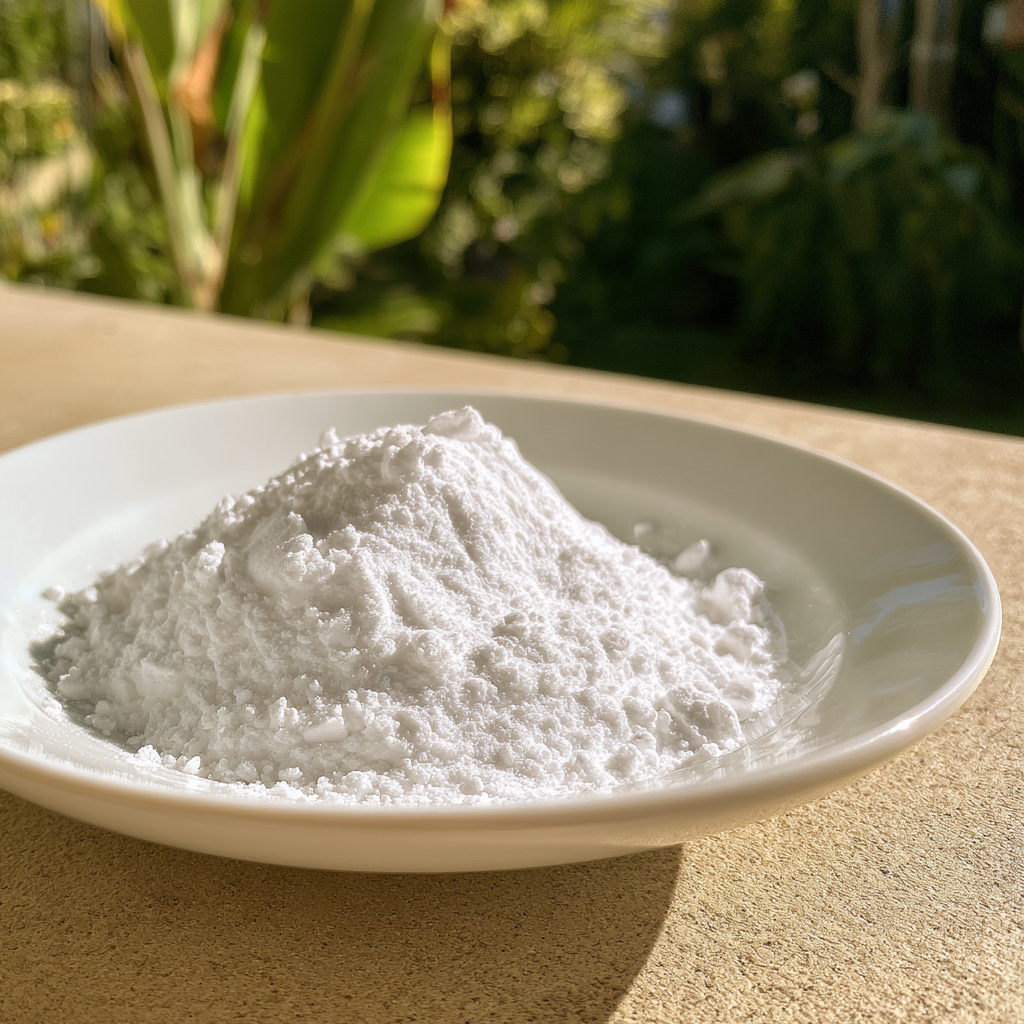
Baking soda, also called sodium bicarbonate, is a white alkaline powder frequently used in baking.
When combined with an acidic ingredient such as apple cider vinegar, it produces a chemical reaction that releases carbon dioxide gas, creating visible bubbles.
This reaction is often highlighted in viral videos. However, the fizzing does not indicate that the mixture is burning calories, dissolving fat, or detoxifying the body.
Water
Water makes up most of the mixture and helps dilute the vinegar.
Water supports normal hydration and contains no calories. However, adding baking soda does not increase water’s ability to promote fat loss.
How to Make Baking Soda and Apple Cider Vinegar for Weight Loss
This preparation illustrates the viral combination in an open glass. It should not be interpreted as a medically recommended drink or a daily weight-loss routine.
Step 1: Prepare the Water
Pour 1½ cups of drinking water into a clean, large glass with enough extra space to accommodate the bubbling reaction.
Cool or room-temperature water works well. Avoid using a sealed bottle or tightly closed container, because the reaction between vinegar and baking soda releases gas.
Step 2: Add the Apple Cider Vinegar
Measure 1 tablespoon of apple cider vinegar and add it to the water.
Stir gently to distribute the vinegar throughout the liquid.
The diluted vinegar will have a lightly golden appearance and a distinct tart aroma.
Step 3: Add the Baking Soda Carefully
Measure ⅛ teaspoon of food-grade baking soda.
Slowly sprinkle it into the diluted vinegar while the glass remains open.
You will notice bubbles forming as the baking soda reacts with the acetic acid in the vinegar.
Do not increase the amount of baking soda in an attempt to improve weight-loss results. Larger quantities increase potential health risks without providing established fat-burning benefits.
Step 4: Allow the Fizzing Reaction to Settle
Let the mixture stand uncovered until the visible bubbling has subsided.
The fizzing is caused by the release of carbon dioxide gas, not by any fat-burning process.
Do not shake the mixture in a closed bottle or store it in a sealed container while the reaction is occurring.
Step 5: Add Optional Flavorings
For presentation, add a couple of cucumber slices, fresh mint leaves, or ice cubes.
These ingredients provide a fresher appearance and aroma without changing the mixture into a scientifically supported weight-loss treatment.
Step 6: Understand the Finished Mixture
The finished mixture demonstrates a simple acid-base reaction between two common kitchen ingredients.
However, there is no established safe or effective dosage, timing, or frequency for using baking soda and apple cider vinegar together for weight loss.
Because intentional sodium bicarbonate consumption can pose health risks, this preparation should not become a daily wellness or weight-loss habit.
For a more suitable everyday beverage, skip the baking soda entirely and choose plain water, unsweetened lemon water, or another refreshing homemade drink.
Does Baking Soda and Apple Cider Vinegar Help With Weight Loss?
There is no convincing scientific evidence that mixing baking soda and apple cider vinegar helps people lose body fat. Although apple cider vinegar has been investigated in several small weight-management studies, the evidence remains limited, and adding baking soda has not been shown to improve the results.
The popularity of this mixture is largely driven by social media claims suggesting that it can burn belly fat, increase metabolism, control appetite, and help the body eliminate toxins.
But what does the research actually tell us?
What Science Says About Baking Soda and Apple Cider Vinegar
| Popular Claim | Scientific Evidence | Verdict |
|---|---|---|
| Burns belly fat | No reliable clinical evidence demonstrates that the combination specifically reduces abdominal fat. | Not supported |
| Speeds up metabolism | There is no convincing evidence that drinking this mixture increases metabolic rate enough to cause meaningful weight loss. | Not proven |
| Suppresses appetite | Limited research has explored vinegar and appetite, but sustained appetite control has not been established. | Insufficient evidence |
| Makes the body more alkaline | Blood pH is tightly regulated by the body. Consuming alkaline substances does not provide a proven weight-loss benefit. | Misleading claim |
| Detoxifies the body | No reliable evidence shows that this mixture improves the liver’s or kidneys’ natural waste-processing functions. | Not supported |
| Helps with weight management | Some small studies of apple cider vinegar alone suggest possible short-term effects, but results are uncertain and do not establish benefits for this combination. | Limited evidence |
| Supports hydration | The water provides hydration, but baking soda offers no demonstrated additional weight-loss advantage. | Benefit comes from water |
1. Can Apple Cider Vinegar Help Reduce Body Weight?
Apple cider vinegar has received attention because its main acidic component, acetic acid, has been investigated for possible effects on appetite, blood glucose responses, and body weight.
Some small clinical trials have reported modest changes in weight or other measurements after vinegar consumption. However, results vary, and many studies have limitations involving participant numbers, duration, methodology, or potential bias.
An important development occurred in September 2025, when a widely discussed 2024 clinical trial reporting substantial weight-loss benefits from apple cider vinegar was retracted because of concerns about data reliability and the inability to reproduce its analyses.
This matters because some published research summaries included that study, making their conclusions worth interpreting cautiously.
Overall, apple cider vinegar should not be presented as a proven or independently effective weight-loss treatment.
2. Does Baking Soda Burn Fat?
Baking soda does not have scientifically established fat-burning properties.
Its best-known chemical characteristic is its ability to neutralize acids. This is why sodium bicarbonate appears in certain antacid products and is used as a leavening agent in baking.
However, acid neutralization and fat metabolism are entirely different biological processes.
The body does not burn additional stored fat simply because someone consumes an alkaline substance.
Furthermore, consuming too much sodium bicarbonate can lead to nausea, gas, electrolyte disturbances, and potentially dangerous changes in the body’s acid-base balance.
3. What Happens When You Mix Baking Soda and Apple Cider Vinegar?
When baking soda and apple cider vinegar are combined, a chemical reaction occurs.
Apple cider vinegar contains acetic acid, while baking soda contains sodium bicarbonate.
As the two ingredients react, they produce sodium acetate, water, and carbon dioxide gas.
The carbon dioxide is responsible for the bubbles that make this mixture visually interesting.
However, this reaction also means that some of the vinegar’s acidity is neutralized by the baking soda.
There is no evidence that this chemical combination creates a new substance capable of accelerating fat loss or improving metabolism.
The bubbles are simply a chemical reaction, not evidence that the drink is working as a weight-loss treatment.
4. Can This Mixture Help You Lose Belly Fat?
Belly fat is one of the most common concerns associated with viral weight-loss drinks.
Online claims sometimes suggest that combining baking soda and apple cider vinegar can target stubborn abdominal fat.
Unfortunately, there is no reliable evidence supporting this idea.
The body cannot be instructed to burn fat from one specific area simply by drinking a particular beverage.
Changes in abdominal fat generally result from broader changes in overall body composition, influenced by nutrition, physical activity, genetics, sleep, and other health factors.
A beverage containing baking soda and vinegar has not been demonstrated to override these processes.
5. Is It Better to Drink the Mixture in the Morning or Before Bed?
Some versions of the trend recommend drinking baking soda and apple cider vinegar first thing in the morning, before meals, or immediately before bedtime.
However, there is no scientific evidence establishing an optimal time to consume this mixture for weight loss.
Drinking acidic beverages may cause heartburn or digestive discomfort in susceptible individuals, while sodium bicarbonate adds sodium and may interact with certain medications.
For these reasons, establishing a morning or nighttime routine around this mixture is not recommended.
6. What Are the Potential Health Risks?
Despite being made with common ingredients, the mixture is not automatically harmless.
Possible risks include:
- Excess sodium: Baking soda can increase sodium intake, which may be problematic for people with high blood pressure, kidney disease, or heart conditions.
- Digestive discomfort: The acid-base reaction releases carbon dioxide, which can contribute to gas, belching, and bloating.
- Tooth enamel erosion: Acidic vinegar mixtures can weaken tooth enamel, particularly with repeated exposure.
- Electrolyte disturbances: Excessive bicarbonate consumption can disrupt normal electrolyte and acid-base balance.
- Medication interactions: Apple cider vinegar and sodium bicarbonate may affect certain medications, including some treatments for diabetes and blood pressure.
- Metabolic alkalosis: Excessive sodium bicarbonate intake can cause a potentially serious increase in blood alkalinity.
Anyone who is pregnant, breastfeeding, taking medication, or managing a chronic health condition should consult a qualified healthcare professional before intentionally consuming baking soda as a beverage.
7. What Is a Better Alternative for Weight Management?
If you are interested in the viral baking soda and apple cider vinegar drink because you want a simple homemade beverage, there are other options that provide hydration without requiring added sodium bicarbonate.
One alternative is our 3 Ingredient Lemon and Chia Water, which combines water, fresh lemon juice, and chia seeds.
Unlike baking soda, chia seeds provide dietary fiber along with small amounts of protein and unsaturated fats.
For another option, try our 3 Ingredient Apple Spinach Smoothie, made with apple, spinach, and almond milk. It provides more nutrients than a mixture of baking soda and vinegar.
Neither drink is a magic weight-loss solution, but both can fit into a balanced eating pattern depending on individual nutritional needs.
Final Verdict: Does Baking Soda and Apple Cider Vinegar Really Work?
The Baking Soda and Apple Cider Vinegar for Weight Loss trend may be appealing because it is inexpensive, simple, and widely discussed online.
However, the evidence does not support claims that this combination burns belly fat, speeds metabolism, detoxifies the body, or causes rapid weight loss.
Research into apple cider vinegar alone remains limited, and the addition of baking soda has not been shown to make it a more effective weight-management tool.
For sustainable results, focus on a balanced dietary pattern, appropriate portion sizes, regular physical activity, adequate sleep, and habits that are realistic to maintain over time.
The bottom line: Baking soda and apple cider vinegar may create an impressive fizzing reaction, but they do not create a scientifically proven shortcut to weight loss.
Health Disclaimer: This information is provided for educational purposes only and should not replace professional medical advice. Do not use baking soda and apple cider vinegar mixtures as a weight-loss treatment.
Baking Soda Ginger and Lemon for Weight Loss: Ingredients, Instructions, and Benefits
The Baking Soda Ginger and Lemon for Weight Loss recipe is another popular variation of the viral baking soda drink trend. Combining the spicy warmth of fresh ginger, the bright citrus flavor of lemon, and the fizzing reaction of baking soda, this homemade mixture has attracted attention among people searching for simple weight-loss drinks.
At first glance, the ingredients seem promising. Ginger has a long history of culinary use and has been studied for its possible effects on digestion and metabolic health. Lemon provides vitamin C and refreshing acidity, while baking soda is widely known for its ability to neutralize acids.
However, there is no reliable scientific evidence that combining baking soda, ginger, and lemon produces meaningful weight loss or burns belly fat. The mixture is best understood as a viral kitchen trend rather than an established weight-management treatment.
If you enjoy the bold combination of ginger and citrus, our Ginger Shot Recipe offers another way to explore these flavors without relying on baking soda.
Ingredients for Baking Soda Ginger and Lemon
This ingredient list describes a commonly circulated version of the viral mixture. The baking soda quantity is included to illustrate the preparation, not as a recommended or proven weight-loss dose.
| Ingredient | Amount | Purpose |
|---|---|---|
| Drinking water | 1½ cups (12 fl oz / 355 ml) | Provides the liquid base. |
| Fresh ginger | 1 teaspoon, finely grated | Adds a warm, spicy flavor and ginger’s naturally occurring plant compounds. |
| Fresh lemon juice | 1 tablespoon | Adds citrus flavor and acidity. |
| Food-grade baking soda | ⅛ teaspoon | Produces fizzing when combined with lemon juice; has no proven fat-burning benefit. |
| Fresh mint (optional) | 2–3 leaves | Adds a refreshing herbal aroma. |
| Lemon slices (optional) | 1–2 thin slices | Adds visual appeal and extra citrus aroma. |
How to Prepare Baking Soda Ginger and Lemon
The following steps explain how this trending mixture is prepared. Because it contains sodium bicarbonate, it should not be adopted as a daily drinking or weight-loss routine.
Step 1: Prepare the Fresh Ginger
Wash a small piece of ginger root thoroughly. Peel it if desired, then finely grate enough to measure approximately 1 teaspoon.
Fresh ginger has a strong, peppery aroma and gives the mixture its characteristic warming flavor. Grating it finely helps release its flavor into the water.
Step 2: Infuse the Ginger
Pour the water into a heat-resistant glass or cup and add the freshly grated ginger.
For a stronger ginger flavor, use warm water and allow the ginger to steep for approximately 5 minutes. Let the mixture cool before proceeding.
You can strain out the ginger pulp if you prefer a smoother texture.
Step 3: Add the Lemon Juice
Squeeze a fresh lemon and measure 1 tablespoon of juice.
Add the lemon juice to the ginger-infused water and stir gently.
At this point, the mixture is already a simple ginger-lemon beverage that can be enjoyed without adding baking soda.
Step 4: Understand the Baking Soda Reaction
In the viral version, a small amount of food-grade baking soda is added to the ginger-lemon mixture.
The baking soda reacts with the lemon’s citric acid, releasing carbon dioxide gas and creating visible bubbles.
This fizzing reaction may look impressive, but it does not indicate fat burning or metabolic activity. Adding more baking soda will not improve weight-loss results and may increase health risks.
Never carry out this reaction inside a sealed bottle or container.
Step 5: Add Optional Flavorings
Fresh mint leaves or thin lemon slices can be added for presentation and aroma.
These additions enhance the appearance and flavor without changing the mixture’s lack of proven weight-loss effectiveness.
Step 6: Choose the Better Everyday Version
For a refreshing homemade ginger-lemon drink, the more practical option is to omit the baking soda entirely.
You can enjoy ginger-infused water with fresh lemon juice, served warm or chilled. This provides the flavor of the viral combination without unnecessary added sodium bicarbonate.
Does Baking Soda, Ginger, and Lemon Help With Weight Loss?
The short answer is that this combination has not been proven to cause significant weight loss.
Although researchers have investigated ginger for its potential effects on body weight and metabolic measurements, the results remain uncertain. Studies examining ginger supplements cannot automatically be applied to a homemade drink containing small amounts of ginger.
Additionally, there is no convincing scientific evidence that baking soda improves ginger’s effects or helps the body burn stored fat.
Here is what each ingredient actually contributes.
| Ingredient | Potential Benefit | Weight-Loss Evidence |
|---|---|---|
| Ginger | Contains gingerols and related plant compounds; has been studied for digestive and metabolic effects. | Some studies report modest effects, but findings are inconsistent and often based on low-certainty evidence. |
| Lemon | Provides flavor and a small amount of vitamin C. | No reliable evidence that lemon juice directly burns body fat. |
| Baking Soda | Neutralizes acids and reacts with lemon juice to produce carbon dioxide. | No established weight-loss benefit. |
| Water | Supports hydration and can replace calorie-containing beverages. | Replacing sugary drinks with water may help reduce calorie intake. |
1. Ginger May Have Some Metabolic Effects
Ginger is perhaps the most scientifically interesting ingredient in this mixture.
It contains naturally occurring compounds, including gingerols and shogaols, which contribute to its characteristic flavor and have been investigated in nutritional research.
Some clinical studies have examined whether ginger supplementation affects body weight, waist circumference, appetite, and markers of metabolic health.
However, the results have been mixed. Certain analyses suggest small improvements in selected body measurements, while other research finds no meaningful effect on overall body weight or body mass index.
Furthermore, these investigations often use concentrated ginger preparations rather than the small amount of fresh ginger included in a homemade beverage.
Therefore, ginger should not be presented as a guaranteed metabolism booster or fat-burning ingredient.
2. Lemon Adds Freshness, Not Fat-Burning Power
Lemon juice brings an appealing brightness to this recipe and supplies a small amount of vitamin C.
It also helps balance ginger’s strong, spicy flavor.
Some viral wellness posts suggest that lemon juice dissolves abdominal fat or triggers detoxification. However, these claims are not supported by reliable scientific evidence.
The main practical advantage of adding lemon to water is that it makes an unsweetened drink more flavorful, which may encourage someone to choose it instead of a sugary beverage.
For another refreshing option, try our 3 Ingredient Lemon and Chia Water. Chia seeds contribute fiber and a different texture, making this a more nutritionally interesting alternative to baking soda water.
3. Baking Soda Does Not Burn Belly Fat
Baking soda, chemically known as sodium bicarbonate, is an alkaline compound commonly used in baking.
When it reacts with lemon juice, the mixture releases carbon dioxide gas.
This is the same basic reaction that helps certain baked goods rise when baking soda comes into contact with acidic ingredients.
However, producing bubbles in a glass is not evidence of fat burning inside the body.
There is no established biological mechanism supported by clinical evidence showing that drinking this mixture selectively eliminates abdominal fat.
The body also maintains blood pH within a narrow range through carefully regulated processes involving the kidneys, lungs, and other buffering systems.
Attempting to manipulate body pH through homemade baking soda drinks is neither a proven nor a recommended weight-loss strategy.
4. Can Ginger and Lemon Water Be Part of a Healthy Routine?
Yes. Ginger and lemon can be used to prepare a flavorful, unsweetened beverage without baking soda.
A simple combination of water, fresh ginger, and lemon juice can be an enjoyable alternative to sugar-sweetened drinks.
It can be served warm during cooler months or chilled over ice when the weather is hot.
However, it is important to keep expectations realistic.
Drinking ginger-lemon water does not replace balanced meals, regular exercise, sufficient sleep, or other evidence-based approaches to weight management.
If you prefer a more substantial morning drink, our 3 Ingredient Apple Spinach Smoothie combines fruit, vegetables, and unsweetened almond milk for a different nutritional profile.
5. What Is the Best Time to Drink Baking Soda, Ginger, and Lemon?
Some social media videos recommend consuming this mixture first thing in the morning, before breakfast, or at bedtime.
However, there is no scientific evidence establishing an effective time to consume baking soda, ginger, and lemon for weight loss.
The idea that taking it on an empty stomach accelerates fat burning is unproven.
In addition, consuming baking soda can cause digestive discomfort, and people with certain health conditions or medication regimens may face additional risks.
For those who simply enjoy ginger-lemon water without baking soda, the most suitable time is generally whenever it fits comfortably into their normal eating and hydration routine.
6. Are There Any Side Effects?
Despite being made from familiar kitchen ingredients, this viral combination is not necessarily suitable for regular consumption.
Potential concerns include:
- Excess sodium intake: Baking soda contributes sodium, which may be problematic for people with high blood pressure, heart disease, kidney conditions, or sodium restrictions.
- Gas and bloating: The reaction between baking soda and acids produces carbon dioxide, which may cause belching or abdominal discomfort.
- Stomach irritation: Ginger and citrus may worsen symptoms in some people with sensitive stomachs or acid reflux.
- Tooth enamel concerns: Frequent exposure to acidic beverages can contribute to enamel erosion.
- Medication interactions: Sodium bicarbonate can affect the absorption or elimination of certain medications.
- Electrolyte and acid-base disturbances: Excessive baking soda consumption may cause serious complications, including metabolic alkalosis.
People who are pregnant, breastfeeding, taking medication, or managing chronic medical conditions should consult a qualified healthcare professional before intentionally consuming sodium bicarbonate beverages.
Is Baking Soda Ginger and Lemon Better Than Plain Lemon Water?
Not for weight loss.
There is no evidence showing that adding baking soda to ginger-lemon water makes it more effective for burning fat, improving metabolic health, or managing body weight.
In fact, adding baking soda introduces sodium and potential side effects without a demonstrated nutritional advantage.
For most people looking for a refreshing, low-calorie homemade drink, ginger-lemon water without baking soda is the more practical choice.
Final Verdict
The Baking Soda Ginger and Lemon for Weight Loss trend combines ingredients that are inexpensive, familiar, and easy to prepare.
Ginger provides its characteristic spicy flavor, lemon contributes refreshing acidity, and baking soda creates the bubbling reaction that makes the mixture popular in short social media videos.
However, there is no convincing scientific evidence that these ingredients, when combined, accelerate metabolism, remove toxins, or burn belly fat.
For everyday hydration, enjoy ginger and lemon without baking soda. For lasting weight-management results, prioritize balanced nutrition, physical activity, sufficient sleep, and sustainable daily habits.
The bottom line: Ginger and lemon can make a delicious homemade drink, but adding baking soda does not turn it into a scientifically proven weight-loss remedy.
Medical Disclaimer: This section is intended for educational purposes only. Baking soda drinks are not proven weight-loss treatments, and excessive sodium bicarbonate consumption can be harmful. Consult a qualified healthcare professional before using sodium bicarbonate for health-related purposes.
FAQs: Baking Soda Recipe for Weight Loss
FAQs About Baking Soda Ginger and Lemon for Weight Loss
Curious about the viral baking soda, ginger, and lemon drink? Here are answers to the most common questions about its ingredients, preparation, potential benefits, and safety.
1. What is the Baking Soda Ginger and Lemon for Weight Loss Recipe?
The Baking Soda Ginger and Lemon for Weight Loss Recipe is a viral homemade beverage trend combining water, fresh ginger, lemon juice, and baking soda. It is frequently promoted online as a natural fat-burning drink. However, there is no reliable scientific evidence that this combination produces meaningful weight loss.
2. Does baking soda, ginger, and lemon really help you lose weight?
There is no convincing scientific evidence that drinking baking soda, ginger, and lemon causes significant weight loss. Ginger has been studied for possible metabolic effects, but results remain uncertain. Lemon provides flavor and some vitamin C, while baking soda has no established fat-burning properties.
3. How do you make baking soda, ginger, and lemon water?
The viral preparation typically begins by steeping freshly grated ginger in water and adding fresh lemon juice. Some versions then add baking soda, producing bubbles as it reacts with the lemon’s acidity. For an everyday beverage, it is better to omit the baking soda and enjoy plain ginger-lemon water.
4. Can baking soda and lemon burn belly fat overnight?
No. There is no evidence that baking soda and lemon can eliminate belly fat overnight or target fat stored around the abdomen. Sustainable changes in body fat generally require longer-term changes in overall nutrition, physical activity, and other health-related habits.
5. Is it safe to drink baking soda, ginger, and lemon every day?
Daily consumption of homemade baking soda drinks is not recommended as a weight-loss practice. Sodium bicarbonate adds sodium and can cause digestive discomfort, electrolyte disturbances, and potentially serious complications when consumed excessively. People with kidney disease, heart conditions, high blood pressure, or medication concerns should seek medical guidance.
6. What happens when you mix baking soda with lemon juice?
Baking soda reacts with the citric acid in lemon juice, releasing carbon dioxide gas. This creates the bubbling or fizzing appearance associated with the viral recipe. The reaction does not indicate that the mixture is burning fat, boosting metabolism, or removing toxins.
7. What is the best time to drink baking soda, ginger, and lemon?
There is no scientifically established best time to consume baking soda, ginger, and lemon for weight loss. Claims that drinking it before breakfast or before bed improves fat burning are unsupported. If you prefer ginger-lemon water without baking soda, you can enjoy it whenever it fits comfortably into your normal hydration routine.
8. Can I make ginger and lemon water without baking soda?
Yes. Fresh ginger and lemon make a flavorful beverage without baking soda. Simply steep grated ginger in water, strain if desired, and add fresh lemon juice. For another ginger-forward option, explore our homemade Ginger Shot Recipe featuring fresh ginger and lemon.
9. Does ginger and lemon water boost metabolism?
Ginger contains naturally occurring compounds that have been investigated for possible metabolic effects, but the evidence is not sufficient to establish ginger-lemon water as an effective metabolism booster or weight-loss treatment. Lemon juice adds flavor and a small amount of vitamin C, but it does not directly burn fat.
10. How much baking soda should I drink to lose weight?
There is no medically established safe or effective baking soda dosage for weight loss. Increasing the quantity does not improve fat-burning results and may cause harmful effects. Baking soda should not be used as a homemade weight-loss supplement without qualified medical guidance.
11. What are the side effects of drinking baking soda and lemon?
Possible side effects include bloating, belching, nausea, stomach discomfort, and excess sodium intake. Consuming too much sodium bicarbonate may also cause serious electrolyte and acid-base disturbances, including metabolic alkalosis. Baking soda can interact with certain medications, while frequent exposure to acidic beverages may affect tooth enamel.
12. What can I drink instead of baking soda water for weight management?
Plain water and unsweetened flavored water are practical alternatives. For example, our 3 Ingredient Lemon and Chia Water provides hydration with added dietary fiber. You can also try our 3 Ingredient Apple Spinach Smoothie for a fruit-and-vegetable beverage. Neither is a magic weight-loss solution, but both can fit into a balanced eating pattern.