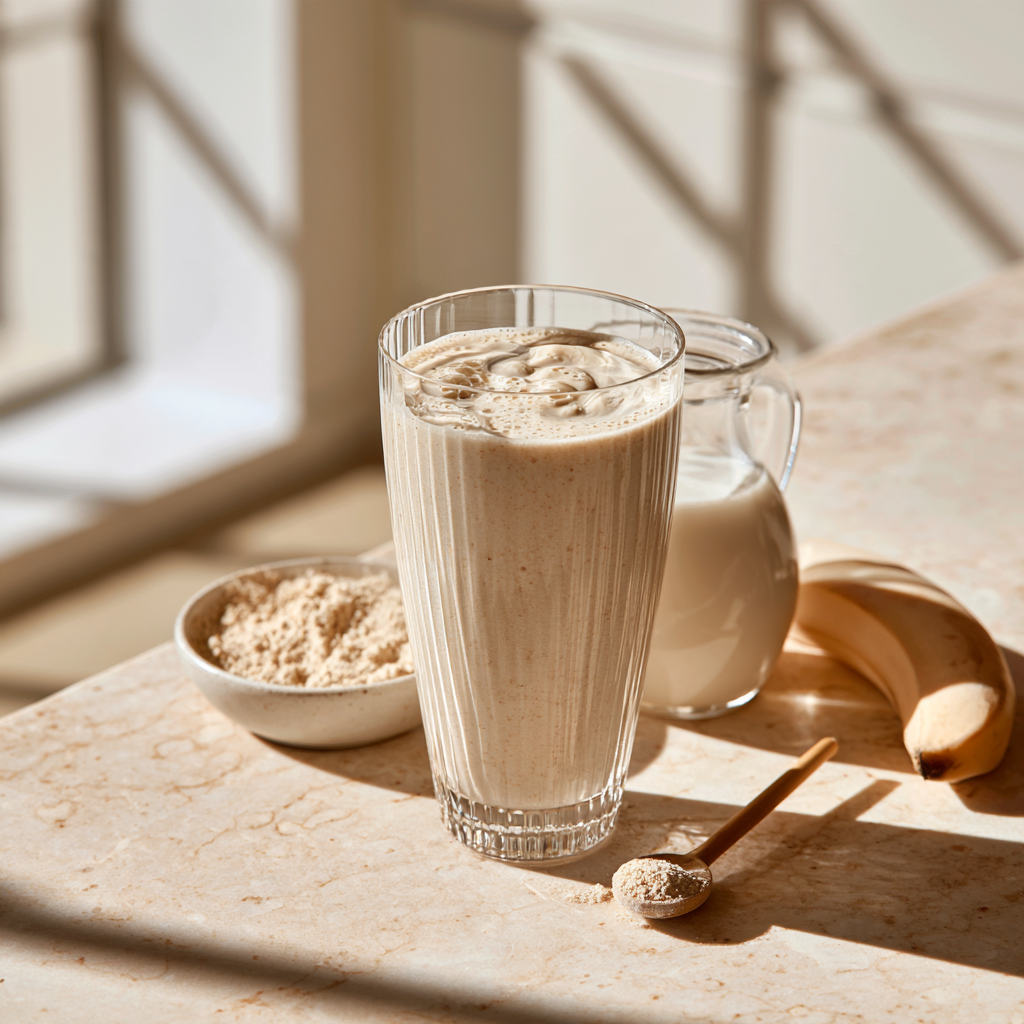

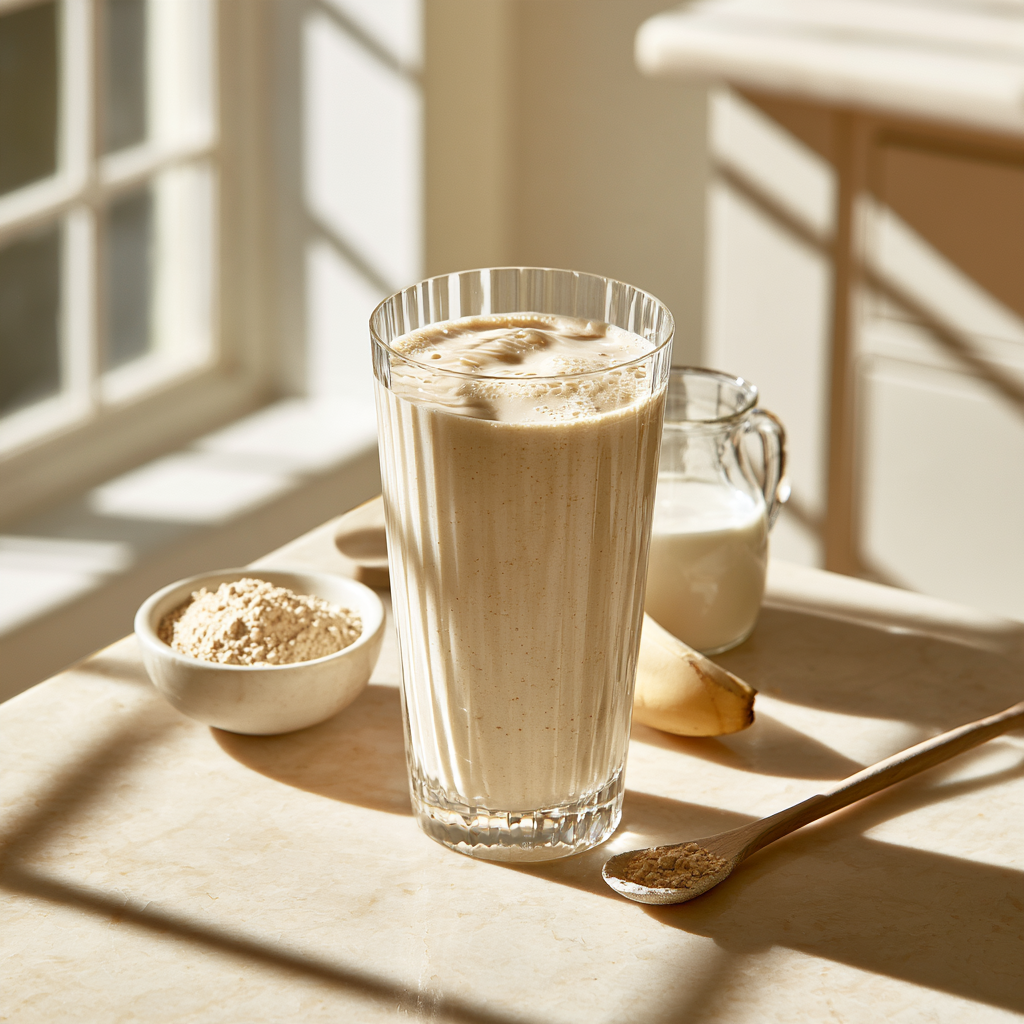
Looking for a delicious, filling, and easy Protein Shake Recipe for Weight Loss that actually tastes like a treat? This creamy homemade protein shake combines protein-rich Greek yogurt, vanilla protein powder, frozen berries, unsweetened almond milk, and chia seeds to create a thick, refreshing drink that’s naturally fruity, perfectly smooth, and incredibly easy to prepare. Ready in just 5 minutes, it’s a convenient option for busy mornings, post-workout recovery, or those afternoons when you want something satisfying without reaching for a sugary snack.
What makes this homemade protein shake for weight loss so appealing is the balance of flavor, texture, and nutrition. The Greek yogurt creates a rich, creamy base, while vanilla protein powder adds protein without requiring complicated preparation. Frozen strawberries, blueberries, or raspberries bring natural sweetness and vibrant color, and chia seeds contribute dietary fiber and a slightly thicker consistency. The result is a refreshing berry-vanilla shake that feels indulgent while using simple, everyday ingredients.
Unlike many store-bought protein shakes, which may contain added sugars, expensive specialty ingredients, or flavors you don’t particularly enjoy, making your own gives you complete control. You can choose your favorite protein powder, adjust the sweetness, customize the thickness, and select ingredients that match your nutritional goals. Whether you prefer a low-calorie protein shake, a high-protein breakfast smoothie, or a filling post-workout drink, this recipe can be adapted to suit your needs.
But here’s what makes protein shakes especially interesting for weight management: protein plays an important role in supporting muscle maintenance and helping people feel satisfied after eating. Research suggests that higher-protein eating patterns can support appetite management and help preserve lean body mass during weight loss, particularly when combined with resistance training and an appropriate overall diet. However, drinking a protein shake does not automatically burn belly fat or guarantee weight loss. What matters most is how the shake fits into your total daily nutrition, calorie intake, and lifestyle.
One of our favorite things about this easy protein shake recipe for weight loss is that you don’t need a long ingredient list or expensive kitchen equipment. Simply add everything to a blender, blend until smooth, and pour into your favorite glass. For the best texture, use frozen berries rather than fresh ones. They give the shake a wonderfully thick, milkshake-like consistency without needing ice cream or added sugar. A splash of vanilla extract or a little cinnamon can make the flavor even more delicious.
If you enjoy homemade smoothies with fresh, wholesome ingredients, you’ll also love our 3 Ingredient Apple Spinach Smoothie, a light and refreshing blend of crisp apple, baby spinach, and almond milk. It’s a great starting point for a green smoothie, and you can customize it with Greek yogurt or protein powder when you want more protein.
Another delicious option is our Tropical Smoothie Mocha Madness Recipe, which combines coffee, banana, cocoa, and creamy yogurt for a chocolatey, coffee-inspired drink. If you’re a chocolate lover, you can borrow those flavors and turn this protein shake into a rich mocha variation using chocolate protein powder and chilled coffee.
This healthy protein shake recipe is also wonderfully versatile. Prefer a strawberry protein shake? Use only frozen strawberries. Want a chocolate version? Add unsweetened cocoa powder and chocolate protein powder. Looking for a dairy-free or vegan alternative? Replace the Greek yogurt with a suitable high-protein plant-based yogurt and choose a plant-based protein powder. You can even add spinach for extra vegetables, nut butter for richer flavor, or oats when you need a more substantial breakfast. Just remember that additions can change the calorie and protein content.
For a tropical twist, take inspiration from our Avocolada Tropical Smoothie Recipe, which features creamy avocado, pineapple, banana, and coconut milk. A tropical protein shake made with pineapple, vanilla protein powder, and a protein-rich base is another delicious way to enjoy a homemade smoothie while adjusting the ingredients to suit your goals.
Whether you’re working toward a weight-management goal, trying to increase your daily protein intake, or simply searching for a quick and satisfying homemade breakfast, this Protein Shake Recipe for Weight Loss offers an easy, customizable option. It’s ideal for meal planning, simple enough for beginners, and much more flexible than relying on prepackaged shakes.
In this complete guide, we’ll explore the best ingredients for a protein shake for weight loss, how to make it step by step, how much protein you may need, calorie and nutrition considerations, the best protein powders to use, delicious flavor variations, common mistakes to avoid, and practical tips for creating a creamy shake without unnecessary added sugar. We’ll also answer popular questions about drinking protein shakes for breakfast, after exercise, or as part of a balanced weight-management plan.
The best part? You don’t need to follow an extreme diet or rely on expensive weight-loss supplements to enjoy a delicious homemade protein shake. With a few carefully chosen ingredients and five minutes of your time, you can prepare a creamy, protein-rich drink that’s easy to enjoy and fits naturally into a balanced eating routine.
At OoohDelish, we believe a good protein shake should do more than promise weight loss, it should taste amazing, provide useful nutrition, and be something you’ll genuinely look forward to making again.
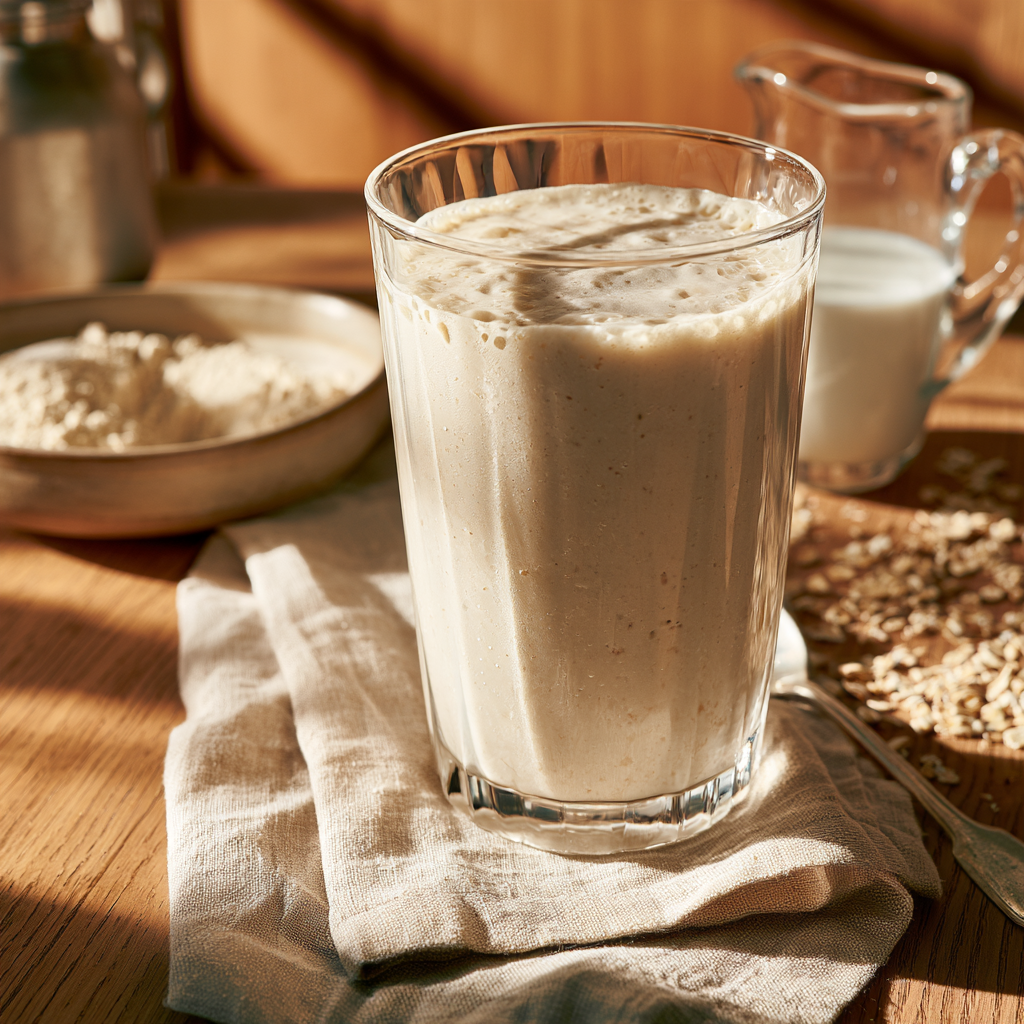
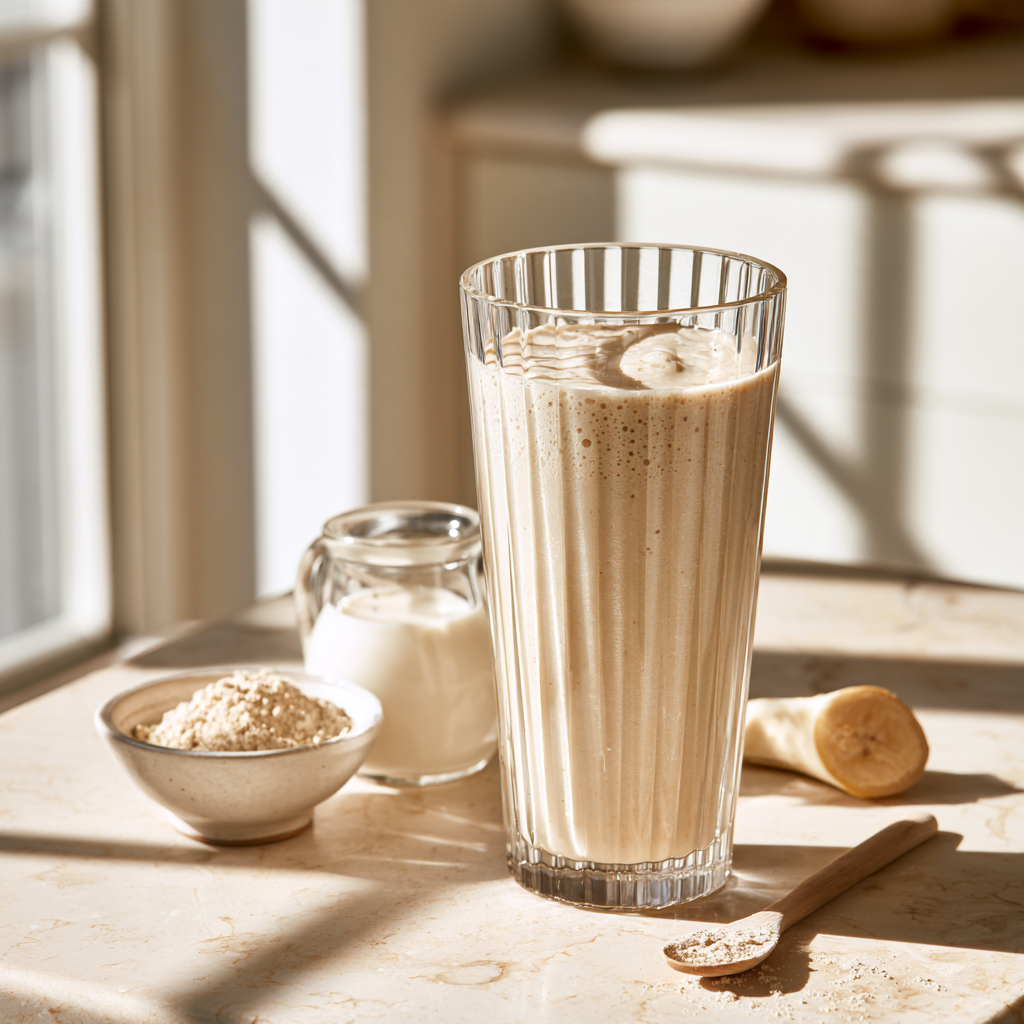
Protein Shake Recipe for Weight Loss
Equipment
- Blender
- Measuring cups
- Measuring spoons
- Serving glass
- Spoon
Ingredients
- 1 scoop vanilla protein powder about 30 grams
- 1/2 cup plain Greek yogurt
- 1 medium banana preferably frozen or very ripe
- 1 cup unsweetened almond milk
- 1 tablespoon chia seeds
- 1/4 teaspoon ground cinnamon
- 1/2 teaspoon vanilla extract
- 1/2 cup ice cubes
- Optional: 1 teaspoon honey or maple syrup
- Optional garnish: banana slices or a light dusting of cinnamon
Instructions
- Add the almond milk to the blender first. This helps the blades move more easily and creates a smoother shake.
- Add the Greek yogurt, vanilla protein powder, banana, chia seeds, ground cinnamon, vanilla extract, and ice cubes to the blender.
- Blend on medium speed for about 15 seconds, then on high speed for 20 to 30 seconds, or until the mixture is completely smooth and creamy.
- Check the consistency. If the shake is too thick, add a small splash of almond milk and blend again. If it is too thin, add a few extra ice cubes and blend briefly.
- Taste the shake. If you want it a little sweeter, add the optional honey or maple syrup and blend again for a few seconds.
- Pour the protein shake into a tall glass. Garnish with banana slices or a pinch of cinnamon if desired.
- Serve immediately while cold and creamy.
Notes
- Origins of the Protein Shake Recipe for Weight Loss: From Bodybuilding to Modern Healthy Smoothies
- The Early Beginnings: Protein-Rich Drinks Before Modern Protein Powder
- The 1950s: How Bodybuilding Helped Popularize Protein Shakes
- The 1960s: The Rise of Diet Shakes and Meal Replacements
- The 1970s and 1980s: Weight-Loss Shakes Enter Everyday Diet Culture
- The 1990s and 2000s: Whey Protein and Fitness Culture
- When Did Protein Shakes Become Popular for Weight Loss?
- The Modern Homemade Protein Shake Revolution
- Protein Shakes Through the Years: A Quick History
- Who Invented the Protein Shake Recipe for Weight Loss?
- Why Are Protein Shakes Still So Popular Today?
- The OoohDelish Approach: A Modern Twist on a Classic Idea
- Is a Protein Shake for Breakfast Good? Benefits, Nutrition & Weight Loss Tips
- How Much Protein Should a Breakfast Shake Contain?
- Is It Better to Drink a Protein Shake or Eat a Regular Breakfast?
- How to Make Your Morning Protein Shake More Balanced
- Common Mistakes to Avoid When Drinking Protein Shakes for Breakfast
- Can You Drink a Protein Shake Every Morning?
- OoohDelish Verdict: Is a Protein Shake a Good Breakfast for Weight Loss?
- How to Make a Protein Milkshake: 2 Easy and Delicious Variations
- Strawberry vs. Chocolate Protein Milkshake: Which One Should You Choose?
Origins of the Protein Shake Recipe for Weight Loss: From Bodybuilding to Modern Healthy Smoothies
The Protein Shake Recipe for Weight Loss may look like a modern wellness trend, but its story goes back much further than today’s colorful smoothie bowls, fitness influencers, and viral TikTok recipes. Long before homemade protein shakes became popular as quick breakfast options and convenient weight-management snacks, protein-rich drinks were closely connected to sports nutrition, bodybuilding, and the development of meal-replacement products.
What’s especially interesting is how much the purpose of protein shakes has changed over time. Early versions were primarily promoted to athletes who wanted to increase protein intake and build muscle. Later, commercial diet shakes introduced the idea of replacing meals with convenient, portion-controlled beverages. Today, homemade recipes combine elements of both traditions, using ingredients such as Greek yogurt, berries, protein powder, milk, and seeds to create drinks that are nutritious, flavorful, and easy to customize.
But who invented protein shakes, and when did they become associated with weight loss? The answer involves decades of nutritional research, changing food trends, and the growing popularity of healthy homemade smoothies.
The Early Beginnings: Protein-Rich Drinks Before Modern Protein Powder
The concept of consuming protein through beverages existed long before the invention of modern protein powders.
Milk has historically been an accessible source of dietary protein, while traditional milk-based drinks have appeared in different cultures for generations.
As nutritional science developed during the nineteenth and early twentieth centuries, researchers and food manufacturers became increasingly interested in creating concentrated, convenient sources of nutrition.
Early protein-rich drinks sometimes contained milk, eggs, or other protein-containing ingredients.
However, these preparations were quite different from the smooth, fruit-filled protein shakes we enjoy today.
They were generally associated with nourishment, physical strength, and athletic performance rather than weight loss.
The development of processed protein ingredients eventually made it possible to prepare drinks with more concentrated amounts of protein without relying entirely on ordinary milk or whole foods.
The 1950s: How Bodybuilding Helped Popularize Protein Shakes
One of the most important chapters in the history of protein shakes began during the 1950s, when bodybuilding and organized strength training were gaining popularity.
Athletes were increasingly interested in how nutrition could influence muscle development, strength, and physical performance.
During this period, manufacturers began promoting protein powders specifically designed for athletes.
In 1952, bodybuilding entrepreneur Bob Hoffman introduced Hi-Proteen, a protein supplement associated with the growing American strength-training culture.
These early products often relied on ingredients such as soy and milk-derived proteins.
They were quite different from today’s flavored whey protein powders, but they helped establish the idea that protein could be consumed conveniently as a powdered nutritional supplement.
Bodybuilders could mix protein powders with milk or other liquids to increase their dietary protein intake without preparing an additional meal.
At this stage, protein shakes were marketed primarily for muscle development and physical performance—not for losing weight.
Nevertheless, the popularity of these products laid the groundwork for the modern protein shake industry.
The 1960s: The Rise of Diet Shakes and Meal Replacements
The connection between protein-containing drinks and weight loss became more visible during the late 1950s and early 1960s.
In 1959, the American nutrition company Mead Johnson introduced Metrecal, a commercial meal-replacement product marketed for weight control.
The original powdered product was designed to be mixed with water and contained a combination of protein, carbohydrates, fats, vitamins, and minerals.
Unlike traditional bodybuilding protein supplements, Metrecal was promoted as a convenient way to control calorie intake by replacing ordinary meals.
The concept quickly attracted public attention.
For many consumers, the appeal was simple: drinking a measured portion seemed easier than preparing and measuring a complete meal.
However, some early liquid-diet programs were extremely restrictive, and their nutritional limitations and safety concerns became increasingly apparent.
This period helped establish an important distinction that still matters today:
A protein shake and a nutritionally complete meal-replacement shake are not necessarily the same thing.
A homemade protein shake may provide a substantial amount of protein, but it does not automatically contain all the vitamins, minerals, essential fats, fiber, and energy needed to replace a balanced meal.
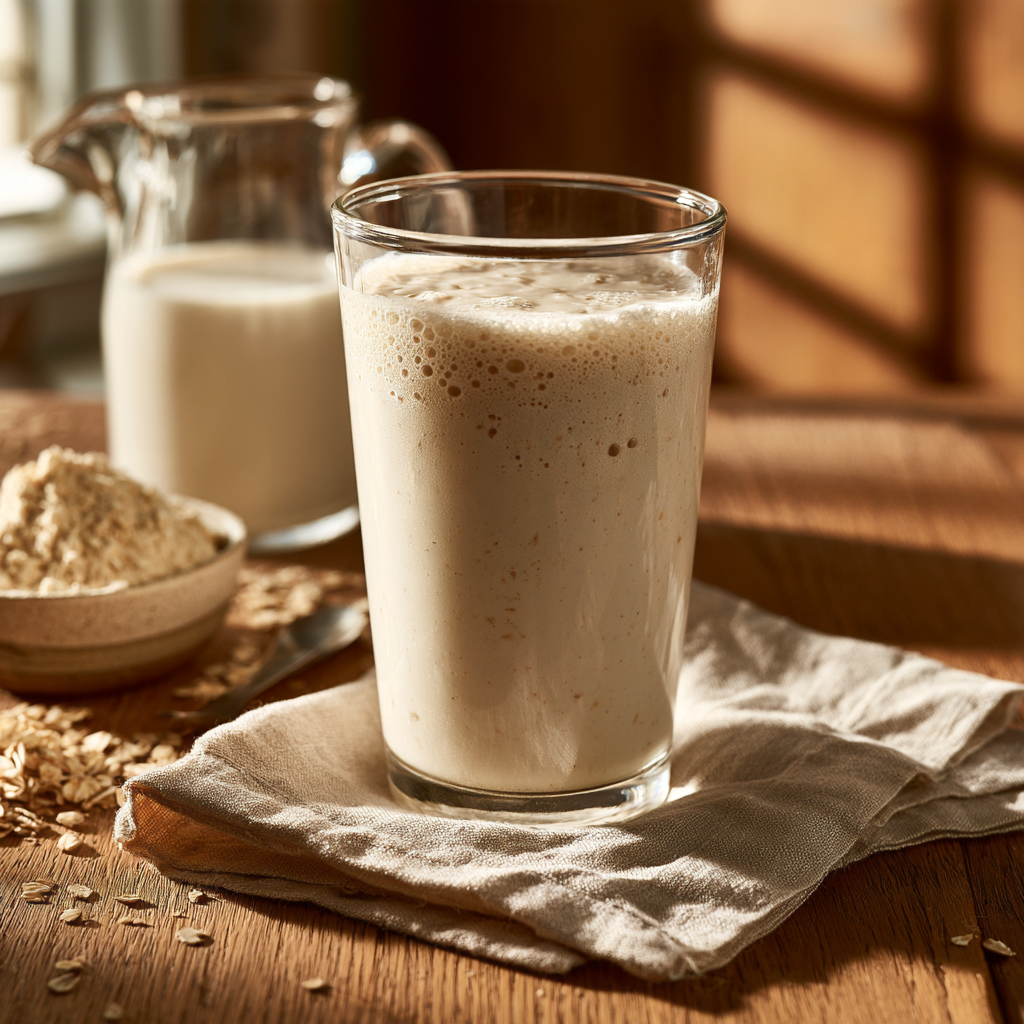
The 1970s and 1980s: Weight-Loss Shakes Enter Everyday Diet Culture
During the following decades, meal-replacement beverages became increasingly recognizable to the general public.
In 1977, SlimFast entered the American market, eventually becoming one of the most familiar names associated with commercial weight-management shakes.
Its later popularity helped reinforce the idea of using shakes as convenient alternatives to certain meals.
Different flavors, including chocolate, vanilla, and strawberry, made these products more appealing to consumers who wanted something that resembled a milkshake.
However, commercial diet drinks and homemade protein shakes served different purposes.
Many weight-management products were formulated around specific calorie-controlled diet programs, while protein supplements were primarily intended to increase protein intake.
Over time, these two categories began to overlap.
Consumers increasingly wanted drinks that were not only convenient and calorie-conscious but also enjoyable and satisfying.
This shift helped create demand for protein shakes that tasted more like desserts while fitting into different dietary routines.
The 1990s and 2000s: Whey Protein and Fitness Culture
As recreational fitness, gym memberships, and strength training became more mainstream, protein powders became familiar to a much wider audience.
Whey protein, a milk-derived protein obtained during cheese production, became particularly popular because of its amino acid composition, convenience, and ability to mix into beverages.
Consumers could now choose from different protein powder varieties, including whey concentrates, whey isolates, casein, soy protein, and other formulations.
Chocolate, strawberry, and vanilla powders made homemade protein shakes easier to customize.
Instead of drinking plain protein powder mixed with water, people began blending it with ingredients such as bananas, berries, yogurt, milk, and nut butter.
These additions transformed protein supplements into creamy, flavorful smoothies.
The growing smoothie culture of the 1990s and 2000s also influenced how protein shakes were prepared.
Blenders became everyday kitchen appliances, and smoothie shops helped popularize drinks featuring fruit, yogurt, and optional nutritional additions.
For a delicious example of this smoothie-inspired approach, our Tropical Smoothie Mocha Madness Recipe combines coffee and chocolate flavors in a creamy homemade beverage. Using a suitable protein-rich base can transform similar flavor combinations into a more substantial protein shake.
When Did Protein Shakes Become Popular for Weight Loss?
Although commercial diet shakes had existed for decades, the modern interest in high-protein shakes for weight loss developed alongside growing research into dietary protein, appetite, and body composition.
Scientists began examining whether higher-protein eating patterns could help people feel satisfied after meals and preserve lean muscle mass during weight reduction.
Research has suggested that adequate protein intake can support muscle maintenance during energy restriction, particularly when combined with appropriate physical activity.
Some studies have also found that higher-protein meals can increase short-term feelings of fullness compared with lower-protein alternatives.
However, these findings do not mean protein shakes automatically cause weight loss.
A protein shake still contributes calories, and its nutritional value depends on the ingredients and serving size.
For example, adding large amounts of peanut butter, sweetened syrups, ice cream, or other calorie-dense ingredients can significantly change the nutritional profile.
This is why today’s homemade protein shake recipes often focus on combining appropriate portions of protein-rich foods with fruit, fiber-containing ingredients, and liquids without added sugar.
The Modern Homemade Protein Shake Revolution
Today, protein shakes have evolved far beyond their original association with bodybuilding.
They are now prepared by athletes, busy professionals, students, and home cooks who simply want convenient ways to include protein in their meals and snacks.
Modern recipes often use ingredients that provide both nutrition and flavor.
Instead of relying exclusively on commercial powders, homemade protein shakes may include Greek yogurt, cottage cheese, milk, soy beverages, nut butter, oats, fruit, and seeds.
The variety of ingredients allows people to customize shakes according to dietary preferences, budget, and nutritional goals.
For example, our Protein Shake Recipe for Weight Loss combines vanilla protein powder, Greek yogurt, frozen berries, unsweetened almond milk, and chia seeds.
The Greek yogurt and protein powder contribute protein, while frozen berries create a naturally sweet, refreshing flavor. Chia seeds add dietary fiber and help create a thicker texture.
If you enjoy experimenting with fruit and vegetables in homemade smoothies, try our 3 Ingredient Apple Spinach Smoothie. Made with apple, spinach, and almond milk, it’s a simple green smoothie that can be customized with Greek yogurt or protein powder when additional protein is desired.
For a creamier tropical variation, our Avocolada Tropical Smoothie Recipe offers inspiration through its combination of avocado, pineapple, banana, and coconut flavors.
These modern smoothie combinations show how homemade protein shakes have become more creative, appealing, and adaptable.
Protein Shakes Through the Years: A Quick History
| Period | Important Development | Connection to Today’s Protein Shakes |
|---|---|---|
| Before the 1900s | Traditional milk-based beverages and protein-rich foods were common in many cultures. | Established the use of protein-containing ingredients in drinks. |
| Early 1900s | Growing research interest in human nutrition and concentrated food supplements. | Helped create the foundation for nutritional powders. |
| 1950s | Bodybuilding protein powders, including Bob Hoffman’s Hi-Proteen, became more visible. | Popularized convenient supplemental protein drinks among athletes. |
| 1959–1960s | Metrecal and other commercial diet beverages attracted widespread attention. | Connected nutritionally formulated drinks with calorie-controlled weight management. |
| 1970s–1980s | Commercial meal-replacement brands, including SlimFast, became established. | Made diet shakes familiar to mainstream consumers. |
| 1990s–2000s | Protein powders and smoothie culture expanded. | Encouraged blending protein with fruit, milk, yogurt, and other ingredients. |
| 2010s | High-protein eating patterns and home fitness gained popularity. | Increased demand for convenient, customizable protein-rich drinks. |
| 2020s | Homemade smoothie and protein shake recipes spread widely through food blogs and social media. | Made protein shakes accessible to everyday home cooks, not only athletes. |
Who Invented the Protein Shake Recipe for Weight Loss?
There is no single documented inventor of the modern homemade Protein Shake Recipe for Weight Loss.
Instead, it developed through the combination of several trends: sports nutrition, commercial protein supplements, diet shakes, smoothie culture, and research into protein’s role in balanced eating patterns.
Early bodybuilding products established the convenience of powdered protein, while commercial meal replacements introduced the concept of portion-controlled drinks.
The popularity of smoothies later helped bring fresh fruit, yogurt, and other familiar foods into the recipe.
Today’s homemade versions reflect all these influences.
Some focus on low-calorie ingredients, others emphasize higher protein content, while many simply aim to provide a satisfying breakfast or snack.
The best recipes combine nutrition, convenience, and enjoyable flavor without relying on exaggerated promises.
Why Are Protein Shakes Still So Popular Today?
The lasting appeal of protein shakes is easy to understand: they’re convenient, versatile, and customizable.
A homemade protein shake can often be prepared in approximately five minutes using a blender and a handful of ingredients.
It can be made thicker or thinner, more fruity or chocolatey, and adapted to different dietary preferences.
Protein shakes can also be convenient when someone has difficulty meeting their protein needs through ordinary meals alone.
However, they are not essential for everyone. Many people can meet their protein requirements through a varied diet containing foods such as yogurt, eggs, legumes, soy products, fish, meat, and dairy.
The most important consideration is how a protein shake fits into the rest of the diet.
For weight management, choosing suitable portions and maintaining an appropriate overall energy intake matter more than simply adding protein powder to a blender.
The OoohDelish Approach: A Modern Twist on a Classic Idea
At OoohDelish, our Protein Shake Recipe for Weight Loss takes inspiration from decades of nutritional innovation while keeping the ingredients simple and delicious.
Instead of relying on complicated diet products or restrictive meal-replacement plans, we focus on a homemade combination of protein-rich Greek yogurt, vanilla protein powder, colorful berries, unsweetened almond milk, and chia seeds.
This creates a creamy, naturally fruity shake that can be enjoyed as part of a balanced breakfast, after exercise, or as a convenient snack.
The recipe also gives you complete control over sweetness, texture, portion size, and ingredients.
The most important lesson from protein shake history is that convenience and nutrition can work together, but no single drink guarantees weight loss.
Protein shakes have evolved from specialized bodybuilding supplements into everyday homemade recipes because they are practical and adaptable.
Enjoy this modern version for its creamy texture, refreshing berry flavor, and useful protein content, while remembering that long-term weight management depends on your overall diet, physical activity, sleep, and consistent habits.
Is a Protein Shake for Breakfast Good? Benefits, Nutrition & Weight Loss Tips
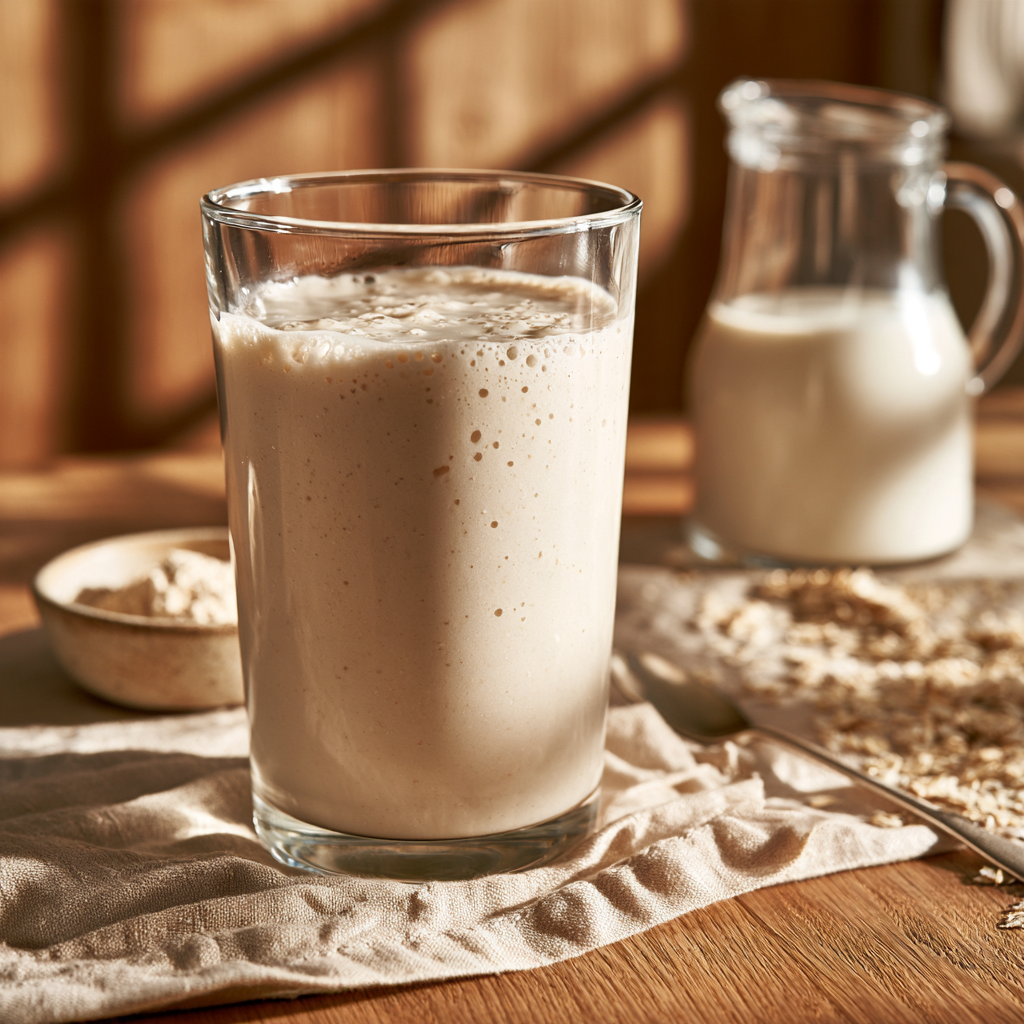
Yes, drinking a protein shake for breakfast can be a healthy, convenient, and satisfying way to start your day, especially when it’s made with a balanced combination of protein, fiber-rich ingredients, and nutritious foods. Whether you’re trying to manage your weight, increase your daily protein intake, or simply need a quick breakfast before heading out the door, a homemade protein shake can be an excellent option.
The beauty of a Protein Shake Recipe for Weight Loss is that it doesn’t have to feel like a restrictive diet meal. With creamy Greek yogurt, vanilla protein powder, frozen berries, unsweetened almond milk, and chia seeds, you can create a delicious breakfast that tastes like a milkshake while providing valuable nutrients.
However, not every protein shake makes a complete breakfast. A scoop of protein powder mixed with water may supply protein, but it often lacks the fiber, healthy fats, and variety of nutrients found in a more balanced meal.
The key is choosing the right ingredients and portions rather than relying on protein powder alone.
Benefits of Drinking a Protein Shake for Breakfast
A well-prepared morning protein shake offers several practical advantages, particularly for people with busy schedules or specific nutritional goals.
| Potential Benefit | Why It Matters | Best Ingredients |
|---|---|---|
| Helps You Feel Satisfied | Protein can support fullness and may help manage hunger between meals. | Greek yogurt, protein powder, soy milk |
| Supports Muscle Maintenance | Adequate dietary protein helps maintain muscle tissue, particularly during weight management and regular exercise. | Whey protein, Greek yogurt, plant-based protein |
| Quick and Convenient | A homemade shake can be prepared in approximately 5 minutes. | Frozen berries, milk, yogurt |
| Easy to Customize | You can adjust protein, sweetness, calories, and consistency to suit your preferences. | Fruit, protein powder, oats, seeds |
| Can Provide Dietary Fiber | Fiber supports normal digestion and contributes to feelings of fullness. | Chia seeds, berries, oats |
| Helps Control Added Sugar | Homemade preparation allows you to avoid unnecessary syrups and added sweeteners. | Unsweetened almond milk, whole fruit |
| Supports Nutritional Variety | Fruit, yogurt, and seeds can contribute vitamins, minerals, and other nutrients. | Berries, Greek yogurt, chia seeds |
1. A Protein Shake May Help You Stay Full Until Lunch
One of the main reasons people enjoy protein shakes for breakfast is their potential to support feelings of fullness.
Protein generally takes longer to digest than some rapidly absorbed carbohydrates and can influence the hormonal signals involved in appetite regulation.
Research suggests that higher-protein breakfasts may help some people feel more satisfied and experience less hunger later in the day.
For example, a shake made with Greek yogurt, protein powder, berries, and chia seeds provides a combination of protein and fiber that may be more satisfying than a drink containing only fruit juice.
However, the effect varies between individuals. A protein shake does not guarantee that you’ll eat less at lunch or automatically lose weight.
OoohDelish Tip: If your morning shake leaves you hungry after an hour, try adding a tablespoon of chia seeds, a little oatmeal, or additional plain Greek yogurt instead of simply increasing the protein powder.
2. Can Support Weight Management When Used Appropriately
A homemade protein shake can fit into a weight-management plan, particularly when it replaces a more calorie-dense breakfast while still providing enough nutrients to keep you satisfied.
For example, replacing a large sugary coffee and pastry with a thoughtfully prepared protein shake may reduce your overall calorie intake, depending on the ingredients and portions.
However, drinking a protein shake in addition to your usual breakfast could increase total calorie intake rather than reduce it.
Protein shakes don’t burn fat by themselves. Sustainable weight loss generally depends on maintaining an appropriate overall energy balance while meeting your nutritional needs.
For this reason, the goal should be to prepare a filling shake with a sensible calorie content—not simply to drink as much protein as possible.
3. Provides a Convenient Source of Morning Protein
Protein is essential for maintaining and repairing body tissues, supporting immune function, and preserving muscle mass.
Including a protein source at breakfast can help distribute protein intake across the day rather than consuming most of it at dinner.
For many adults, a breakfast containing approximately 20–30 grams of protein can be a practical starting point, although individual requirements vary based on body size, age, activity level, and health status.
Our homemade berry protein shake combines Greek yogurt and protein powder, making it easy to prepare a protein-rich breakfast without cooking.
The exact amount depends on the brand and serving size of your ingredients.
Remember that protein powder is optional rather than essential for everyone. Many people can meet their daily protein requirements through ordinary foods such as yogurt, eggs, dairy, soy products, legumes, fish, and meat.
4. A Balanced Shake Can Provide Fiber and Healthy Fats
One common mistake is preparing a breakfast shake using only protein powder and water.
Although this can be useful in certain situations, it may not be substantial enough to serve as a complete breakfast.
Adding whole foods can improve its nutritional variety.
Frozen berries provide flavor, vitamins, and dietary fiber.
Chia seeds contribute fiber and plant-based omega-3 fatty acids.
Greek yogurt provides protein and, depending on the variety, calcium.
Oats can contribute additional fiber and carbohydrates for energy.
For another breakfast option with fruit and vegetables, try our 3 Ingredient Apple Spinach Smoothie. You can adapt it into a higher-protein breakfast by adding plain Greek yogurt or a suitable protein powder.
5. Perfect for Busy Mornings
One of the biggest advantages of a protein shake is convenience.
You don’t need to spend half an hour cooking breakfast or washing multiple pans.
Simply add your ingredients to a blender, blend until smooth, and enjoy.
You can even prepare individual freezer bags containing your berries and other suitable ingredients, making your morning routine faster.
A homemade protein shake can be particularly useful for people who:
- Have limited time before work or school.
- Prefer a lighter breakfast.
- Exercise in the morning.
- Want an easy way to include more protein.
- Enjoy smoothies more than traditional breakfast foods.
If you love coffee-flavored breakfasts, our Tropical Smoothie Mocha Madness Recipe provides delicious inspiration for a homemade mocha protein shake using chilled coffee, cocoa, and a protein-rich base.
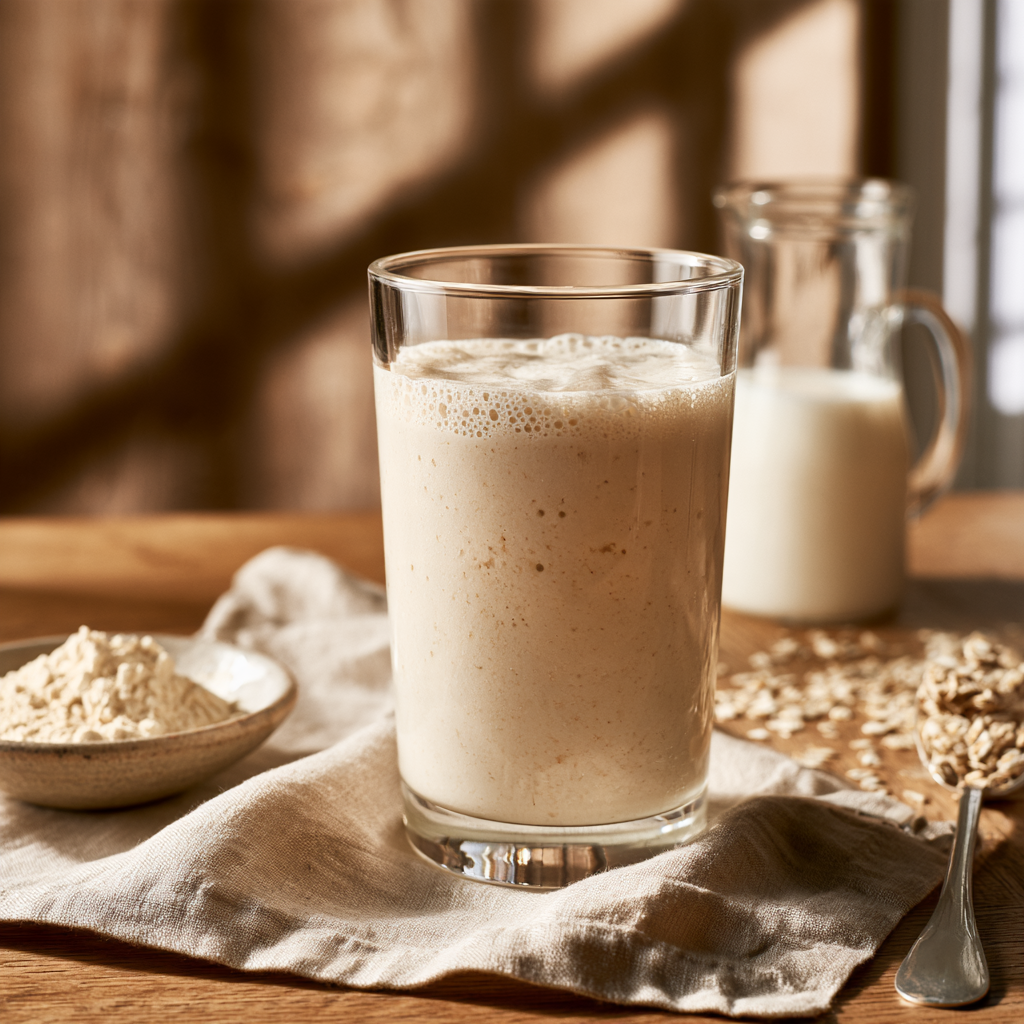
How Much Protein Should a Breakfast Shake Contain?
There is no universal protein target that works for everyone.
However, the following comparison can help you understand how different types of morning shakes may fit into your routine.
| Type of Shake | Approximate Protein | Best Use |
|---|---|---|
| Fruit smoothie with almond milk | 2–5 g | A light beverage, often better paired with other breakfast foods |
| Greek yogurt and berry smoothie | 15–22 g | A protein-containing breakfast or snack |
| Protein powder mixed with water | 20–25 g | A convenient protein supplement, but not necessarily a complete breakfast |
| Protein powder, Greek yogurt, berries, and chia | 30–45 g | A more substantial high-protein breakfast |
These are illustrative ranges. Actual nutrition depends on ingredient quantities and product labels.
Our Protein Shake Recipe for Weight Loss is designed around the last option, combining protein-rich ingredients with fruit and seeds.
Is It Better to Drink a Protein Shake or Eat a Regular Breakfast?
Both can be healthy choices.
A breakfast with eggs, whole-grain toast, fruit, and yogurt can provide an excellent balance of nutrients.
A well-made protein shake can also be nutritious, particularly when it includes whole fruit, protein-rich ingredients, and a source of dietary fiber.
The main difference is often convenience and personal preference.
| Protein Shake Breakfast | Traditional Balanced Breakfast |
|---|---|
| Can be ready in 5 minutes | May require more preparation |
| Easy to carry when traveling | Often better suited to sitting down |
| Simple to customize protein content | Provides greater opportunities for different food textures |
| Convenient after morning exercise | Encourages chewing and a more conventional meal experience |
| Nutrition depends heavily on ingredients | Nutrition also depends on food choices and portions |
Neither option is inherently superior for weight loss.
Some people find liquid breakfasts less satisfying than solid meals, while others enjoy the convenience and feel comfortably full afterward.
The best option is one that meets your nutritional needs, fits your schedule, and leaves you satisfied.
How to Make Your Morning Protein Shake More Balanced
For a creamy, filling breakfast shake, focus on combining protein with fiber-containing ingredients and a suitable amount of energy.
| Ingredient | Suggested Amount | Purpose |
|---|---|---|
| Vanilla protein powder | 1 scoop | Adds concentrated protein |
| Plain Greek yogurt | ½ cup | Creates creaminess and adds protein |
| Frozen mixed berries | 1 cup | Adds natural sweetness, flavor, and fiber |
| Unsweetened almond milk | 1 cup | Provides the liquid base |
| Chia seeds | 1 tablespoon | Adds fiber and healthy fats |
| Cinnamon or vanilla | A small pinch or splash | Adds flavor without much added sugar |
Blend everything until smooth and adjust the texture with additional almond milk if needed.
Depending on the products you use, this combination can provide a substantial amount of protein with moderate calories.
For a richer tropical breakfast, you can also take inspiration from our Avocolada Tropical Smoothie Recipe. Adding protein-rich yogurt or a suitable protein powder to tropical fruit smoothies is an easy way to change their nutritional composition.
Common Mistakes to Avoid When Drinking Protein Shakes for Breakfast
Even a homemade protein shake can become less suitable for your goals if the ingredients aren’t carefully chosen.
Adding Too Much Sweetener
Honey, maple syrup, flavored syrups, and sweetened milk can significantly increase the sugar and calorie content.
Try using naturally sweet berries or banana before adding extra sweeteners.
Using Too Little Protein
A fruit smoothie made with water or low-protein almond milk may contain very little protein.
If you’re specifically making a high-protein breakfast, include a meaningful source such as Greek yogurt, soy milk, or protein powder.
Forgetting About Fiber
Protein powder alone does not supply the full range of nutrients found in whole foods.
Berries, chia seeds, oats, and other fiber-containing ingredients can make your breakfast more balanced.
Adding Too Many Calorie-Dense Extras
Nut butter, coconut cream, granola, and other additions can be nutritious, but large portions may substantially increase the shake’s calories.
Measure ingredients when you want more consistency in your nutritional intake.
Replacing Every Meal With a Shake
A homemade protein shake is not automatically a nutritionally complete meal replacement.
Using shakes to replace most or all regular meals can make it difficult to obtain enough dietary variety and essential nutrients.
Can You Drink a Protein Shake Every Morning?
For many healthy adults, a well-balanced protein shake can be part of a regular breakfast routine.
However, it’s still important to eat a variety of foods throughout the day.
Changing your fruits, protein sources, and fiber-containing ingredients can help provide a wider range of nutrients.
People with kidney disease, medically prescribed protein restrictions, food allergies, or other relevant health conditions should seek individualized advice before significantly increasing protein intake or regularly using supplements.
OoohDelish Verdict: Is a Protein Shake a Good Breakfast for Weight Loss?
Yes, a homemade protein shake can be an excellent breakfast option when it provides adequate protein, includes nutritious ingredients, and fits your overall calorie and nutritional needs.
Its biggest advantages are convenience, flexibility, and the ability to create a satisfying meal using familiar ingredients.
For the best results, combine a quality protein source with whole fruit, fiber-rich ingredients, and a suitable liquid base.
Our Protein Shake Recipe for Weight Loss brings these elements together in one creamy, berry-filled glass that’s ready in just five minutes.
Just remember that the goal isn’t to find a magical fat-burning drink. It’s to build an enjoyable breakfast routine that supports adequate nutrition, keeps you satisfied, and fits your long-term health goals.
The bottom line: A protein shake can be a great way to start your morning, but the best breakfast is one that nourishes your body, not simply one that contains the most protein.
How to Make a Protein Milkshake: 2 Easy and Delicious Variations
Making a creamy, delicious Protein Milkshake Recipe for Weight Loss at home is easier than you might think! With just a handful of ingredients and a blender, you can create a thick, refreshing, protein-rich milkshake that tastes like a dessert but is made with simple, nutritious ingredients.
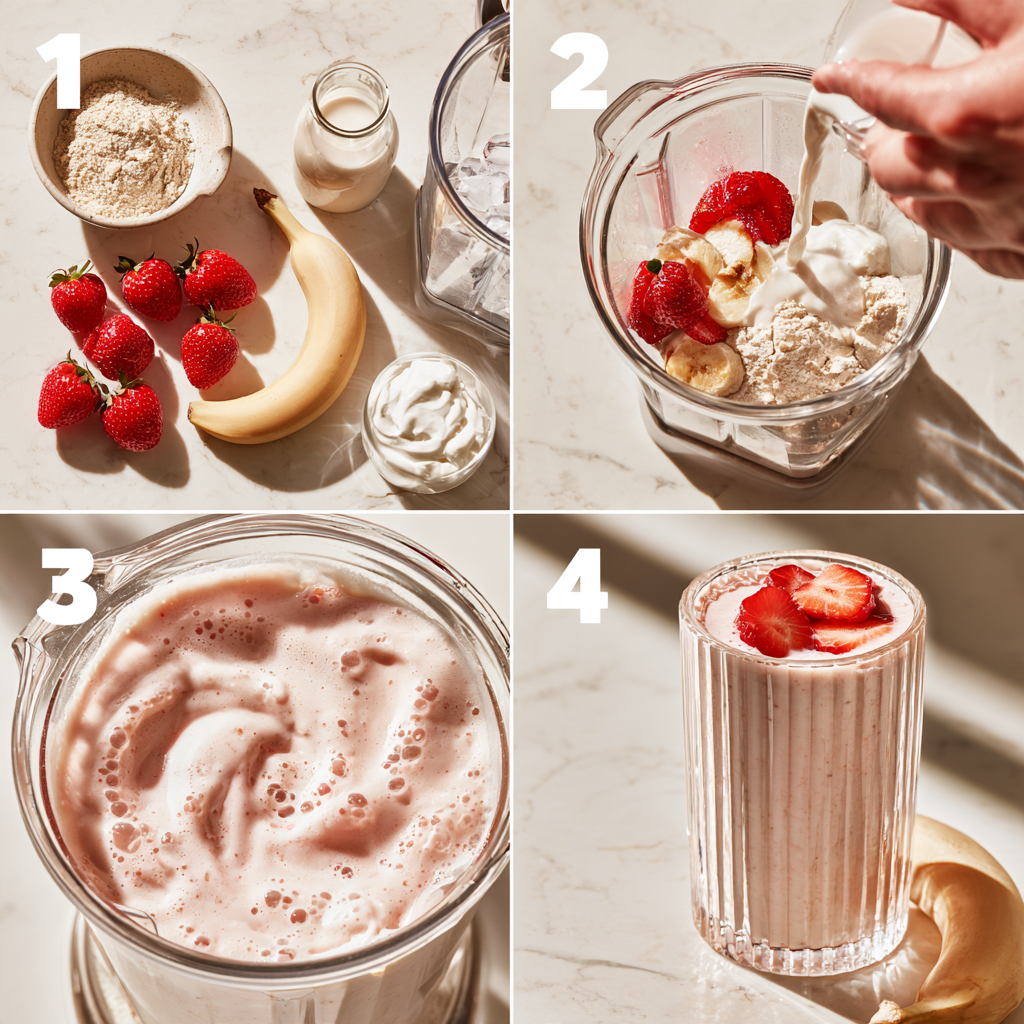
Today, we’re preparing two irresistible protein milkshake variations: a fruity Strawberry Banana Protein Milkshake and a rich, chocolatey Chocolate Banana Protein Milkshake. Both are ready in approximately five minutes, require no cooking, and can be customized to suit your preferred sweetness and consistency.
The secret to a perfect homemade protein milkshake is combining a good protein source with creamy ingredients, naturally sweet fruit, and just enough liquid to achieve a smooth, milkshake-like texture.
Whether you’re looking for a quick breakfast, a convenient post-workout drink, or a filling afternoon snack, these two protein milkshakes offer delicious ways to include protein in your daily routine.
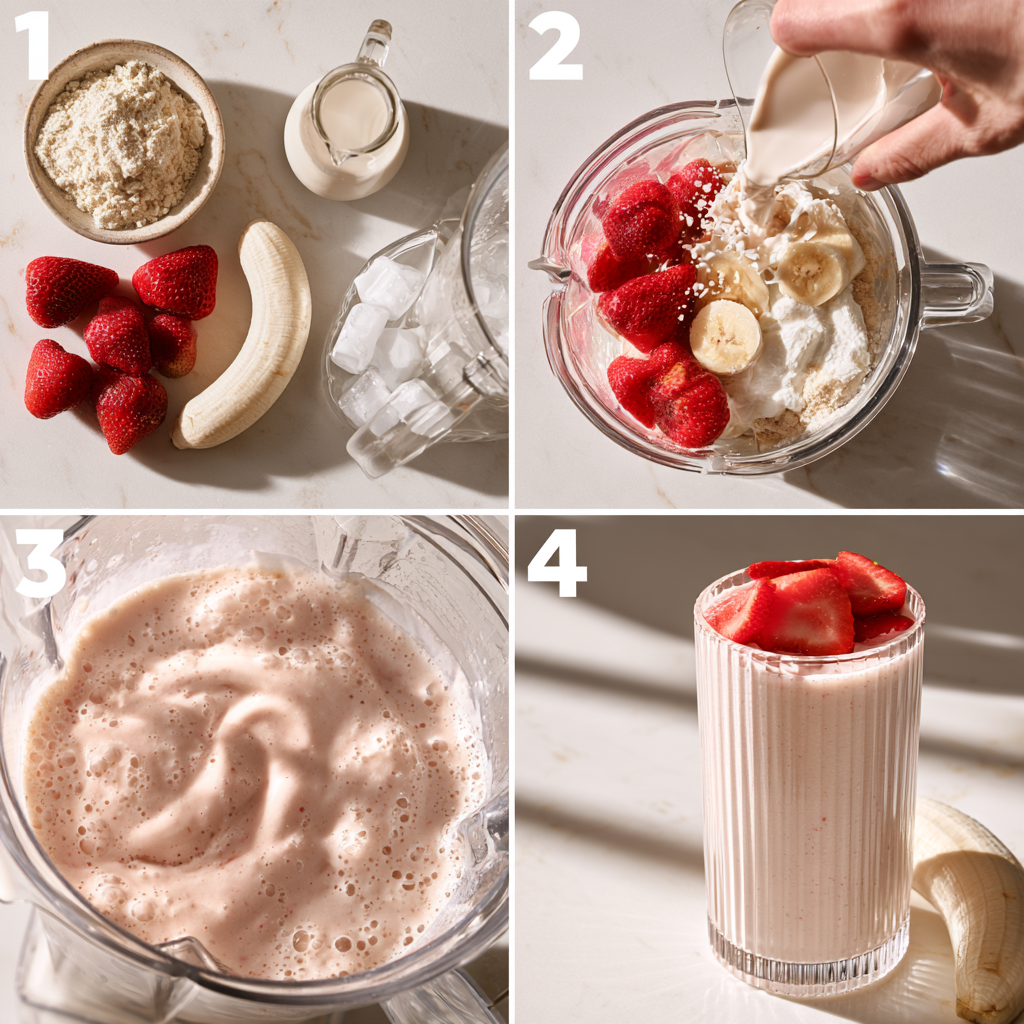
Variation 1: Strawberry Banana Protein Milkshake
This Strawberry Banana Protein Milkshake is creamy, naturally sweet, and beautifully pink. Fresh strawberries bring a refreshing fruity flavor, banana provides natural sweetness and a smooth texture, while vanilla protein powder and Greek yogurt make the milkshake satisfyingly rich.
It’s a wonderful option for anyone who loves strawberry milkshakes but wants a homemade version with more protein and control over added sugar.
Ingredients for Strawberry Banana Protein Milkshake
| Ingredient | Amount | Purpose |
|---|---|---|
| Fresh strawberries | ¾ cup, hulled | Provide fruity flavor, vibrant pink color, and vitamin C. |
| Ripe banana | ½ medium | Adds natural sweetness and creaminess. |
| Vanilla protein powder | 1 scoop (approximately 30 g) | Increases protein content and adds vanilla flavor. |
| Plain Greek yogurt | ½ cup | Creates a thick, creamy texture and adds protein. |
| Unsweetened almond milk | ¾ cup | Helps blend the ingredients into a smooth drink. |
| Ice cubes | ½ cup | Makes the milkshake colder and thicker. |
| Fresh strawberry slices | 2–3, optional | For garnishing. |
Step 1: Prepare All the Ingredients
Start by washing the fresh strawberries thoroughly under running water. Remove the green tops and cut any large strawberries in half.
Peel the banana and slice half of it into smaller pieces so it blends easily.
Measure the vanilla protein powder, Greek yogurt, unsweetened almond milk, and ice cubes.
Arrange everything near your blender before starting. Using ripe strawberries and banana provides natural sweetness, reducing the need for added sugar or syrups.
OoohDelish Tip: For a naturally thicker milkshake, freeze the banana slices for at least 2 hours before blending. This gives the finished shake a creamy, almost ice-cream-like texture.
Step 2: Add Everything to the Blender
Place the prepared strawberries and banana slices into your blender.
Add the vanilla protein powder and plain Greek yogurt.
Next, slowly pour in the unsweetened almond milk, followed by the ice cubes.
Make sure the blender lid is securely attached before starting.
The combination of strawberries, banana, yogurt, and vanilla protein creates the foundation for a smooth, naturally pink protein milkshake.
OoohDelish Tip: Add the almond milk first if your blender struggles with thick mixtures. Liquid at the bottom helps the blades move more easily.
Blend the ingredients on medium speed for approximately 15 seconds, then increase to high speed for another 20–30 seconds.
Step 3: Blend Until Smooth and Creamy
Continue blending until the strawberries, banana, and ice are completely incorporated.
The mixture should become pale pink, thick, creamy, and smooth, with no visible lumps of protein powder.
If the milkshake is too thick, add 1–2 tablespoons of almond milk and blend again.
If it’s too thin, add a few extra frozen strawberries or ice cubes and blend until the desired consistency is reached.
OoohDelish Tip: Avoid blending much longer than necessary. A shorter blending time helps keep the milkshake cold and creamy rather than overly thin.
Step 4: Pour, Garnish, and Enjoy
Pour the freshly blended strawberry banana protein milkshake into a tall, chilled serving glass.
For a beautiful presentation, garnish the top with fresh strawberry slices.
Serve immediately while the shake is cold, thick, and creamy.
The natural sweetness of the banana balances the slight tartness of the strawberries, while vanilla protein powder adds a soft, dessert-like flavor.
This homemade strawberry protein shake is delicious as a quick breakfast or after exercise.
If you love naturally fruity smoothies, you might also enjoy our 3 Ingredient Apple Spinach Smoothie, another easy homemade drink that can be customized with Greek yogurt or protein powder.
Variation 2: Chocolate Banana Protein Milkshake
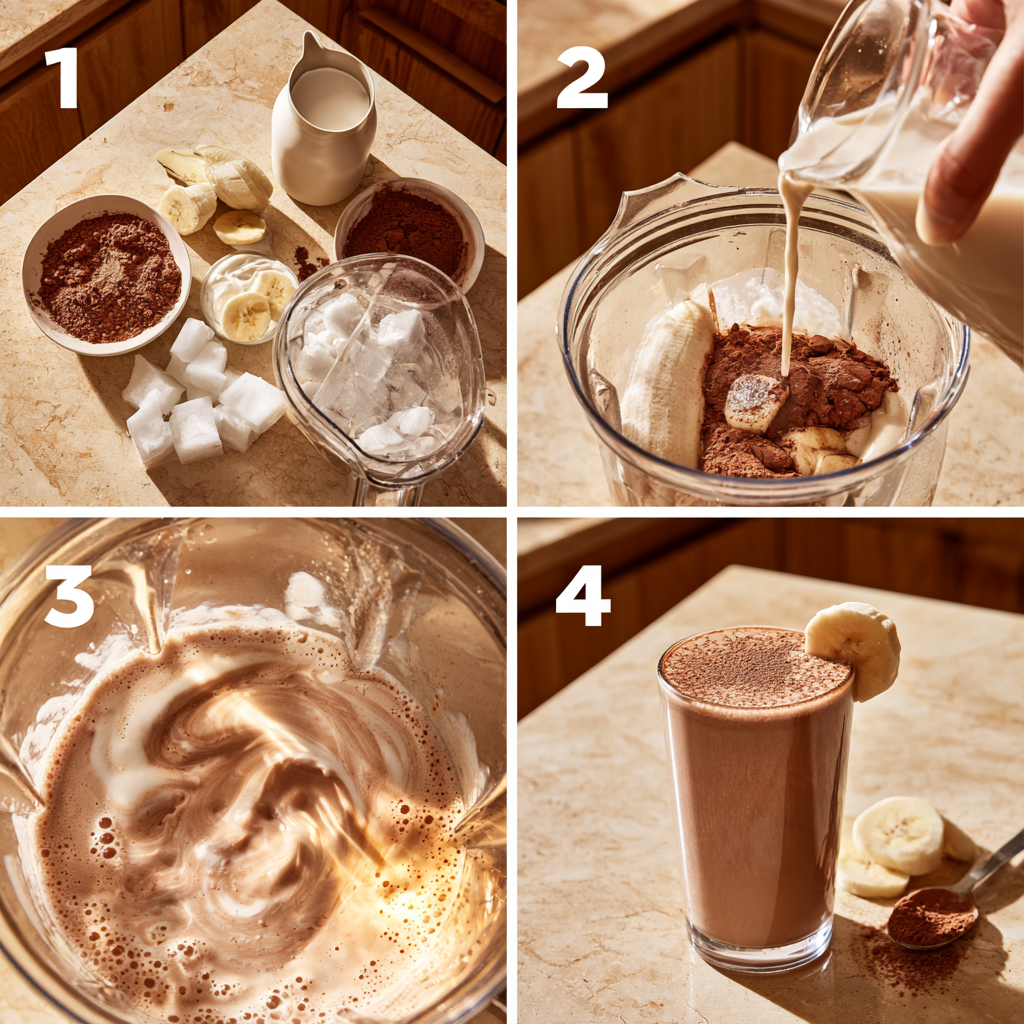
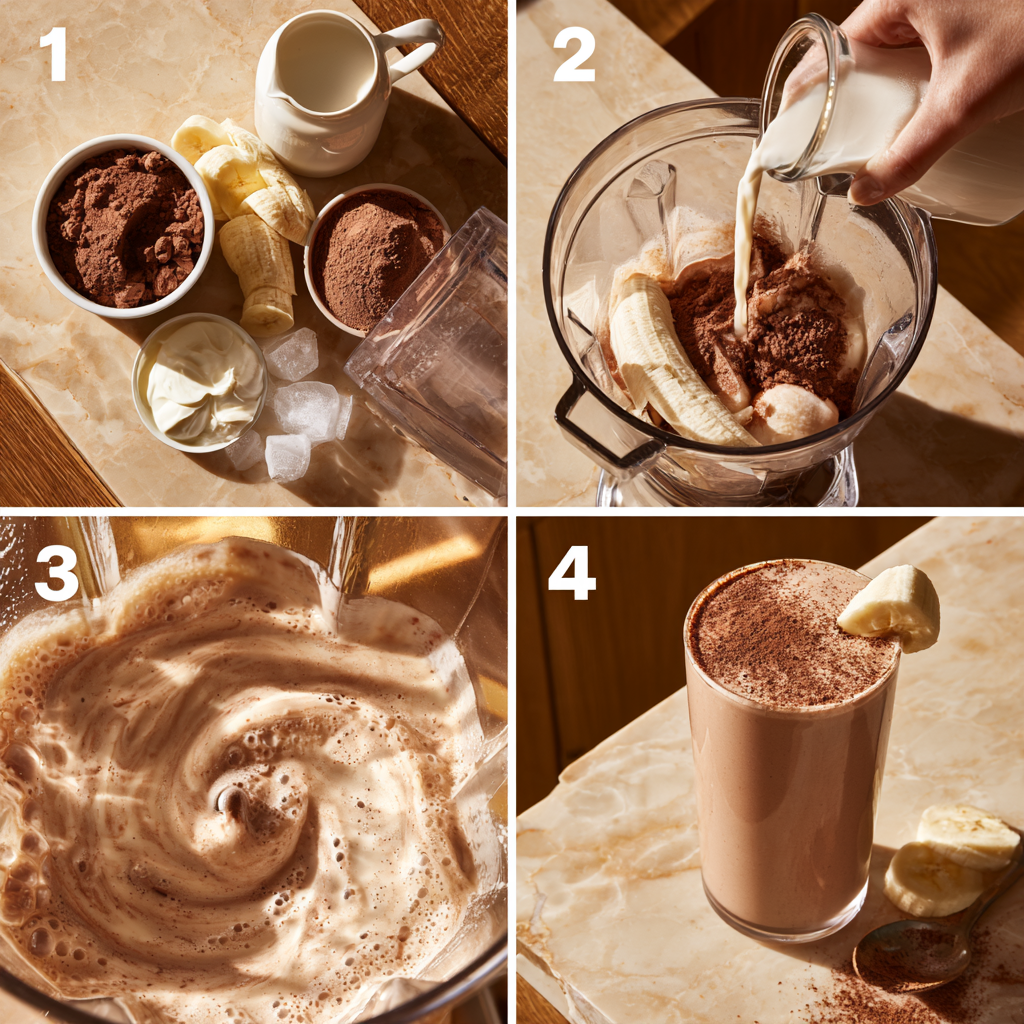
If you love chocolate milkshakes, this Chocolate Banana Protein Milkshake is about to become one of your favorites!
Rich cocoa powder, sweet ripe banana, chocolate protein powder, and creamy Greek yogurt blend together to create a thick, velvety milkshake with an indulgent chocolate flavor.
Unlike traditional chocolate milkshakes made with ice cream and sugary syrups, this homemade version gets its creamy texture from banana and yogurt.
It’s perfect for chocolate lovers who want a convenient protein-rich drink without relying on large amounts of added sugar.
Ingredients for Chocolate Banana Protein Milkshake
| Ingredient | Amount | Purpose |
|---|---|---|
| Ripe banana | 1 medium | Provides natural sweetness and a creamy texture. |
| Chocolate protein powder | 1 scoop (approximately 30 g) | Adds protein and chocolate flavor. |
| Unsweetened cocoa powder | 1 tablespoon | Creates a richer, more intense chocolate taste. |
| Plain Greek yogurt | ½ cup | Adds creaminess and protein. |
| Unsweetened almond milk | ¾ cup | Creates a smooth, pourable consistency. |
| Ice cubes | ½ cup | Makes the milkshake refreshing and thick. |
| Banana slices | 2–3, optional | For garnishing. |
| Cocoa powder | A light dusting, optional | Adds a beautiful finishing touch. |
Step 1: Prepare the Chocolate Milkshake Ingredients
Begin by peeling the ripe banana and cutting it into small pieces.
Measure the chocolate protein powder and unsweetened cocoa powder into separate small bowls.
Next, prepare the Greek yogurt, almond milk, and ice cubes.
Using unsweetened cocoa powder gives the milkshake a rich chocolate flavor without the added sugar found in many chocolate syrups.
A ripe banana contributes natural sweetness, making additional honey or sugar unnecessary for many people.
OoohDelish Tip: For an extra-creamy chocolate protein milkshake, use frozen banana slices. They create a thicker consistency and help the finished shake resemble a classic chocolate milkshake.
Step 2: Combine Everything in the Blender
Add the banana pieces to the blender, followed by the chocolate protein powder and cocoa powder.
Spoon in the Greek yogurt and add the ice cubes.
Slowly pour the unsweetened almond milk over the ingredients.
The almond milk provides enough liquid to help the blender process the banana, yogurt, and dry powders.
Make sure the cocoa powder and protein powder are distributed throughout the mixture rather than remaining in one large clump.
OoohDelish Tip: If you prefer a slightly more indulgent flavor, add a few drops of vanilla extract or a tiny pinch of cinnamon. Both complement the chocolate without requiring additional sugar.
Step 3: Blend Until Thick and Velvety
Secure the blender lid and blend on medium speed for approximately 15 seconds.
Increase to high speed and continue blending for another 20–30 seconds, or until the mixture becomes smooth.
The chocolate protein powder, cocoa, yogurt, and banana should combine into a rich, creamy milkshake with a uniform chocolate color.
Stop the blender and check the consistency.
For a thicker milkshake, add a few extra ice cubes or frozen banana slices.
For a thinner texture, pour in an additional tablespoon or two of almond milk and blend briefly.
The finished chocolate banana protein milkshake should be thick enough to feel creamy but smooth enough to drink comfortably.
OoohDelish Tip: For a stronger chocolate flavor, add another teaspoon of unsweetened cocoa powder. Cocoa provides chocolate intensity without needing chocolate syrup.
Step 4: Serve With Banana and Cocoa
Pour the chocolate banana protein milkshake into a tall glass.
Garnish the rim with a fresh banana slice and lightly dust the surface with unsweetened cocoa powder.
Serve immediately while cold and creamy.
The combination of ripe banana, cocoa, and chocolate protein powder creates a delicious dessert-like flavor, while Greek yogurt contributes additional protein and a satisfying texture.
If you enjoy chocolate-inspired smoothies, explore our Tropical Smoothie Mocha Madness Recipe for another creamy drink featuring coffee and chocolate flavors.
Strawberry vs. Chocolate Protein Milkshake: Which One Should You Choose?
Both recipes are easy to prepare and provide protein from Greek yogurt and protein powder. The best choice depends on your taste preferences and nutritional needs.
| Feature | Strawberry Banana | Chocolate Banana |
|---|---|---|
| Main Flavor | Fruity, refreshing, lightly sweet | Rich, chocolatey, naturally sweet |
| Protein Powder | Vanilla | Chocolate |
| Main Fruit | Strawberries and banana | Banana |
| Texture | Smooth, creamy, refreshing | Thick, velvety, milkshake-like |
| Preparation Time | 5 minutes | 5 minutes |
| Best For | Fruit lovers and refreshing breakfasts | Chocolate lovers and dessert-style shakes |
| Added Sugar | None required | None required |
| Serving Style | Chilled with strawberries | Chilled with banana and cocoa |
The protein and calorie content will depend on your chosen protein powder, yogurt, milk, and portion sizes. Neither variation automatically causes weight loss, but both can contribute protein as part of a balanced eating plan.
OoohDelish Tips for the Perfect Homemade Protein Milkshake
- Choose a good protein powder: Vanilla protein works beautifully with berries, while chocolate protein powder pairs naturally with banana and cocoa.
- Use frozen fruit for thickness: Frozen banana or strawberries create a creamier milkshake without needing ice cream.
- Start with less milk: It’s easier to thin a thick milkshake than to thicken an overly watery one.
- Use plain Greek yogurt: It contributes protein and creaminess without the added sugars found in some flavored yogurts.
- Avoid unnecessary sweeteners: Ripe bananas and strawberries often provide enough sweetness on their own.
- Blend just until smooth: Overblending can warm the mixture and change its texture.
- Serve immediately: Protein milkshakes taste best when freshly blended, cold, and creamy.
- Customize according to your needs: Adjust ingredients and portions to fit your nutritional requirements rather than assuming one shake will suit everyone.
Can These Protein Milkshakes Help With Weight Loss?
A homemade protein milkshake can be a convenient part of a balanced weight-management eating plan because protein may support fullness and help maintain muscle during weight reduction.
However, the overall calorie content still matters. Adding large amounts of peanut butter, syrups, ice cream, or extra protein powder can make a shake much more calorie-dense.
For an everyday breakfast, consider the shake’s protein, fiber, calories, and how satisfying it is for you.
The OoohDelish Verdict: Whether you choose the refreshing Strawberry Banana Protein Milkshake or the rich Chocolate Banana Protein Milkshake, both recipes offer a simple and delicious way to enjoy a homemade protein-rich drink. With four easy preparation steps, you can make a smooth, creamy milkshake in approximately five minutes, no complicated ingredients required!
Frequently Asked Questions About Protein Shake Recipes for Weight Loss
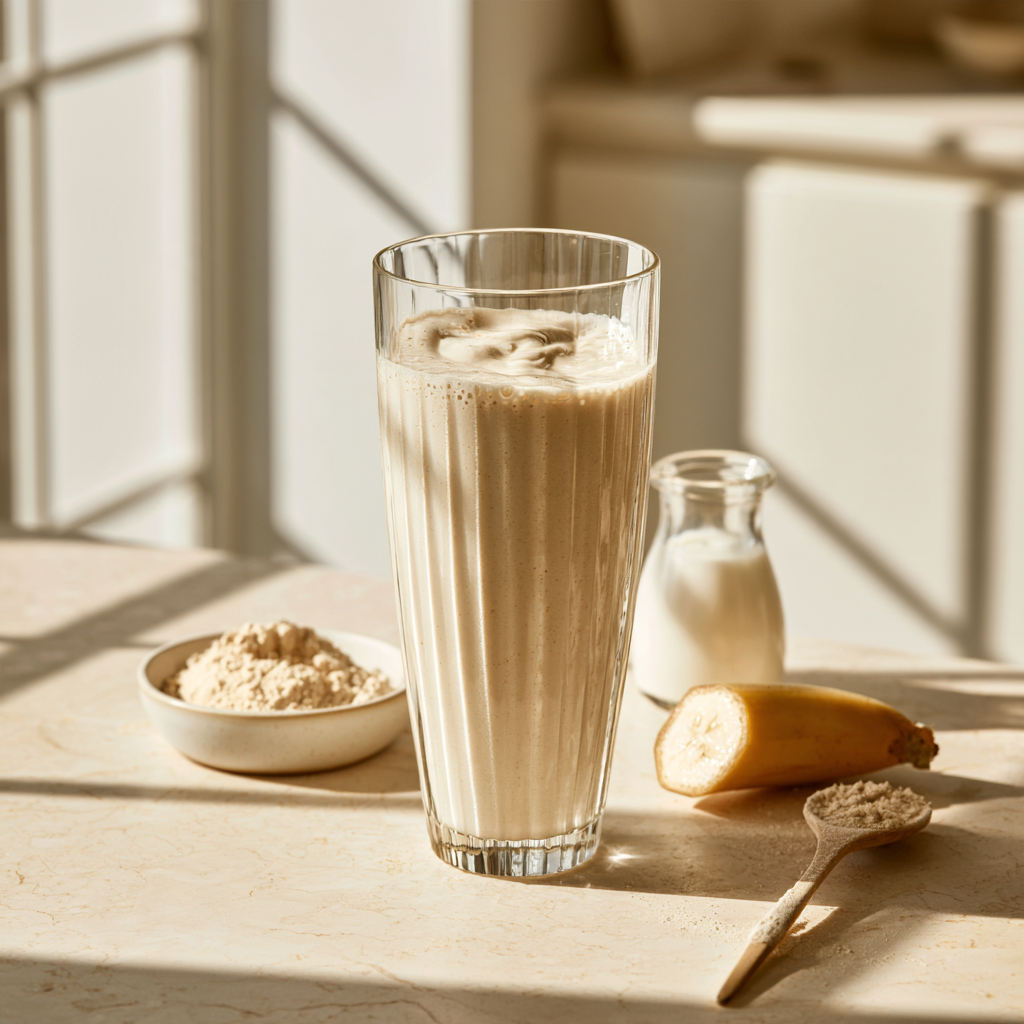
Wondering whether protein shakes can help with weight management, how much protein they contain, or when to drink them? These frequently asked questions cover everything from choosing ingredients to preparing the perfect creamy homemade protein shake.
1. Are protein shakes good for weight loss?
Protein shakes can support a weight-management eating plan when they provide useful nutrition and fit within your overall calorie needs. Protein may help promote fullness and preserve lean muscle during weight loss. However, protein shakes do not directly burn belly fat or guarantee weight loss. Their effectiveness depends on ingredients, portion sizes, and your overall dietary and activity patterns.
2. How do you make a protein shake for weight loss?
To make our Protein Shake Recipe for Weight Loss, combine 1 scoop of vanilla protein powder, 1/2 cup plain Greek yogurt, 1 medium banana, 1 cup unsweetened almond milk, 1 tablespoon chia seeds, 1/4 teaspoon cinnamon, 1/2 teaspoon vanilla extract, and 1/2 cup ice cubes. Blend for approximately 30–45 seconds until smooth and creamy. Serve immediately.
3. How many calories are in a homemade protein shake?
The calorie content depends on the ingredients and portions. A shake made with protein powder, Greek yogurt, a whole banana, unsweetened almond milk, and chia seeds may provide approximately 350–450 calories, depending on the brands. Adding peanut butter, sweetened milk, or syrup will increase the total. Calculate nutrition using your actual ingredient labels for the most accurate estimate.
4. How much protein should a weight loss shake contain?
Many homemade protein shakes provide approximately 20–40 grams of protein or more, depending on the ingredients. A scoop of protein powder often contributes around 20–25 grams, while Greek yogurt adds additional protein. There is no single ideal amount for everyone. Your needs depend on factors such as body weight, physical activity, age, and health.
5. Is a protein shake good for breakfast?
Yes. A properly prepared protein shake can be a convenient breakfast, especially when it contains protein, fruit, dietary fiber, and enough energy for your needs. Greek yogurt, banana, chia seeds, and protein powder create a more substantial shake than powder mixed with water alone. For another breakfast idea, explore our 3 Ingredient Apple Spinach Smoothie , which you can customize with additional protein-rich ingredients.
6. What is the best time to drink a protein shake for weight loss?
There is no universally best time to drink a protein shake for weight loss. You can enjoy one at breakfast, after exercise, or as a convenient snack. The most important factors are your total daily protein intake, overall nutrition, and energy balance. Drinking a shake at a particular time does not automatically increase fat burning.
7. Can I drink a protein shake every day?
For many healthy adults, a protein shake can be part of a regular, balanced diet. However, it should complement a variety of nutritious foods rather than replace all meals. Choose suitable ingredients and review the nutrition label of your protein powder. People with kidney disease, protein restrictions, allergies, or other relevant medical conditions should seek individualized professional advice.
8. Is banana good in a protein shake for weight loss?
Yes. Banana adds natural sweetness, creamy texture, potassium, and carbohydrates to a homemade protein shake. Using frozen banana can create a milkshake-like consistency without ice cream. However, bananas still contribute calories and carbohydrates, so the portion should fit your nutritional needs. Half a banana is an easy option for a smaller shake.
9. Can I make a protein shake without protein powder?
Absolutely! Protein powder is convenient but not essential. You can prepare a protein-rich smoothie using plain Greek yogurt, cottage cheese, milk, or high-protein soy beverages. For example, blend Greek yogurt, milk, berries, and chia seeds for a creamy homemade shake. The total protein will vary depending on your ingredients and serving sizes.
10. Can I make this protein shake dairy-free or vegan?
Yes. Replace the Greek yogurt with an unsweetened plant-based yogurt and use a vegan protein powder made from soy, pea, or another plant protein source. Unsweetened almond milk is already dairy-free, although soy milk generally provides more protein. Choose a high-protein plant-based yogurt if you want a similar protein content to the original recipe.
11. What is the best protein powder for weight loss shakes?
The best protein powder depends on your dietary needs, preferences, and tolerance. Whey protein is a popular option because it provides all essential amino acids. Soy and suitable blended plant-based powders are alternatives for people avoiding dairy. Look for adequate protein per serving, reasonable added sugar, transparent labeling, and independent quality testing when available. No protein powder directly causes weight loss.
12. How do you make a protein shake thick and creamy?
For a thick, creamy protein shake, use frozen banana, Greek yogurt, and a small amount of milk to start. Add more liquid gradually until you reach the desired consistency. A few ice cubes or frozen berries can also help. Avoid adding too much milk at once because this can make the shake watery.
13. Can I make a chocolate protein shake for weight loss?
Yes! Replace the vanilla protein powder with chocolate protein powder and add 1 tablespoon of unsweetened cocoa powder for a richer chocolate flavor. Blend with banana, Greek yogurt, almond milk, and ice until smooth. For more chocolate and coffee-inspired smoothie ideas, explore our Tropical Smoothie Mocha Madness Recipe . Adjust the ingredients to fit your preferred nutrition and flavor.
14. Can you make a protein shake ahead of time?
Yes, although protein shakes are usually best enjoyed immediately after blending. If preparing one ahead, transfer it promptly to a clean, airtight container and refrigerate at 40°F (4°C) or below. For the best taste and texture, consume within 24 hours. Separation and thickening are normal, so shake or stir before serving. You can also freeze individual fruit portions and blend them fresh when needed.
15. What other ingredients can I add to a healthy protein shake?
Homemade protein shakes are easy to customize with frozen berries, oats, chia seeds, spinach, unsweetened cocoa powder, cinnamon, or measured portions of nut butter. For a tropical flavor, try pineapple and a small amount of avocado. Our Avocolada Tropical Smoothie Recipe offers delicious inspiration. Remember that additions change calories, protein, fiber, and fat, so adjust portions to suit your needs.