

A really good recipe for Bearnaise Sauce Recipe is one of the best ways to show off your skills in classic French cooking-creamy, buttery, and so rich that even the most ordinary meal becomes restaurant quality.
Based on the same recipe as hollandaise sauce, but adding tarragon, shallots, vinegar reduction and a touch of peppery heat that makes the whole thing into its own entity.
It’s the sauce that chefs are proud of, and when made well, it has the perfect balance: thick yet a bit sour, too, indulgent and not heavy at all.
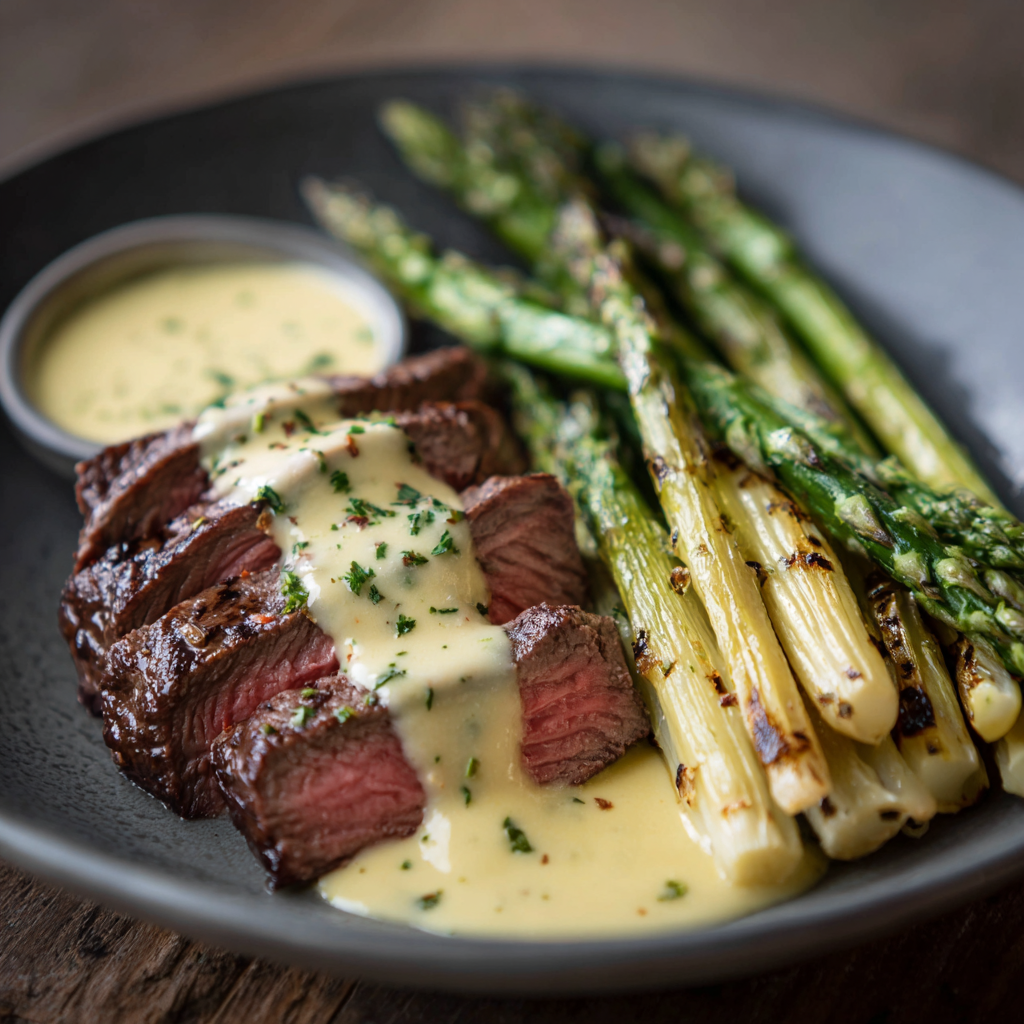
What makes Bearnaise sauce so iconic is its versatility. It’s the kind of sauce that elevates anything it touches from perfectly-fried steaks to roasted vegetables and fish.
If you like the bold and buttery flavor of dishes such as Air Fryer Swordfish, crave something comforting like Air Fryer Short Ribs or look for a sauce that will bring a bowlful of complex flavor to life in your kitchen, then Bearnaise should suit your tastes just right.
The interplay of herbs, acidity and creaminess is hard to top.
No matter how famous, Bearnaise can actually be made at home with some patience and the right technique; once mastered, you will wonder how you ever lived without it. Whether you’re entertaining, making weekday meals more special or just want that finishing touch like a chef, then this recipe for Bearnaise Sauce will add flavor and elegance to every bite.
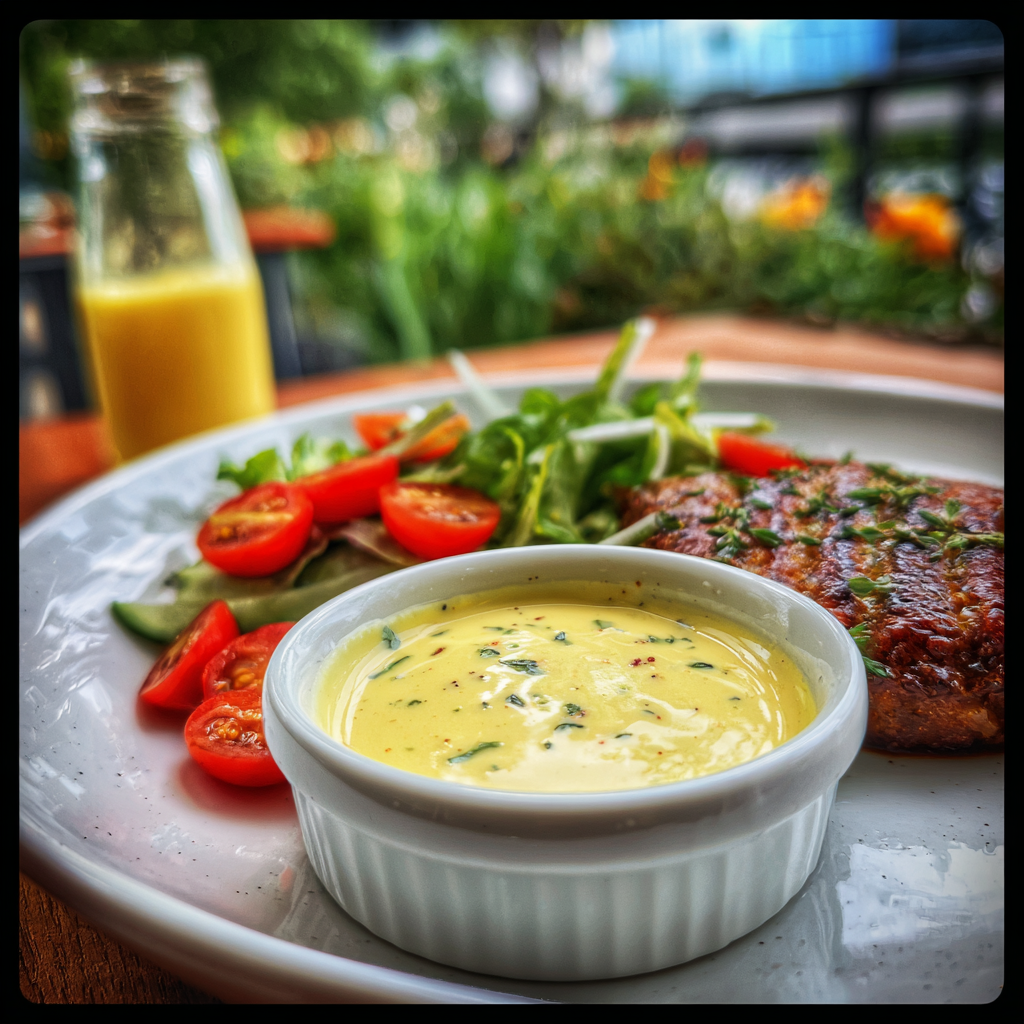
Origins of Bearnaise Sauce Recipe
As one of the most intriguing classic French cooking origin stories, Bearnaise sauce has a unique place all its own. Today, this luxurious steakhouse staple is renowned around the globe. Still, actually, it was an accident of history – created in Tyuik just a stone’s throw from Bordeaux and not in Bayonne as surely many readers believe.
Chef Collinet, Jean-Louis Françoise Collinet, was a well-known French chef and food professional who was regarded as an expert in the field. The origins of the sauce are often attributed to him, but it has been in existence at least since 1837, when he was experimenting with variations on hollandaise sauce. Taking it upon himself to leave out the lemon but to introduce shallots and tarragon into the basic concoction owes more than a little bit to chervil. The latter ingredient, a peculiar-tasting herb used extensively for wild salads in Italian cooking, makes this herb-laced base distinctly alluring and modern. Thus, hollandaise sauce was transmuted into what we know as Bearnaise sauce: a rich, complex perfume, given only if one may so put it, a kind of whiff.
The word “Bearnaise” was chosen in honor of Collinet’s home province, Bearn, in Gascony. So it is that although the sauce was created near Paris, its flavors (especially the strong tarragon and other herbs) are memories of the rustic, fragrant living stolidly eaten by bearnaise grub urchins.
When French haute cuisine spread around the world, Bearnaise sauce became a symbol of fine dining in no time. This thick emulsion blended smooth butter with sharp herbal accents, making it a match of choice for grilled steaks, roasted vegetables, simple poached fish (no butter) and even eggs. And so it remains today one of the most famous sauces in world cooking history testament to French technique, inspiration and culinary artistry.
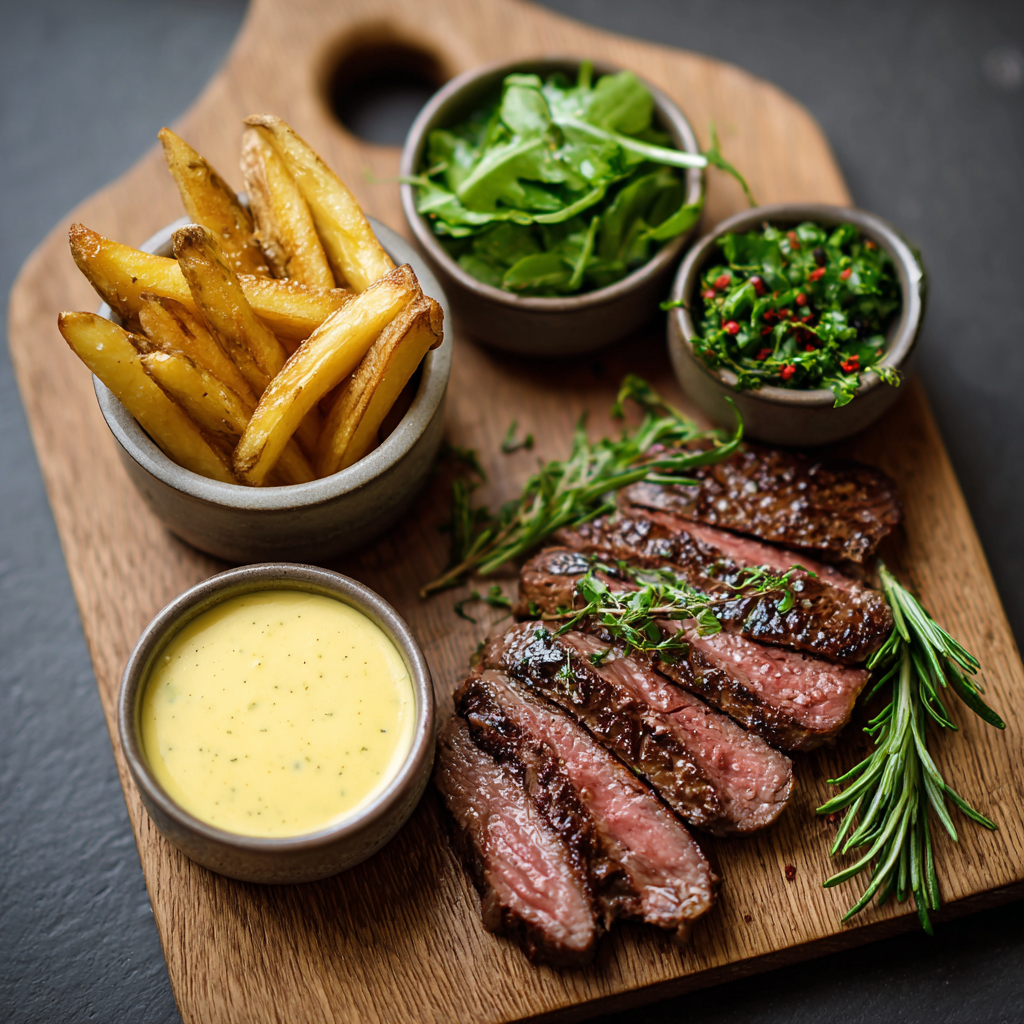
Health Benefits of Bearnaise Sauce Recipe
One of the most distinctive elements of Bearnaise sauce is its fine flavor, but the ingredients also have some amazing nutritional advantages. Although it should be eaten in moderation, Bearnaise contributes beneficial compounds from the herbs, eggs and butter it employs that are essential to overall health. For example, tarragon and chervil are full of antioxidants while eggs provide quality protein, vitamins and minerals.
And when served with whole foods–such as lean proteins, fresh vegetables, or soups like our Carrot and Parsnip Soup and light salads like Apple Chickpea Salad–; it can fit into a balanced, nutritious meal.
Below is a clear breakdown of the main nutritional components.
📊 Health Benefits Table (Ingredient-Based)
| Ingredient | Key Nutrients | Health Benefits |
|---|---|---|
| Egg Yolks | Vitamins A, D, E, K, choline | Supports brain health, hormone balance, and nutrient absorption. |
| Butter | Healthy fats, vitamin A | Provides energy, supports skin & eye health when consumed in moderation. |
| Tarragon | Antioxidants, manganese | Helps reduce oxidative stress and supports metabolic function. |
| Chervil | Vitamin C, carotenoids | May support immune health and reduce inflammation. |
| Shallots | Antioxidants, quercetin | Supports heart health and immune defense. |
| White Wine Vinegar | Acetic acid | Helps with digestion and adds acidity without heavy calories. |
| Peppercorns | Piperine | May support digestion and enhance nutrient absorption. |
Light Pairing Ideas
Use Bearnaise sauce in moderation and pair it with lighter dishes from OoohDelish to balance richness:
- Serve with grilled proteins like alongside the fresh flavor of Air Fryer Swordfish.
- Complement it with vibrant soups such as Italian Pumpkin Soup.
- Add balance with hydrating herbal drinks like Honey Lemon Tea or Chamomile Tea with Lemon & Honey.
These pairings help round out the meal so the sauce enhances flavor without overwhelming your diet.
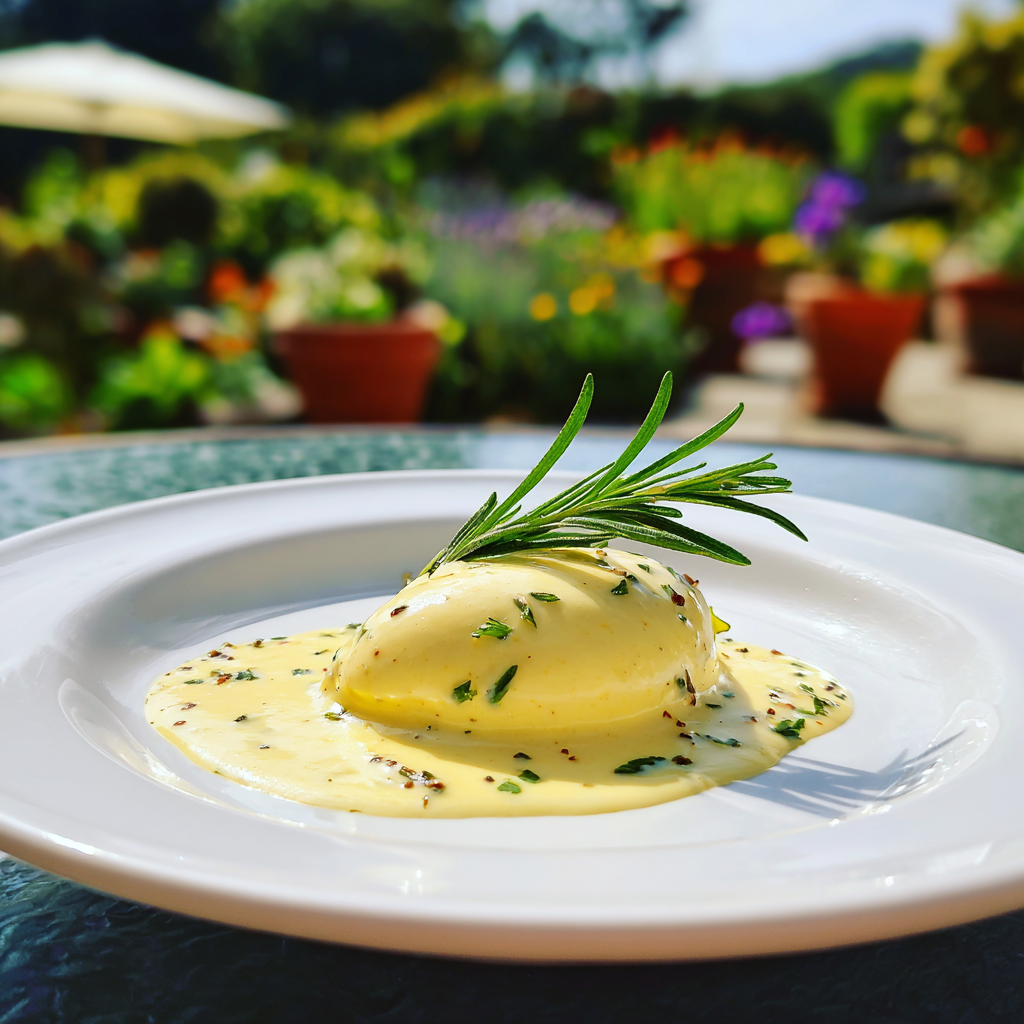
Tips & Tricks for the Perfect Bearnaise Sauce recipe
- To control temperature, increase or decrease it as needed, start from the very beginning and continue through. Béaarnaise, being an emulsified sauce, when egg yolks become too you begin seeing this phenomenon called curdling. Over very gentle heat, Cook over a water-bath, and take the bowl off when it starts to thicken too quickly anyway balanced by lighter proteins such as Air Fryer Swordfish for a successful dish.
- Reduce the vinegar mixture by half its original volume. This concentrates the flavour of shallots, tarragon, peppercorns and vinegar coating Bearnaise with its signature aroma and depth. Rushing this step means that you end up with a sauce that is sharp in either taste or balance.
- Use clarified butter for a smooth, firm texture. Adding the butter a little at a time–literally one drop per second in the beginning–is the key to forming an emulsion. As the mixture thickens, this flow can be increased a little. The meal feeling too heavy is something to remember when choosing vegetables or, as in the case of this dish, some comfort-like soup such as Carrot and Parsnip Soup.
- Continuously and vigorously for as long as it’s cooking. Remove from heat, whisking like you have to do when making all good recipes made on the stove. This is the secret of creamy as opposed to thick sauce. The whisking action prevents the eggs from flocking together uncontrollably on the heat and also ensures that the butter goes in evenly.
- Add fresh tarragon at the end to make the flavour light up. Let some of the herb cook in the reduction for depth, but always fold in an extra pinch of fresh tarragon at the last moment for maximum aroma.
- Fix a broken sauce using the classic chef’s methods: warm water by a teaspoonful at a time into the raw yolk as you whisk hard, or start another yolk off in a clean bowl and pour your ruined sauce in very slowly, whisking vigorously all along the way. Even professional kitchens use this trick.
- Sauces warm properly by putting the bowl in warm water (never hot). Direct heat causes the sauce to separate, so residual heat is best for holding sauces 20 to 30 minutes.
- Balance the richness with lighter corners such as lean seafood or vegetable dishes, and drink that’ll warm you up. A meal like Béaumaisse deserves the charming flavors of Italian Pumpkin Soup, a Chilled Bowl of Water & Honey, at least not to feel too heavy as we sit down.
Bearnaise Sauce Recipe From OoohDelish!
Bearnaise sauce Recipe brings a touch of richness and glamour to any dish, a rich, silky and aromatic French classic, comfortable in its own browned presence. It is made from tarragon, vinegar, and clarified butter; this unusual combination of ingredients brings the perfect blend of creaminess and piquancy. Sprinkled over steak, chicken or fish, it will gently enhance their flavor. Now you can get restaurant-quality sauce at home with just a bit of effort! Smooth, elegant, with a rich taste; a quick guide for any home cook.
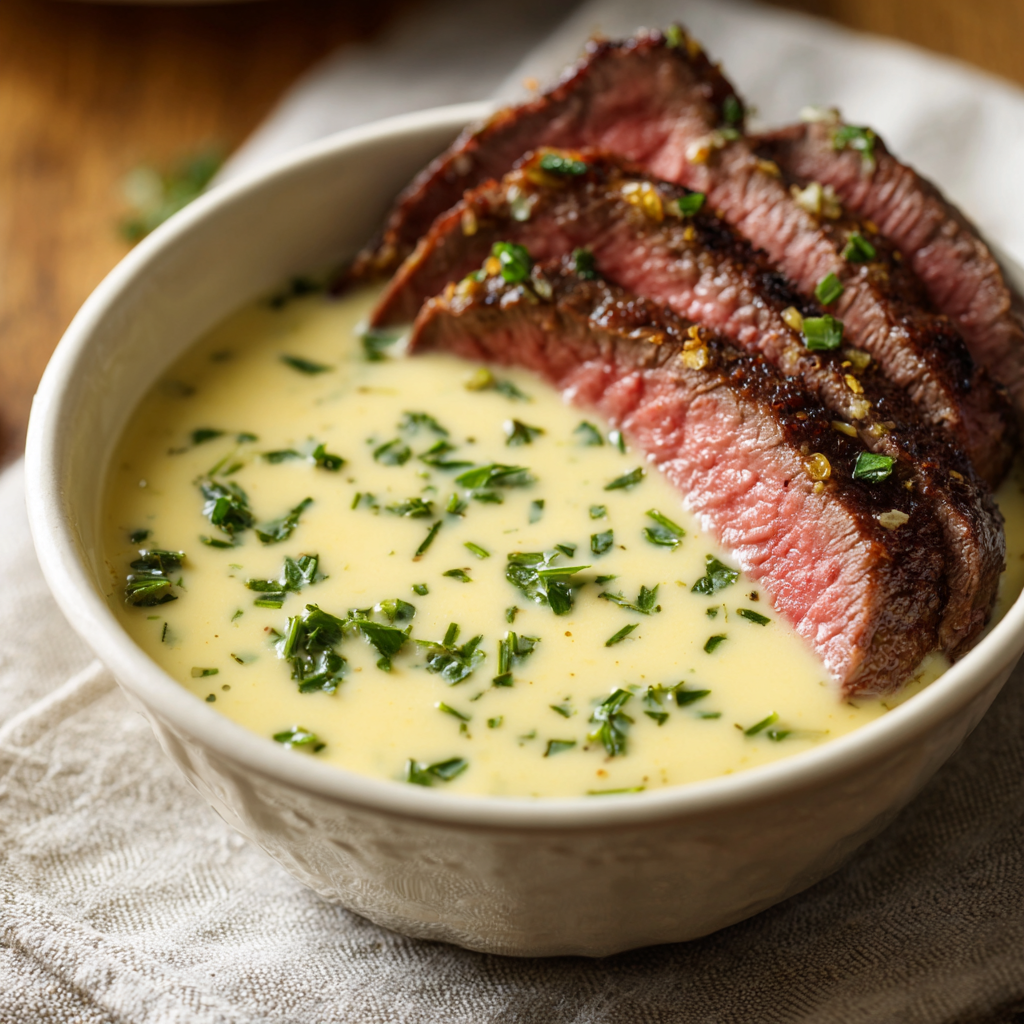
Bearnaise Sauce Recipe
Ingredients
Equipment
Method
- Combine shallots, vinegar, water, and half the tarragon in a small saucepan. Simmer until reduced to about 1 tablespoon.
- Strain the mixture and allow it to cool slightly.
- Whisk egg yolks and lemon juice in a heatproof bowl until lightly thickened.
- Set the bowl over simmering water, whisking continuously until the yolks begin to thicken.
- Slowly drizzle in the warm clarified butter while whisking constantly to form a smooth, glossy sauce.
- Mix in the remaining tarragon, parsley, salt, pepper, and cayenne.
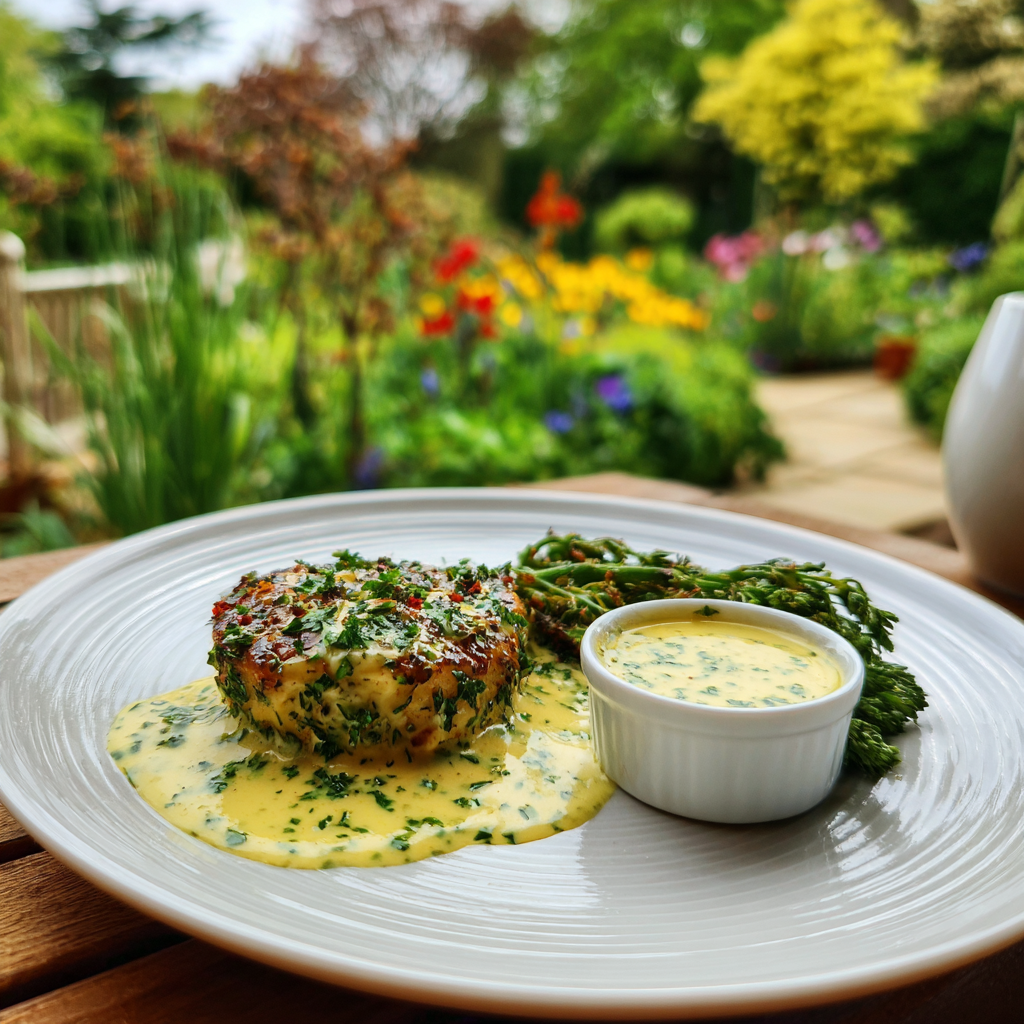
- Serve immediately over steak, chicken, vegetables, or seafood.
Notes
- Maintain low heat to avoid scrambling the yolks.
- If the sauce becomes too thick, whisk in 1 teaspoon warm water.
- Best served fresh; Bearnaise does not store well and should not be refrigerated.
Share Your Twist
Did you turn this Bearnaise Sauce Recipe into something brighter, richer, bolder, or totally original? Maybe you added a squeeze of extra lemon for more tang, whisked in a pinch of cayenne for heat, or swapped the classic tarragon with a fresh herb blend of your own. Whether you drizzled it over steak, spooned it onto veggies, or paired it with your favorite homemade dish, your twist matters and we want to see it!
📸 Snap a photo and tag your creation with #OoohDelishTwist so we can admire your masterpiece.
💌 Got a twist worthy of the spotlight? Send it to contact@ooohdelish.com your version just might be featured in our next community roundup!
FAQs: Bearnaise Sauce Recipe
FAQ – Bearnaise Sauce Recipe
What makes this Bearnaise Sauce Recipe taste so rich and silky?
This Bearnaise Sauce Recipe gets its luxurious texture from the slow emulsification of warm clarified butter into egg yolks, giving it a smooth, restaurant-quality finish.
Can I make this Bearnaise Sauce Recipe without a double boiler?
Yes. You can place a heatproof bowl over a pot of gently simmering water. This helps control the temperature so the eggs thicken without scrambling.
How do I keep my Bearnaise Sauce Recipe from curdling?
Keep the heat very low and whisk constantly. If the sauce gets too hot, the yolks can overcook. Adding a teaspoon of warm water can help stabilize the mixture.
Can I prepare this Bearnaise Sauce Recipe ahead of time?
Bearnaise Sauce is best served fresh, but you can hold it warm for 20–30 minutes by keeping it over very low heat and whisking occasionally.
Why does my Bearnaise Sauce Recipe sometimes turn too thick?
If your Bearnaise becomes too thick, simply whisk in a small splash of warm water or lemon juice to loosen and rebalance the consistency.
Leave a Reply