

Filipino Recipe Beef Caldereta: Hearty, robust and downright soothing, beef caldereta is one of those dishes that seems to tell a story the minute it starts simmering. There is no dish more quintessentially Filipino than this beef stew, pure comfort food at its best, with soft, succulent meat swimming in a thick, savory tomato sauce alongside sweet caramelized onions. It’s robust without being leaden, fiery without being incendiary, and it is always intended to be shared, preferably with an enormous pot of rice and even bigger conversations around the table.
It is this balance of practicality and indulgence that makes beef caldereta so beloved. It’s one of those classics born out of centuries-old tradition, cooked for generations to celebrate or feast with family and friends, transforming less expensive cuts such as beef into melt-in-the-mouth tender bites through slow simmering. That old, slow-build-up of flavor is like some other comforting dishes you already know and love on OoohDelish, such as the Beef Pares Recipe, where almost all the work belongs to time and a good technique.
Filipino recipe beef caldereta has everything going for it: authentic Filipino beef stew, caldereta recipe, simmered beef in tomato sauce and a comfort food that has so much flavor. It’s flexible, forgiving, even better the next day and ideal for weeknight meals or entertaining.
This dish, you see, is more than just a feed for the masses. Beef caldereta is a dish that’s warm, patient and flavors built with love; the kind of recipe earned for its spot in your kitchen rotation.

- Origins of Filipino Beef Caldereta
- Health Benefits of Filipino Recipe Beef Caldereta
- Tips and Tricks for the Best Filipino Beef Caldereta
- Why You Should Add Filipino Recipes to Your Cuisine
- Filipino Recipe Beef Caldereta From OoohDelish!
- Share Your Twist on This Filipino Beef Caldereta Recipe!
- FAQs: Filipino Recipe Beef Caldereta
Origins of Filipino Beef Caldereta
Filipino recipe for beef caldereta and its beginnings. This is an example of the long history in “stew” cooking tradition of the Philippines, the adapting of influences from these propagating cultures, becoming uniquely combined by local ingredients and taste. Caldereta is commonly thought to be derived from Spanish caldereta (meaning cauldron), a slow-cooked meat stew made popular during the Spanish colonial rule. Filipino cooks took over, and they made it their own richer, bolder and more deeply savory.
Filipino beef caldereta, on the other hand, is derived from its European progenitor with a tomatoey sauce spiked with what’s in your pantry and left to braise long. More often in the past, they’d include tough cuts of beef so that Caldereta could be a dish for everyday eating and special occasions, from fiestas to holidays to family meals. The slow-cooking process gave flavors time to deeply develop, so basic ingredients became something soul-soothing.
This style of cooking, patient simmering, layered flavors and meals to share, is not that dissimilar from other iconic Filipino comfort dishes, like the popular Beef Pares Recipe you’ll find on OoohDelish. Both dishes show how Filipino cooking favors time, depth and balance over speed.
Nowadays, beef caldereta is one of the most well-known Filipino stews. It’s about resilience and innovation, but also the Filipino genius for reshaping borrowed ideas into something with a taste that belongs to no other culture, rich and hearty and entirely itself.

Health Benefits of Filipino Recipe Beef Caldereta
Beyond its rich, comforting flavor, Filipino recipe beef caldereta offers meaningful nutritional value, especially when prepared at home with quality ingredients and slow-cooked the traditional way. The combination of beef, tomatoes, and aromatics creates a hearty dish that nourishes as much as it satisfies.
Health Benefits Table (Per Serving – Approximate)
| Nutrient / Component | Why It Matters | Health Benefit |
|---|---|---|
| High-Quality Protein (Beef) | Essential amino acids | Supports muscle repair, strength, and long-lasting satiety |
| Iron | Crucial for oxygen transport | Helps prevent fatigue and supports healthy red blood cells |
| Zinc | Immune and metabolic support | Aids immune defense and wound healing |
| B Vitamins (B12, B6, Niacin) | Energy metabolism | Supports brain function and energy production |
| Collagen & Gelatin (Slow Cooking) | Released from connective tissue | Supports joint comfort and gut health |
| Tomatoes (Cooked) | Rich in lycopene | Antioxidant linked to heart health and reduced inflammation |
| Garlic & Onions | Natural bioactive compounds | Support immune function and cardiovascular health |
| Healthy Fats (Controlled at Home) | Flavor carrier | Improves nutrient absorption when used in moderation |
| Low Added Sugar | Savory profile | Helps keep blood sugar impact lower than sweet stews |
| Meal Density | Balanced macros | Fewer cravings due to protein-rich, filling nature |
Why Beef Caldereta Can Be a Balanced Comfort Meal
- Slow cooking improves digestibility, making tougher cuts tender and easier to process
- Protein-forward composition helps keep you full longer
- Tomato-based sauce adds antioxidants without heaviness
- Homemade control allows you to manage salt and fat levels
When enjoyed in reasonable portions and paired with simple sides, beef caldereta delivers comfort with substance, proof that classic dishes can be both indulgent and nourishing.

Tips and Tricks for the Best Filipino Beef Caldereta
These are the secrets that allow you to make a deliciously rich, tender beef caldereta in the classic Filipino tradition with full-bodied flavor, as it should be comforting, heavy on flavors and satisfying.
- Choose the right cut of beef.: Chuck, brisket or beef shank is best. These slices contain enough connective tissue to become tender with a low simmer.
- Brown the beef first: Browning the beef (and vegetables) before simmering creates a richer, more intricate flavor base and eliminates a flat-tasting sauce.
- Simmer low and slow: Caldereta should never be rushed. This way, the gentle heat can simmer out the beef and thicken the sauce on its own!
- Use a heavy pot: A heavy-bottomed pot will ensure even heat and less chance of scorching as the sauce reduces.
- Let the sauce reduce naturally: Don’t ladle in too much liquid to begin with. Caldereta is about a thick, luscious sauce, not a soupy state.
- Taste and adjust near the end: Flavors will soften while the stew simmers, so be sure to season with salt and spice in the last 10-15 minutes.
- Rest before serving: Let the caldereta stand off the heat for 10 minutes. That lets flavors meld, and the sauce clings more closely to the beef.
- Even better, the next day: One of those Pinoy stews that’s better the next day, beef caldereta will taste all the more opulent after a night slumbering in the fridge.
- Serve simply: Steamed rice is the ideal sidekick; it sops up some of that sauce without taking any of the spotlight from this powerhouse stew.
Follow these guidelines and your Filipino recipe beef caldereta will be straight up deeply savory, fall apart and deserving of any family table, just like other slow-simmered classics on OoohDelish such as Beef Pares Recipe.
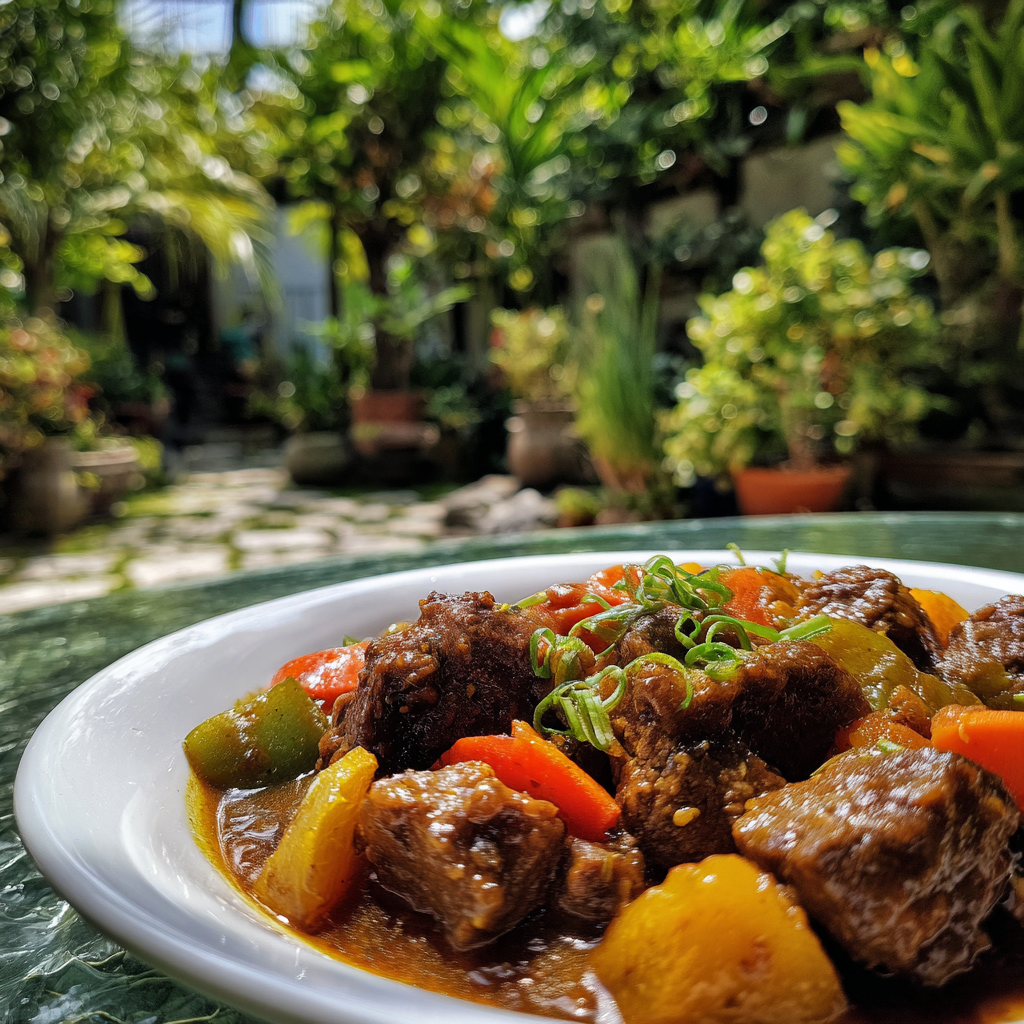
Why You Should Add Filipino Recipes to Your Cuisine
Bringing Filipino recipes into your kitchen is not just about trying something new; it’s about welcoming a cuisine of balance, comfort and deep, layered flavors. The cuisine, which we know so well in New York, is a mix of savory and sour flavors interwoven with some forms of subtle sweetness (think: pork fat and shrimp paste) that is exciting but also surprisingly easy to understand upon the first taste.
One of the best reasons to delve into Filipino cooking is its reverence for time and technique. A lot of the greats are also simmered, slow-cooked and braised, techniques that turn simple components into complex dishes. Beef Pares Recipe 👉 Beef Pares Recipe is one of them. Adopt a little patience, and you embrace becomes something hearty and downright restorative: Beef Pares Recipe. The concept is the same with dishes like beef caldereta, flavor develops over time and not all at once.
Filipino food is, likewise, extremely pragmatic and versatile. Recipes are built around feeding families and stretching ingredients, tasting better the next day. This makes them great for meal prep, parties and everyday cooking. Like other comforting recipes on OoohDelish that look to smart cooking over complexity, Filipino recipes pay back the cook who appreciates depth more than fuss.
Another is to introduce Filipino cooking into your rotation of recipes that you rely on and cook again and again. And then there’s the fact that Filipino recipes have a global impact with a local heart. It’s decades, and Filipino food is the new darling of cuisine omnivores. However, everything on typical plates is anchored in centuries of cultural exchange. It’s bold but not overwhelming, hearty but not heavy, and it’s always supposed to be shared.
In other words, when you add Filipino recipes to your repertoire, you’re adding dishes that are flavor-driven, family-focused and heartily satisfying. And when you begin to cook them, they don’t feel “foreign” at all; they seem like recipes were missing from your kitchen.

Filipino Recipe Beef Caldereta From OoohDelish!
This Filipino recipe beef caldereta is rich, hearty, and full of deep, slow-built flavor.
Tender beef simmers gently in a savory tomato-based sauce.
Perfect for family meals and special gatherings.
Comforting, bold, and even better the next day.
A true Filipino classic worth mastering at home.
Filipino Recipe Beef Caldereta
Ingredients
Equipment
Method
- Brown the beef: Heat oil in a pot over medium heat. Add beef and brown on all sides. Remove and set aside.
- Build the base: In the same pot, sauté onion and garlic until fragrant.
- Simmer the stew: Return beef to the pot. Add tomato sauce, water or broth, bay leaf, salt, and pepper. Bring to a boil, then reduce heat and simmer for 60-75 minutes until beef is tender.
- Add vegetables: Add potatoes and carrots. Cook for 10-15 minutes until tender.
- Finish and rest: Add bell pepper and simmer for 5 more minutes. Remove from heat and let rest before serving.
Notes
- Chuck beef works best for tender caldereta.
- Simmer gently to avoid tough meat.
- Caldereta tastes even better the next day as flavors deepen.
- Serve hot with steamed rice for an authentic experience.
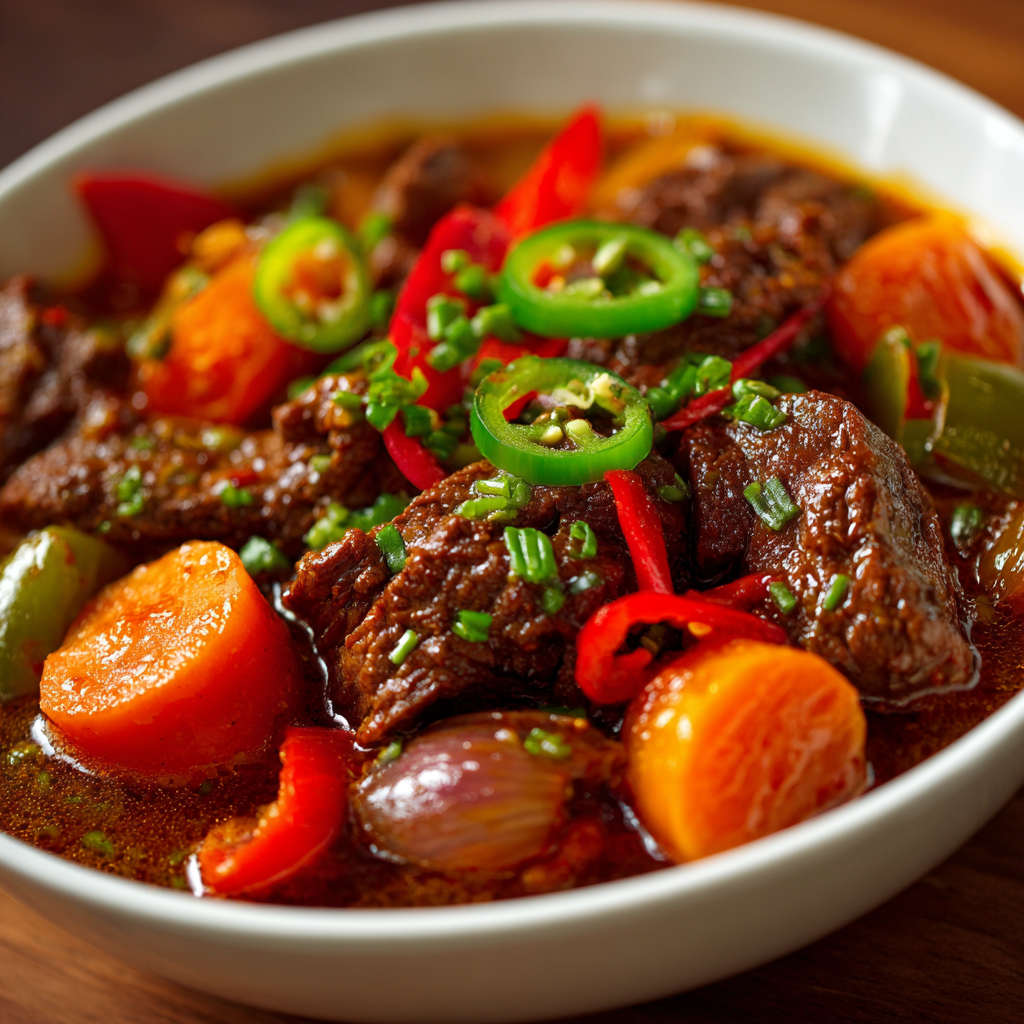

Share Your Twist on This Filipino Beef Caldereta Recipe!
Did you make your beef caldereta extra rich by letting it simmer longer until the sauce turned deeply velvety?
Maybe you added more vegetables for a heartier pot or kept it classic and beef-forward.
Some cooks like it thicker and bold; others prefer a lighter, saucier finish over rice.
However you made it, that slow-cooked comfort is your signature.
📸 Tag your creations with #OoohDelishTwist on Instagram or Facebook you might be featured!
💌 Want to share your version? Email us at contact@ooohdelish.com.

FAQs: Filipino Recipe Beef Caldereta
What is Filipino beef caldereta?
Filipino beef caldereta is a traditional stew made with beef slowly simmered in a rich tomato-based sauce with vegetables and aromatics.
What cut of beef is best for caldereta?
Chuck, brisket, or beef shank work best because they become tender and flavorful with slow cooking.
How long should beef caldereta simmer?
Beef caldereta should simmer for 60–90 minutes on low heat until the meat is fork-tender and the sauce thickens.
Can I make beef caldereta ahead of time?
Yes. Caldereta tastes even better the next day as the flavors deepen after resting.
Why is my caldereta sauce too thin?
A thin sauce usually means too much liquid or not enough simmering time. Let it cook uncovered to reduce naturally.
What should I serve with beef caldereta?
Beef caldereta is traditionally served with steamed rice, which balances the rich, savory sauce.
Can I freeze beef caldereta?
Yes. Freeze cooled caldereta in airtight containers for up to 2 months. Thaw gently before reheating.
Leave a Reply