

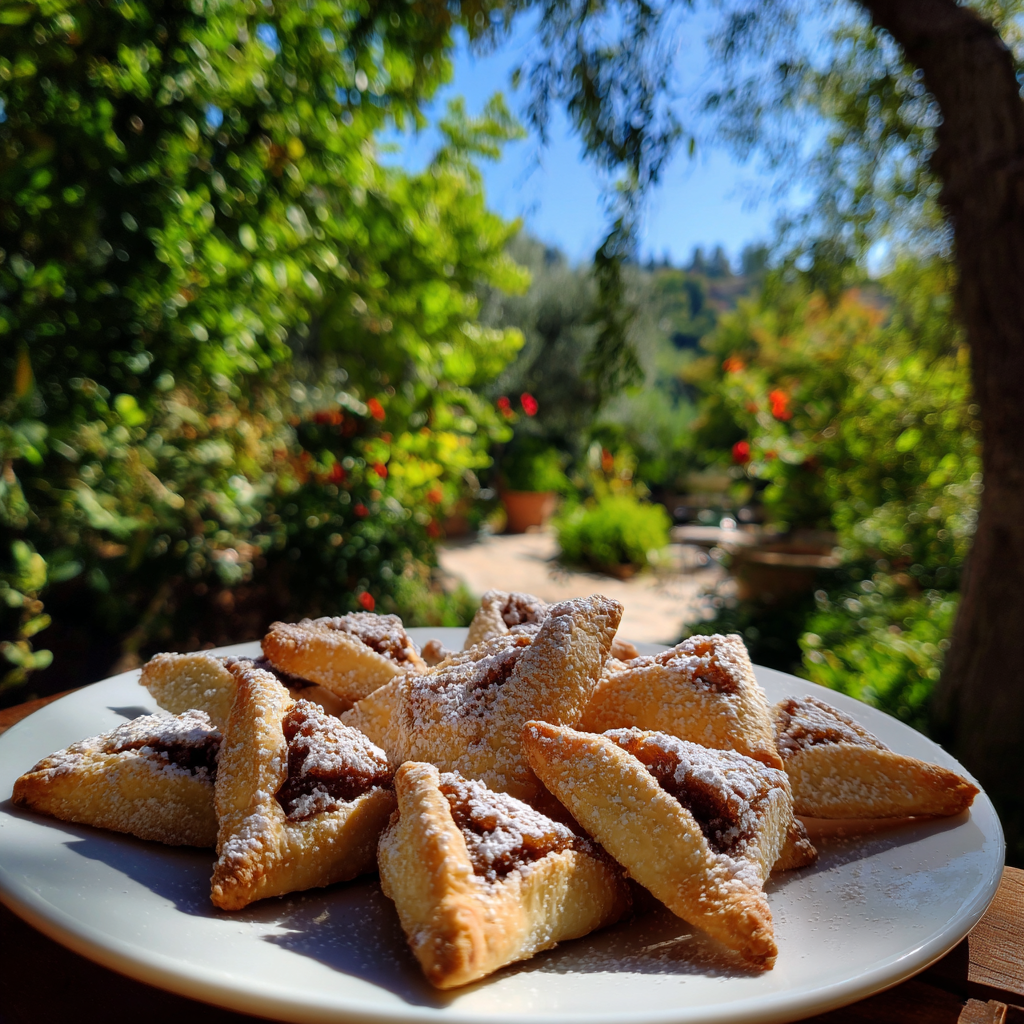
Delicate, golden, and filled with sweet surprises, this Hamantaschen Recipe celebrates the joy of tradition, family, and flavor. These iconic triangle-shaped cookies are a staple of the Jewish holiday Purim, symbolizing happiness, resilience, and a touch of sweetness in every bite. With a tender, buttery crust and fruit or chocolate filling, they’re as beautiful to look at as they are delicious to eat.
What makes Hamantaschen so special is their balance. The pastry is soft yet crisp at the edges, gently hugging a center of jam, poppy seed, or chocolate. They’re perfect for baking with loved ones, gifting to friends, or serving alongside cozy drinks like our Wassail Recipe during festive gatherings. Much like the comfort of our Pecan Sandie Cookie Recipe, these cookies bring warmth, nostalgia, and joy to any table.
Though rooted in Jewish heritage, Hamantaschen have become a beloved global treat, a playful mix of culture and creativity. Every family has its own version: some prefer crisp, buttery dough, others favor soft, cakey textures. And with endless filling options from raspberry jam to Nutella or lemon curd, there’s always room to make them uniquely yours.
Whether you’re honoring Purim or just craving a cookie with character, this Hamantaschen Recipe brings a touch of tradition, a dash of sweetness, and a whole lot of heart to your kitchen.
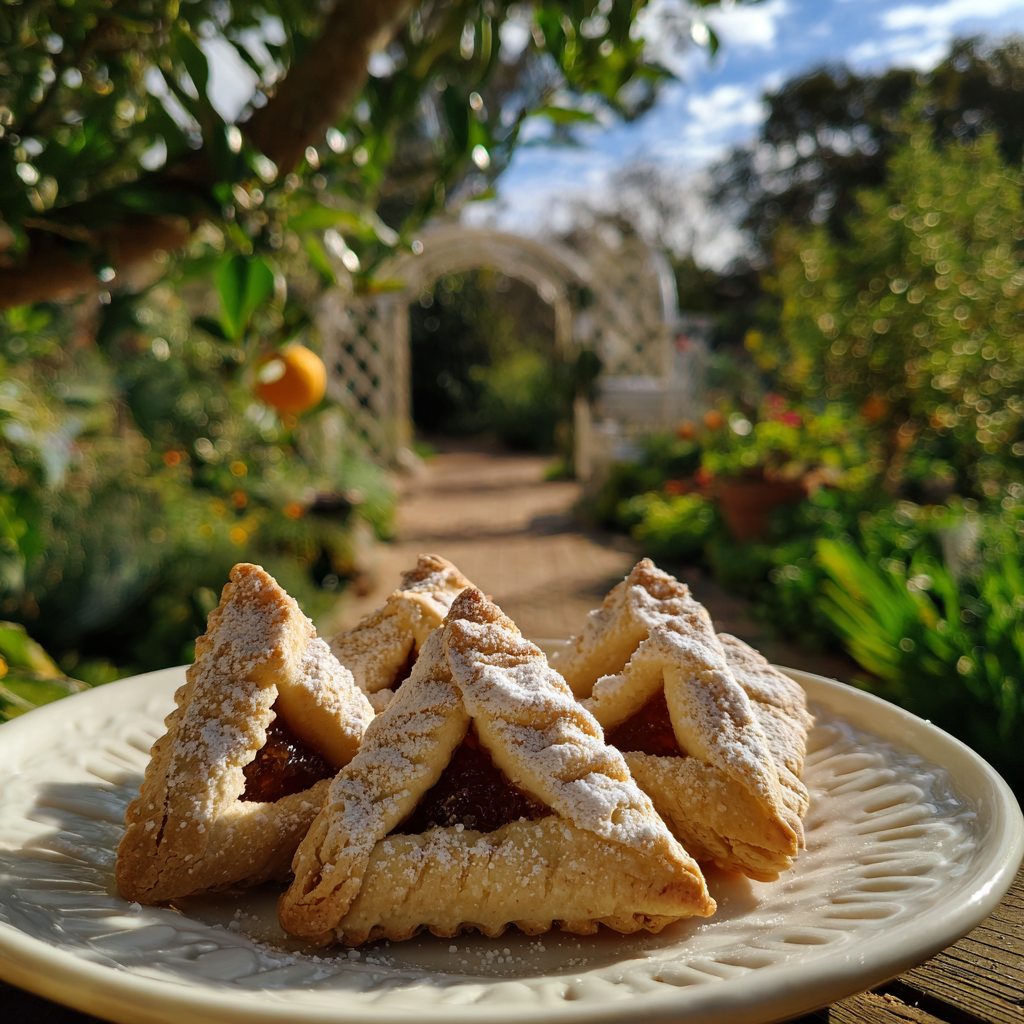
Origins of the Hamantaschen Recipe
The Hamantaschen Recipe carries a story as rich and layered as the cookies themselves. These three-cornered pastries date back hundreds of years and are deeply tied to Purim, a joyous Jewish holiday that celebrates courage, triumph, and community. The name Hamantaschen comes from “Haman,” the villain in the biblical Book of Esther, whose plot to harm the Jewish people was famously foiled. The triangle shape is said to symbolize Haman’s hat or ears, a clever and symbolic way of turning a dark story into a celebration of resilience and sweetness.
The earliest versions of Hamantaschen appeared in Central and Eastern Europe, particularly among Ashkenazi Jewish communities. In the 16th and 17th centuries, bakers filled them with poppy seeds, known as “mohn” in Yiddish, which led to the nickname mohntaschen (poppy pockets). Over time, the fillings expanded to include apricot, prune, raspberry, and other jams, transforming a simple pastry into a beloved symbol of joy and renewal.
Much like the cultural warmth in our Charoset Recipe, Hamantaschen are more than a dessert; they’re an edible piece of history. Each family recipe carries its own touch, often passed down from generation to generation, preserving stories through flavor. Whether you bake them crisp and flaky or soft and cake-like, the message remains the same: good triumphs over evil, and there’s always room for sweetness after struggle.
Today, Hamantaschen are enjoyed worldwide not only during Purim but throughout the year as a symbol of tradition and creativity. From jam-filled classics to modern twists with chocolate or caramel, these cookies continue to evolve while honoring their roots. Just like our Pecan Sandie Cookie Recipe, Hamantaschen connect people through generations, proving that the best recipes are the ones that carry a story worth sharing.
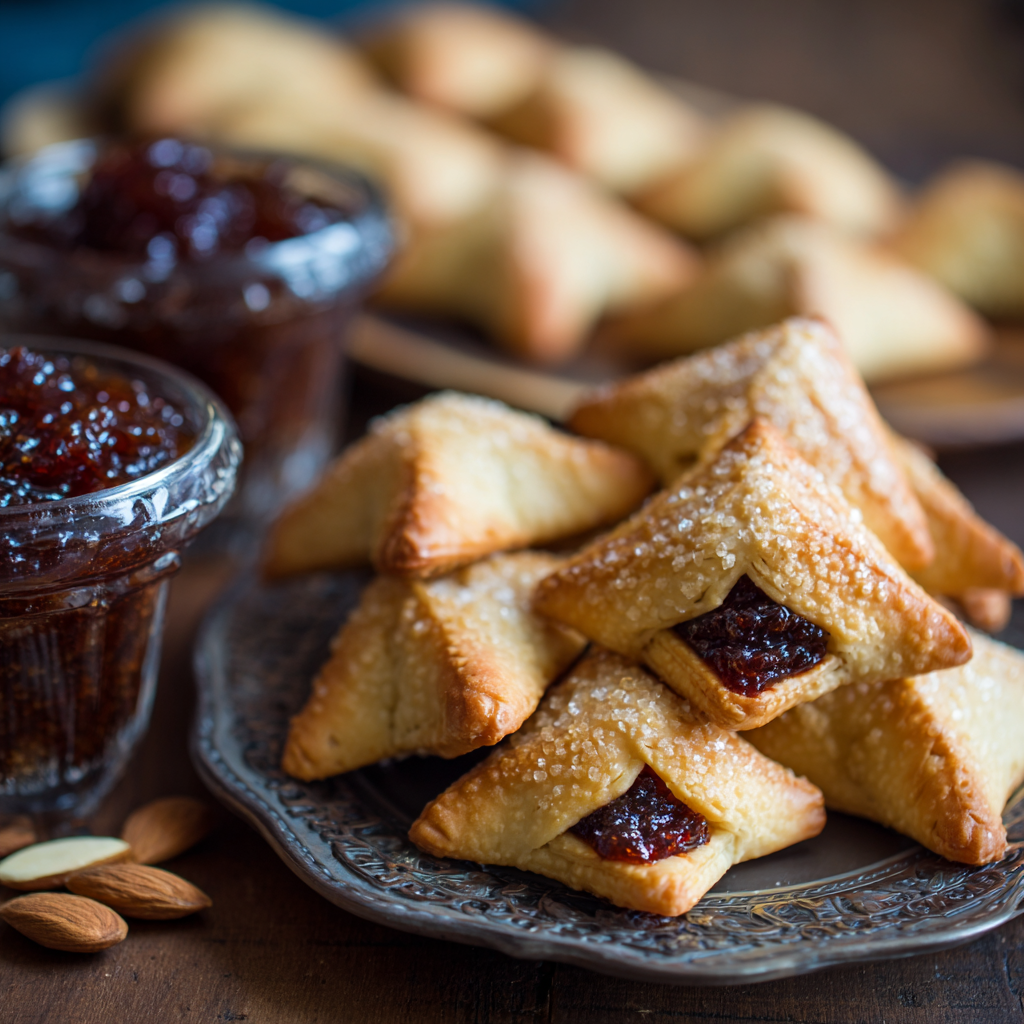
Tips and Tricks for a Perfect Hamantaschen Recipe
Making Hamantaschen is as fun as it is rewarding, but to get that perfect triangle shape, golden edges, and soft, flavorful filling, a few expert tips go a long way. Here’s how to make your cookies look bakery-worthy and taste absolutely divine.
- Chill the dough always. After mixing, wrap your dough in plastic wrap and refrigerate for at least 1 hour before rolling. Chilled dough holds its shape better in the oven and prevents spreading, just like how proper chilling helps with buttery treats such as our Pecan Sandie Cookie Recipe.
- Roll evenly for consistency. Aim for about ⅛ to ¼ inch thickness when rolling the dough. Too thin and your cookies may crack; too thick and they’ll puff open. Use a lightly floured surface to avoid sticking.
- Don’t overfill. It’s tempting to add more jam, but a small teaspoon is plenty. Overfilling can cause the corners to pop open during baking, letting the filling escape.
- Pinch tightly and freeze before baking. After folding the dough into triangles, pinch the corners firmly to seal them, then freeze the shaped cookies for 10 minutes before baking. This trick locks in the shape and keeps the filling neatly inside.
- Use thick fillings.
- Choose sturdy jams or fillings that won’t bubble out while baking, like thick fruit preserves, Nutella, or poppy seed paste. Avoid watery jams that can cause sogginess.
- Bake until just golden. Hamantaschen should be lightly golden on the edges, not browned all over. That ensures a soft bite with a slight crispness similar to the balance we love in our Buckeyes Recipe.
- Get creative with flavors. Classic fruit fillings are wonderful, but you can add modern twists like lemon curd, caramel, or chocolate hazelnut. You can even try savory versions filled with cheese or herbs for something unique.
- Let them cool completely. Allow cookies to cool fully before moving or storing. The fillings set as they cool, giving you neat, picture-perfect triangles every time.
- Store with care. Keep Hamantaschen in an airtight container at room temperature for 3–4 days, or freeze for up to a month. Reheat gently before serving for that fresh-baked aroma.
- Bake for sharing. Hamantaschen are traditionally gifted to friends and family during Purim, a gesture of kindness that makes every batch even sweeter. Like our festive Charoset Recipe, these cookies are best enjoyed when shared.

Health Benefits of Hamantaschen Recipe
While Hamantaschen are traditionally enjoyed as a sweet treat during Purim, they can also be a delightful part of a balanced lifestyle, especially when made with mindful ingredients. These little triangle cookies may look indulgent, but with the right tweaks, they can offer both comfort and a touch of nutrition.
Using real butter, eggs, and fruit preserves means you’re baking with wholesome ingredients, not artificial fillers or hydrogenated fats. Each bite gives you a small energy boost from natural sugars, healthy fats, and a bit of protein. You can even make them lighter by swapping in whole wheat flour or using fruit spreads without added sugar, similar to the smart adjustments we use in our Apple Chickpea Salad Recipe.
The fillings themselves can contribute nutritional benefits, too. Poppy seeds are a good source of calcium and magnesium, fruit jams provide antioxidants, and nut-based fillings add heart-healthy fats. When enjoyed in moderation, Hamantaschen are not just a symbol of joy, they’re a sweet way to celebrate with purpose.
Like our Candied Yams Recipe, the key is balance, a touch of indulgence paired with natural, quality ingredients.
Nutritional Overview (Per Cookie – Approximate)
| Component | Benefit |
|---|---|
| Butter or Oil | Provides healthy fats for energy and flavor |
| Eggs | Add protein and structure to the dough |
| Fruit Filling (Jam) | Contains natural sugars and antioxidants |
| Poppy Seeds | Offer calcium, iron, and magnesium |
| Whole Wheat Flour (optional) | Adds fiber and improves digestion |
| Vanilla Extract | Enhances aroma without added sugar |
💡 Pro Tip: For a more balanced version, use whole wheat pastry flour and fruit-only preserves a simple tweak that keeps the traditional taste but lightens up the sweetness.
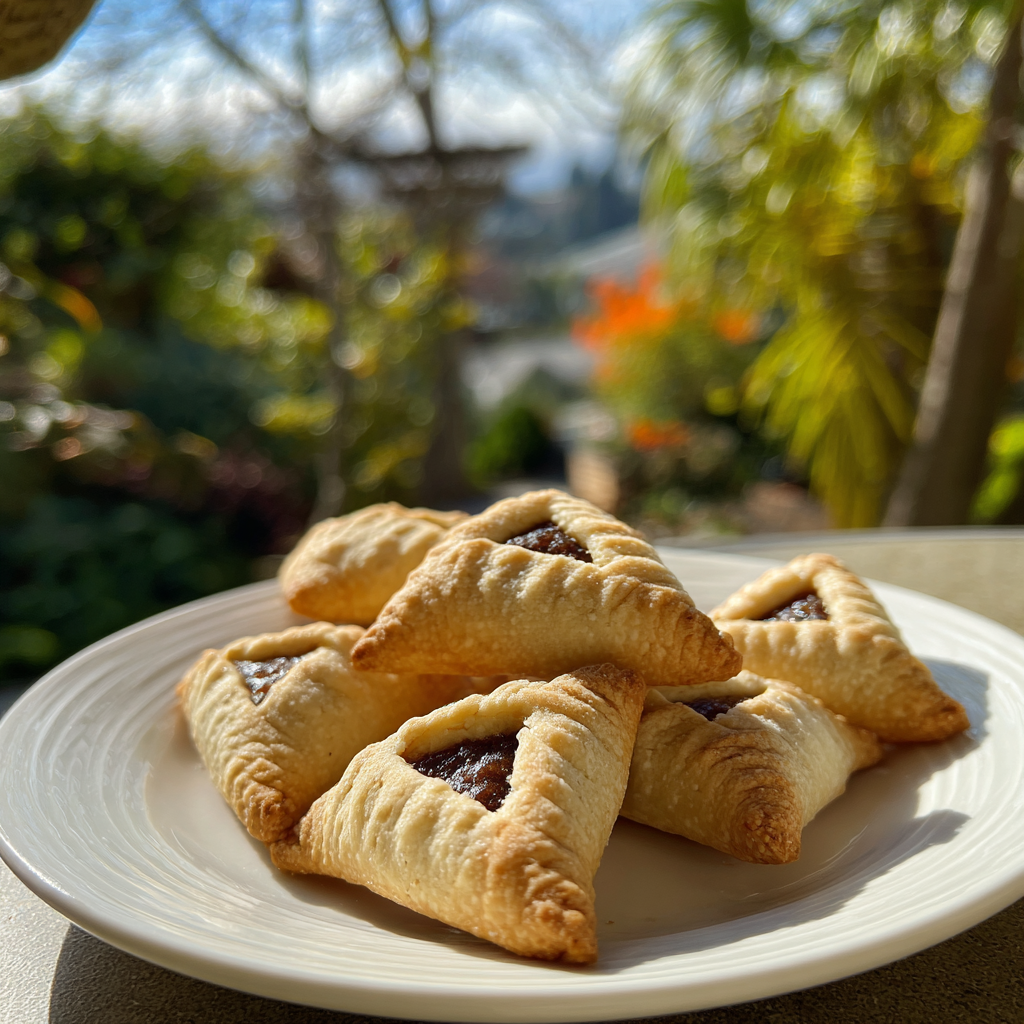
Hamantaschen Recipe Variations
What makes Hamantaschen so beloved is their endless room for creativity. From classic fruit fillings to indulgent chocolate blends, every baker adds a personal touch that tells a story. Here are some of the most delicious and popular twists on the traditional Hamantaschen Recipe you can try:
1. Classic Poppy Seed Hamantaschen: The original and most iconic version! Filled with a fragrant mixture of ground poppy seeds, honey, and lemon zest, these cookies carry the timeless flavor of Old-World Purim celebrations. Pair them with a cup of tea or coffee for a comforting afternoon treat, much like the nostalgic vibes of our Pecan Sandie Cookie Recipe.
2. Fruit-Filled Hamantaschen: A bright, jammy variation bursting with sweet apricot, raspberry, or prune filling. These are a perfect balance of tart and sweet, giving you that chewy-crispy texture everyone loves. If you’re a fan of fruity desserts, this version pairs beautifully with our Peach Blueberry Loaf for a cozy brunch spread.
3. Chocolate Hamantaschen: For chocolate lovers, swap the jam for melted chocolate or Nutella. You can even drizzle melted chocolate over baked cookies for an extra indulgent finish. Kids especially love these and rival the comfort of our Chocolate Chaffle Recipe.
4. Savory Hamantaschen: Who says Hamantaschen must be sweet? Try a savory twist by filling them with caramelized onions, feta, or spinach and cheese. This creative take works well for dinner parties or appetizers, similar to the innovative flavors in our Jalapeño Popper Cheese Ball.
5. Modern Fusion Hamantaschen: Add a trendy spin by using modern fillings like salted caramel, pistachio cream, or matcha. These flavors blend beautifully with the buttery dough and add a gourmet flair much like the unique charm of our Matcha Basque Cheesecake.
6. Vegan or Gluten-Free Hamantaschen: For those with dietary preferences, replace butter with coconut oil or vegan margarine, and use a gluten-free flour blend. The result is just as delicious, soft, and perfectly symbolic. You can follow the balanced, mindful approach we use in our Gluten-Free Lemon Bars Recipe to keep things light yet flavorful.
No matter which version you choose, Hamantaschen remain a celebration of creativity, heritage, and sweetness. Bake a few varieties for your next gathering, and you’ll see why these triangle cookies have stood the test of time.
Hamantaschen Recipe From OoohDelish!
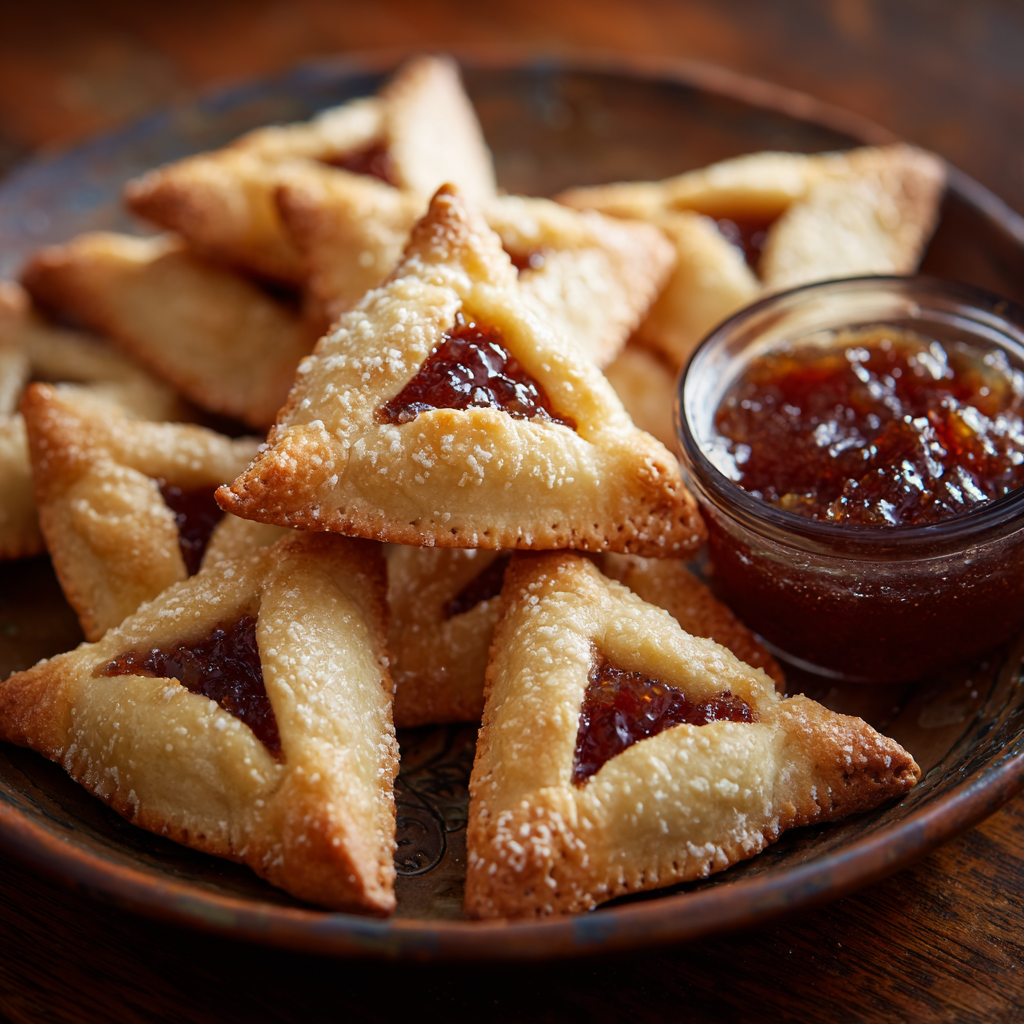
Hamantaschen Recipe
Ingredients
Equipment
Method
- Prepare the Dough: In a mixing bowl, cream together butter and sugar until light and fluffy. Add eggs and vanilla extract, and beat until smooth.
- Combine Dry Ingredients: In a separate bowl, whisk flour, baking powder, and salt. Gradually add to the wet mixture until a soft dough forms. If the dough is too crumbly, add a tablespoon of milk.
- Chill the Dough: Form the dough into a ball, wrap it in plastic wrap, and chill for 30 minutes to make it easier to roll out.
- Roll and Cut: On a floured surface, roll the dough to about ⅛-inch thickness. Use a round cutter (about 3 inches wide) to cut circles.
- Add Filling: Spoon about 1 teaspoon of filling into the center of each circle. Fold edges into a triangle shape, pinching firmly at the corners to seal.
- Bake: Arrange on a parchment-lined baking sheet and bake at 350°F (175°C) for 18–20 minutes or until lightly golden.
- Cool and Serve: Let cool completely before serving. Enjoy your Hamantaschen with tea, coffee, or as a sweet Purim celebration treat!
Notes
- For crispier cookies: Roll dough thinner and bake until edges are golden.
- For softer cookies: Add an extra tablespoon of milk and slightly underbake.
- Storage: Keep in an airtight container at room temperature for up to 5 days, or freeze for 2 months.
- Flavor Tip: Mix fruit jams for a unique twist, apricot and raspberry blend beautifully!

Share Your Twist
Share Your Twist on the Hamantaschen Recipe 🍪✨
Do you fill your Hamantaschen with classic poppy seeds, tangy apricot jam, or go bold with chocolate and caramel? Maybe you’ve tried a savory version with cheese or herbs? We’d LOVE to see your creative spins!
📸 Snap a photo and tag us on Instagram or Facebook using #OoohDelishTwist your version might be featured!
💌 Got a family twist? Send it to contact@ooohdelish.com and we’ll share it with our cookie-loving community!
FAQs: Hamantaschen Recipe
What is the origin of the Hamantaschen Recipe?
Hamantaschen originated in Central and Eastern Europe as a Purim pastry, symbolizing triumph and tradition in Jewish culture.
Can I make Hamantaschen dough ahead of time?
Yes! You can refrigerate the dough for up to 2 days before baking or freeze it for up to 2 months for easy prep.
Why do Hamantaschen have a triangle shape?
The triangle represents Haman’s hat from the Book of Esther, turning a historic story into a sweet symbol of victory.
What fillings can I use for Hamantaschen Recipe?
Traditional fillings include poppy seed, prune, or apricot jam. You can also use chocolate, Nutella, or fruit preserves.
How do I keep Hamantaschen from opening while baking?
Pinch the corners tightly and avoid overfilling. Chill the shaped cookies before baking to help them hold their shape.
Can I make vegan or gluten-free Hamantaschen?
Yes! Substitute butter with vegan margarine and use a gluten-free flour blend for a soft and delicious result.
What’s the best jam for Hamantaschen?
Apricot, raspberry, or prune jam works beautifully. For a twist, try our Peach Blueberry Loaf jam blend!
How long do Hamantaschen cookies stay fresh?
They last up to 5 days in an airtight container at room temperature or 2 months in the freezer.
Are Hamantaschen only eaten during Purim?
No while they’re traditional for Purim, these cookies are enjoyed year-round for their buttery texture and sweet fillings.
Where can I find more classic dessert recipes?
Try our Pecan Sandie Cookie Recipe and Sopapilla Cheesecake Recipe for more nostalgic sweetness!
Leave a Reply