

Pandesal Recipe: Soft, warm and faintly sweet, pandesal is the heart and soul of Filipino breakfasts, the sort of bread that warms a home with comfort as soon as it leaves the oven. These golden rolls have a paper-thin, wispily crisp crust; soft, ethereal center and the kind of breadcrumb coating that makes every bite feel nostalgic even if these are your first taste.
Just like your comforting Pandesal soup faves, such as Carrot and Parsnip Soup or rich classics like Italian Pumpkin Soup, this Pandesal Recipe brings warmth, comfort, and joy to the dinner table. It is the ideal bread to slather with butter, cheese, jam or even submerge in coffee or hot chocolate, a genuine Filipino comfort ritual.
But for how much they taste like bakery-quality softness, these rolls are utterly approachable. The dough is made with pantry staples, rises like a dream, and bakes into the kind of breakfast roll that’s also an ideal afternoon snack. Whether you are new to Filipino food or simply replicating flavours of home, this Pandesal Recipe (Filipino Rolls) brings tradition right to your table and gives you that warm, nostalgic taste of the ultimate comfort.
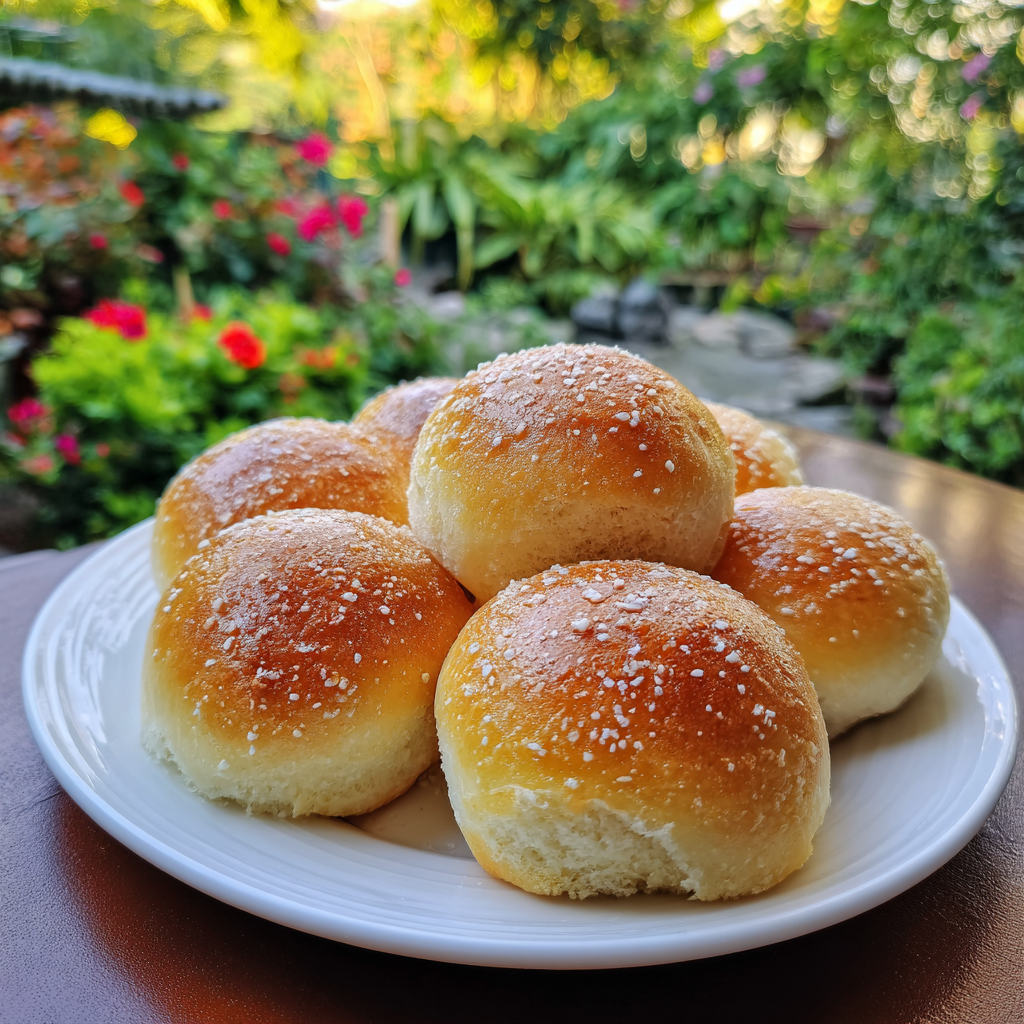
Origins of the Pandesal Recipe (Filipino Rolls)
Pandesal Recipe (Filipino Rolls) We can say that the Pandesal originated from Spain, and was first brought to our country during their colonisation. The name is derived from the Spanish words “pan de sal,” which translates to “bread of salt. But Pandesal is not salty; it has transformed into the soft, slightly sweet morning bread that Filipinos savour today. Historically, Pandesal was hard and crusty, moulded by hand , then baked in a pugon or a wood-fired oven. Filipino bakers would go on to tweak the recipe to suit local tastes, producing rolls that were softer and fluffier and slightly sweet, made with humble ingredients like flour, sugar, eggs, yeast and breadcrumbs. These adaptations came together to make Pandesal into an everyday comfort food, convenient, cheap, and deeply ingrained in Filipino culture.
Just like your hearty comfort dishes at your site (like Carrot & Parsnip Soup or the rich warmth of Italian Pumpkin Soup), Pandesal became more than a recipe; it was a tradition. Families eat it for breakfast, merienda (snack), or late-night cravings with butter, cheese, or peanut butter, even dipped in hot coffee.
Every street corner bakery (panaderia) in the Philippines has its version of Pandesal, and making your own at home is a cherished ritual, a trip down memory lane and an intoxicating experience bringing you back to all those childhood mornings when local neighbourhood panaderias were already full swing at 6 am, baking fresh bread for the community.
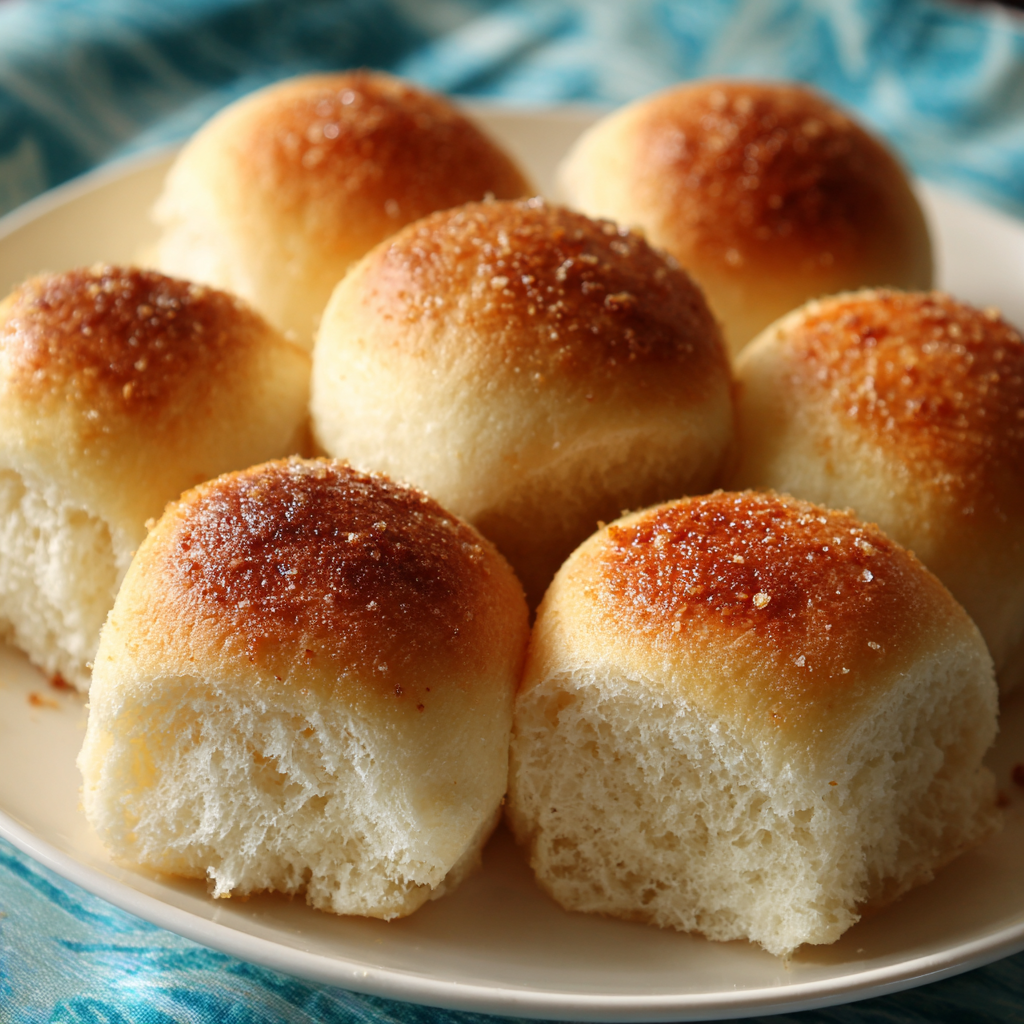
Health Benefits of Pandesal Recipe (Filipino Rolls)
The Pandesal Recipe (Filipino Rolls) is not only a source of warmth and nostalgia but also provides certain health perks when eaten as part of a healthy meal. Prepared with flour, yeast, eggs or milk (it varies depending on the recipe) and just enough sugar to sweeten it, pandesal offers sustained energy, essential nutrients and substantial carbohydrates, of course, all great reasons why it’s an ideal breakfast or snack. Enjoy!
Pandesal is even more nourishing when accompanied by protein-rich ingredients such as eggs, cheese or nut butters. The fact that those rolls are warm and soft is excellent for scooping with a bowl of soup or heart-warming meals, like Carrot and Parsnip Soup or Italian Pumpkin Soup, where you can make your meal both balanced and easy.
Below is a detailed table outlining the key health benefits:
Health Benefits Table – Pandesal Recipe (Filipino Rolls)
| Health Benefit | How Pandesal Provides It |
|---|---|
| Steady Energy Source | Made primarily from flour, pandesal offers complex carbohydrates that provide consistent energy throughout the day. |
| Supports Digestion | Yeast and fiber from breadcrumbs can help maintain healthy digestion and gut function. |
| Good Source of B Vitamins | Enriched flour typically contains B vitamins that support energy metabolism and brain function. |
| Pairs Well With Protein | When eaten with eggs, cheese, or peanut butter, pandesal becomes a balanced meal that keeps you full longer. |
| Low in Fat | Traditional pandesal contains minimal fat, making it a lighter bread option compared to pastries. |
| Kid-Friendly and Easy to Digest | Its soft texture makes it easy to chew and digest, suitable for all ages. |
| Can Be Enriched With Healthy Fillings | Add spreads like natural peanut butter, avocado, or cheese to boost the nutritional profile. |
| Versatile for Balanced Meals | Pairs well with nutrient-dense dishes like Carrot and Parsnip Soup or Italian Pumpkin Soup for a wholesome meal. |
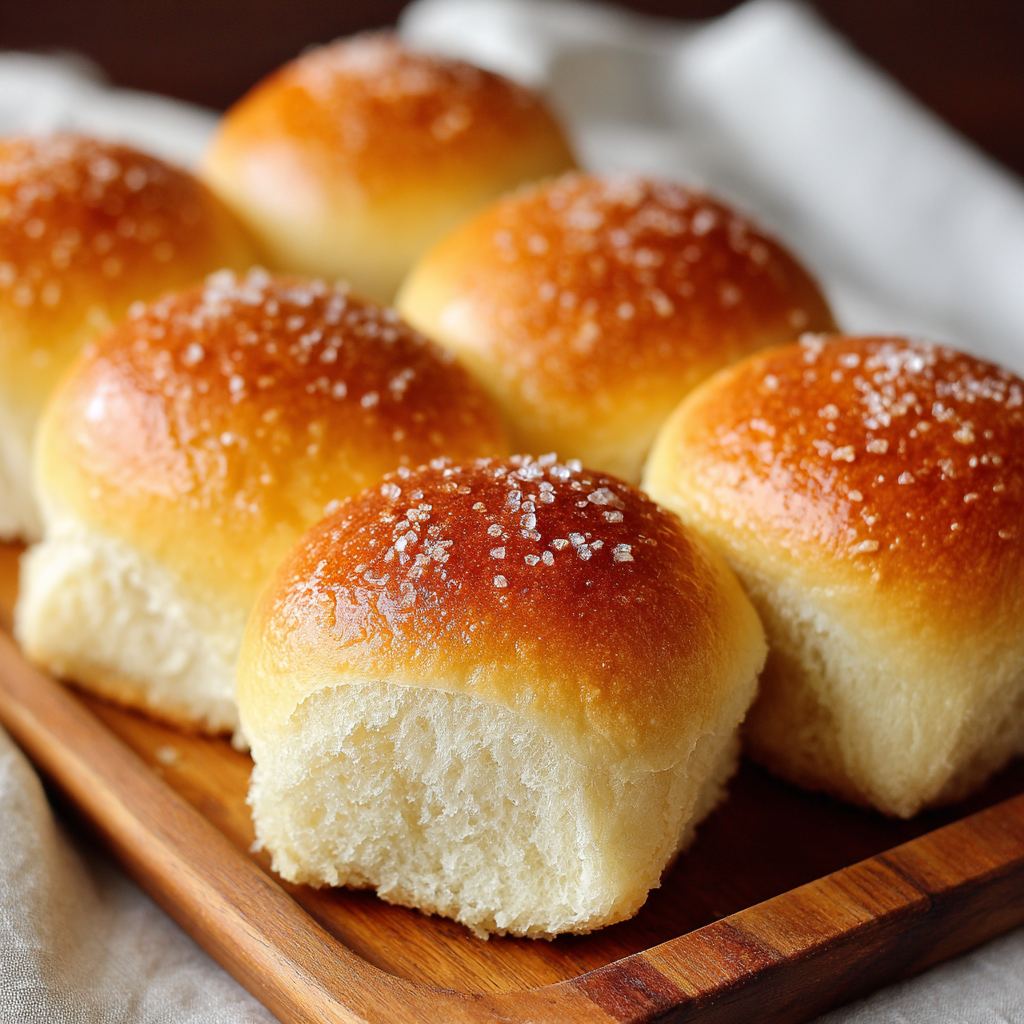
Tips & Tricks for Pandesal Recipe (Filipino Rolls)
- Opt for warm milk or water for a softer crumb: Warm (but not hot) liquid is what allows the yeast to bloom and what gives Pandesal its fluffy, signature texture. Clearly, there’s much comfort in foods such as this Carrot and Parsnip Soup.
- You’re using a little more sugar to encourage browning: Pandesal typically has a touch of sweetness, and this boost makes it possible for you to achieve the pale golden crust without the bread tasting too sweet.
- Knead until the dough is smooth and elastic: Kneading develops gluten, which gives you rolls that rise perfectly and don’t dry out for hours.
- Let the dough rise somewhere warm and draft-free: Just like a consistent warm temperature will allow your dough to double in record time, just like those slow-simmered soups such as Italian Pumpkin Soup benefit from getting the perfect texture out of being steady.
- Fine Breadcrumbs for coating the rolls: You can’t take away this step from making pandesal; it contributes to its rough and sand-like finish that effectively prevents moisture from escaping during baking.
- Mould consistent shapes for even baking: When you have the right size, the dough will rise evenly, and each roll will bake at the same time, so there won’t be any that are too well done or not done enough in the centre.
- Do not fear the second rise after shaping: It is what gives pandesal its characteristic billowy softness and airiness before it goes into the oven.
- Bake at high heat for a light crust and fluffy interior: A hot oven allows pandesal to rise fast as well as trap steam, resulting in that perfect tender-meets-barely-crispy.
- If you prefer, serve this warm: there’s no denying that Pandesal is at its softest and best right out of the oven when served alongside a warming dish such as Carrot and Parsnip Soup for a comforting meal.
- Leftovers can be stored in an airtight container to help maintain softness: You can give them a quick reheat in the oven or microwave to bring back their fresh-baked texture in no time.
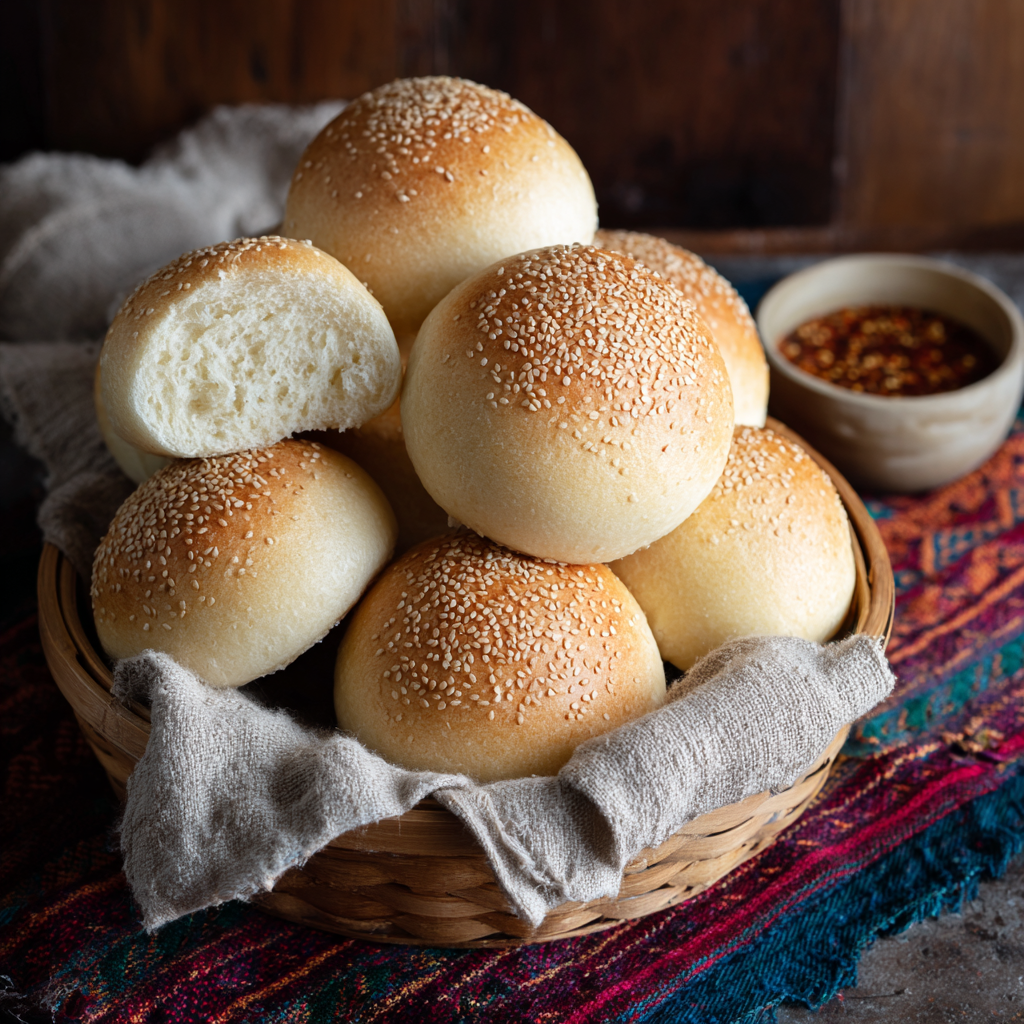
Pandesal Recipe (Filipino Rolls) From OoohDelish!
Soft, warm, and lightly sweet, this Pandesal Recipe (Filipino Rolls) brings true comfort to every breakfast table.
Each roll is fluffy inside, gently crisp on the outside, and perfect with butter, cheese, or your favorite spreads.
They pair beautifully with cozy dishes like Carrot and Parsnip Soup for a heartwarming meal.
With simple pantry ingredients, you can bake bakery-style pandesal right at home.
One bite and you’ll understand why this Filipino classic is loved across generations.
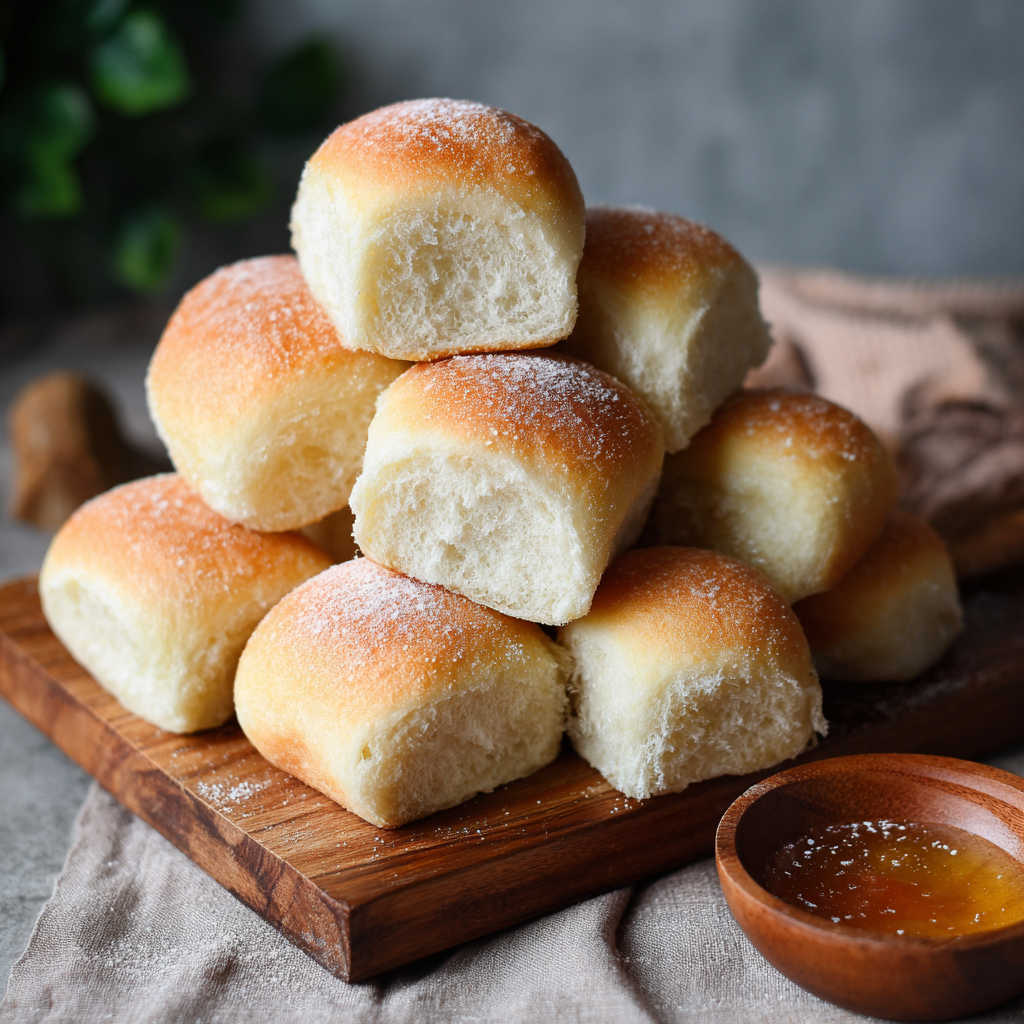
Pandesal Recipe (Filipino Rolls)
Ingredients
Equipment
Method
- Warm the milk or water until just lukewarm and mix it with sugar and yeast until foamy to activate the dough properly.
- Combine flour and salt in a bowl, add the yeast mixture, egg, and softened butter, then mix until a shaggy dough forms.
- Knead the dough on a floured surface or in a mixer until it becomes smooth, elastic, and slightly tacky.
- Place the dough in a greased bowl, cover with a towel, and let it rise in a warm spot for about an hour until doubled in size.
- Punch down the dough gently, divide it into equal pieces, and shape into smooth round rolls.
- Roll each dough ball in fine breadcrumbs to create the iconic pandesal coating.
- Arrange the rolls on a baking tray, cover, and let them rise again until puffy and light.
- Bake at 350°F (175°C) for 15 minutes or until the rolls turn soft, golden, and lightly crisp on the outside.
- Serve warm with butter, cheese, jam, or alongside cozy meals like Carrot and Parsnip Soup for an irresistible comfort combo.
Video
Notes
- You can use water instead of milk for a lighter roll.
- Add more sugar for sweeter pandesal or reduce it for a classic mild sweetness.
- Dough can be refrigerated overnight; expect a slower rise.
- Fine breadcrumbs give the best texture; avoid coarse crumbs.
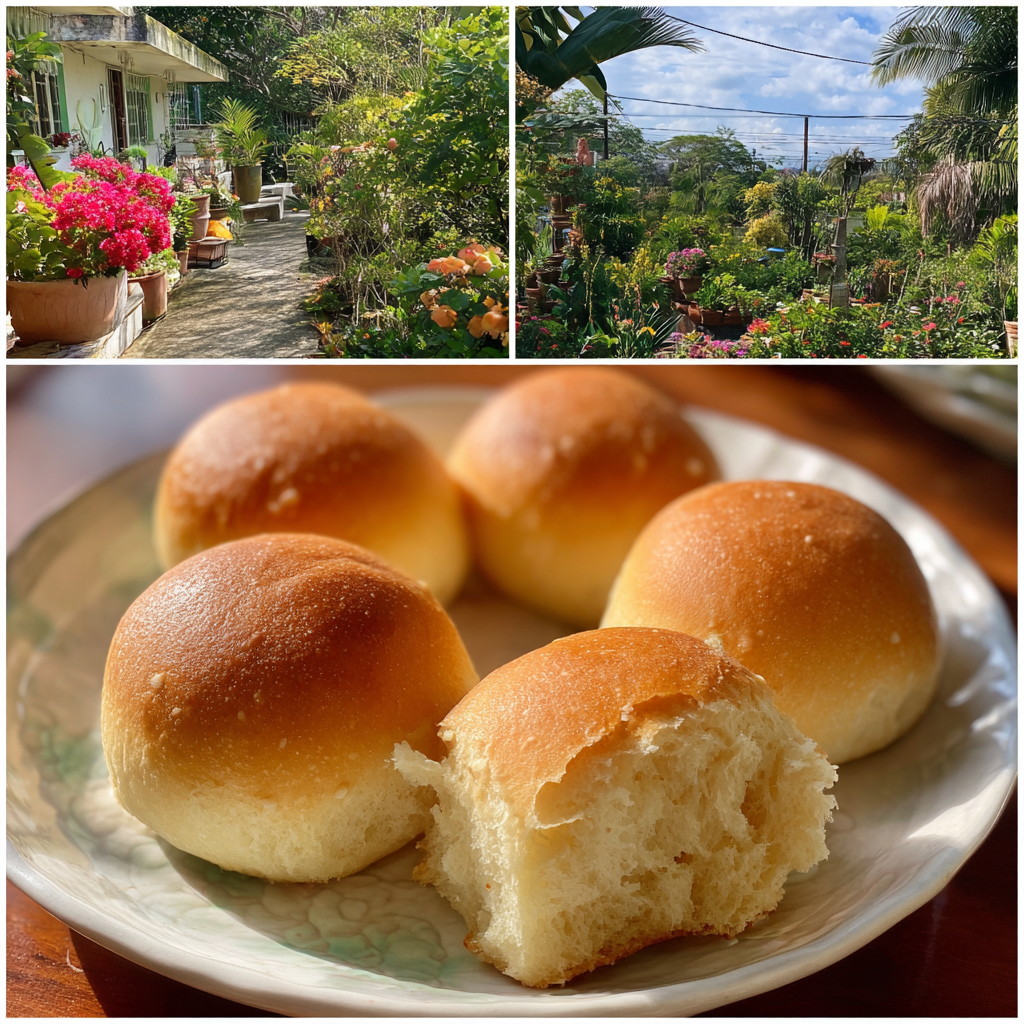
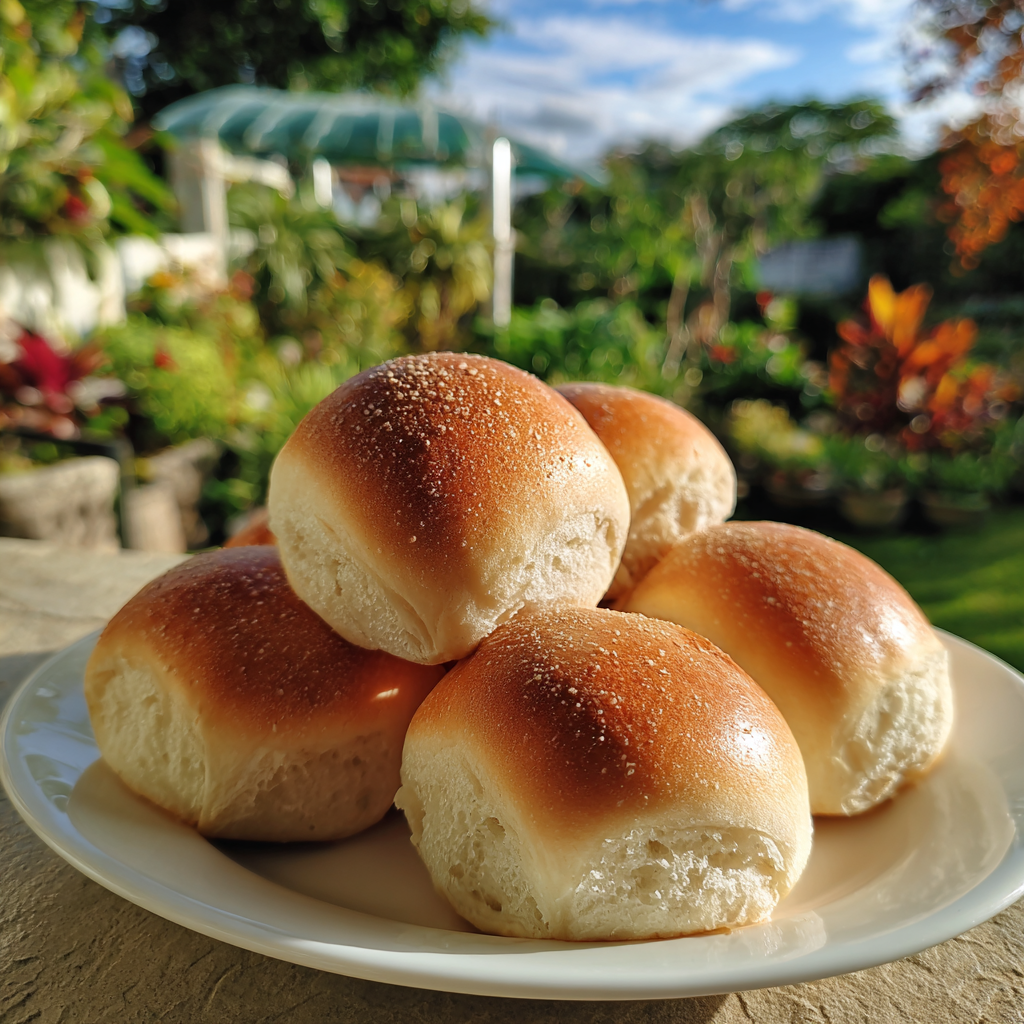
Share Your Twist on This Pandesal Recipe (Filipino Rolls)!
Did you make your Pandesal Recipe (Filipino Rolls) extra soft by adding more butter or milk?
Did you fill them with cheese, ube jam, or peanut butter for a fun twist?
Maybe you paired freshly baked pandesal with a warm bowl of Carrot and Parsnip Soup for the ultimate comfort meal.
Whatever your twist is, we’d LOVE to see it!
📸 Share your creations with #OoohDelishTwist on Instagram or Facebook you might get featured!
💌 Want to submit your version directly? Email us at contact@ooohdelish.com.
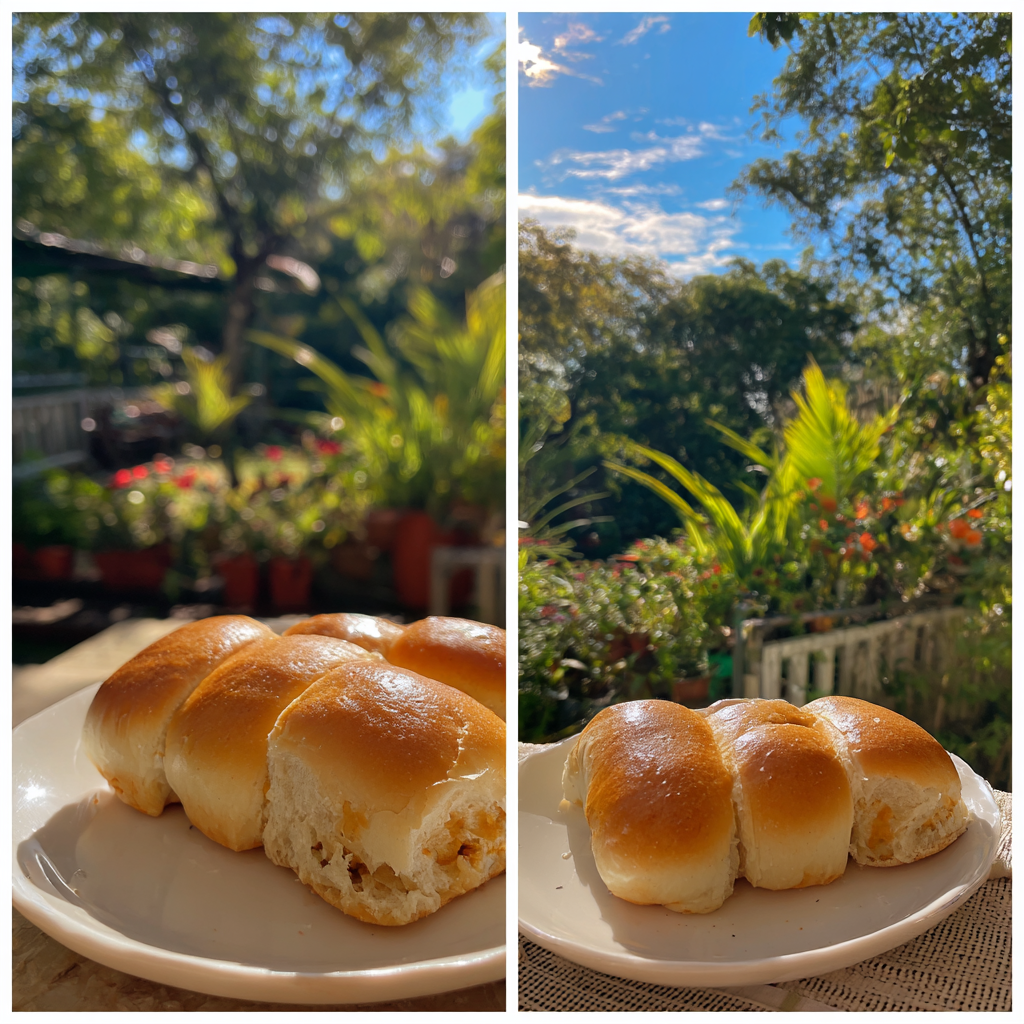
FAQs: Pandesal Recipe (Filipino Rolls)
What makes Pandesal Recipe (Filipino Rolls) soft and fluffy?
A warm liquid, proper kneading, and a full rise time help create the soft and fluffy texture of Pandesal Recipe (Filipino Rolls).
Can I use water instead of milk in Pandesal Recipe (Filipino Rolls)?
Yes, water works fine, but milk gives the rolls richer flavor and a softer crumb.
Can I make the dough for Pandesal Recipe (Filipino Rolls) ahead of time?
Yes! You can refrigerate the dough overnight; let it come to room temperature before shaping.
Why are breadcrumbs used in Pandesal Recipe (Filipino Rolls)?
The fine breadcrumb coating gives pandesal its signature sandy texture and helps the crust stay soft.
What can I serve with Pandesal Recipe (Filipino Rolls)?
Pandesal pairs well with butter, cheese, jam, or cozy dishes like Carrot and Parsnip Soup for a complete meal.
Leave a Reply