

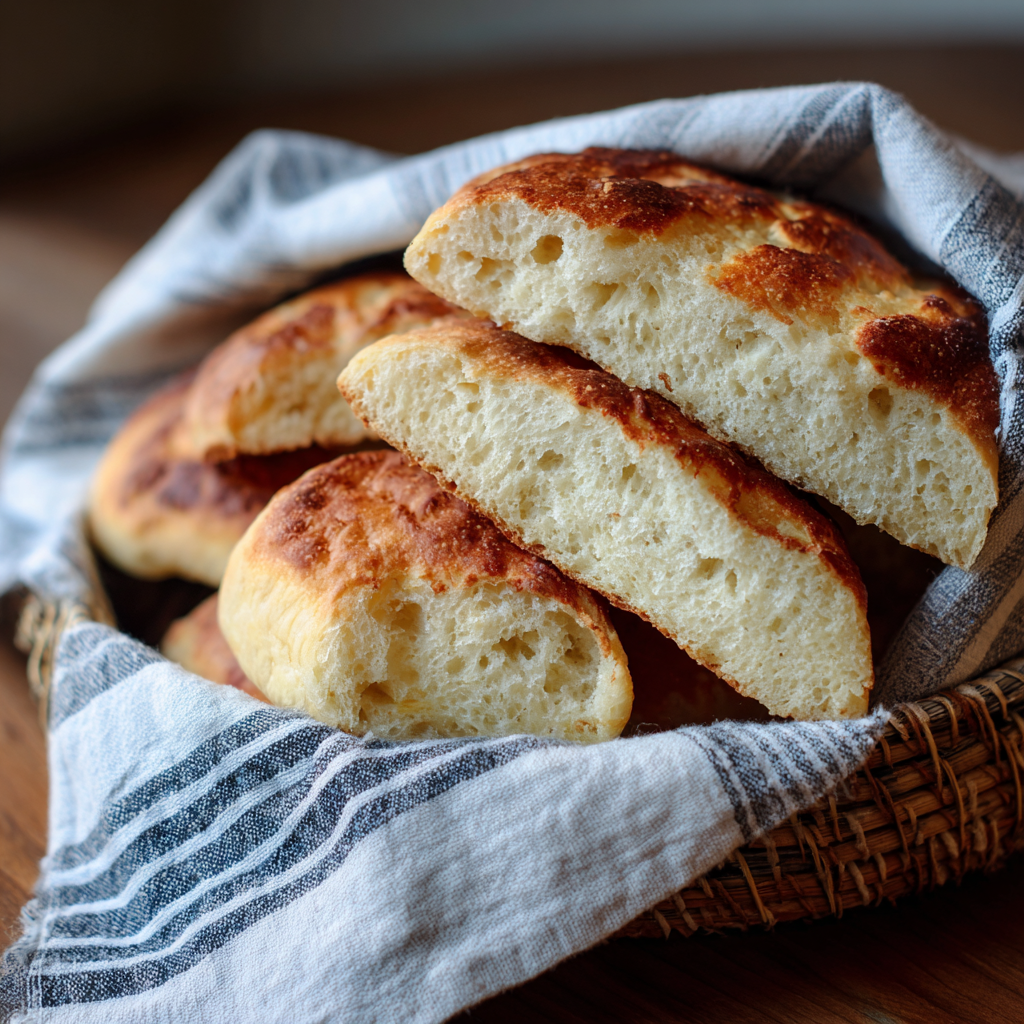
If you’ve never experienced the magic of Stecca Bread Recipe, get ready to fall in love with a crusty, airy Italian loaf that’s as simple to make as it is stunning to serve. Originally introduced by renowned baker Jim Lahey, stecca bread uses a no-knead method that relies on time (and a little patience) to develop rich flavor and structure. What sets it apart? It’s baked in small batons perfect for sandwiches, snacking, or soaking up olive oil and tomato juices from your summer salad plate.
Much like our Bread Machine Kaiser Rolls, Stecca is beginner-friendly but still artisan-level in taste. You’ll mix the dough the night before, then let it rest and work its magic. The crust turns golden and crackly while the interior stays moist, airy, and delicately chewy. Want to dial up the flavor? Add a sprinkle of flaky sea salt, rosemary, or roasted garlic over the top before baking. Honestly, you’ll never look at store-bought bread the same again.
Stecca bread fits right in on any comforting dinner table. Slice it beside Mastoris Cheese Bread, and you’ve got a full-on bread lover’s feast. It’s the type of loaf that looks bakery-bought but is totally achievable at home with just flour, water, salt, yeast, and olive oil. Whether you’re pairing it with soups, layering it into sandwiches, or just tearing off warm chunks and dipping them in herbed olive oil, this recipe is here to steal the show.
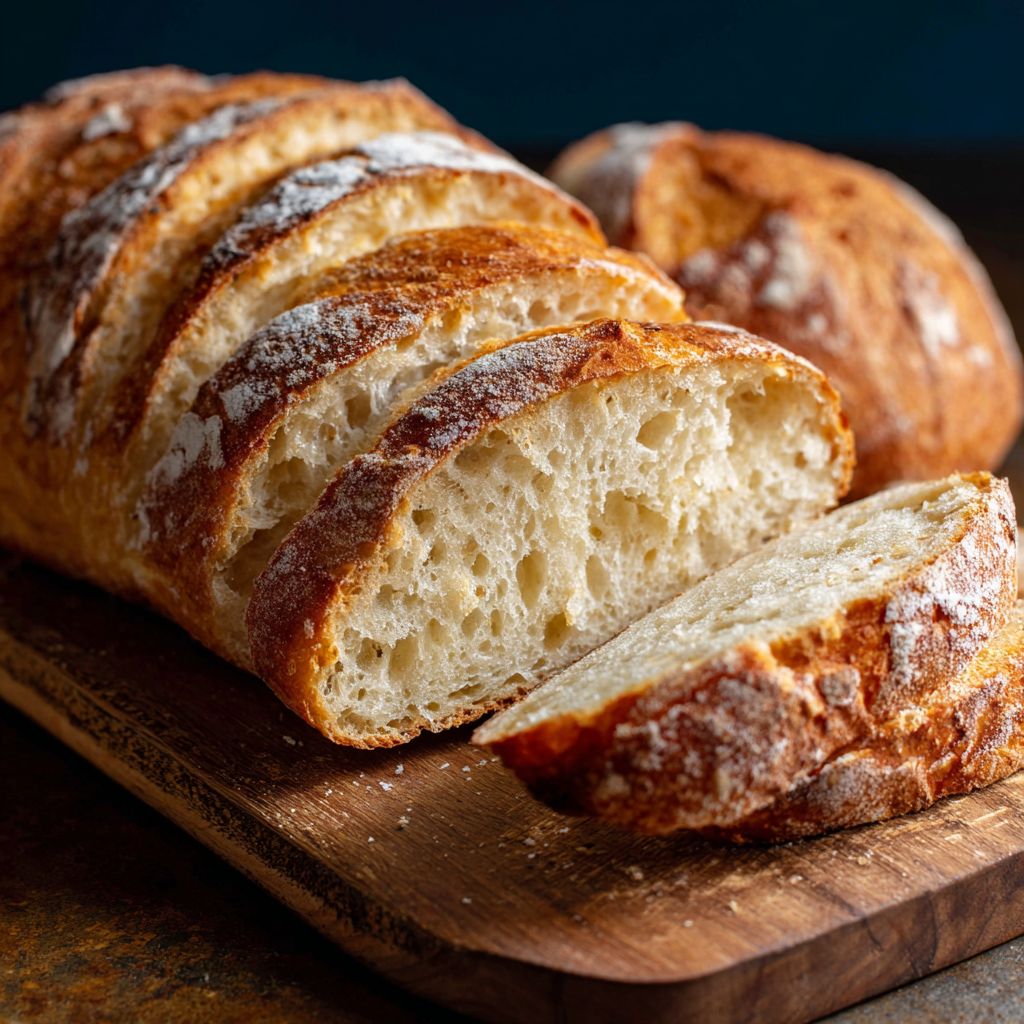
Origins of Stecca Bread Recipe
The origins of Stecca Bread trace back to the inventive hands of Jim Lahey, founder of Sullivan Street Bakery in New York City. Lahey revolutionized home baking with his no-knead bread technique, making artisan-level loaves accessible to everyday cooks. “Stecca” means “stick” in Italian, a nod to its baton-like shape, long, slender, and crusty, perfect for tearing by hand. This rustic style was inspired by traditional Italian baking, where simplicity and quality ingredients reign supreme.
Lahey’s method, which relies on time and hydration rather than kneading, allowed even novice bakers to achieve professional results at home. First introduced in his cookbook My Bread, Stecca Bread became a viral sensation for its ease, minimal ingredients, and that crackly crust that sings as it cools. Today, it’s considered a foundational recipe for anyone venturing into homemade bread baking.
While it draws from ancient peasant bread traditions in Italy, Stecca Bread embodies a modern American reinvention merging Old World flavors with New World convenience. Whether topped with rosemary, roasted garlic, cherry tomatoes, or sea salt, Stecca continues to evolve as a favorite canvas for home cooks and professionals alike.
Stecca Bread, though a simple rustic loaf, brings more to the table than just its chewy crumb and crisp crust. When made with quality ingredients and consumed in moderation, it can offer several health benefits, especially if you use whole wheat flour, olive oil, or add nutrient-rich toppings like herbs or seeds.
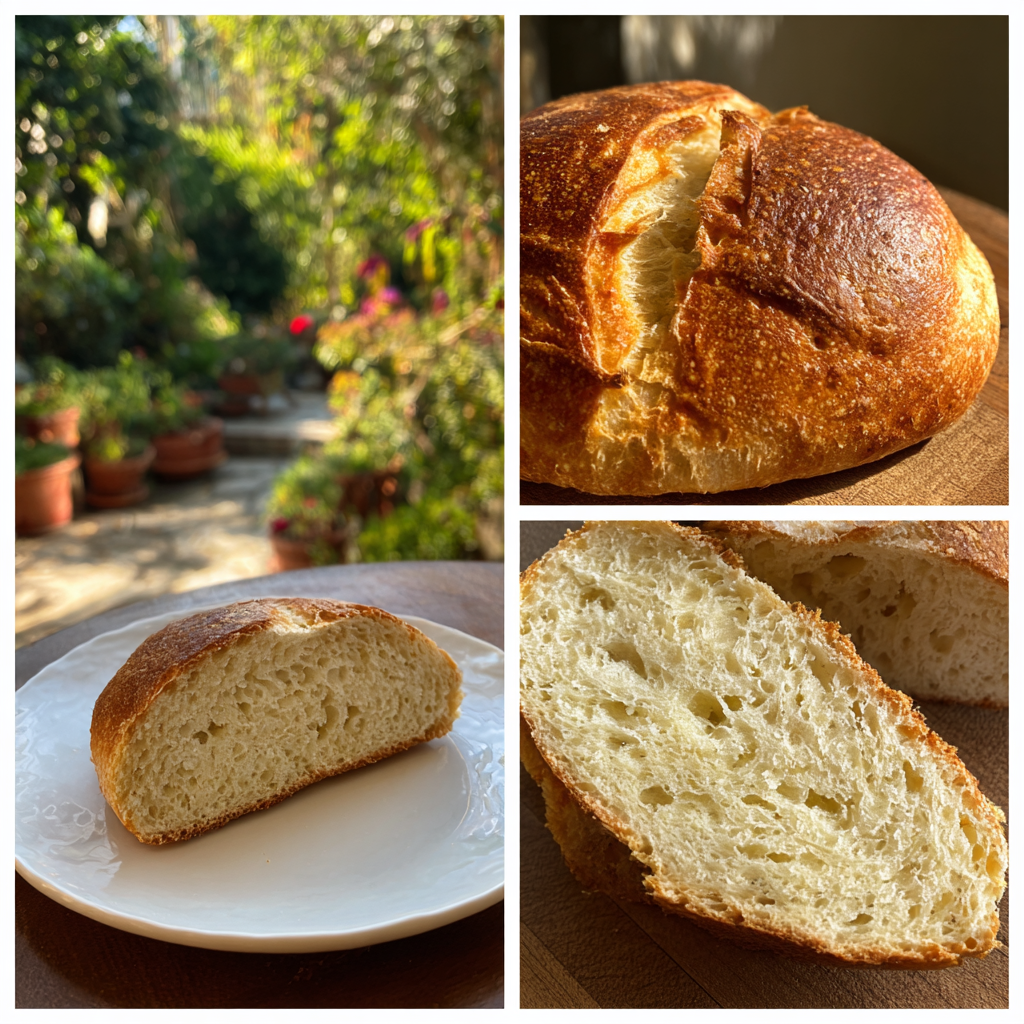
Health Benefits of Stecca Bread
- Whole Grains Support Digestion
If made with whole wheat flour, Stecca Bread can be a good source of dietary fiber. Fiber helps regulate bowel movements, supports gut health, and may reduce the risk of heart disease. - Olive Oil May Help Lower Inflammation
Traditional toppings for Stecca Bread often include a light brushing of extra virgin olive oil. Rich in monounsaturated fats and antioxidants, olive oil is known for its anti-inflammatory properties and heart-protective benefits. - Lower in Sugar Than Store-Bought Breads
Stecca Bread is typically made without added sugars or preservatives, making it a cleaner and less processed option than many store-bought loaves. - Flexible for Toppings That Add Nutrients
You can top your Stecca Bread with chopped nuts, seeds (like flax or chia), or even roasted vegetables to boost fiber, omega-3s, and essential vitamins. - Lower Glycemic Load With Sourdough or Long Fermentation
If you ferment the dough longer or use a sourdough starter, it can reduce the bread’s glycemic impact and improve digestibility especially for those sensitive to gluten .
In essence, Stecca Bread is as healthy as the ingredients and method you choose. Swap in wholesome add-ins and enjoy it as part of a balanced diet.
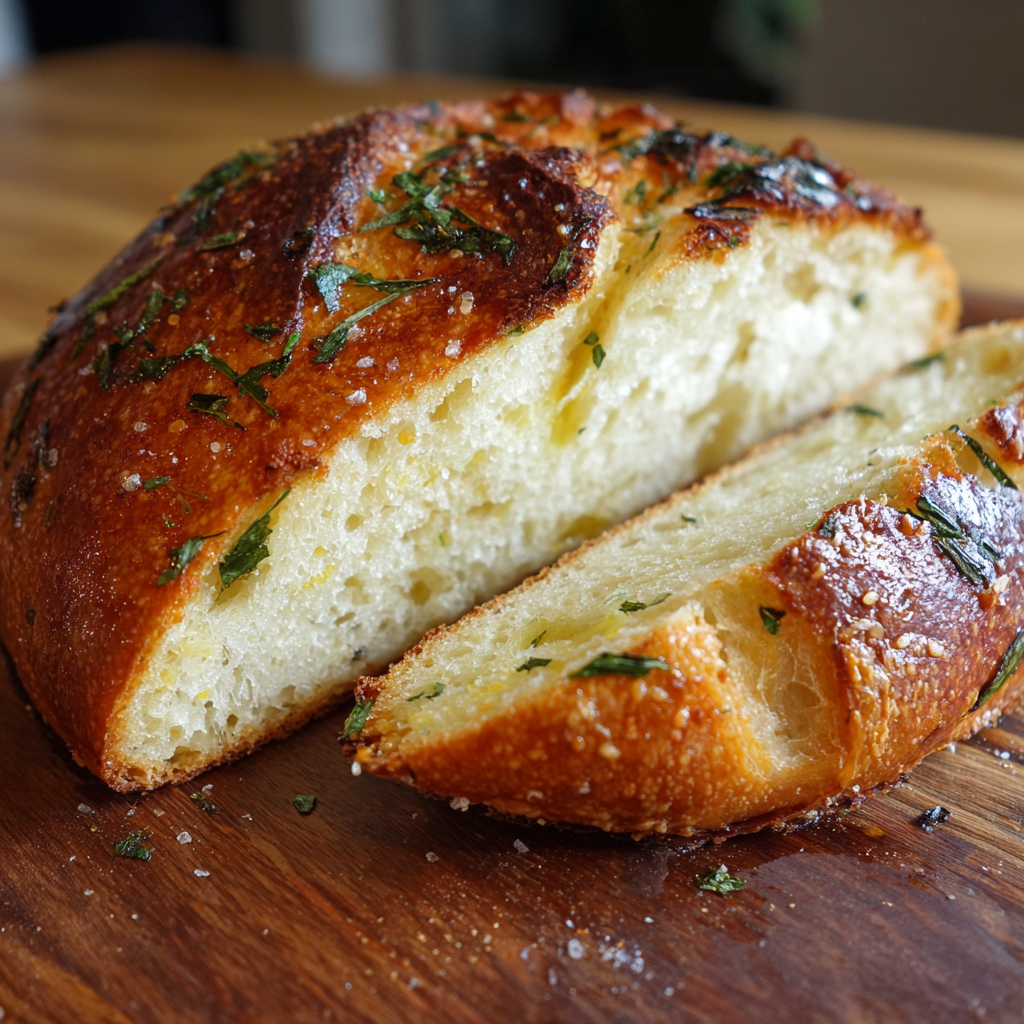
Stecca Bread Recipe From OoohDelish!
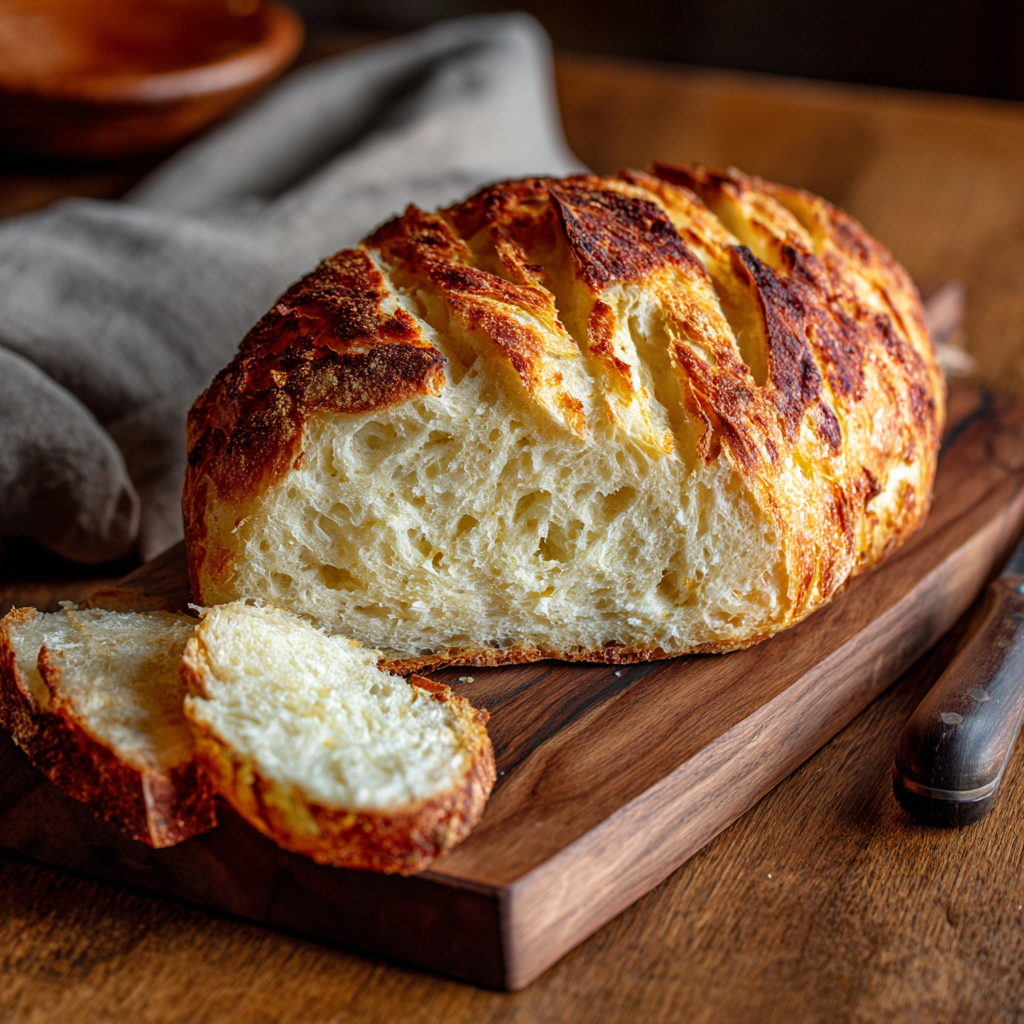
Stecca Bread Recipe
Ingredients
Equipment
Method
- Mix the Dough: In a large bowl, combine flour, salt, and yeast. Add warm water and stir until a shaggy, sticky dough forms.
- First Rise (Overnight): Cover the bowl with plastic wrap or a towel. Let it sit at room temperature for 12–18 hours until bubbly and doubled in size.
- Prepare Baking Sheet: Line a baking sheet with parchment paper and drizzle it with olive oil.
- Shape the Dough: Using floured hands or a scraper, gently divide dough into 3–4 portions. Stretch each into a log-like shape and place on the prepared sheet.
- Second Rise: Let shaped loaves rest for 1 hour, covered lightly with a towel.
- Preheat Oven: Preheat oven to 450°F (230°C).
- Add Toppings: Optionally press in cherry tomatoes, olives, or herbs into the tops. Brush with olive oil.
- Bake: Bake for 20–25 minutes or until golden brown and crusty. Let cool before slicing.
Notes
- You can swap all-purpose flour for bread flour for extra chewiness.
- Store cooled bread in a paper bag to maintain crust. Reheat in oven for crispness.
- Use as a base for bruschetta or dip into soups like Cold Cucumber Mint Soup.
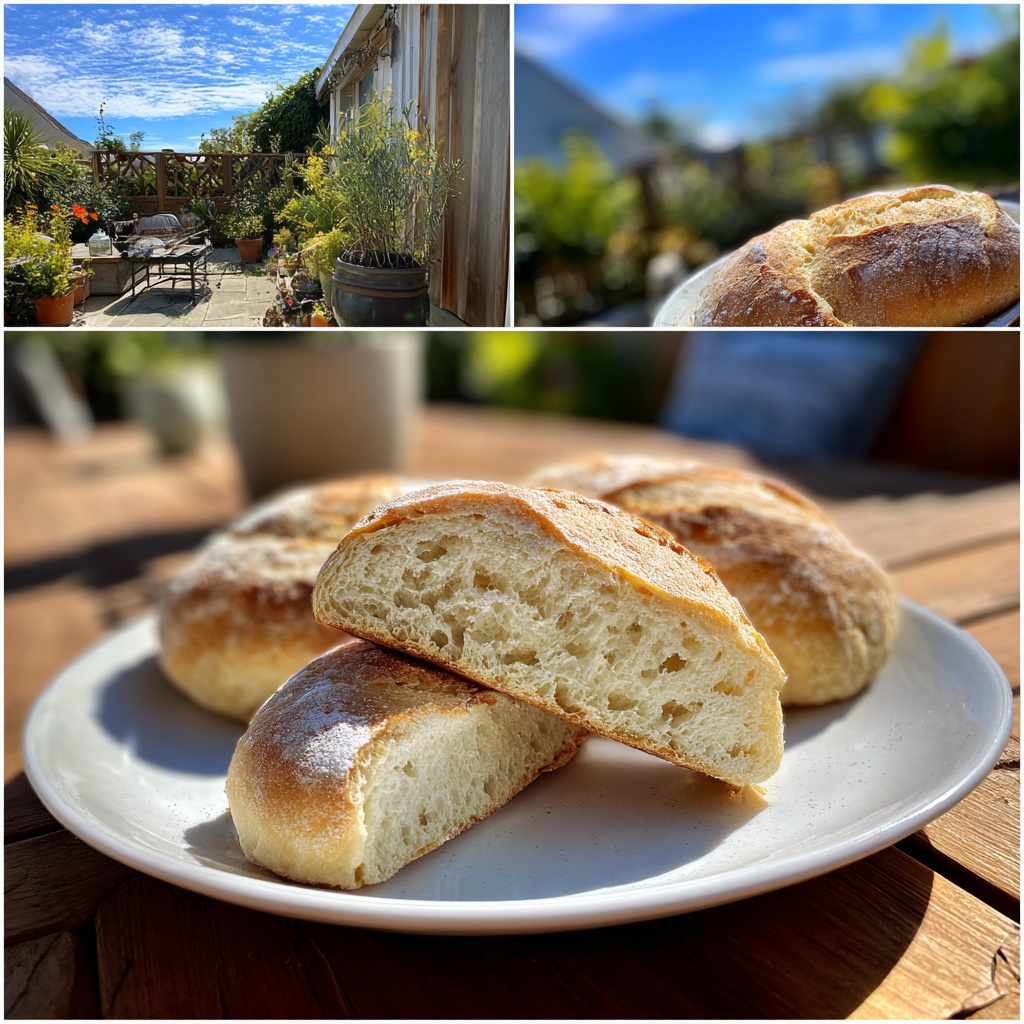
Share Your Twist on Stecca Bread Recipe!
Did you add roasted garlic into the dough? Top it with sun-dried tomatoes or swap olive oil for herb butter? Maybe you made it gluten-free or served it with a warm bowl of Cold Cucumber Mint Soup?
📸 Snap a photo of your crusty masterpiece and tag us on Instagram or Facebook with #OoohDelishTwist we might feature your creation!
💌 Got a regional spin or grandma’s version of this rustic loaf? Send it to contact@ooohdelish.com we’d love to showcase it on Oooh Delish!
FAQs: stecca bread recipe
What is Stecca Bread?
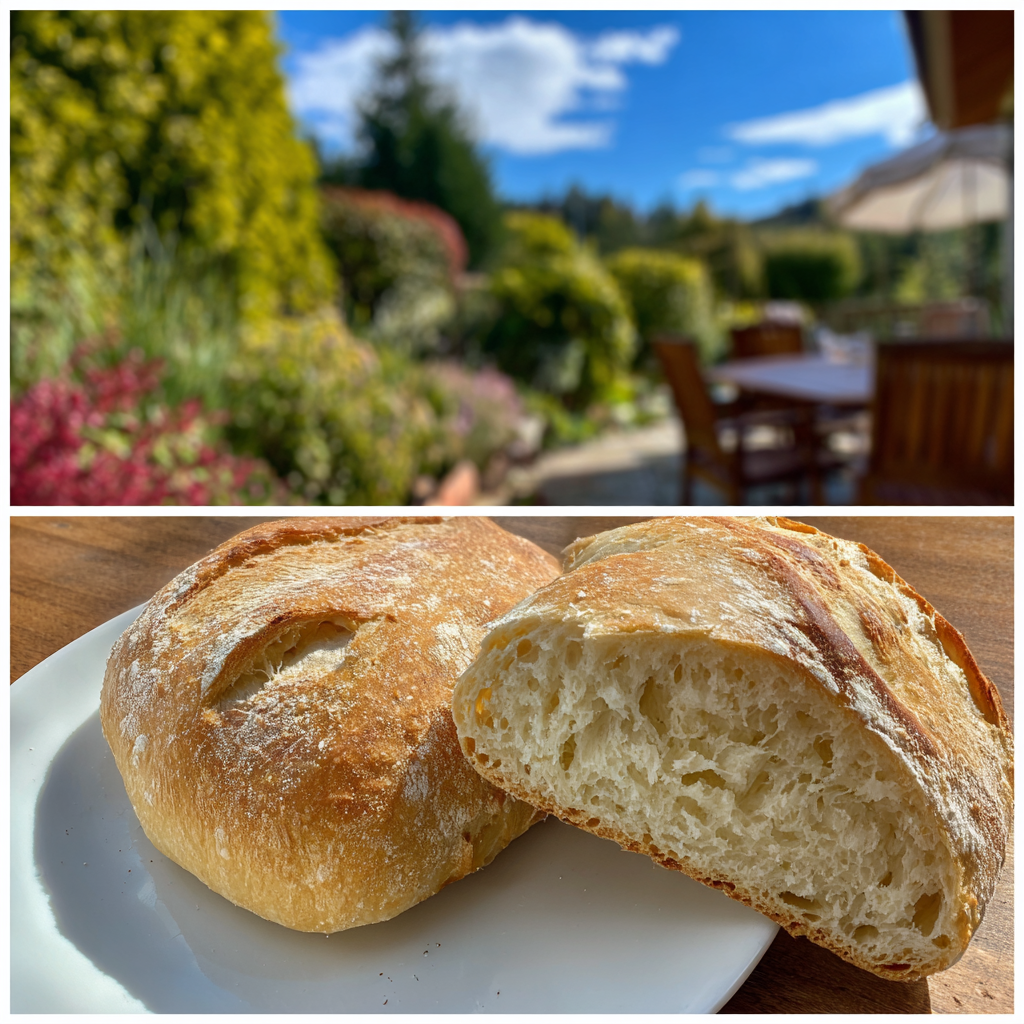
Stecca bread is a no-knead, crusty Italian-style loaf that’s baked in stick shapes. It has a soft interior and a beautifully crisp exterior, perfect for dipping, toasting, or sandwiching.
Do I need a stand mixer to make Stecca Bread?
Nope! This recipe is 100% no-knead. All you need is a bowl, spoon, and time. Letting the dough rise overnight builds all the flavor and texture you need.
Can I freeze Stecca Bread?
Absolutely. Let the bread cool completely, wrap tightly in plastic wrap or foil, and freeze for up to 2 months. Reheat in the oven for best results.
What are the best toppings for Stecca Bread?
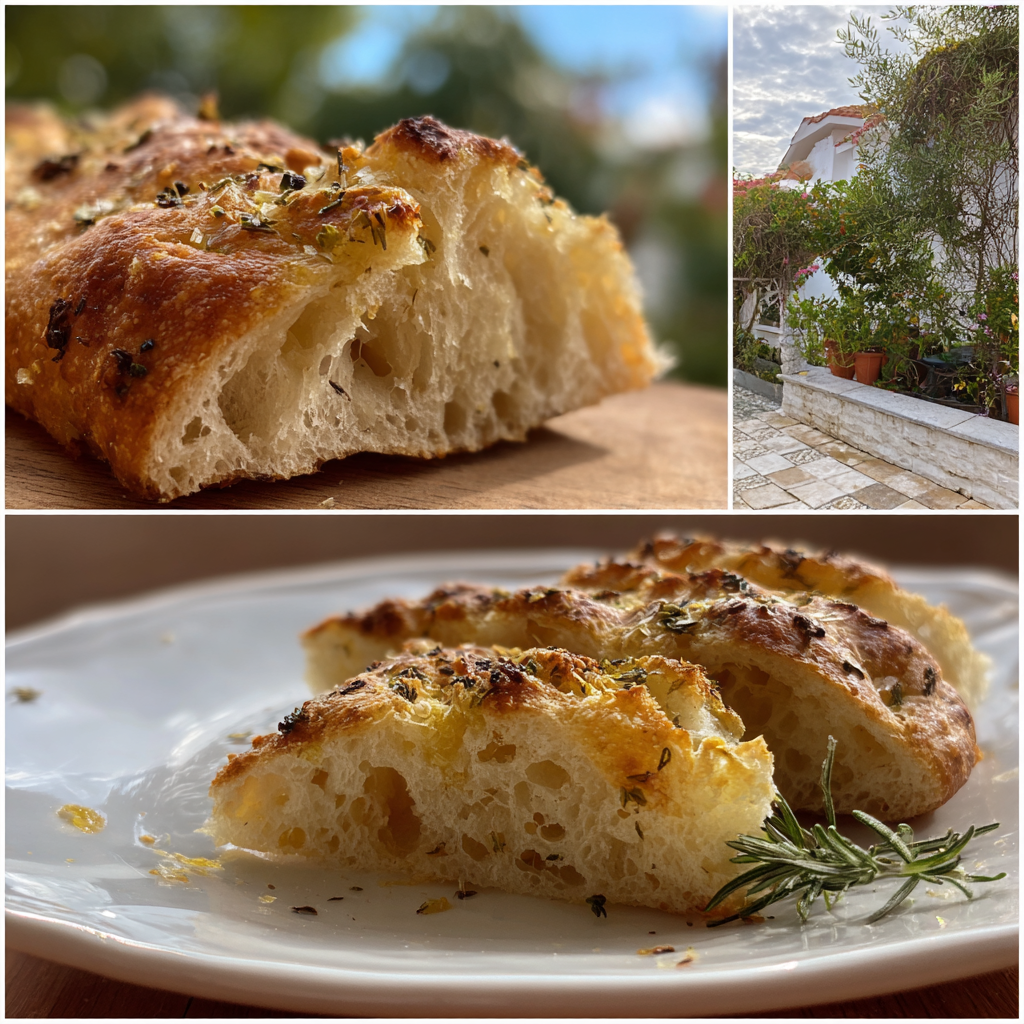
Try cherry tomatoes, garlic, rosemary, olives, or coarse sea salt. You can even drizzle it with chili oil for a spicy kick!
Can I make it gluten-free?
Yes, use a gluten-free flour blend designed for yeast baking. The texture may vary slightly, but you’ll still get a great result.
Leave a Reply