


If you’re looking for a classic appetizer that’s creamy, flavorful, and incredibly easy to make, this Devilled Eggs Recipe deserves a special place on your table! Imagine perfectly cooked egg whites filled with a silky, golden-yellow yolk mixture, seasoned with tangy mustard, creamy mayonnaise, and a delicate sprinkle of paprika. Every bite delivers the perfect combination of rich flavor, smooth texture, and irresistible comfort.
What makes this easy Devilled Eggs Recipe so special is its simplicity. With just a handful of everyday ingredients, including hard-boiled eggs, mayonnaise, Dijon mustard, and a splash of lemon juice, you can create an elegant appetizer without complicated cooking techniques. The secret lies in preparing tender egg whites, mashing the yolks until completely smooth, and balancing the creamy filling with just the right amount of tanginess.
These homemade devilled eggs are perfect for Easter celebrations, Thanksgiving, Christmas parties, summer picnics, family gatherings, and weekend brunches. Their beautiful presentation makes them look impressive, while their familiar, comforting flavor keeps everyone coming back for another bite.
Best of all, this classic Devilled Eggs Recipe is easy to customize. Add fresh chives, a pinch of cayenne pepper, or finely chopped pickles for an extra burst of flavor and texture.
In this OoohDelish guide, you’ll discover how to make the best Devilled Eggs Recipe, achieve perfectly cooked yolks, prepare a smooth and creamy filling, and create delicious, beautifully presented appetizers your family and friends will love.


Devilled Eggs Recipe
Equipment
- Medium saucepan with lid
- Slotted spoon
- Large bowl for an ice-water bath
- Sharp kitchen knife
- Cutting board
- Small mixing bowl
- Fork or potato masher
- Fine-mesh sieve (optional)
- Measuring spoons
- Small spoon or piping bag fitted with star tip
- Serving platter
- Airtight food storage container
Ingredients
- 6 large eggs
- 3 tablespoons 45 g mayonnaise
- 1 teaspoon 5 g Dijon mustard
- 1 teaspoon 5 ml fresh lemon juice
- ⅛ teaspoon fine salt or to taste
- ⅛ teaspoon freshly ground black pepper
- ¼ teaspoon sweet paprika for garnish
- 1 tablespoon finely chopped fresh chives optional
- Optional Variations
- – 1 tablespoon finely chopped dill pickles for extra tanginess
- – A pinch of cayenne pepper for gentle heat
- – 1 tablespoon plain Greek yogurt to replace 1 tablespoon mayonnaise
- – Smoked paprika instead of sweet paprika
- – Fresh dill or parsley for garnish
- Important: The primary recipe uses mayonnaise Dijon mustard, and lemon juice. Optional substitutions and toppings may change the texture and nutritional values.
Instructions
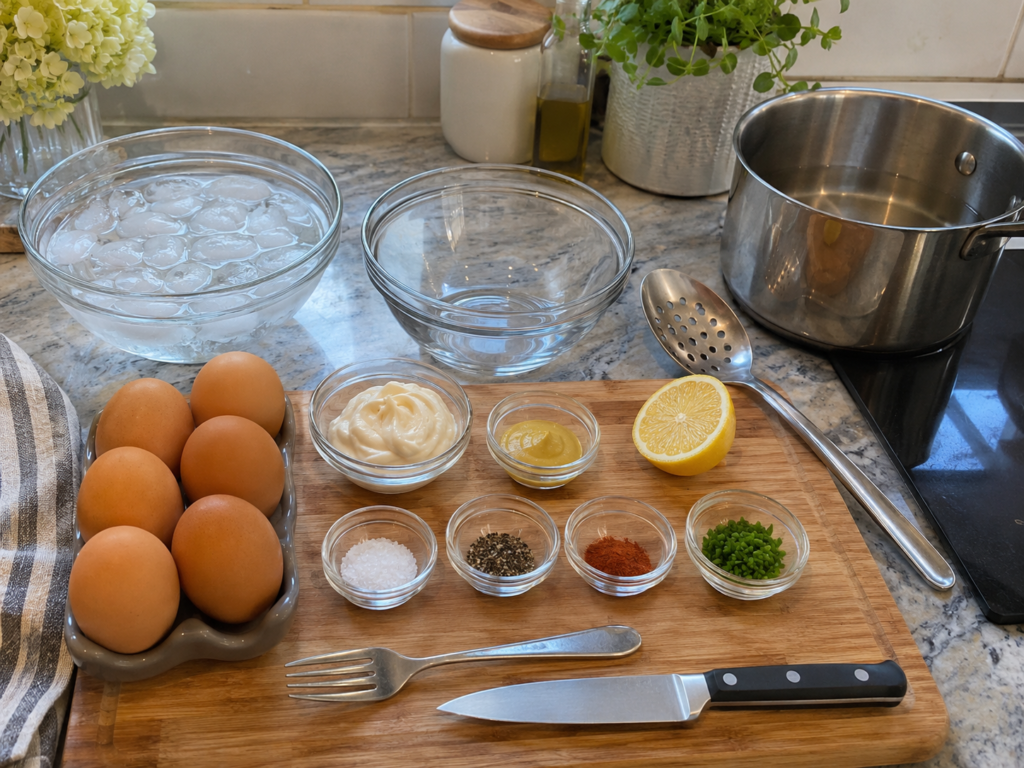
- Step 1: Gather the Ingredients and Prepare Your Workspace. Begin your Devilled Eggs Recipe by gathering 6 large eggs, mayonnaise, Dijon mustard, fresh lemon juice, salt, black pepper, paprika, and optional chives. Place the eggs on a clean work surface and prepare a medium saucepan large enough to hold them in a single layer without crowding. Have a large bowl, ice, and cold water ready for cooling the eggs immediately after cooking. Set out a slotted spoon, sharp knife, small mixing bowl, and fork so the preparation process moves smoothly. Keeping the equipment organized also helps prevent unnecessary handling of the cooked eggs. Choose refrigerated eggs that are within their recommended use date, and avoid using eggs with cracked shells.

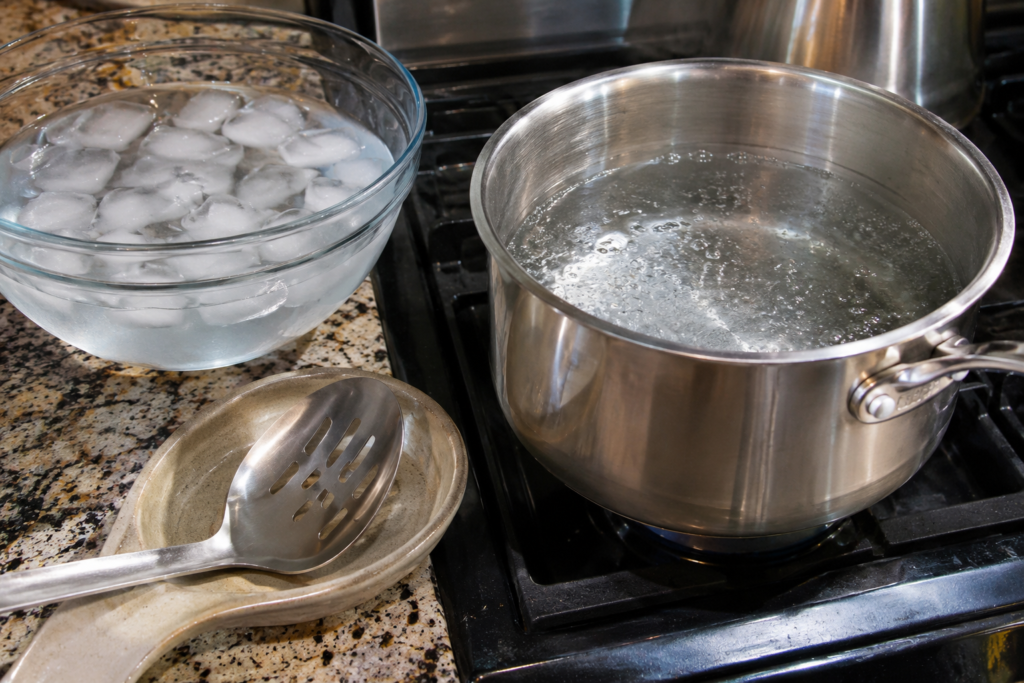
- Step 2: Bring the Water to a Gentle Boil. Fill a medium saucepan with enough water to cover the eggs by approximately 1 inch (2.5 cm) once they are added, then bring the water to a steady but gentle boil over medium-high heat. Avoid an extremely vigorous boil, which can cause the eggs to bump against one another and increase the chance of cracked shells. While waiting for the water to heat, fill a separate large bowl with cold water and plenty of ice cubes to create an ice bath. Using hot water from the beginning of cooking can make the eggs easier to time consistently once they are submerged. Work carefully around the boiling water and keep a slotted spoon nearby for lowering the eggs safely.

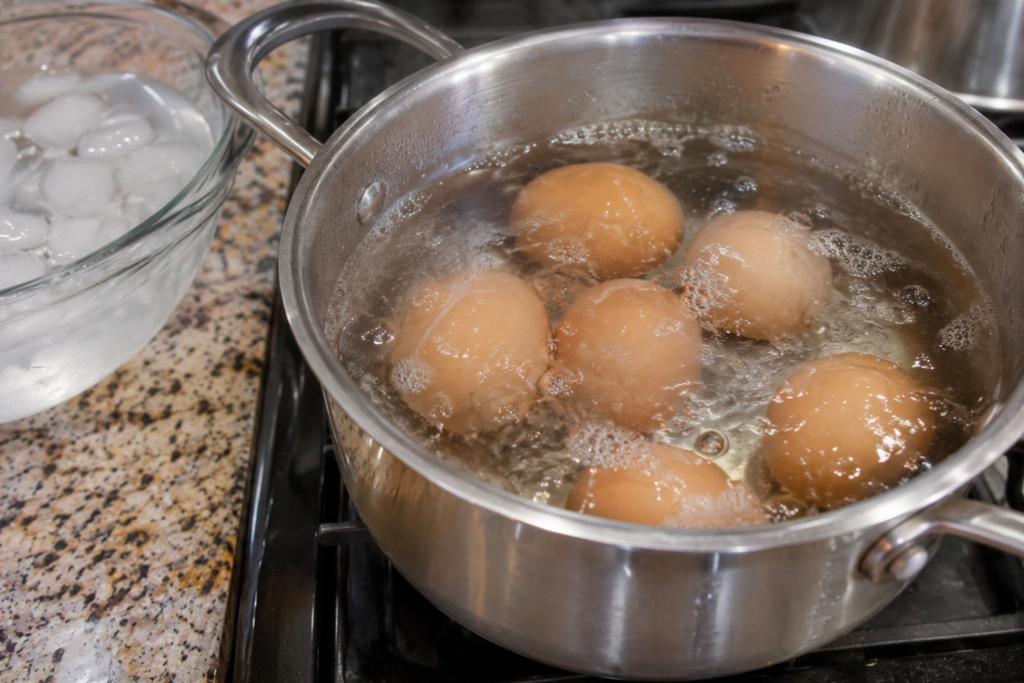
- Step 3: Cook the Eggs Until the Yolks Are Fully Set. Using a slotted spoon, gently lower the 6 large refrigerated eggs into the boiling water one at a time, taking care not to drop them against the bottom of the saucepan. Reduce the heat slightly to maintain a gentle boil and cook for approximately 11–12 minutes, adjusting as needed for egg size and starting temperature. For devilled eggs, the yolks should be fully set rather than runny, so they can be mashed into a smooth filling. Avoid excessively long cooking, which may produce dry, chalky yolks or a gray-green ring around the yolks. When the cooking time is complete, remove the saucepan from the heat and prepare to transfer the eggs into the ice bath immediately.
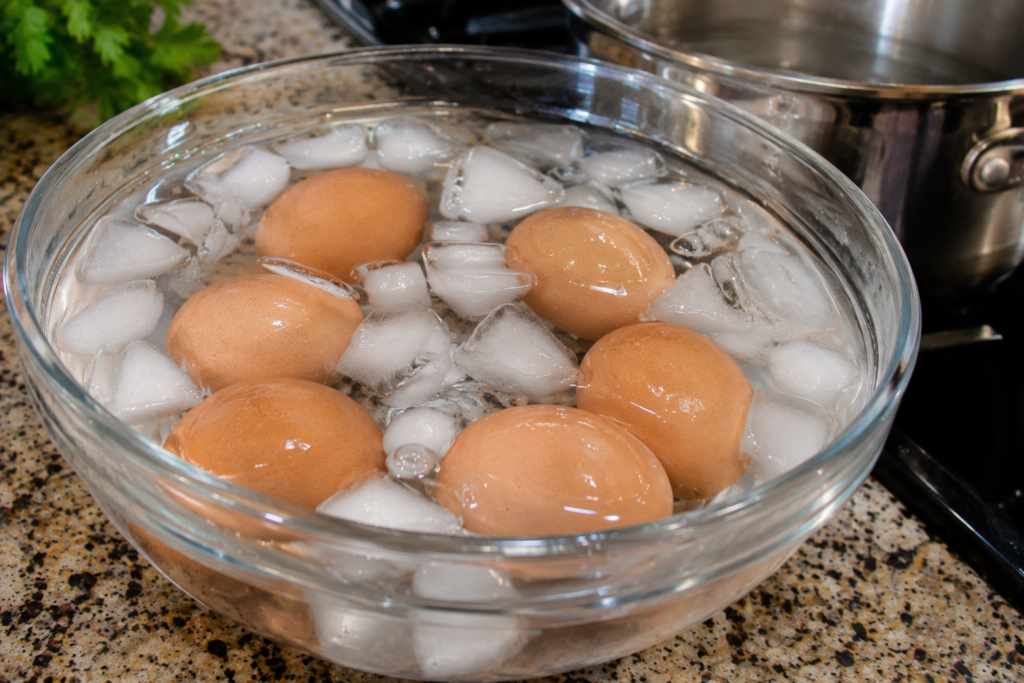
- Step 4: Cool the Hard-Boiled Eggs in Ice Water. Carefully remove the cooked eggs with a slotted spoon and transfer them directly into the prepared bowl of ice water. Allow the eggs to cool for approximately 10–15 minutes, adding more ice if the water becomes too warm. This cooling step stops additional cooking, makes the eggs more comfortable to handle, and can help loosen the membranes beneath the shells. Gently move the eggs once or twice so all sides are surrounded by cold water. Do not leave cooked eggs sitting in warm water for an extended period, since prolonged residual heat may affect the yolk texture. Once the eggs are cool enough to handle, remove them from the ice bath and pat them dry with a clean paper towel.
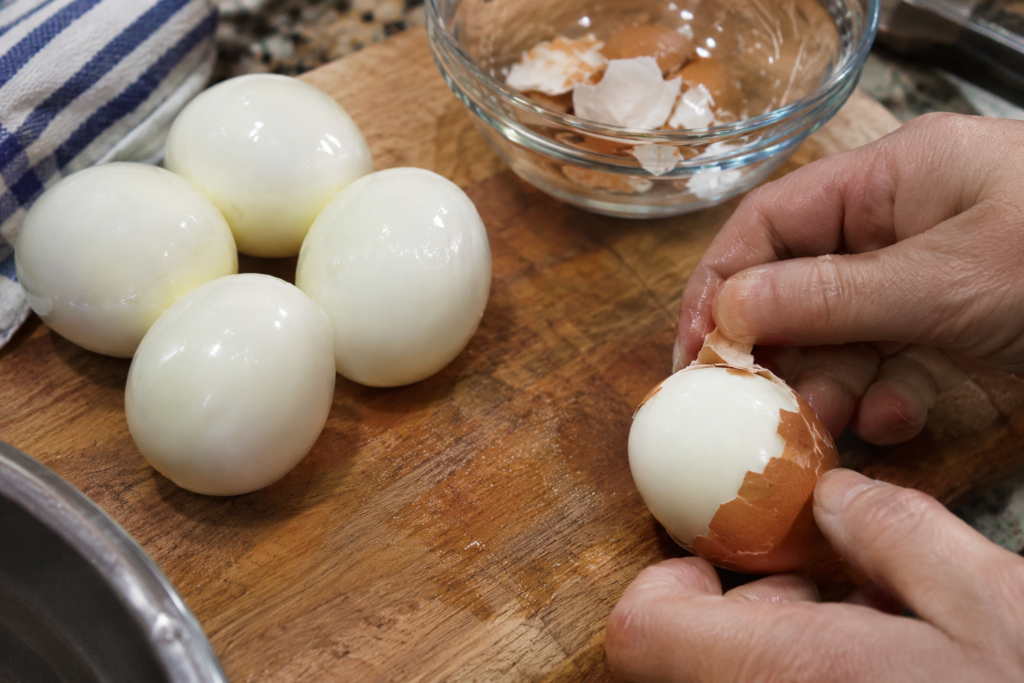
- Step 5: Peel the Eggs Carefully. Place one cooled egg on a clean cutting board and gently tap the shell against the surface to create several small cracks. Roll the egg lightly under your palm without pressing hard enough to damage the cooked white, then begin removing the shell from the wider end, where an air pocket often makes peeling easier. Peel slowly, using cool running water if needed to loosen stubborn shell fragments. Repeat with the remaining eggs, taking care to preserve smooth, intact egg whites because they will hold the creamy filling. If small pieces of shell remain attached, rinse them away gently and dry the peeled eggs with clean paper towels. Set the peeled eggs aside on a clean plate until all six are ready to slice.
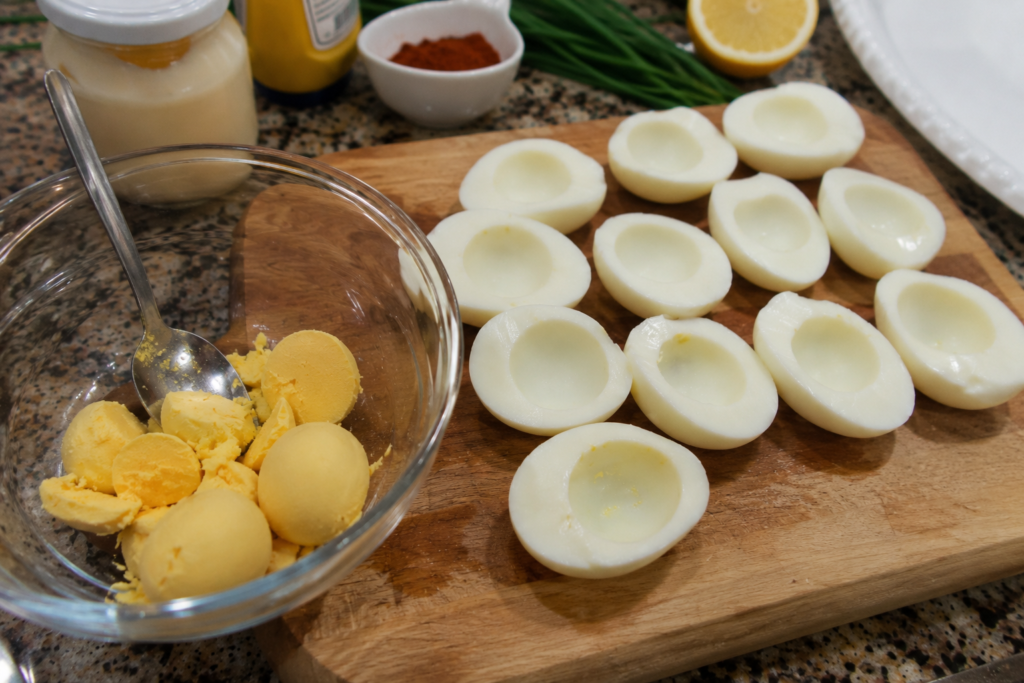
- Step 6: Slice the Eggs and Remove the Yolks. Using a clean, sharp knife, cut each peeled hard-boiled egg lengthwise from end to end to create two evenly shaped halves. Wipe the knife blade between cuts if necessary to keep the edges neat and prevent yolk residue from smearing across the egg whites. Gently remove each firm yolk with a small spoon or your fingers, placing all six yolks in a separate mixing bowl. Arrange the twelve hollow egg-white halves on a serving platter or clean tray with the cut sides facing upward. Handle them carefully to avoid tearing the thin edges of the whites. Any small imperfections can usually be hidden when the creamy yolk mixture is added later, so prioritize keeping the halves intact rather than making every cut perfectly symmetrical.
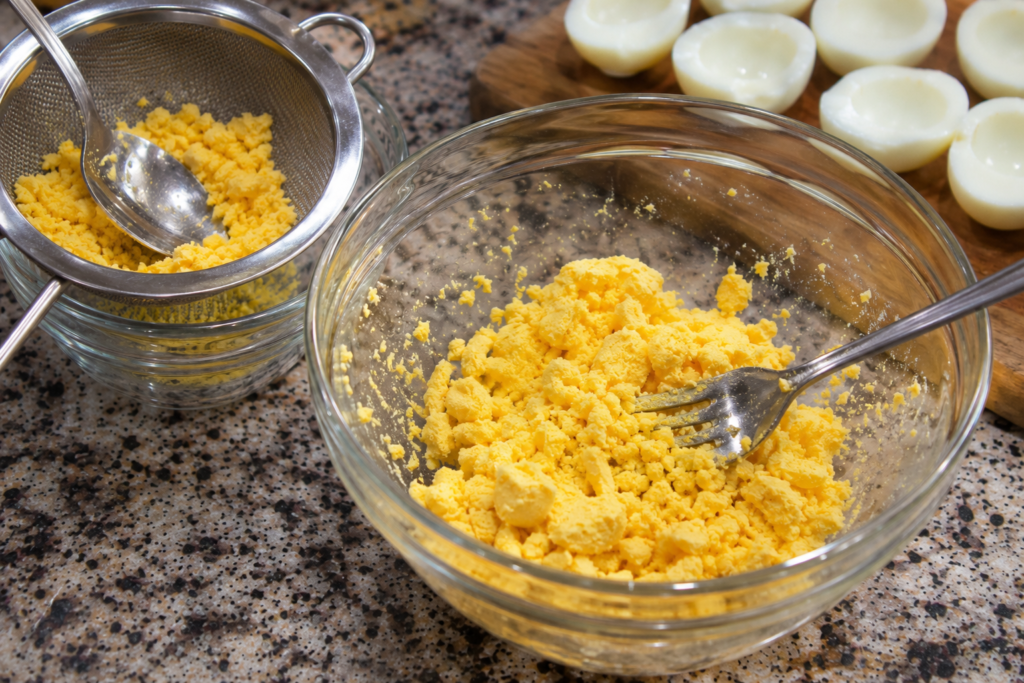
- Step 7: Mash the Egg Yolks Until Smooth. Use a fork to mash the six cooked egg yolks in the mixing bowl, pressing them firmly against the sides until they become fine, loose crumbs with no large lumps. For an especially silky filling, press the mashed yolks through a fine-mesh sieve using the back of a spoon, then return them to the bowl. This optional technique produces a finer texture that is particularly helpful when using a piping bag with a decorative star tip. Take your time with this stage because larger yolk pieces can make the final filling grainy or clog the piping nozzle. Avoid adding excessive liquid to soften the yolks before they are properly mashed, since the mayonnaise and mustard will provide moisture during the next step.
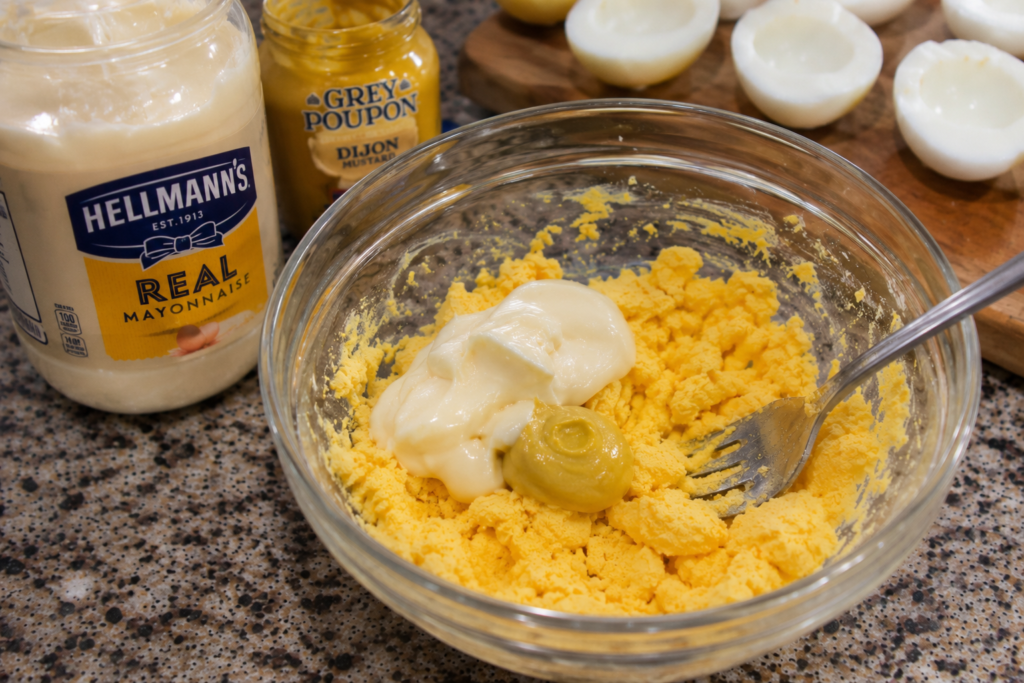
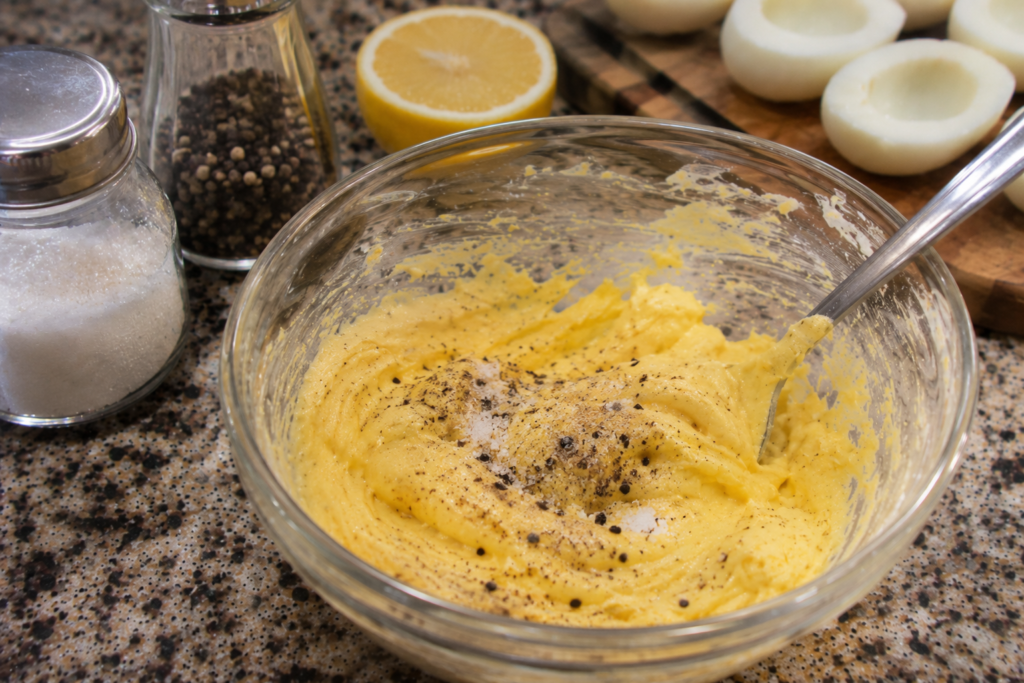
- Step 8: Add the Mayonnaise and Dijon Mustard. Add 3 tablespoons (45 g) of mayonnaise and 1 teaspoon (5 g) of Dijon mustard to the mashed egg yolks. Stir thoroughly with a fork or small spatula, pressing the mixture against the bowl as needed until the filling becomes smooth, thick, and creamy. The mayonnaise provides richness and a soft consistency, while Dijon mustard brings a pleasant tanginess that balances the naturally rich flavor of the yolks. Scrape down the sides of the bowl to make sure the ingredients are evenly incorporated. The filling should be thick enough to hold its shape when spooned or piped but soft enough to spread smoothly. Avoid adding extra mayonnaise immediately if the mixture seems stiff; it will loosen slightly after the lemon juice is mixed in.
- Step 9: Season With Lemon Juice, Salt, and Pepper. Pour 1 teaspoon (5 ml) of fresh lemon juice into the creamy yolk mixture, then add approximately ⅛ teaspoon fine salt and ⅛ teaspoon freshly ground black pepper. Stir gently until the seasonings are evenly distributed, then taste a small amount using a clean spoon and adjust cautiously if necessary. Lemon juice brightens the filling and adds a little acidity without overwhelming the eggs, while salt and pepper enhance the overall flavor. If you prefer a slightly sharper filling, add just a few additional drops of lemon juice rather than pouring in a large quantity, which could make the mixture too loose. The finished filling should taste creamy, mildly tangy, and well balanced, with enough structure to remain neatly inside the egg-white halves.
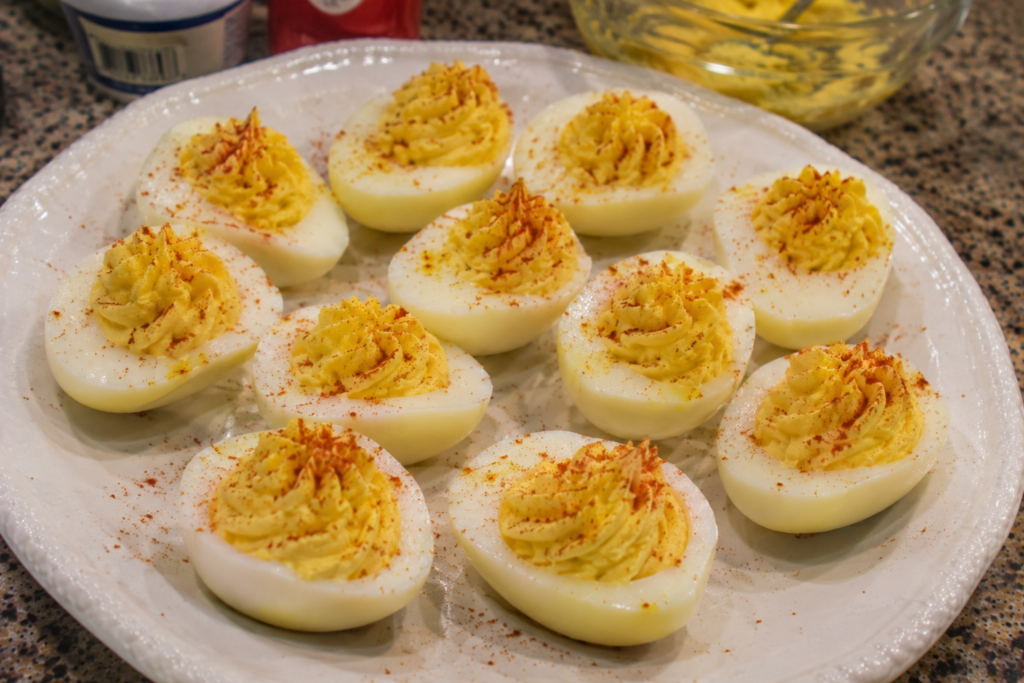
- Step 10: Fill the Egg-White Halves. Arrange the twelve egg-white halves on a stable platter or tray, keeping the hollow centers facing upward. For a simple homemade presentation, use a small spoon to divide the filling evenly among the cavities, creating soft, rounded mounds. For a more elegant appearance, transfer the yolk mixture into a piping bag fitted with a medium star tip, gently squeeze out any trapped air, and pipe the filling in small decorative swirls. Use approximately one-twelfth of the prepared filling for each half so the finished devilled eggs look evenly portioned. If using a piping bag, avoid forcing thick filling through a very narrow tip because this may cause uneven piping. Keep the eggs refrigerated if you are not serving them promptly.
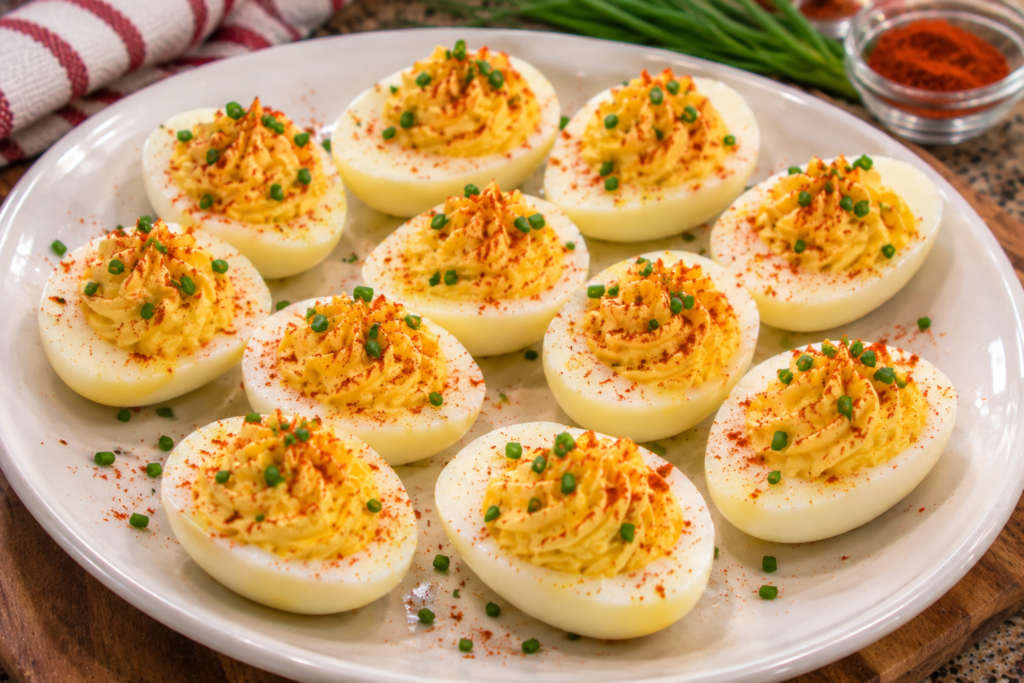
- Step 11: Garnish With Paprika and Fresh Herbs. Once all twelve egg-white halves have been filled, sprinkle approximately ¼ teaspoon sweet paprika lightly over the tops, distributing it evenly for a beautiful reddish-orange finish. Add a few finely chopped fresh chives if desired for a delicate green contrast and a mild onion flavor. Avoid using too much paprika because the seasoning should enhance the appearance and taste rather than overpower the creamy filling. If you prefer a slightly smokier variation, substitute a modest amount of smoked paprika for the sweet paprika. Add herbs and other delicate garnishes shortly before serving to keep them fresh and attractive. Arrange the finished devilled eggs neatly on the platter, leaving enough space between them so the filling stays intact when guests pick up individual portions.
- Step 12: Chill and Serve the Devilled Eggs Safely. Cover the finished devilled eggs carefully without pressing directly against the piped filling, then refrigerate at 40°F (4°C) or below until ready to serve. Although the eggs can be enjoyed shortly after assembly, a brief chill of about 15–30 minutes can help the filling firm slightly and allow the flavors to come together. Serve the devilled eggs cold on a clean platter as an appetizer for Easter, Thanksgiving, Christmas, brunch, or family gatherings. For the best presentation, keep the platter refrigerated until serving rather than allowing the eggs to sit out while other dishes are prepared. Perishable egg dishes should not remain at room temperature for more than 2 hours, or more than 1 hour when the temperature exceeds 90°F (32°C).
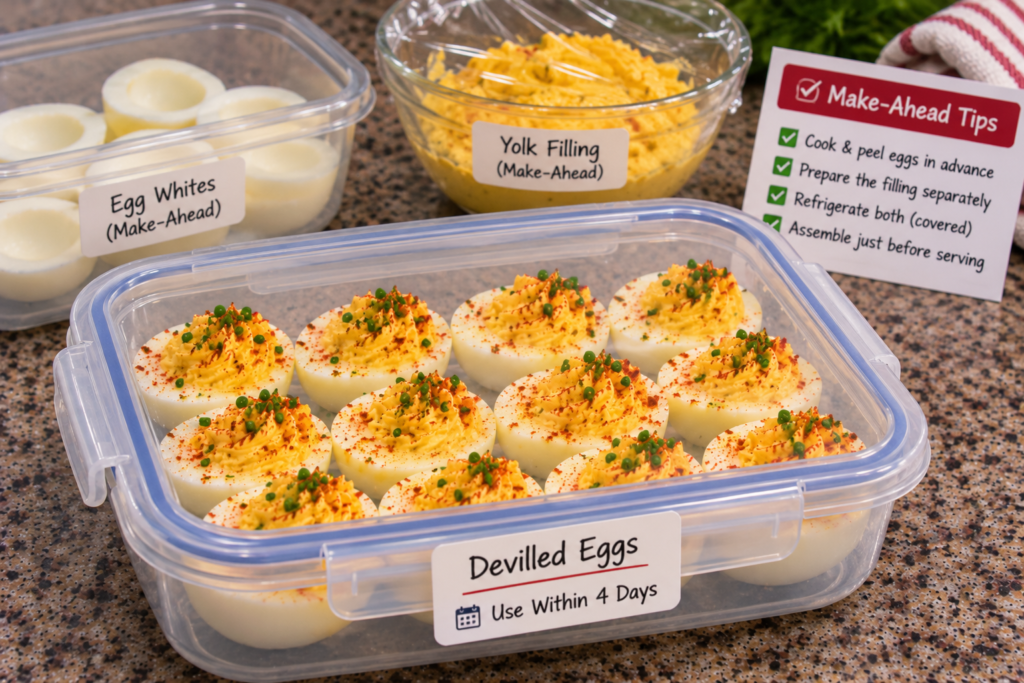
- Step 13: Store Leftovers and Prepare Ahead. Transfer any leftover devilled eggs into a shallow, airtight container and refrigerate promptly at 40°F (4°C) or below. Properly handled devilled eggs should be eaten within 4 days of cooking the eggs, although their texture and appearance are generally best during the first 1–2 days. For a make-ahead version, cook and peel the eggs in advance, prepare the filling separately, and store both components covered in the refrigerator until assembly. Spoon or pipe the filling into the whites shortly before serving for the freshest presentation. Avoid freezing assembled devilled eggs because cooked egg whites often become rubbery and the mayonnaise-based filling may separate after thawing. Discard portions that have remained outside safe refrigeration for too long.
Notes
The Origins of Devilled Eggs Recipe
The Devilled Eggs Recipe has a surprisingly rich history that stretches back thousands of years. Although these creamy, flavorful appetizers are now a favorite at American celebrations, their origins can be traced to ancient cooking traditions in Europe and the Mediterranean.
The story begins in ancient Rome, where boiled eggs seasoned with flavorful sauces and spices were commonly served as appetizers at wealthy Roman gatherings. These early egg dishes helped establish a culinary tradition that would evolve over centuries.
By the 13th century, recipes for stuffed eggs appeared in Andalusia, in present-day Spain. Medieval cooks removed hard-boiled egg yolks, mixed them with herbs, spices, and seasonings, then returned the flavorful mixture to the egg whites. By the 15th century, variations of stuffed eggs had spread throughout Europe.
But why are they called devilled eggs?
The word “devilled” became associated with strongly seasoned or spicy foods in 18th-century Britain. Ingredients such as mustard, pepper, and other bold seasonings gave these appetizers their distinctive name.
During the 19th century, stuffed eggs became increasingly popular in the United States. In 1896, Fannie Farmer’s Boston Cooking-School Cook Book included a version using mayonnaise, helping shape the creamy filling familiar today.
By the mid-20th century, classic devilled eggs had become a beloved American party food, especially at Easter celebrations, picnics, potlucks, and family gatherings.
Today, the homemade Devilled Eggs Recipe remains a timeless favorite, combining tender egg whites with creamy yolks, mayonnaise, mustard, and paprika.
OoohDelish Secret: The magic of perfect devilled eggs lies in their silky, creamy filling. Mash the yolks thoroughly, balance the mayonnaise with a little mustard and lemon juice, and finish with a delicate sprinkle of paprika for irresistible flavor.

Health Benefits of Devilled Eggs Recipe
This Devilled Eggs Recipe isn’t just a creamy, delicious appetizer! Made with eggs, mayonnaise, Dijon mustard, and a touch of lemon juice, these classic bite-sized treats provide several important nutrients. When enjoyed in moderation, homemade devilled eggs can be a satisfying addition to a balanced diet.
1. Rich in High-Quality Protein
Eggs provide complete protein, containing all nine essential amino acids needed for muscle maintenance, tissue repair, and normal body functions.
2. Supports Brain Health
Egg yolks are an excellent source of choline, an essential nutrient that supports brain function, memory-related processes, and healthy cell membranes.
3. Provides Important Vitamins
Devilled eggs contain vitamins B12, A, and D, which contribute to normal nerve function, vision, immune health, and bone maintenance.
4. Helps You Feel Fuller for Longer
The combination of protein and fat in devilled eggs can promote satiety, making them a satisfying appetizer or snack between meals.
5. Supports Eye Health
Egg yolks naturally contain lutein and zeaxanthin, two carotenoids that help maintain normal eye health and contribute to the protection of retinal tissues.
6. Contains Essential Minerals
Eggs provide nutrients such as selenium and phosphorus, which support normal antioxidant defenses, energy metabolism, and bone health.
7. Naturally Low in Carbohydrates
Traditional homemade devilled eggs contain relatively few carbohydrates, making them suitable for many low-carb eating patterns when prepared without added sugar.
8. Easy to Make a Little Lighter
For a lighter variation, replace some of the mayonnaise with plain Greek yogurt. This can reduce the fat content while adding a little extra protein and maintaining a creamy texture.

Are Devilled Eggs Healthy?
Devilled eggs can be part of a healthy, balanced diet, thanks to their protein, choline, vitamins, and minerals. However, mayonnaise adds calories and fat, while mustard, salt, and certain toppings can increase sodium.
Portion size matters, especially when enjoying several devilled egg halves at parties or gatherings.
OoohDelish Healthy Tip: For a nutritious twist on your Devilled Eggs Recipe, use a combination of mayonnaise and plain Greek yogurt, add fresh chives for flavor, and finish with a light sprinkle of paprika instead of extra salt. You’ll enjoy a creamy, delicious appetizer with a little added nutritional value.
Why You Should Try This Devilled Eggs Recipe
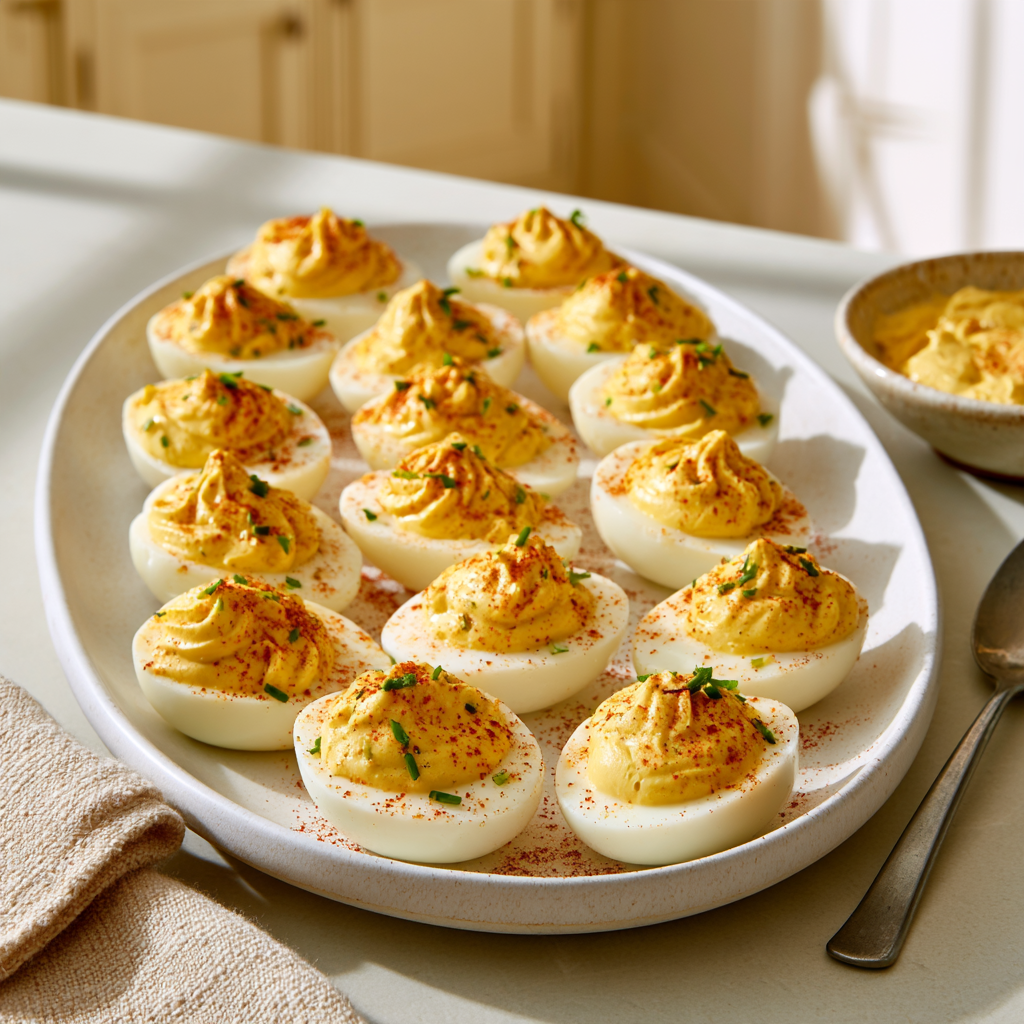
If you love creamy, flavorful appetizers that are easy to prepare, this Devilled Eggs Recipe is a must-try! With tender egg whites, a silky yolk filling, tangy mustard, and a delicate sprinkle of paprika, these classic bites are perfect for almost any occasion.
1. Quick and Easy to Make
With just a handful of everyday ingredients and simple preparation steps, you can create a delicious appetizer without spending hours in the kitchen.
2. Perfectly Creamy and Flavorful
The combination of egg yolks, mayonnaise, Dijon mustard, and lemon juice creates a wonderfully smooth, rich filling with just the right amount of tanginess.
3. Budget Friendly Ingredients
This easy Devilled Eggs Recipe uses affordable kitchen staples, making it ideal for preparing delicious appetizers without spending too much.
4. Perfect for Parties and Holidays
Whether you’re celebrating Easter, Thanksgiving, Christmas, or hosting a family gathering, devilled eggs are a classic crowd-pleaser.
5. Naturally Rich in Protein
Eggs provide high-quality protein, making these bite-sized appetizers more satisfying than many traditional party snacks.
6. Easy to Customize
Add fresh chives, chopped pickles, smoked paprika, or a pinch of cayenne pepper to create your own delicious variation.
7. Beautiful and Impressive Presentation
Their golden, creamy filling and colorful garnishes make homemade devilled eggs look elegant on any appetizer platter.
8. Great for Preparing Ahead
You can cook the eggs and prepare the filling in advance, then assemble them shortly before serving for a fresh, beautiful presentation.

Final Thoughts
This classic Devilled Eggs Recipe combines everything you want in a homemade appetizer: simple ingredients, creamy texture, delicious flavor, and effortless preparation.
OoohDelish Secret: For extra-smooth devilled eggs, press the cooked yolks through a fine-mesh sieve before mixing them with mayonnaise, mustard, and lemon juice. Pipe the filling into the egg whites and finish with a sprinkle of paprika for a beautiful, irresistible appetizer.
Frequently Asked Questions About Devilled Eggs Recipe
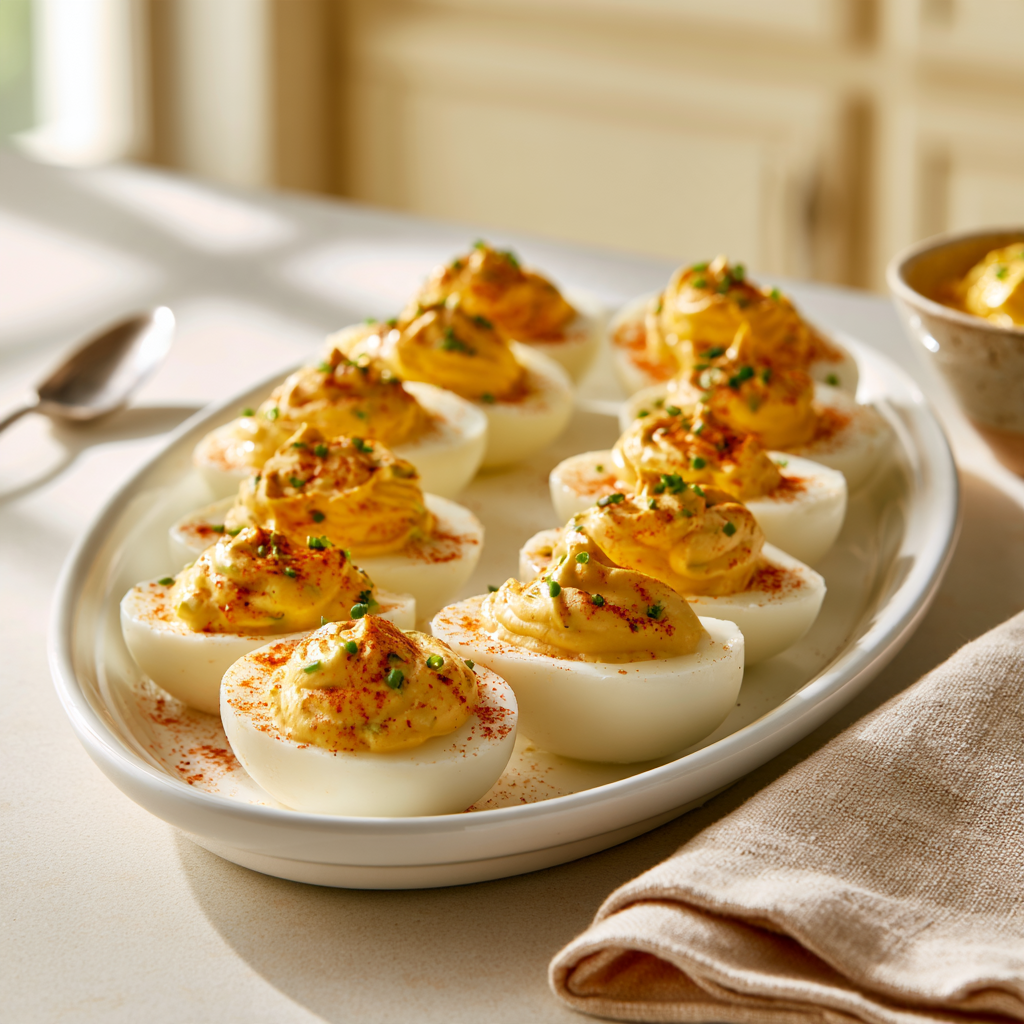
Want to make the best homemade Devilled Eggs Recipe with perfectly cooked egg whites, creamy golden yolk filling, a gentle mustard tang, and a beautiful paprika garnish? These helpful answers explain how to boil and peel eggs without damaging them, achieve a silky filling, prevent watery devilled eggs, prepare them ahead of time, and store them safely. Whether you’re planning an Easter brunch, Thanksgiving appetizer, picnic, or party platter, these practical tips will help you make delicious, beautifully presented devilled eggs every time.
1. What are Devilled Eggs, and why are they called devilled?
Devilled eggs are hard-boiled eggs cut in half, with their yolks removed, seasoned, and returned to the egg whites as a creamy filling. Classic recipes generally combine mashed yolks with mayonnaise, mustard, a little acidity, and seasonings. The word “devilled,” also spelled “deviled” in American English, is a traditional culinary term associated with boldly seasoned foods. This OoohDelish version is mild, creamy, and suitable for family gatherings. Unlike our Masters Egg Salad Recipe, which combines chopped eggs into a sandwich filling, devilled eggs are individually filled and served as appetizers.
2. What ingredients do you need for the best Devilled Eggs Recipe?
This OoohDelish recipe uses 6 large eggs, 3 tablespoons (45 g) mayonnaise, 1 teaspoon (5 g) Dijon mustard, and 1 teaspoon (5 ml) fresh lemon juice. Season with 1/8 teaspoon fine salt and 1/8 teaspoon freshly ground black pepper. Finish with 1/4 teaspoon sweet paprika and optional finely chopped fresh chives. Six eggs produce twelve filled halves, making them easy to arrange on a serving platter. The mayonnaise contributes creaminess, Dijon adds a gentle sharpness, and lemon juice balances the richness of the cooked egg yolks.
3. How long should you boil eggs for perfect devilled eggs?
For this recipe, cook the 6 large eggs for approximately 11–12 minutes using a gentle boiling method. The goal is a fully set egg white and a firm, bright yellow yolk that mashes smoothly into the filling. Cooking time can vary slightly depending on egg size, starting temperature, and the method used. Once cooked, transfer the eggs immediately into an ice bath for approximately 10–15 minutes. This stops further cooking and cools them for peeling. Avoid leaving the eggs simmering unnecessarily long, since overcooking can create dry, chalky yolks.
4. What is the easiest way to peel hard-boiled eggs without breaking them?
Cool the cooked eggs thoroughly in ice water before carefully cracking and peeling the shells. Gently tap the egg on a countertop, roll it to create several small cracks, and begin peeling near the wider end where an air pocket may be present. Working under a little cool running water can sometimes help loosen stubborn shell pieces. Eggs that have been refrigerated for several days may peel more easily than very fresh eggs. Handle the whites gently because smooth, intact halves look much more attractive when filled and arranged on a party platter.
5. Why do my hard-boiled egg yolks have a green or gray ring?
A greenish-gray ring around a hard-boiled egg yolk usually results from prolonged cooking or excessive heat. It develops through a reaction between sulfur in the egg white and iron in the yolk. Although the color may look unappealing, it does not automatically mean the egg is unsafe to eat. To minimize discoloration, avoid overcooking and cool the eggs promptly in ice water. This OoohDelish recipe uses approximately 11–12 minutes of cooking followed by a 10–15-minute ice bath to help achieve fully cooked, attractive yolks.
6. How do you make devilled egg filling extra smooth and creamy?
Mash the fully cooked yolks until fine before adding the mayonnaise and seasonings. For this recipe, combine the yolks from six eggs with 45 g mayonnaise, 5 g Dijon mustard, and 5 ml lemon juice. Use a fork to remove lumps, or press the yolks through a fine-mesh sieve for an especially silky texture. Stir in the salt and pepper until the filling is evenly combined. Avoid adding unnecessary liquid; the filling should be creamy but firm enough to hold its shape when spooned or piped into the egg-white halves.
7. Can I use yellow mustard instead of Dijon mustard in devilled eggs?
Yes, yellow mustard is a convenient substitute for Dijon mustard. Both provide acidity and a pleasant savory bite, although Dijon has a slightly sharper and more complex flavor. The original OoohDelish formulation uses 1 teaspoon (5 g) Dijon mustard. If substituting yellow mustard, begin with approximately the same quantity and taste the filling before adjusting. Avoid adding too much mustard at once because its flavor can overpower the eggs. The lemon juice in this recipe also contributes brightness, so additional acidity may not be necessary.
8. Can I make devilled eggs without mayonnaise or with Greek yogurt?
Plain Greek yogurt can replace some or all of the mayonnaise in a modified devilled eggs recipe. It gives the filling a lighter, tangier flavor and a different texture. Thick Greek yogurt generally works better than a runny variety. Start with a small substitution rather than replacing all 45 g of mayonnaise immediately. Taste before adding extra lemon juice because yogurt already provides tanginess. You can also try mashed avocado for a different creamy variation, although it changes the flavor, color, and storage quality. These substitutions are variations rather than the original recipe.
9. Why is my devilled egg filling too runny, watery, or too thick?
Runny filling often results from adding too much mayonnaise or lemon juice. Start with the recipe’s measured 3 tablespoons mayonnaise and 1 teaspoon lemon juice, then mix thoroughly before judging consistency. Pat the peeled eggs dry so excess water doesn’t enter the yolk mixture. If the filling becomes too loose, chilling may help it firm slightly, but it won’t always correct excess liquid. If the mixture is too thick, stir until completely smooth and consider adding a very small amount of mayonnaise. The ideal filling should hold soft peaks without dripping from the egg whites.
10. Is it better to pipe or spoon the filling into devilled eggs?
Both methods work, but piping creates a more decorative finish for special occasions. For everyday preparation, simply scoop the creamy yolk mixture into the twelve egg-white halves using a small spoon. To pipe the filling, transfer it into a piping bag fitted with a star or round tip. A small food-safe plastic bag with one corner snipped off is an easy alternative. Make sure the filling is smooth enough to pass through the opening. Pipe gently, without overfilling, and arrange the finished eggs on a chilled serving platter.
11. What is the best paprika and garnish for classic devilled eggs?
Sweet paprika is the classic finishing touch for devilled eggs. This OoohDelish recipe uses approximately 1/4 teaspoon, sprinkled lightly over the twelve filled halves. Paprika adds attractive red color and a gentle pepper flavor without making the eggs noticeably spicy. Optional fresh chives bring a subtle onion flavor and a bright green contrast. For variation, you can use a small amount of smoked paprika, fresh dill, or parsley. Add delicate herbs shortly before serving so they remain fresh and colorful. Avoid overloading the filling with garnishes.
12. How can I make spicy devilled eggs or create different flavors?
Classic devilled eggs are easy to customize with herbs, spices, and vegetables. For extra heat, stir a small pinch of cayenne pepper into the yolk mixture or garnish with finely minced jalapeño. For a fresher flavor, try dill, chives, or a little lemon zest. Finely chopped pickles can provide a satisfying tangy crunch, but drain them well to prevent a watery filling. Keep the classic version mild when preparing eggs for mixed-age gatherings, and offer spicier toppings separately for guests who enjoy stronger flavors.
13. Can you make devilled eggs the night before a party?
Yes, preparing the components separately is an excellent make-ahead method. Cook, cool, peel, and halve the eggs, then prepare the creamy yolk filling. Store the egg-white halves in one covered container and the filling in a separate airtight container or piping bag in the refrigerator. Assemble shortly before serving and finish with paprika and chives. This helps keep the whites neat and prevents the garnish from becoming damp. Keep everything at 40°F (4°C) or below during storage and transport, especially for brunches, picnics, and outdoor parties.
14. How long do devilled eggs last in the refrigerator?
Store prepared devilled eggs in a covered container at 40°F (4°C) or below and use within 3–4 days of cooking. For the best flavor and appearance, serving them within 1–2 days is preferable. Refrigerate promptly and never leave devilled eggs at room temperature for more than two hours, or one hour when temperatures exceed 90°F (32°C). At parties, display small batches and keep the remaining eggs chilled. Use clean utensils and discard eggs that have exceeded safe holding times. Count storage time from when the eggs were originally cooked.
15. Can you freeze devilled eggs or the leftover yolk filling?
Freezing assembled devilled eggs is not recommended because cooked egg whites tend to become rubbery and watery after thawing. The mayonnaise-based yolk filling may also separate and lose its smooth consistency. For best results, refrigerate the prepared eggs and enjoy them within the recommended storage period. If you’re preparing for a large event, it’s better to boil and prepare the eggs ahead, keeping the components chilled until assembly. Avoid making more filling than you can use safely, and don’t attempt to restore the texture of thawed egg whites by reheating them.
16. How many devilled eggs should you serve per person, and what goes with them?
This recipe makes 12 devilled egg halves, which is suitable for about 4–6 appetizer portions when allowing 2–3 halves per person. For a larger party with several appetizers, one or two halves per guest may be enough. Arrange the eggs on a chilled platter alongside fresh vegetables, crackers, and simple salads. They pair particularly well with our Tangy Potato Salad Recipe for a classic picnic spread. You can also serve them with our Asian Cucumber Salad Recipe for a refreshing crunchy contrast. Keep the platter chilled until serving.