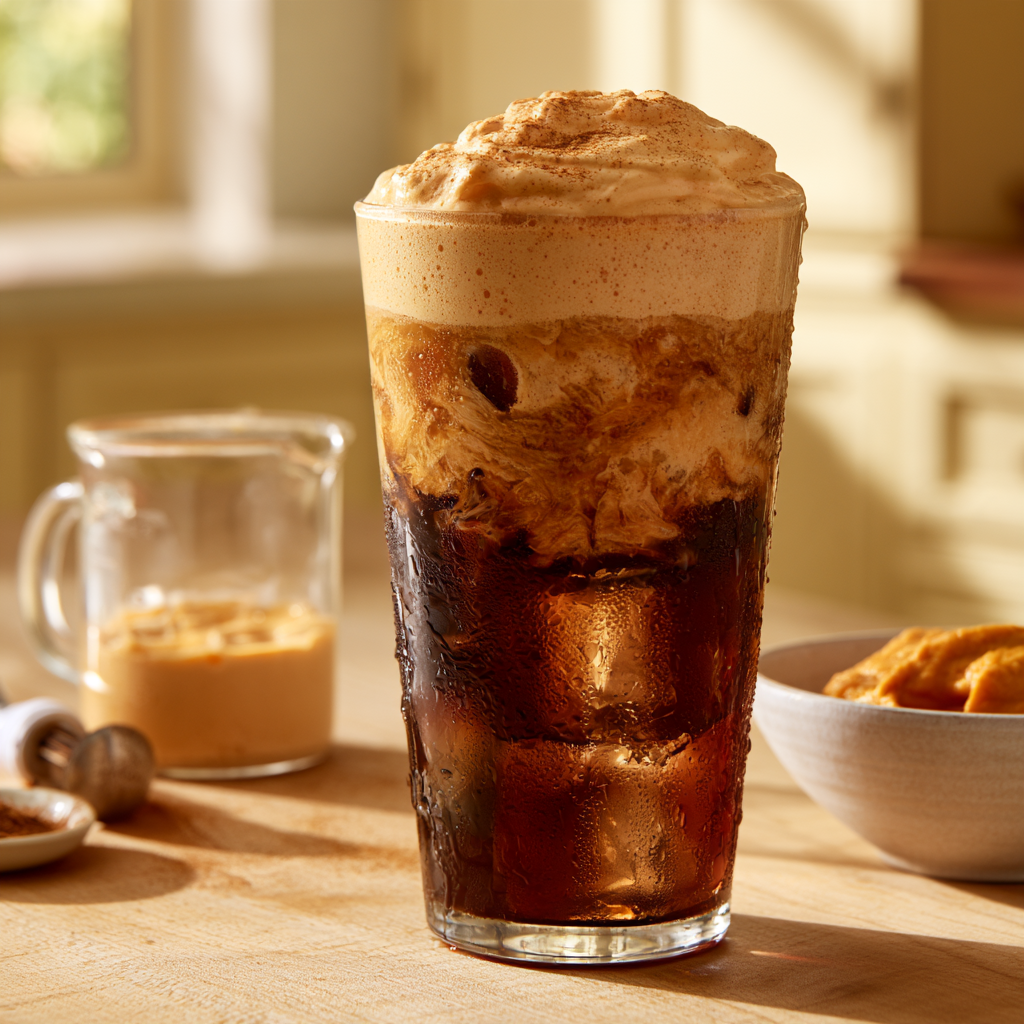
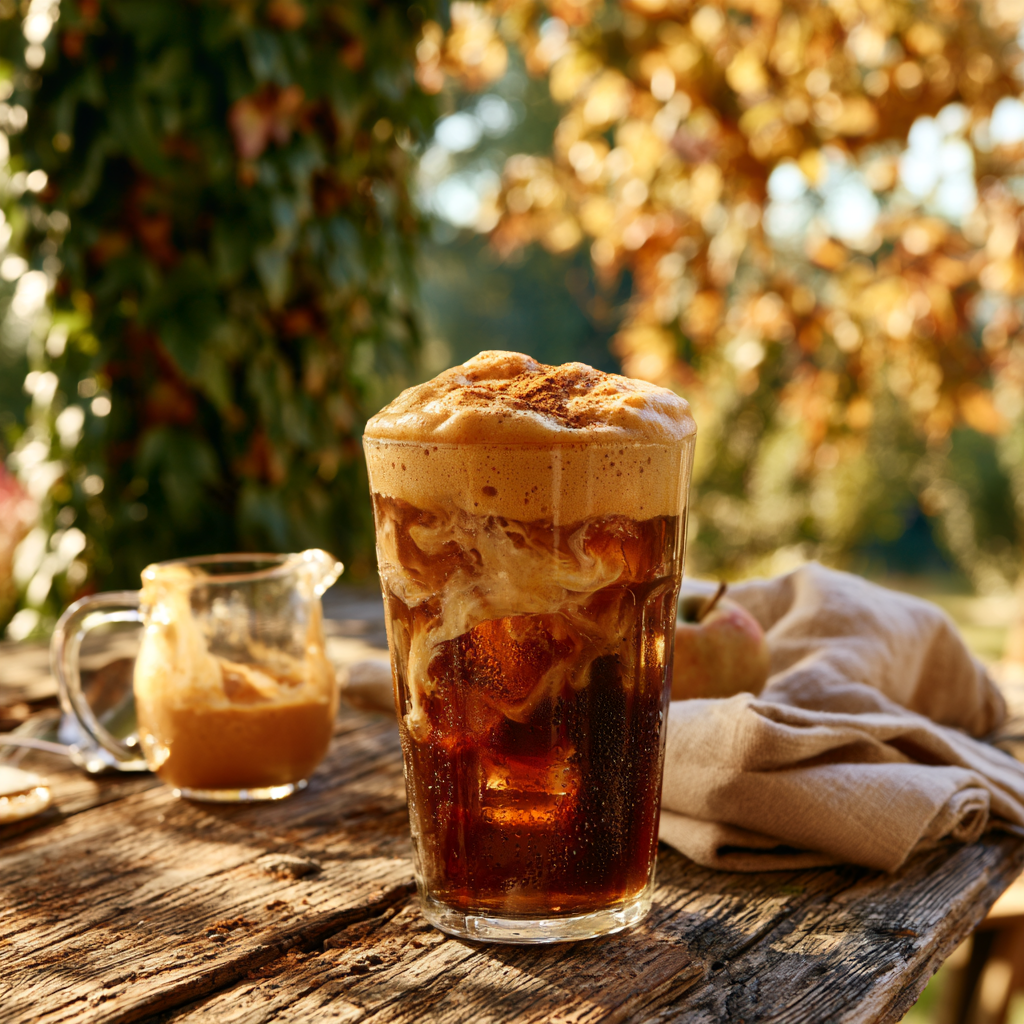
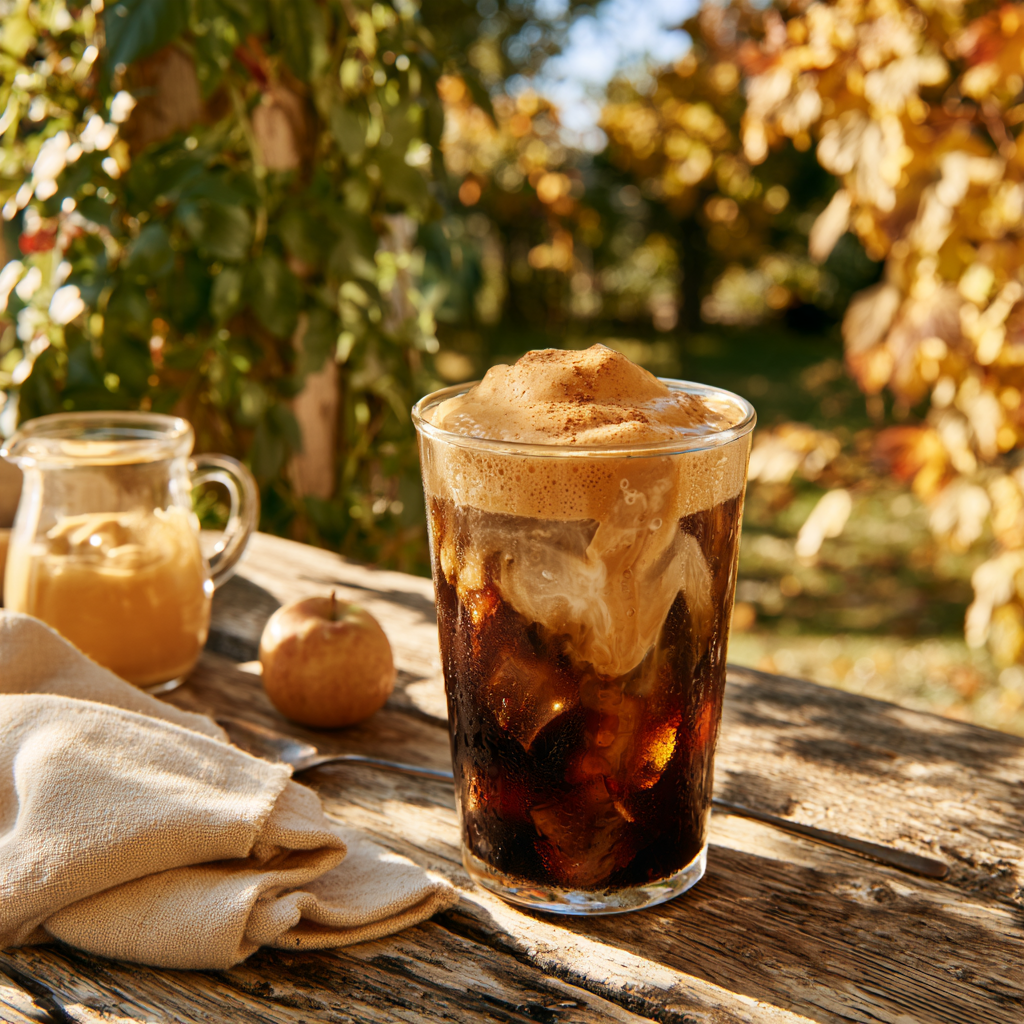
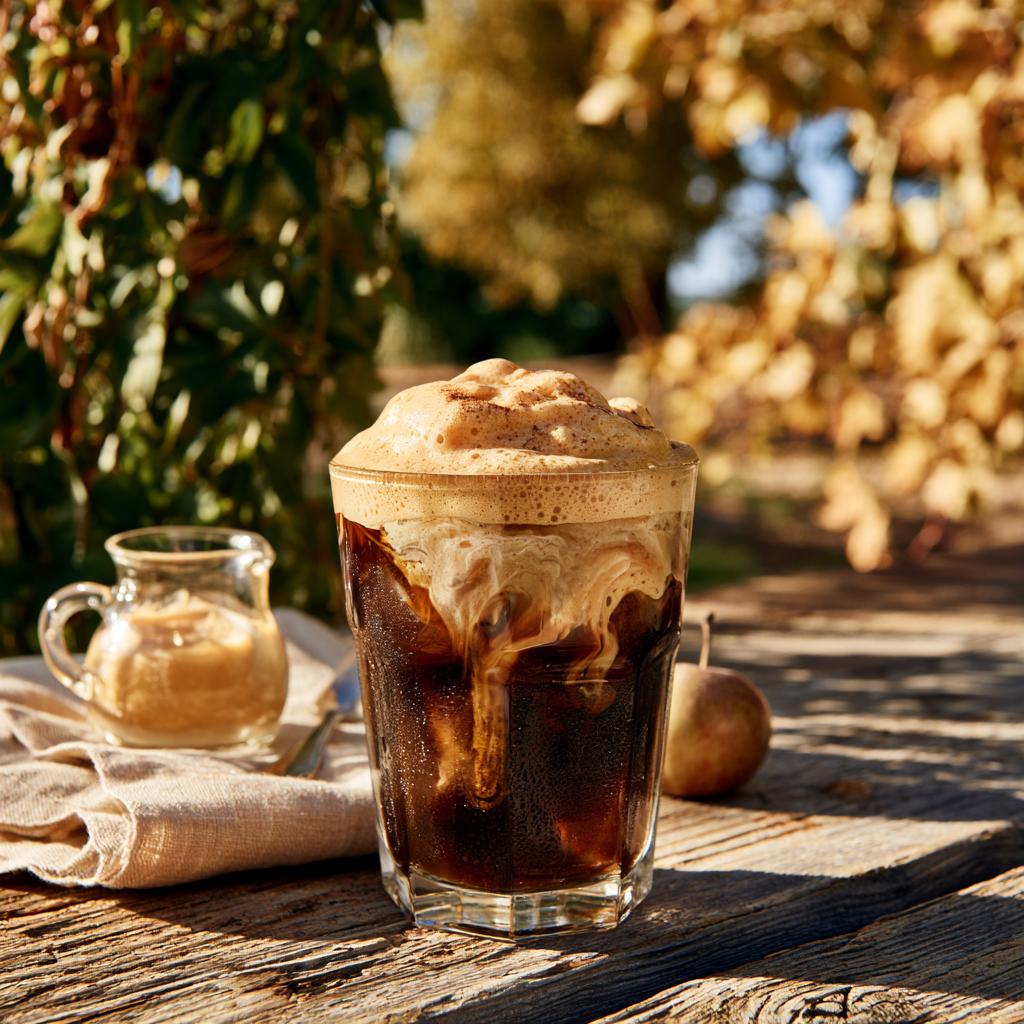
Imagine your favorite glass of iced coffee topped with a thick, velvety cloud of homemade pumpkin cold foam, slowly cascading into the dark coffee beneath it. With every sip, you taste the delicate sweetness of real pumpkin, the comforting warmth of cinnamon and nutmeg, and a beautifully creamy vanilla finish that makes an ordinary drink feel like a special autumn treat. That’s exactly what makes this Pumpkin Cold Foam Recipe so irresistible! Inspired by the popular pumpkin cream cold foam served at coffee shops, this homemade version brings all those cozy fall flavors into your kitchen using simple ingredients and a few minutes of preparation. Whether you’re a devoted pumpkin spice lover, a fan of iced coffee, or someone searching for a delicious seasonal drink topping, this easy recipe is a wonderful way to make your everyday beverages feel a little more indulgent.
What makes homemade pumpkin cold foam particularly special is its wonderful combination of texture and flavor. Unlike traditional whipped cream, which is usually thick enough to hold its shape when spooned onto desserts, cold foam is designed to be light, airy, and gently pourable. When prepared correctly, it creates a delicate, creamy layer that floats over iced coffee before gradually blending into the drink as you sip. The foam delivers a sweet, spiced contrast to the bold flavor of cold brew, creating the satisfying combination of rich coffee and smooth pumpkin cream that has made pumpkin cold foam drinks so popular during the fall season. Best of all, you don’t need to be a professional barista to achieve that inviting coffee-shop appearance at home.
The secret to an amazing Pumpkin Cream Cold Foam Recipe lies in using real pumpkin purée, chilled dairy, a touch of sweetness, and carefully balanced spices. A small amount of 100% pure pumpkin purée contributes authentic pumpkin flavor and a naturally warm orange color, while heavy whipping cream creates the rich texture that makes the foam feel so luxurious. Milk helps keep the mixture light and pourable, and vanilla extract adds a delicate sweetness that complements the pumpkin without overwhelming it. A little pumpkin pie spice, usually a blend of cinnamon, ginger, nutmeg, and cloves or allspice, provides the unmistakable autumn aroma that makes each sip so comforting. Depending on your preferences, you can sweeten the foam with maple syrup, brown sugar syrup, or another suitable sweetener. The result is a beautifully balanced topping that tastes like fall in every sip.
Pumpkin Cold Foam Recipe
Equipment
- Handheld electric milk frother
- Tall narrow mixing cup or frothing pitcher
- Measuring cups
- Measuring spoons
- Small whisk or spoon
- Silicone Spatula
- Airtight glass storage jar
- 4 serving glasses
- Optional: Electric hand mixer
- Optional: Small personal blender
- Optional: Fine-mesh strainer
- Optional: Digital kitchen scale
Ingredients
- 1/2 cup 120 ml heavy whipping cream, thoroughly chilled
- 1/4 cup 60 ml whole milk, thoroughly chilled
- 2 tablespoons 30 g 100% pure pumpkin purée, chilled
- 1 1/2 tablespoons 22 ml pure maple syrup
- 1/2 teaspoon 2.5 ml pure vanilla extract
- 1/4 teaspoon pumpkin pie spice
- 1 tiny pinch fine sea salt
Instructions
- Step 1: Gather and Chill All the Ingredients. Before beginning your homemade Pumpkin Cold Foam Recipe, gather the heavy whipping cream, whole milk, pure pumpkin purée, maple syrup, vanilla extract, pumpkin pie spice, and fine sea salt. For the lightest and fluffiest texture, make sure the cream, milk, and pumpkin purée are thoroughly chilled before mixing, because cold ingredients help the cream aerate more effectively and maintain its structure. Measure everything accurately using measuring cups and spoons, paying particular attention to the pumpkin purée because adding too much can make the finished foam thick, heavy, and difficult to pour. Prepare a tall, narrow mixing cup or frothing pitcher with enough room for the mixture to expand as air is incorporated. If your kitchen is particularly warm, refrigerate the mixing container briefly before use. Having all the ingredients ready makes the process quick and helps prevent the dairy from warming unnecessarily while you prepare the drink.
- Step 2: Measure and Prepare the Pumpkin Purée. Place 2 tablespoons (30 g) of chilled, 100% pure pumpkin purée into a small bowl and stir until completely smooth, breaking apart any thick clumps with a spoon or small whisk. Use plain pumpkin purée rather than pumpkin pie filling because pie filling typically contains added sugar and spices that can interfere with the recipe’s intended flavor balance. If your pumpkin purée appears unusually watery, stir it thoroughly and drain excess liquid if necessary, since additional moisture can make cold foam less stable. The pumpkin should have a smooth, spoonable consistency without large fibrous pieces that might interfere with the handheld frother. Its natural orange color and mildly earthy flavor provide the distinctive character of this homemade pumpkin cream topping. Avoid increasing the pumpkin quantity significantly without adjusting the dairy, as excessive pumpkin solids can prevent the mixture from becoming light and fluffy.
- Step 3: Combine the Heavy Cream and Whole Milk. Pour the thoroughly chilled 1/2 cup (120 ml) of heavy whipping cream into a tall mixing cup, then add the 1/4 cup (60 ml) of cold whole milk and stir gently to combine. This approximately two-to-one ratio of cream to milk creates a useful starting point for pumpkin cold foam because the cream provides the richness and fat needed for a soft, airy texture, while the milk helps the mixture remain smooth and pourable rather than becoming thick like traditional whipped cream. Use a container large enough to accommodate the mixture as it increases in volume during frothing, ideally leaving at least half the container empty before beginning. Keep the dairy mixture cold while preparing the remaining ingredients, and avoid warming or heating it because this recipe is designed to be prepared entirely without cooking. The finished liquid should look smooth and uniform, providing a creamy base for the pumpkin and autumn spices.
- Step 4: Add the Pumpkin, Maple Syrup, Vanilla, and Spices. Add the prepared pumpkin purée to the chilled cream-and-milk mixture, followed by 1 1/2 tablespoons (22 ml) of pure maple syrup, 1/2 teaspoon (2.5 ml) of vanilla extract, 1/4 teaspoon of pumpkin pie spice, and a tiny pinch of fine sea salt. Stir gently but thoroughly using a small whisk or spoon until the pumpkin is evenly incorporated and the mixture develops a light orange color without visible clumps or streaks. The maple syrup provides a delicate sweetness that complements the earthy pumpkin, while vanilla adds a warm, familiar aroma. Pumpkin pie spice introduces the comforting flavors of cinnamon, ginger, nutmeg, and other seasonal spices, and the small amount of salt helps balance the overall sweetness. Taste a tiny spoonful of the liquid mixture and adjust the sweetener or spice only if necessary, keeping in mind that the finished foam should complement coffee rather than overwhelm it.
- Step 5: Create a Smooth Pumpkin Cream Base. Before frothing, whisk the pumpkin cream mixture for approximately 20–30 seconds to ensure that the dairy, pumpkin purée, sweetener, vanilla, and spices are evenly blended. Pay special attention to the bottom of the container, where thicker pumpkin solids may settle before they are fully incorporated. The mixture should appear smooth, lightly orange, and free from large pieces of pumpkin or visible clumps of spice. If the pumpkin purée was particularly thick or fibrous, pass the liquid mixture through a fine-mesh strainer to remove unwanted solids, then return it to the frothing container. This step is important because an evenly blended base develops a more consistent foam, while concentrated pumpkin solids can make the topping heavy or cause uneven frothing. Avoid adding extra liquid unless absolutely necessary, because the measured cream-to-milk ratio is intended to provide a balance between richness and pourability.
- Step 6: Froth the Pumpkin Cream Until Light and Fluffy. Insert a handheld electric milk frother into the chilled pumpkin cream mixture, keeping the whisk head submerged initially to prevent splashing, then switch it on and move it gently through the liquid to incorporate air. Continue frothing for approximately 30–90 seconds, depending on your frother’s power, until the mixture becomes noticeably lighter in color, slightly thicker, and visibly more voluminous. Move the frother gradually toward the surface as the mixture expands, but avoid lifting it completely out of the liquid while the motor is running. The goal is to create a soft, velvety, creamy foam that forms a gentle layer over iced coffee while remaining easy to pour. Stop as soon as the desired texture develops, because prolonged frothing can produce an overly thick whipped-cream consistency or cause the mixture to lose the delicate texture associated with traditional cold foam. If using an electric mixer instead, begin on low speed and increase gradually while monitoring the consistency.
- Step 7: Check and Adjust the Cold Foam Consistency. Once the pumpkin cream becomes light and fluffy, switch off the frother and lift a small amount of the mixture with a spoon to evaluate its consistency. Properly prepared pumpkin cold foam should briefly coat the spoon, flow slowly when poured, and remain soft enough to spread naturally over a chilled beverage without forming stiff peaks. If the foam appears too thin, make sure the mixture is still cold and continue frothing briefly, stopping as soon as it becomes more voluminous and creamy. If it has become too thick or resembles whipped cream, gently stir in approximately 1 teaspoon of cold milk at a time until it reaches a smoother, more pourable consistency. Avoid adding large amounts of milk because this can weaken the foam and cause it to separate quickly. The ideal texture is silky, airy, and lightly sweetened, with an attractive pale orange color and a delicate pumpkin spice aroma.
- Step 8: Prepare the Iced Coffee or Cold Brew. If serving the pumpkin cold foam over iced coffee, divide approximately 2 cups of ice cubes among four tall serving glasses, then pour about 3/4 cup (180 ml) of thoroughly chilled unsweetened cold brew into each glass. Leave enough space near the top for a generous layer of pumpkin foam, ideally at least 1–2 inches depending on the glass size. Using cold coffee is important because the foam is designed to rest briefly over a chilled beverage rather than dissolve immediately into hot liquid. Unsweetened cold brew provides a pleasant contrast to the creamy, lightly sweet pumpkin topping, but you can substitute chilled espresso, an iced latte, or iced chai according to your preference. If serving a drink that already contains flavored syrup, consider adjusting the sweetness of the foam so the final beverage does not become excessively sweet. Arrange the prepared glasses on a stable serving surface before adding the foam.
- Step 9: Pour the Pumpkin Cold Foam Over the Coffee. Immediately after frothing, divide the freshly prepared pumpkin cold foam evenly among the four prepared glasses, pouring it slowly over the surface of each chilled drink so it forms a soft, creamy layer above the darker coffee. For the most attractive presentation, tilt the frothing pitcher slightly and pour the foam gently toward the center of the glass, allowing it to spread naturally toward the edges. Because the mixture expands when aerated, each serving will occupy more space than its original approximately 1/4 cup (60 ml) portion of liquid base. The topping should rest briefly over the coffee before gradually blending into the drink, creating a beautiful layered appearance and delivering the creamy pumpkin flavor with each sip. Avoid stirring immediately if you want to preserve the distinct contrast between the cold coffee and the fluffy pumpkin cream. Serve as soon as possible because freshly prepared foam gradually loses its airy structure.
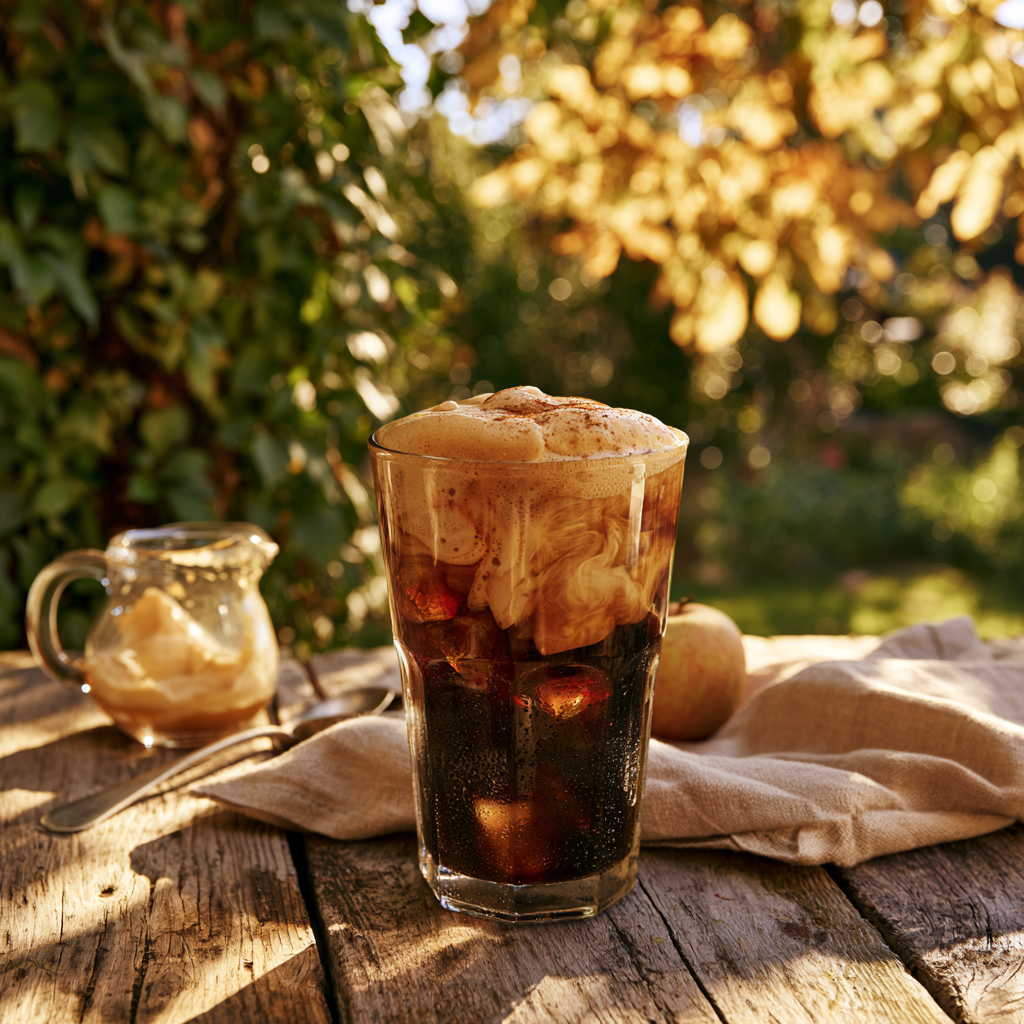
- Step 10: Garnish and Serve the Homemade Pumpkin Cold Foam Drinks. Finish each serving with a very light sprinkle of pumpkin pie spice or ground cinnamon, using only enough to create a delicate autumn aroma without leaving a thick layer of dry spice on top of the foam. For a coffee-shop-inspired presentation, serve the drinks in clear glasses so the contrast between the dark cold brew and pale orange pumpkin topping remains visible. Enjoy the drink immediately, allowing the rich coffee and sweet pumpkin cream to combine naturally with each sip. The foam can also be served over an iced chai latte, chilled espresso, or another suitable beverage, making it a versatile addition to seasonal drink recipes. For a cozy fall breakfast or afternoon treat, pair the finished drink with pumpkin bread, spiced muffins, or a simple homemade pastry. The ideal finished beverage should be creamy, lightly sweet, beautifully aromatic, and refreshing rather than overly thick or sugary.
- Step 11: Store Any Leftover Pumpkin Cold Foam Mixture Properly. If you have leftover unfrothed pumpkin cream base, transfer it immediately to a clean, airtight glass container and refrigerate at 40°F (4°C) or below, using it within approximately 1–2 days for the best quality and respecting the expiration dates of the individual ingredients. Because pumpkin solids and dairy components can naturally settle during refrigeration, stir or shake the container thoroughly before preparing another serving, then froth the desired portion just before adding it to a chilled drink. Already-frothed cold foam will gradually collapse and may separate during storage, so keeping the liquid base unfrothed is preferable when preparing the recipe in advance. Avoid leaving the dairy-based mixture at room temperature for more than two hours, or more than one hour when temperatures exceed 90°F (32°C). Freezing is not recommended because thawing may cause separation and negatively affect the foam’s smooth consistency.
- Step 12: Enjoy and Customize Your Pumpkin Cold Foam Recipe. Once you’ve mastered the classic preparation, experiment with small adjustments to create different homemade pumpkin cold foam variations while preserving the same basic technique. For a sweeter coffee-shop-style topping, replace the maple syrup with vanilla syrup; for a slightly lighter version, try reducing the sweetener or replacing a small portion of the heavy cream with additional milk. To create a stronger pumpkin spice flavor, add a tiny pinch of cinnamon or ginger, taking care not to overwhelm the natural flavor of the pumpkin purée. You can also experiment with suitable plant-based whipping products and barista-style milk for a dairy-free alternative, although the stability and thickness may differ from the original recipe. Whatever variation you choose, always begin with chilled ingredients, froth only until the mixture becomes creamy and pourable, and serve immediately over your favorite cold beverage for the most delicious homemade pumpkin cold foam experience.
Notes
- Origins of Pumpkin Cold Foam Recipe: From Traditional Pumpkin Spice to Modern Coffee Shop Favorites
- Health Benefits of Pumpkin Cold Foam
- 1. Real Pumpkin Purée Provides Beta-Carotene and Vitamin A Precursors
- 2. Pumpkin Contains Naturally Occurring Plant Compounds
- 3. Milk Can Contribute Calcium and Protein
- 4. Homemade Pumpkin Cold Foam Allows Better Control Over Added Sugar
- 5. Pumpkin Pie Spice Adds Flavor Without Much Additional Sugar
- 6. Vanilla Extract Enhances Sweetness Perception Without Adding Much Sugar
- 7. Homemade Cold Foam Can Help You Manage Calories and Saturated Fat
- 8. Pumpkin Cold Foam Can Be Adapted for Different Dietary Preferences
- 9. Pumpkin Cold Foam Can Be Paired With Unsweetened Coffee
- Health Benefits of Pumpkin Cold Foam: Nutritional Breakdown
- Is Pumpkin Cold Foam Healthy?
- How Pumpkin Cold Foam Compares With Other Coffee Toppings
- How to Make Pumpkin Cold Foam Healthier Without Sacrificing Flavor
- 1. Start With 100% Pure Pumpkin Purée
- 2. Reduce the Sweetener Gradually
- 3. Replace Part of the Heavy Cream With Milk
- 4. Make a Smaller Serving of Foam
- 5. Use Unsweetened Coffee as the Base
- 6. Experiment With Unsweetened Plant-Based Alternatives
- 7. Increase Flavor With Vanilla and Spices
- 8. Enjoy Pumpkin Cold Foam as an Occasional Treat
- Can You Make Low-Sugar Pumpkin Cold Foam?
- Is Pumpkin Cold Foam Good for Weight Loss?
- Is Pumpkin Cold Foam Safe for People With Dietary Restrictions?
- Can Pumpkin Cold Foam Be Part of a Balanced Diet?
- Final Thoughts: Enjoying the Benefits of Homemade Pumpkin Cold Foam
Origins of Pumpkin Cold Foam Recipe: From Traditional Pumpkin Spice to Modern Coffee Shop Favorites
The story behind the Pumpkin Cold Foam Recipe is a fascinating combination of American autumn traditions, centuries-old pumpkin desserts, modern coffee culture, and the growing popularity of creamy iced beverages. Today, pumpkin cold foam is recognized for its soft, velvety texture, delicate orange color, and comforting blend of pumpkin, cinnamon, nutmeg, and vanilla. Poured over iced coffee or cold brew, this delicious topping creates a beautiful contrast between bold coffee and sweet, spiced cream. However, despite its familiar fall flavors, pumpkin cold foam is a relatively modern creation, with its recognizable coffee-shop version becoming especially popular during the late 2010s.
Unlike traditional pumpkin pie, which has roots in early American cooking, pumpkin cold foam wasn’t passed down through generations as a historical family recipe. Instead, it developed from several culinary ideas coming together: the long-standing American tradition of pumpkin-spiced desserts, the success of pumpkin-flavored coffee drinks, and advances in preparing light, stable milk foam for cold beverages.
The modern Pumpkin Cream Cold Foam Recipe owes much of its popularity to the introduction of Starbucks Pumpkin Cream Cold Brew in 2019. This drink helped introduce more coffee lovers to the idea of enjoying traditional autumn flavors in a chilled beverage topped with a gently sweetened, frothy pumpkin cream.
But the history begins long before pumpkin cream appeared on coffee shop menus.
The Early American Roots of Pumpkin and Autumn Spices
To understand the origins of homemade pumpkin cold foam, we first need to explore the history of pumpkin itself.
Pumpkins and other cultivated squashes originated in the Americas, where Indigenous communities grew and consumed them thousands of years before European colonization. Archaeological research has identified ancient squash cultivation in what is now Mexico, demonstrating the importance of these crops in early American agricultural traditions.
Indigenous peoples prepared squash in numerous ways, including roasting, drying, and incorporating it into nourishing dishes. These practices established pumpkin and other squashes as familiar ingredients long before they became associated with modern Thanksgiving celebrations.
When European settlers arrived in North America, they encountered pumpkins and gradually incorporated them into their own cooking traditions.
Over time, pumpkin became an important ingredient in pies, puddings, breads, and other baked desserts.
European baking traditions also influenced how pumpkin was flavored. Spices such as cinnamon, nutmeg, ginger, cloves, and allspice were increasingly used to complement the naturally mild sweetness of cooked pumpkin.
By the late eighteenth century, pumpkin pie recipes combining pumpkin with aromatic spices had become part of published American cooking.
Amelia Simmons’ American Cookery, first published in 1796, included early recipes for spiced pumpkin pies.
These recipes were not pumpkin cold foam, of course, but they helped establish the flavor combination that modern pumpkin cream drinks would eventually borrow.
The comforting aroma of pumpkin and warm spices became closely associated with harvest celebrations, cool weather, and homemade autumn baking.
How Pumpkin Pie Spice Became a Familiar American Flavor
The development of pumpkin spice was an important step toward the creation of modern pumpkin cold foam.
Originally, pumpkin pie spices were simply individual seasonings that bakers combined when preparing pumpkin desserts.
Cinnamon provided warmth and sweetness, ginger introduced a slightly sharp note, nutmeg added a rich aromatic character, and cloves or allspice contributed deeper flavor.
The exact combination varied between families, regions, and recipes.
During the twentieth century, commercially prepared pumpkin pie spice blends became increasingly convenient for home bakers. By the 1950s, packaged spice mixtures helped simplify recipes that previously required measuring several separate seasonings.
As these blends became familiar, their uses gradually expanded beyond pumpkin pie.
Home cooks began adding pumpkin spice flavors to cakes, muffins, cookies, breads, breakfast foods, and eventually drinks.
An important distinction is that pumpkin spice and pumpkin purée are not the same ingredient.
Pumpkin spice is a mixture of aromatic seasonings. It generally contains no actual pumpkin.
Pumpkin purée, on the other hand, provides real pumpkin flavor, natural sweetness, moisture, and the characteristic orange color associated with the vegetable.
Modern homemade pumpkin cold foam often combines both ingredients.
The purée supplies authentic pumpkin flavor and body, while the spice blend creates the recognizable autumn aroma.
This combination connects a modern coffee topping with the flavor traditions of American pumpkin baking.
For example, our Libby’s Pumpkin Bread Recipe highlights the familiar pairing of pumpkin and warm spices in a soft, comforting homemade loaf. Those same flavor notes help explain why pumpkin cream is so delicious when served over coffee.
Health Benefits of Pumpkin Cold Foam
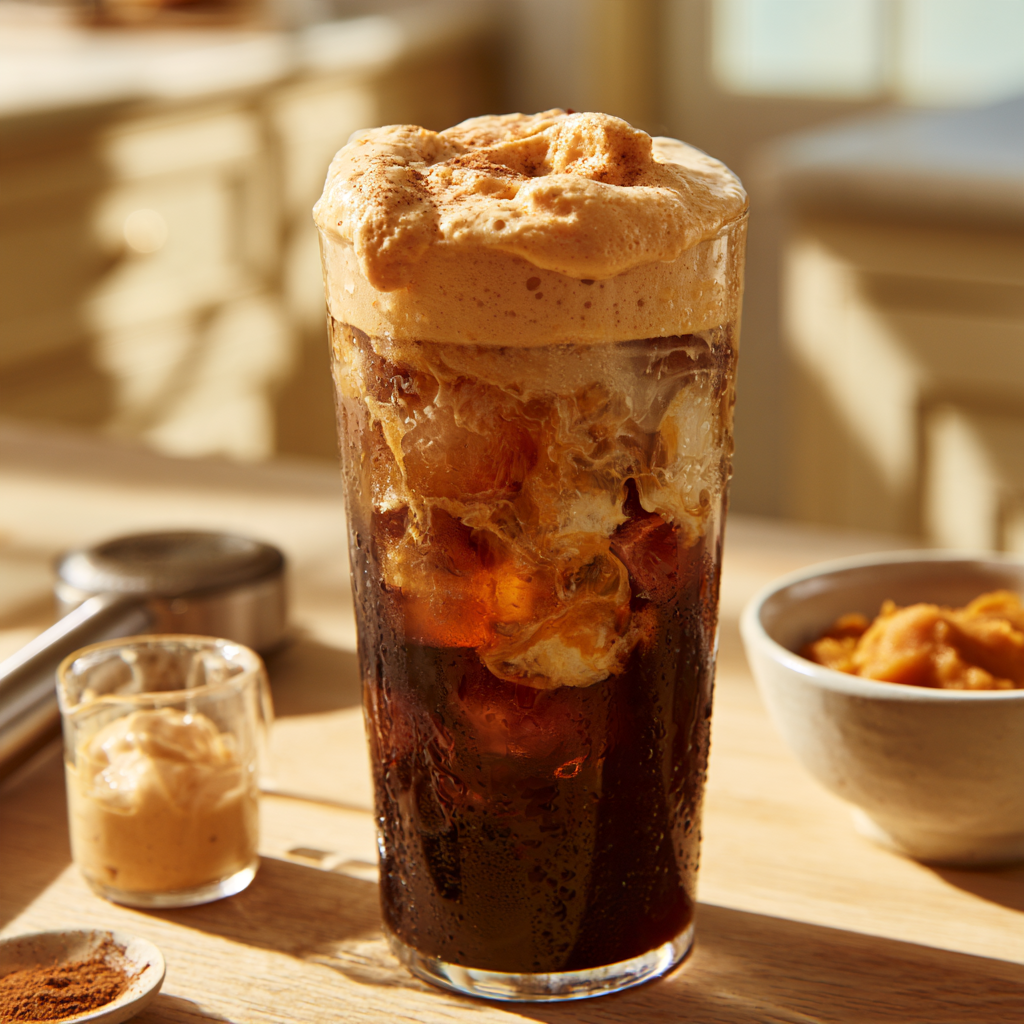
There’s something wonderfully comforting about a glass of iced coffee topped with thick, creamy homemade pumpkin cold foam. With its delicate orange color, fluffy texture, warm cinnamon aroma, and sweet vanilla finish, this seasonal coffee topping transforms an ordinary drink into a delicious autumn favorite. But beyond its irresistible flavor, you might wonder: Is pumpkin cold foam healthy? Does real pumpkin provide nutritional benefits? And can you make a lighter version without sacrificing that creamy coffee-shop texture?
The answer depends on the ingredients and proportions used. Traditional Pumpkin Cold Foam Recipes often combine heavy whipping cream, milk, pumpkin purée, vanilla, pumpkin pie spice, and a sweetener such as maple syrup or vanilla syrup. These ingredients provide a mixture of fat, carbohydrates, and small amounts of vitamins and minerals. Real pumpkin contains beneficial plant compounds, including beta-carotene, while milk can contribute calcium and protein. However, heavy cream and added sweeteners can also make pumpkin cold foam relatively high in saturated fat, calories, and sugar, especially when generous portions are added to sweetened coffee.
One of the greatest advantages of making pumpkin cream cold foam at home is having complete control over what goes into your drink. Instead of relying on a premade sweetened cream mixture, you can adjust the amount of real pumpkin, reduce the added sugar, choose your preferred milk, and customize the warm autumn spices. You can also prepare smaller servings and use unsweetened cold brew as the base, helping you enjoy the familiar pumpkin spice experience without automatically adding large amounts of syrup or cream.
Although pumpkin cold foam should be considered an occasional flavored coffee topping rather than a health food, understanding its ingredients can help you make thoughtful choices. Let’s explore its nutritional characteristics, potential benefits, and the simple changes that can make your homemade Pumpkin Cold Foam Recipe more balanced while keeping it deliciously creamy.
1. Real Pumpkin Purée Provides Beta-Carotene and Vitamin A Precursors
One of the most distinctive ingredients in a homemade Pumpkin Cold Foam Recipe is real pumpkin purée. Unlike pumpkin spice, which is simply a blend of warm seasonings, pumpkin purée contributes actual pumpkin flavor, natural color, and some nutrients.
Pumpkin contains carotenoids, particularly beta-carotene, a plant pigment responsible for much of its characteristic orange color.
The body can convert beta-carotene into vitamin A, an essential nutrient involved in normal vision, immune system function, and the maintenance of healthy cells and tissues.
Vitamin A also contributes to the normal functioning of several organs, including the eyes and skin.
Pumpkin is therefore a useful ingredient in a varied diet, especially when consumed in meaningful portions as part of meals and vegetable-based dishes.
However, the quantity of pumpkin in a serving of cold foam is usually quite small. A recipe might contain only one or two tablespoons of purée for several servings, meaning each glass receives considerably less pumpkin than a serving of pumpkin soup or roasted squash.
As a result, the pumpkin in cold foam may contribute some beta-carotene, but it should not be considered a major source of vitamin A without calculating the actual quantity used.
For the best flavor, choose 100% pure pumpkin purée rather than canned pumpkin pie filling. Pumpkin pie filling often contains additional sugar and spices, making it more difficult to control the sweetness of the finished foam.
This same distinction matters in seasonal baking. Our Libby’s Pumpkin Bread Recipe uses real pumpkin purée to create a moist, flavorful loaf with the warm spices that make fall desserts so comforting.
2. Pumpkin Contains Naturally Occurring Plant Compounds
In addition to beta-carotene, pumpkin contains other naturally occurring plant compounds, including several carotenoids that have been studied for their antioxidant properties.
Antioxidants are substances that can interact with certain reactive molecules involved in oxidative processes.
Eating a varied selection of colorful vegetables and fruits is associated with better overall dietary quality, and pumpkin can contribute to that variety.
However, it’s important to distinguish between the nutritional value of pumpkin as a food and the effects of adding a small spoonful to a sweetened coffee topping.
Pumpkin cold foam has not been shown to prevent disease or produce specific antioxidant-related health outcomes.
The amount of pumpkin in most recipes is too small to assume that it provides the same nutritional contribution as a substantial serving of vegetables.
Still, using real pumpkin purée introduces authentic pumpkin flavor, natural pigments, and plant-derived compounds that would not necessarily be present in a topping flavored only with artificial pumpkin syrup.
For people who enjoy seasonal coffee drinks, this can be an appealing ingredient choice.
The best approach is to appreciate real pumpkin as a flavorful addition while obtaining most of your vegetables and carotenoid-rich foods from regular meals.
3. Milk Can Contribute Calcium and Protein
Many homemade pumpkin cream cold foam recipes use a combination of heavy whipping cream and milk to create a smooth consistency that can be easily aerated.
Milk contributes more than just liquid to the mixture.
Cow’s milk naturally contains protein, calcium, phosphorus, and vitamin B12. In some countries, milk is also fortified with vitamin D.
Calcium and phosphorus are important for maintaining normal bones and teeth, while protein contributes to the maintenance and repair of body tissues.
Vitamin B12 supports neurological function and normal red blood cell formation.
The amount of these nutrients in pumpkin cold foam depends on how much milk is used and the size of each serving.
For example, a cold foam mixture containing only a few tablespoons of milk divided among several drinks will provide relatively small amounts of protein and calcium.
Heavy cream also contains some nutrients, but its main nutritional contribution is fat.
If you’d like to prepare a lighter topping, replacing a portion of the heavy cream with milk can reduce the fat content while maintaining some creaminess.
The trade-off is that a milk-heavy mixture may produce a thinner, less stable foam, so the proportions need to be adjusted carefully.
4. Homemade Pumpkin Cold Foam Allows Better Control Over Added Sugar
One of the most practical nutritional advantages of preparing Pumpkin Cold Foam at home is the ability to choose exactly how much sweetener goes into the recipe.
Pumpkin cold foam is often made with vanilla syrup, maple syrup, brown sugar syrup, or another sweetener to create the familiar coffee-shop taste.
While these ingredients contribute sweetness and flavor, they also add sugar.
Consuming large amounts of added sugar regularly is not recommended, particularly when it comes from sweetened beverages.
The advantage of homemade preparation is that you can start with a modest amount of sweetener and adjust gradually.
For example, if a recipe calls for two tablespoons of vanilla syrup, you could experiment with using one tablespoon and tasting the finished mixture before adding more.
This may work particularly well when your cold foam contains pure vanilla extract, cinnamon, and pumpkin pie spice, since these ingredients provide additional flavor and aroma.
It’s also important to remember that maple syrup, honey, and brown sugar are still sources of added sugar, even though they may have different flavors and contain small amounts of other compounds.
Switching from white sugar to maple syrup doesn’t automatically make pumpkin cold foam low in sugar.
The most meaningful way to reduce added sugar is to use less of it.
5. Pumpkin Pie Spice Adds Flavor Without Much Additional Sugar
The unmistakable autumn aroma of pumpkin spice cold foam comes from spices such as cinnamon, nutmeg, ginger, cloves, and sometimes allspice.
These seasonings create a delicious flavor combination that complements coffee, vanilla, and pumpkin purée.
One practical advantage of using spices is that they contribute strong aromas and distinctive flavors while adding very few calories in normal culinary quantities.
Cinnamon introduces a warm, sweet-smelling note, while ginger adds a slightly sharp character.
Nutmeg provides depth, and cloves contribute a more intense, aromatic finish.
Together, they can make a moderately sweetened drink taste rich and satisfying without requiring excessive flavored syrup.
Several spices contain naturally occurring plant compounds that have been studied in laboratory and clinical research.
However, there is insufficient evidence to claim that the small quantities of pumpkin pie spice used in cold foam will lower blood sugar, accelerate metabolism, reduce inflammation, or provide other specific medical benefits.
In this recipe, the most reliable advantage of pumpkin pie spice is its ability to enhance flavor.
For the best result, use a small amount and adjust according to taste. Too much spice can overwhelm the delicate pumpkin flavor and create a powdery texture.
6. Vanilla Extract Enhances Sweetness Perception Without Adding Much Sugar
Vanilla is another important ingredient in homemade pumpkin cold foam, contributing the familiar warm aroma that makes seasonal coffee drinks so inviting.
Pure vanilla extract contains aromatic compounds that create a naturally sweet-smelling flavor profile.
Although vanilla itself isn’t a meaningful source of vitamins or minerals in the small quantities used for cold foam, it can help make a lightly sweetened recipe more appealing.
For example, a combination of vanilla extract, cinnamon, pumpkin purée, and a modest amount of maple syrup can create a flavorful topping without relying on several different sugary syrups.
Vanilla bean paste can also be used to provide a richer vanilla aroma and attractive specks in the finished foam.
However, some vanilla bean pastes contain added sugar, so check the ingredients if you’re trying to reduce sweetness.
Pure vanilla extract is generally used in very small amounts and contributes negligible nutritional value to each serving.
Its greatest benefit in pumpkin cold foam is culinary rather than medical: it helps create a delicious, balanced flavor with simple ingredients.
7. Homemade Cold Foam Can Help You Manage Calories and Saturated Fat
Traditional pumpkin cream cold foam often relies on heavy whipping cream for its thick, luxurious texture.
Heavy cream is effective because its fat content helps create richness and body.
However, it also contains substantial calories and saturated fat.
A generous serving of cream-based cold foam can therefore contribute a meaningful amount of energy to a beverage that might otherwise contain very few calories.
For example, plain unsweetened black cold brew contains negligible calories, but adding sweetened heavy cream, syrup, and other toppings can substantially increase the drink’s total calorie content.
This doesn’t mean pumpkin cold foam needs to be avoided completely.
Instead, consider how it fits into the rest of your daily food and beverage choices.
Using a smaller portion of heavy cream, replacing part of it with milk, or choosing a lower-fat foam formulation may help reduce the calorie and saturated-fat content.
However, reducing the cream too aggressively may prevent the topping from developing its characteristic fluffy consistency.
A practical approach is to experiment with the proportions until you find a balance between flavor, texture, and nutritional preferences.
Remember that cream-free or dairy-free alternatives are not necessarily lower in saturated fat. Some coconut-based whipping products contain considerable amounts, so checking the nutrition label is useful.
8. Pumpkin Cold Foam Can Be Adapted for Different Dietary Preferences
Another advantage of an easy Pumpkin Cold Foam Recipe is its flexibility.
The classic preparation uses dairy products, but you can experiment with alternatives according to your dietary needs and preferences.
For people avoiding lactose, lactose-free cow’s milk may be useful, although the heavy cream would also need to be replaced or selected appropriately.
For a fully dairy-free version, you can explore plant-based whipping creams and compatible milks.
Unsweetened soy milk generally contains more protein than many almond or oat milk beverages, while barista-style oat milk is often selected for its creamy texture.
However, ordinary plant-based milk may not foam or remain stable in the same way as heavy cream.
Some dairy-free whipping products contain stabilizers or different fat blends to help achieve a more consistent texture.
Because these ingredients vary considerably, the final foam may be thinner, denser, or less stable than the traditional version.
It’s also worth remembering that dairy-free doesn’t necessarily mean low-calorie or low-fat.
The nutritional value depends on the actual product used.
For anyone with a milk allergy, carefully check all ingredient labels and prevent cross-contact during preparation.
This flexibility allows more people to experiment with pumpkin cold foam while choosing ingredients appropriate for their own dietary requirements.
9. Pumpkin Cold Foam Can Be Paired With Unsweetened Coffee
One of the simplest ways to enjoy pumpkin cold foam for cold brew with less added sugar is to serve it over unsweetened coffee.
Plain black coffee contains very few calories before milk, cream, sugar, or other toppings are added.
By placing a modest layer of pumpkin foam over unsweetened cold brew, you can concentrate the sweet, spiced flavor in the topping rather than sweetening the entire drink.
This creates an appealing contrast between the bold coffee and the creamy pumpkin layer.
Some people may find that the flavored foam provides enough sweetness without needing additional syrup in the coffee itself.
However, the finished beverage still contains whatever sugar and fat are present in the foam.
Caffeine is another important consideration.
Pumpkin cold foam generally doesn’t contain meaningful caffeine unless a caffeinated ingredient is deliberately added, but the coffee underneath it usually does.
For people sensitive to caffeine, drinking a large cold brew late in the day may interfere with sleep or cause unwanted symptoms.
A decaffeinated iced coffee or suitable caffeine-free drink can offer the same pumpkin cream experience without relying on a regular caffeinated coffee base.
10. Homemade Preparation Encourages Ingredient Transparency and Portion Awareness
Perhaps the most useful overall benefit of making Pumpkin Cold Foam Recipe at home is knowing exactly what you’re consuming.
You can choose 100% pumpkin purée, measure the cream and milk, select your preferred sweetener, and decide how much foam to add to each drink.
This is particularly helpful when comparing different seasonal beverages because coffee-shop preparations may vary widely in calories, added sugar, and portion sizes.
Preparing your own cold foam also allows you to make a small quantity rather than a large batch.
For example, you can froth enough for one or two drinks instead of preparing a container that encourages oversized servings.
Using a measuring spoon or small pitcher makes it easier to serve consistent amounts.
You can also adjust the amount of sweetener based on whether the coffee underneath is already flavored.
If you enjoy several seasonal beverages throughout the week, keeping the foam moderately sweet and using smaller portions may make the recipe easier to incorporate into your normal eating habits.
Ultimately, the advantage isn’t that homemade pumpkin cold foam automatically becomes healthy.
It’s that homemade preparation gives you greater control over the ingredients and portion size.
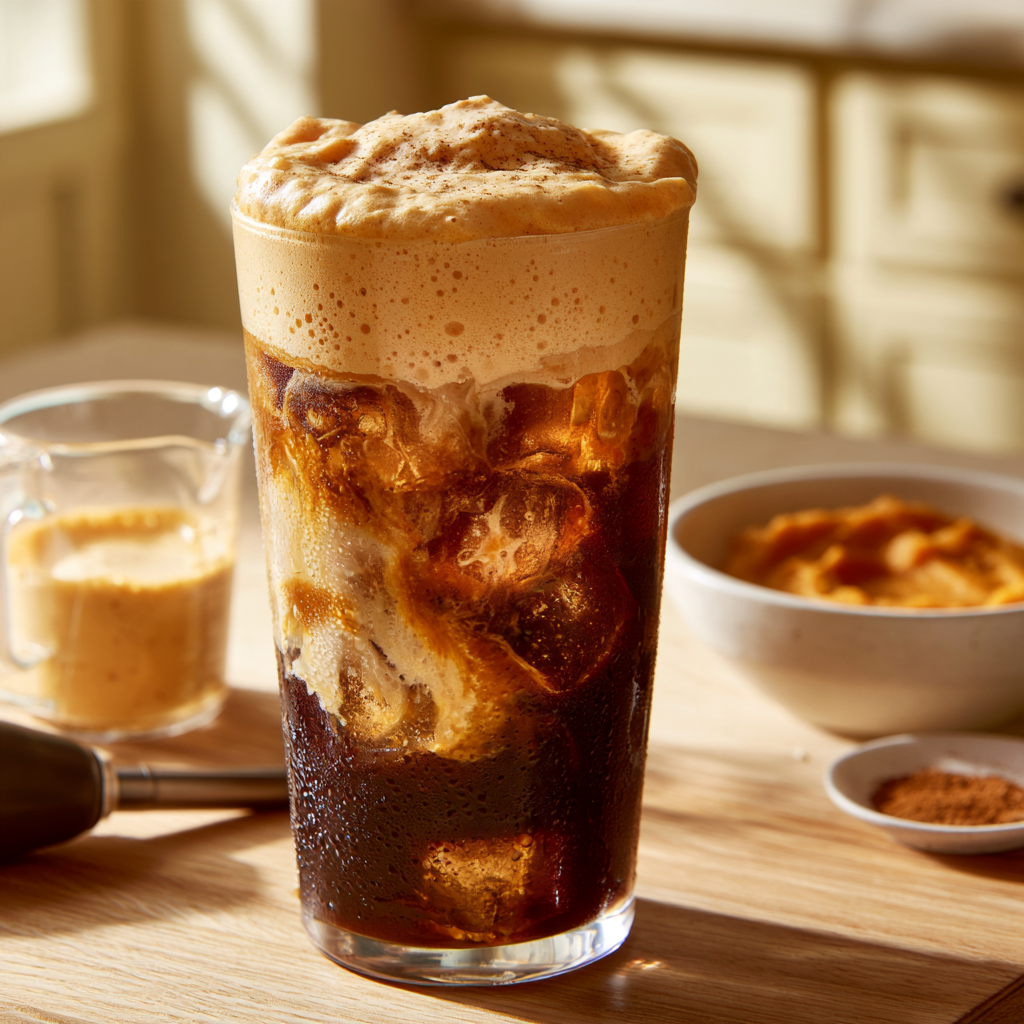
Health Benefits of Pumpkin Cold Foam: Nutritional Breakdown
The following table explains the nutritional characteristics of common pumpkin cold foam ingredients and how they influence the finished topping.
| Ingredient | Key Nutritional Components | Potential Contribution | Important Consideration |
|---|---|---|---|
| Pure pumpkin purée | Beta-carotene, other carotenoids, some fiber and potassium | Adds real pumpkin flavor and plant-derived nutrients | Usually present in small quantities per serving |
| Heavy whipping cream | Fat, saturated fat, small amounts of fat-soluble vitamins | Creates the rich, creamy texture needed for a fluffy topping | Can significantly increase calories and saturated fat |
| Whole milk | Protein, calcium, phosphorus, vitamin B12 | Adds fluidity and some essential nutrients | Amounts per serving depend on the recipe |
| Reduced-fat milk | Protein, calcium, vitamin B12 | May lower total fat compared with whole milk or cream | Produces a lighter, sometimes less stable foam |
| Unsweetened soy milk | Plant protein; calcium and vitamins when fortified | Provides a dairy-free milk option | Foaming performance varies by brand |
| Barista-style oat milk | Carbohydrates; some added nutrients when fortified | Adds a smooth texture in some dairy-free recipes | May contain added oils or sugar |
| Maple syrup | Carbohydrates and added sugar | Adds sweetness and a distinctive maple flavor | Still contributes added sugar and calories |
| Vanilla syrup | Added sugar and vanilla flavoring | Creates the familiar coffee-shop sweetness | Can substantially increase sugar content |
| Pure vanilla extract | Aromatic flavor compounds | Enhances flavor without much added sugar | Provides negligible nutrients in culinary amounts |
| Cinnamon | Naturally occurring aromatic plant compounds | Adds warmth and flavor with minimal calories | No established medical benefit from typical foam servings |
| Ginger | Aromatic compounds | Introduces a gently warming, spicy flavor | Usually present in very small amounts |
| Nutmeg and cloves | Aromatic plant compounds | Add depth to the pumpkin spice mixture | Use sparingly because the flavors are strong |
| Unsweetened cold brew | Water, caffeine, naturally occurring coffee compounds | Provides the coffee base without added sugar | Caffeine sensitivity varies between individuals |
Important Nutritional Note: This table describes the ingredients individually, not the guaranteed nutritional value of one serving of pumpkin cold foam. The finished topping’s calorie, sugar, fat, and vitamin content depends on the exact ingredient quantities, the brand of dairy products, and the serving size.
Is Pumpkin Cold Foam Healthy?
Pumpkin cold foam can fit into a balanced diet as an occasional coffee topping, but it is not automatically a healthy or low-calorie beverage ingredient.
The presence of real pumpkin is a positive culinary feature, and milk may contribute small quantities of essential nutrients.
However, a typical cream-based foam also contains saturated fat, while syrups and other sweeteners can increase the amount of added sugar.
The amount of pumpkin in each serving is usually too small to provide the same nutritional benefits as eating a full portion of pumpkin or other vegetables.
Therefore, the healthiest approach isn’t to treat pumpkin cold foam as a nutritional supplement, but to enjoy it as a flavorful addition to coffee.
For a more balanced preparation, consider using real pumpkin purée, a moderate quantity of sweetener, and a serving size that suits your preferences.
How Pumpkin Cold Foam Compares With Other Coffee Toppings
| Coffee Topping | Typical Ingredients | Texture | Nutritional Considerations |
|---|---|---|---|
| Homemade pumpkin cold foam | Pumpkin purée, cream, milk, vanilla, spices, sweetener | Airy, creamy, pourable | Contains some pumpkin-derived compounds but may be high in saturated fat and added sugar |
| Regular sweet cream cold foam | Cream, milk, vanilla syrup | Soft, fluffy, creamy | Often contains saturated fat and added sugar |
| Plain milk foam | Milk | Light and frothy | Usually lower in fat than heavy-cream-based foam, depending on milk type |
| Whipped cream | Heavy cream, optional sugar and vanilla | Thick, spoonable or pipeable | Often calorie-dense, particularly in large portions |
| Dairy-free cold foam | Plant-based milk and/or whipping alternative | Varies from light to rich | Fat, protein, and sugar content vary considerably |
| Unsweetened milk topping | Milk without added syrup | Thin or lightly frothy | Avoids added sugar but depends on the milk used |
The most useful comparison comes from looking at the actual ingredient quantities rather than assuming one topping is always healthier than another.
How to Make Pumpkin Cold Foam Healthier Without Sacrificing Flavor
If you love the taste of homemade pumpkin cream cold foam but would prefer a lighter version, several simple changes can help.
1. Start With 100% Pure Pumpkin Purée
Choose plain pumpkin purée rather than pumpkin pie filling.
Pure pumpkin allows you to control the amount of sugar and spice added to the mixture.
Because pumpkin naturally contributes body, begin with a modest quantity and increase it only if the foam remains light enough to froth.
Too much purée can create a thick mixture that doesn’t develop the desired airy texture.
2. Reduce the Sweetener Gradually
Instead of adding the full amount of vanilla syrup immediately, begin with a smaller quantity.
Taste the mixture before frothing and adjust if necessary.
Vanilla extract and pumpkin pie spice can add satisfying flavor even when the recipe contains less sugar.
You can also experiment with using unsweetened cold brew underneath the foam.
3. Replace Part of the Heavy Cream With Milk
Reducing the proportion of heavy whipping cream can lower the saturated-fat and calorie content.
Start by replacing a small portion with whole or reduced-fat milk, then test whether the mixture still froths properly.
Keep in mind that the foam may become thinner or separate more quickly when the fat content is reduced.
4. Make a Smaller Serving of Foam
You don’t need an extremely thick layer of pumpkin foam to enjoy its characteristic flavor.
A modest topping can provide a pleasant combination of pumpkin, vanilla, and cinnamon while keeping the portion more manageable.
This is particularly useful when your coffee already contains milk or other flavored ingredients.
5. Use Unsweetened Coffee as the Base
Instead of combining sweetened pumpkin foam with sweetened iced coffee, serve it over plain cold brew or unsweetened iced espresso.
The creamy topping adds flavor while the coffee underneath retains its natural character.
This can reduce the total added sugar compared with sweetening both components separately.
6. Experiment With Unsweetened Plant-Based Alternatives
For a dairy-free variation, look for plant-based milk or whipping products designed for frothing.
Unsweetened soy milk or barista-style oat milk may work in some preparations, while dairy-free whipping cream can provide additional body.
Read the nutrition labels carefully because plant-based products vary widely in saturated fat, protein, and added sugar.
7. Increase Flavor With Vanilla and Spices
A little pure vanilla extract, cinnamon, ginger, and nutmeg can make the foam more aromatic without requiring large amounts of additional sugar.
Adjust the spices gradually so they complement rather than overpower the pumpkin.
Fresh, fragrant spices often provide a more appealing result than old spice blends that have lost much of their aroma.
8. Enjoy Pumpkin Cold Foam as an Occasional Treat
One of the simplest ways to enjoy seasonal drinks thoughtfully is to consider how often you consume them.
A homemade pumpkin cold foam drink can be a delightful part of weekend brunch, a cozy afternoon, or an occasional coffee break.
You don’t need to eliminate every sweetened beverage to maintain a balanced eating pattern.
The goal is to enjoy the flavors you love while remaining mindful of the overall amount of added sugar and saturated fat in your diet.
Can You Make Low-Sugar Pumpkin Cold Foam?
Absolutely. Low-sugar pumpkin cold foam is possible when the sweetener is reduced or omitted.
Begin with chilled cream and milk, real pumpkin purée, vanilla extract, and pumpkin pie spice.
Add a small quantity of sweetener only if desired.
Because pumpkin purée has a mild, earthy flavor rather than the sweetness of pumpkin pie filling, reducing the sugar will make the finished topping taste less like a conventional coffee-shop dessert.
However, the combination of vanilla and spices can still create a wonderfully aromatic foam.
If you use a sugar substitute, choose one suitable for cold beverages and follow its recommended usage instructions.
Keep in mind that sweetener substitutes may affect flavor and texture differently from maple syrup or conventional sugar.
A low-sugar version may still contain substantial saturated fat if it relies heavily on whipping cream.
For this reason, low-sugar and low-fat are two separate nutritional considerations.
Is Pumpkin Cold Foam Good for Weight Loss?
Pumpkin cold foam isn’t a weight-loss food, and adding pumpkin to a beverage doesn’t automatically make it suitable for weight management.
The primary ingredients in many recipes are heavy cream and sweetener, which can add considerable calories to coffee.
If you’re trying to manage your calorie intake, making the topping at home can help you measure portions and adjust the recipe.
A smaller amount of foam prepared with less syrup may contain fewer calories than a generously sweetened version.
However, weight management depends on overall eating patterns, activity, and individual circumstances, not on any one coffee topping.
It’s more useful to view homemade pumpkin cold foam as a customizable treat than as a functional weight-loss drink.
Is Pumpkin Cold Foam Safe for People With Dietary Restrictions?
Pumpkin cold foam can often be modified to accommodate different preferences, but it’s important to check each ingredient carefully.
A traditional cream-based preparation contains milk and isn’t appropriate for someone with a milk allergy.
People with lactose intolerance may prefer lactose-free dairy options or suitable dairy-free alternatives.
For a vegan preparation, both the cream and milk must be replaced with plant-derived ingredients, and any sweeteners or flavored products should also be checked.
Plain pumpkin purée is naturally free from gluten-containing grains, but individuals with celiac disease should verify that packaged spices, syrups, and other ingredients are suitable and have been handled appropriately.
The coffee base also deserves attention.
Regular cold brew contains caffeine, so someone avoiding caffeine may prefer decaffeinated iced coffee or another compatible caffeine-free beverage.
Finally, because homemade pumpkin cold foam typically contains perishable dairy or dairy substitutes, keep ingredients refrigerated and avoid leaving the prepared mixture at room temperature for prolonged periods. Froth it shortly before serving for the best texture.
Can Pumpkin Cold Foam Be Part of a Balanced Diet?
Yes. Homemade pumpkin cold foam can be enjoyed as an occasional part of a balanced diet, especially when you control the serving size and sweetness.
The key is to understand what the topping contributes to the finished beverage.
Real pumpkin adds authentic flavor and some carotenoids, while milk may supply modest amounts of calcium and protein.
At the same time, cream and sweeteners contribute much of the calorie, fat, and added-sugar content.
A small amount of pumpkin cold foam over unsweetened iced coffee may be a satisfying way to enjoy a seasonal flavor without making the entire drink excessively sweet.
For the rest of your diet, continue emphasizing nutrient-rich foods such as vegetables, fruits, whole grains, legumes, and appropriate protein sources.
If you’re planning a cozy fall brunch, pumpkin cold foam also pairs beautifully with homemade baked treats. A slice of our Pumpkin Bread with Brownie Chunks creates an indulgent combination of spiced pumpkin and rich chocolate. Because both the drink topping and dessert can contain added sugar, consider serving moderate portions and keeping the coffee itself unsweetened.
Final Thoughts: Enjoying the Benefits of Homemade Pumpkin Cold Foam
The beauty of this Pumpkin Cold Foam Recipe lies in its wonderful flavor, creamy texture, and flexibility. With real pumpkin purée, chilled dairy, vanilla, and aromatic pumpkin pie spice, you can create a delicious seasonal coffee topping that feels comforting and special without requiring complicated ingredients.
From a nutritional perspective, pumpkin contributes naturally occurring carotenoids, while milk can provide small amounts of calcium and protein. Using real pumpkin and fragrant spices may also allow you to create satisfying flavor with less added syrup.
However, these advantages should be considered alongside the heavy cream and sweetener commonly used in the recipe. Pumpkin cold foam can contain meaningful amounts of saturated fat, sugar, and calories, depending on the quantities and serving size.
The greatest benefit of making it yourself is the ability to customize the ingredients.
You can choose 100% pure pumpkin, reduce the sweetness, experiment with lighter milk combinations, or prepare a dairy-free variation that suits your preferences.
And because the foam is added separately to your favorite beverage, it’s easy to control exactly how much you serve.
Ultimately, homemade Pumpkin Cold Foam is best appreciated as a delicious, customizable fall coffee topping rather than a health-focused drink. When enjoyed thoughtfully, it can be a wonderful way to bring familiar autumn flavors into your everyday coffee routine.
So whether you’re preparing a chilled cold brew for a busy morning, an iced chai latte for a relaxing afternoon, or a special coffee to serve alongside homemade pumpkin bread, this creamy pumpkin topping offers a delicious combination of convenience, comfort, and seasonal flavor.
With a little real pumpkin, a touch of vanilla, warm spices, and the right frothing technique, you can enjoy a beautifully fluffy homemade pumpkin cold foam that tastes wonderful while allowing you to make informed choices about sweetness, richness, and portion size.
Frequently Asked Questions About Pumpkin Cold Foam
Want to make thick, creamy, coffee-shop-style Pumpkin Cold Foam at home? Whether you’re recreating a Starbucks-inspired pumpkin cream cold brew, choosing the best milk, or troubleshooting foam that won’t thicken, these answers cover the techniques and ingredients that make a delicious pumpkin spice coffee topping.
1. What is Pumpkin Cold Foam?
Pumpkin Cold Foam is a creamy, lightly aerated topping made with cold milk or cream, pumpkin puree, warm pumpkin spices, and an optional sweetener. It is designed to float over iced coffee, cold brew, or iced espresso drinks. Unlike regular whipped cream, cold foam usually has a softer, more pourable consistency. The pumpkin adds a subtle earthy sweetness and autumn flavor, while cinnamon and other spices create the familiar pumpkin spice aroma.
2. How do you make Pumpkin Cold Foam at home?
To make a homemade Pumpkin Cold Foam Recipe, combine chilled heavy cream, milk, a small amount of pure pumpkin puree, vanilla, and pumpkin pie spice in a tall container. Add maple syrup or another sweetener if desired. Froth with a handheld milk frother for approximately 20–40 seconds, or until the mixture becomes light, creamy, and slightly thickened. Stop before stiff peaks form. Gently pour the finished foam over iced coffee or cold brew and serve immediately.
3. What ingredients are needed for Pumpkin Cold Foam?
A classic homemade Pumpkin Cold Foam usually contains heavy cream, milk, pure pumpkin puree, pumpkin pie spice, vanilla, and a sweetener. Maple syrup, brown sugar syrup, or vanilla syrup can provide sweetness. Heavy cream contributes richness, while milk keeps the topping smooth and pourable. Pumpkin puree adds authentic pumpkin flavor and a soft orange color. You can adjust the ingredients to create a lighter, less sweet, or dairy-free variation.
4. Can I use canned pumpkin puree for Pumpkin Cold Foam?
Absolutely! Canned 100% pure pumpkin puree is an excellent option for homemade Pumpkin Cold Foam because it has a smooth, convenient consistency. You don’t need to roast or cook fresh pumpkin first. Use a small amount so the foam remains light rather than becoming too heavy. If you enjoy baking with pumpkin, our Libby’s Pumpkin Bread Recipe is another delicious way to use pure pumpkin puree during the fall season.
5. Can I use pumpkin pie filling instead of pumpkin puree?
Pure pumpkin puree is the better choice for cold foam. Pumpkin pie filling usually contains added sugar and spices, making it harder to control the final sweetness and flavor. It may also have a thicker consistency that interferes with frothing. If pumpkin pie filling is your only option, use a small amount and reduce or omit additional sweetener and spices. For the most predictable texture, use unsweetened pure pumpkin puree.
6. What is the best milk for Pumpkin Cold Foam?
The best milk depends on the texture you want to achieve. Whole milk combined with heavy cream creates a rich, silky pumpkin cold foam. Nonfat milk can produce more airy bubbles when used on its own, although it creates a lighter mouthfeel. For plant-based options, barista-style oat milk or soy milk can work well. Always start with very cold ingredients, since chilled milk and cream generally produce better foam with home frothers.
7. Can you make Pumpkin Cold Foam without heavy cream?
Yes! Pumpkin Cold Foam can be made without heavy cream, although the texture will be lighter and less rich. Try chilled nonfat milk, low-fat milk, or a barista-style plant-based milk. Add a small amount of pumpkin puree, vanilla, and pumpkin spice, then froth until airy. Because pumpkin puree can weigh down the bubbles, avoid adding too much. A milk-only version may separate more quickly than a cream-based foam, so serve it promptly.
8. How do you make Pumpkin Cold Foam without a frother?
You can make Pumpkin Cold Foam without a handheld milk frother by using a French press, small blender, or an electric mixer on a low setting. A French press is particularly convenient: add the chilled mixture and pump the plunger repeatedly until the volume increases. For a blender, use short pulses and stop once the mixture becomes smooth and airy. A whisk can also work, especially with a cream-rich mixture, but it requires more effort.
9. Why is my Pumpkin Cold Foam runny or not thickening?
Pumpkin Cold Foam may become runny when the ingredients are too warm, too much milk is added, or the mixture contains excessive pumpkin puree or syrup. Start with thoroughly chilled ingredients and use a tall, narrow container to help the frother incorporate air. For sweet cream foam, slightly increasing the cream proportion can improve thickness. Froth until the topping becomes silky and pourable, but avoid continuing until it resembles stiff whipped cream.
10. Why does my Pumpkin Cold Foam taste grainy?
Grainy Pumpkin Cold Foam can result from coarse pumpkin puree, undissolved sugar, or excessive ground spices. Use smooth, unsweetened pumpkin puree and mix it thoroughly with the liquid ingredients before frothing. Liquid sweeteners often incorporate more easily than granulated sugar in a cold mixture. If the puree contains visible fibers, blending or passing it through a fine sieve can help. Use pumpkin pie spice sparingly to avoid a powdery texture.
11. How do you make Starbucks-style Pumpkin Cold Foam?
For a Starbucks-inspired Pumpkin Cream Cold Foam, combine cold heavy cream, milk, pure pumpkin puree, vanilla, pumpkin pie spice, and a little vanilla or pumpkin spice syrup. Froth until the mixture becomes thick, velvety, and pourable. Fill a glass with ice and cold brew, then gently pour the pumpkin foam over the coffee. Finish with a small pinch of pumpkin pie spice. This is a homemade copycat-style variation, not Starbucks’ official proprietary recipe.
12. What is the difference between Pumpkin Cold Foam and a Pumpkin Spice Latte?
The main difference is how the pumpkin flavor is incorporated into the drink. A Pumpkin Spice Latte typically combines espresso, milk, and pumpkin spice flavoring throughout the beverage. Pumpkin Cold Foam is a separate, lightly whipped topping poured over iced coffee or cold brew. This creates visible layers and allows the creamy pumpkin flavor to blend gradually with the coffee as you drink it.
13. What coffee tastes best with Pumpkin Cold Foam?
Cold brew coffee is an excellent choice because its smooth, robust flavor balances the sweetness and richness of pumpkin cream. Strong iced coffee and iced espresso also work beautifully. If you prefer a chocolate-coffee combination, explore our Tropical Smoothie Mocha Madness Recipe for inspiration. For a cozy fall pairing, serve your pumpkin cold foam coffee alongside our Apple Cider Donut Loaf , with its buttery cinnamon-sugar coating.
14. Can I make dairy-free or vegan Pumpkin Cold Foam?
Absolutely! Replace the dairy ingredients with a suitable plant-based alternative. Barista-style oat milk or soy milk can create a lighter vegan foam, while a dairy-free whipping product can provide additional richness. Add pure pumpkin puree, pumpkin pie spice, vanilla, and maple syrup if desired. Frothing results vary by brand, so look for products specifically formulated for foaming. Check that your flavorings and sweeteners are vegan if necessary.
15. Can I make Pumpkin Cold Foam without added sugar?
Yes. To prepare Pumpkin Cold Foam without added sugar, omit the maple syrup, brown sugar syrup, or vanilla syrup. Use unsweetened pumpkin puree, plain milk or cream, vanilla extract, and a small amount of pumpkin pie spice. You can also choose an appropriate sugar-free sweetener if you prefer a sweeter topping. Remember that dairy milk naturally contains lactose, so a no-added-sugar foam isn’t necessarily completely sugar-free.
16. Can you make Pumpkin Cold Foam ahead of time?
Yes, but it’s best to prepare the liquid base ahead and froth it immediately before serving. Combine the milk, cream, pumpkin puree, spices, and sweetener, then refrigerate in a clean, airtight container at 40°F (4°C) or below. For best freshness and flavor, use within approximately 24–48 hours, provided the ingredients were fresh and handled safely. Stir or shake the cold base before frothing. Fully frothed foam gradually loses its volume and separates, so it’s best enjoyed immediately.