


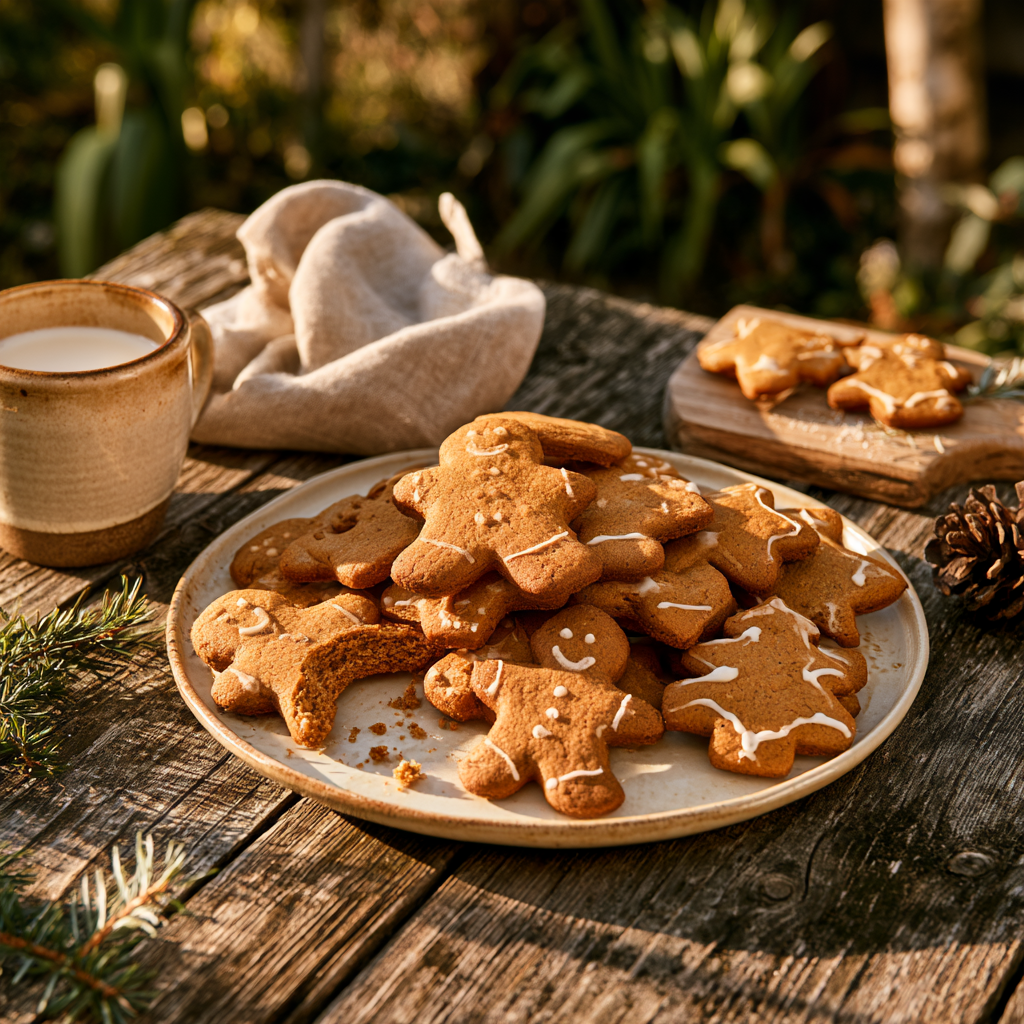
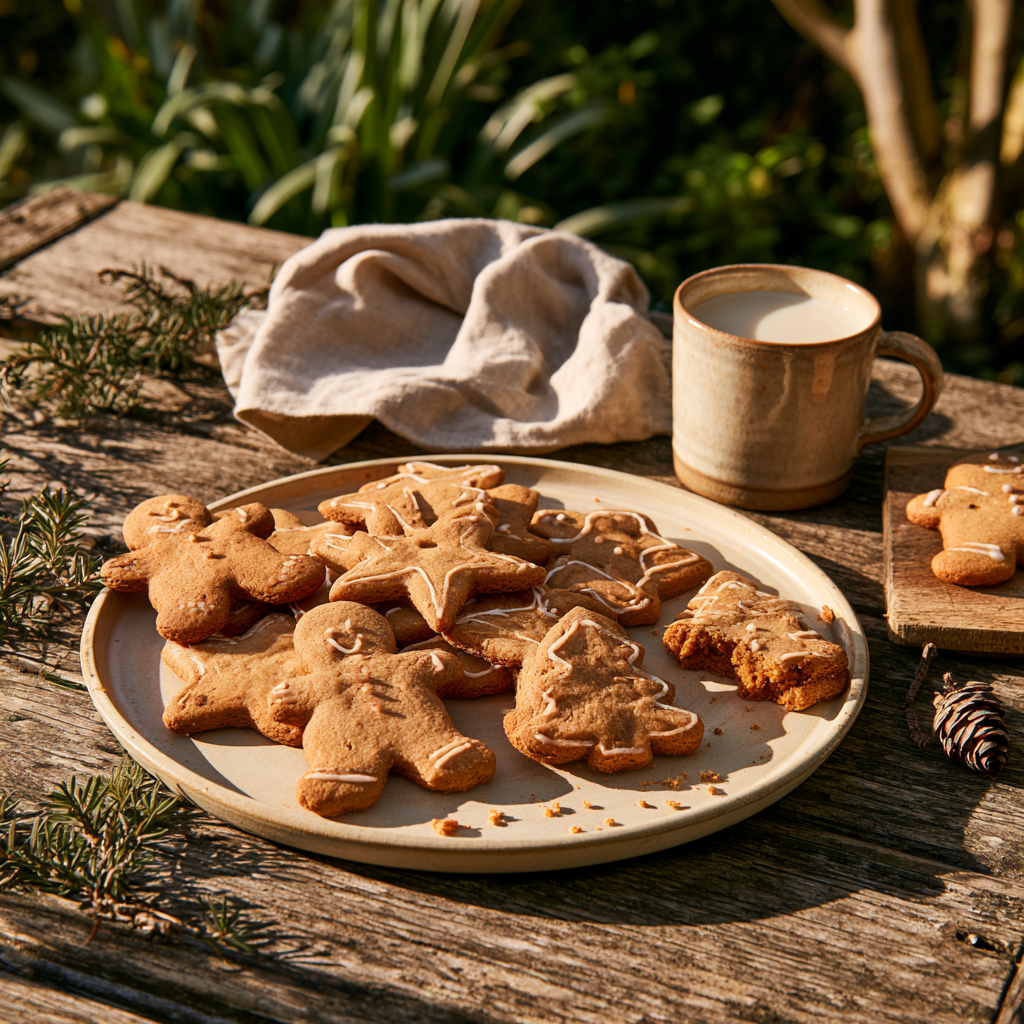
There’s something truly magical about the smell of freshly baked gingerbread cookies filling the kitchen, especially when the holidays are just around the corner! The warm aroma of cinnamon, ginger, and molasses drifting through the house instantly brings back memories of cozy winter evenings, festive decorations, and baking cookies with loved ones. This Gingerbread Cookies Recipe brings all that holiday magic together in one delicious bite. With their beautifully golden-brown edges, soft and slightly chewy centers, and irresistible blend of warming spices, these homemade gingerbread cookies are everything a classic Christmas treat should be. Whether you’re cutting them into adorable gingerbread men, decorating festive stars, or simply enjoying them with a warm cup of milk, every cookie feels like a little taste of Christmas.
What makes this easy Gingerbread Cookies Recipe so special is the perfect balance between rich molasses sweetness and fragrant holiday spices. Ground ginger adds that signature warmth, cinnamon brings comforting sweetness, and a touch of cloves gives the cookies their traditional depth of flavor. The dough is simple to prepare using everyday baking ingredients, and after chilling, it’s easy to roll out, cut into your favorite shapes, and bake until the edges are gently set. The best part? Decorating! A little royal icing, colorful sprinkles, or a few tiny candies can transform these cookies into charming homemade creations. And don’t worry if your gingerbread people end up looking a little funny; sometimes the cookies with crooked smiles and uneven buttons are the ones everyone loves most!
Gingerbread Cookies Recipe
Equipment
- Medium mixing bowl
- Electric hand mixer or stand mixer
- Measuring cups and spoons
- Digital kitchen scale
- Rolling Pin
- Gingerbread cookie cutters
- Baking sheets
- Parchment paper
- Plastic wrap or reusable food wrap
- Wire cooling rack
- Piping bag or small zip-top bag
- Small bowl for icing
Ingredients
- Amount Ingredient
- 3 cups 375 g All-purpose flour
- ¾ cup 170 g Unsalted butter, softened
- ¾ cup 150 g Packed light brown sugar
- ½ cup 120 ml Unsulphured molasses
- 1 large Egg room temperature
- 1 teaspoon 5 ml Vanilla extract
- 1 teaspoon 5 g Baking soda
- 1 tablespoon 6 g Ground ginger
- 2 teaspoons 5 g Ground cinnamon
- ¼ teaspoon 0.5 g Ground cloves
- ½ teaspoon 3 g Fine salt
Instructions
- Step 1: Gather and Measure the Ingredients. Begin by gathering all the ingredients and allowing the unsalted butter and egg to reach room temperature so they combine smoothly with the other ingredients. Measure 3 cups (375 g) of all-purpose flour, ¾ cup (170 g) of softened unsalted butter, ¾ cup (150 g) of packed light brown sugar, ½ cup (120 ml) of unsulphured molasses, one large egg, and 1 teaspoon of vanilla extract. Prepare the ground ginger, cinnamon, cloves, baking soda, and salt in their specified quantities. For the most consistent results, use a digital kitchen scale when measuring flour and other ingredients, since adding too much flour can make gingerbread dough dry and difficult to roll. Set everything within easy reach before beginning the mixing process.
- Step 2: Combine the Dry Ingredients. In a medium mixing bowl, whisk together the 3 cups (375 g) of all-purpose flour, 1 teaspoon (5 g) of baking soda, 1 tablespoon (6 g) of ground ginger, 2 teaspoons (5 g) of ground cinnamon, ¼ teaspoon (0.5 g) of ground cloves, and ½ teaspoon (3 g) of fine salt. Continue whisking for approximately 30–45 seconds until the spices, baking soda, and salt are evenly distributed throughout the flour. This step helps ensure that every gingerbread cookie develops a consistent flavor and texture rather than having concentrated pockets of spices or leavening. If the flour or spices contain noticeable lumps, break them apart with the whisk or sift the mixture before proceeding. Set the dry ingredients aside while preparing the butter mixture.
- Step 3: Cream the Butter and Brown Sugar. Place the ¾ cup (170 g) of softened unsalted butter and ¾ cup (150 g) of packed light brown sugar into a large mixing bowl or the bowl of a stand mixer fitted with a paddle attachment. Beat on medium speed for approximately 2–3 minutes, until the mixture appears creamy and evenly combined. Stop the mixer occasionally and scrape down the sides and bottom of the bowl with a silicone spatula to incorporate any remaining butter or sugar. The mixture should become smoother and slightly lighter in appearance, although it may not look as fluffy as a traditional sugar-cookie dough. Avoid beating excessively, as incorporating too much air can encourage the cookies to puff or spread during baking.
- Step 4: Add the Molasses, Egg, and Vanilla. Pour the ½ cup (120 ml) of unsulphured molasses into the creamed butter and brown sugar mixture, then add the room-temperature egg and 1 teaspoon (5 ml) of vanilla extract. Beat on low to medium speed until the ingredients are thoroughly incorporated, scraping the bowl as needed. The mixture should become glossy, dark brown, and aromatic, with the molasses providing the rich color and distinctive flavor associated with traditional gingerbread cookies. If the mixture looks slightly separated at first, continue mixing briefly until it becomes more uniform. Avoid adding extra flour at this stage, even if the mixture appears soft, because the dry ingredients will be incorporated in the following step.
- Step 5: Form the Gingerbread Cookie Dough. Reduce the mixer speed to low and gradually add the prepared flour and spice mixture to the wet ingredients in two or three additions, mixing just until the flour is incorporated after each addition. Use a silicone spatula to scrape along the bottom and sides of the bowl, ensuring no pockets of dry flour remain. The finished dough should be soft, slightly tacky, and cohesive enough to hold together when pressed, although it may initially feel too soft for rolling. Avoid overmixing once the flour has been incorporated, since excessive mixing can develop gluten and contribute to tougher cookies. If the dough is particularly sticky, resist adding large amounts of extra flour because refrigeration will help firm the butter and make the dough easier to handle.
- Step 6: Divide and Chill the Dough. Transfer the gingerbread dough onto a clean work surface and divide it into two approximately equal portions. Flatten each portion into a disc about 1 inch (2.5 cm) thick, then wrap each disc tightly in plastic wrap or reusable food wrap to prevent the surface from drying out. Place the wrapped dough in the refrigerator for at least 2 hours, or until firm enough to roll without excessive sticking. Chilling allows the butter to solidify and makes it easier to cut clean, recognizable gingerbread shapes. If the dough has been refrigerated overnight and feels too firm to roll, allow it to rest at room temperature for approximately 5–10 minutes, checking regularly until it becomes pliable but remains cool.
- Step 7: Preheat the Oven and Prepare Baking Sheets. When the cookie dough is sufficiently chilled, preheat the oven to 350°F (175°C) and position an oven rack in the center. Line two large baking sheets with parchment paper or silicone baking mats, making sure they sit flat against the pan surfaces. Remove one disc of dough from the refrigerator while keeping the second portion chilled until needed. Lightly dust the work surface and rolling pin with flour, using only enough to prevent sticking. If your kitchen is particularly warm, work with smaller portions of dough so the butter doesn’t soften excessively before the cookies are cut and transferred to the baking sheets.
- Step 8: Roll and Cut the Gingerbread Cookies. Place the chilled dough on the lightly floured work surface and roll it evenly to approximately ¼ inch (6 mm) thick, turning the dough occasionally to prevent sticking. Dip your favorite gingerbread cookie cutters lightly into flour, then press them firmly into the rolled dough to create gingerbread men, stars, Christmas trees, or other festive shapes. Carefully lift each cut-out using a thin spatula and transfer it to the prepared baking sheets, leaving approximately 1–2 inches (2.5–5 cm) of space between cookies. Gather the remaining dough scraps, gently press them together, and reroll as needed, avoiding excessive additional flour. If the dough becomes overly soft or sticky during shaping, refrigerate it for 10–15 minutes before continuing.
- Step 9: Bake the Gingerbread Cookies. Place one baking sheet on the center rack of the preheated 350°F (175°C) oven and bake for approximately 8–11 minutes, beginning to check the cookies at the 8-minute mark. The cookies should appear set around the edges, with centers that no longer look wet or glossy. Smaller shapes may bake more quickly, while larger gingerbread men or thicker cut-outs may need an additional minute or two. For softer cookies, remove them when the edges are set and the centers still feel slightly tender, as they will continue to firm during cooling. Avoid baking until the cookies become completely hard in the oven. Repeat with the remaining dough, allowing hot baking sheets to cool before placing additional raw cut-outs on them.
- Step 10: Cool the Cookies Completely. Remove the baking sheet from the oven and place it on a heat-resistant surface or wire cooling rack. Allow the gingerbread cookies to rest on the baking sheet for approximately 5 minutes so their structure can firm up before transferring them. Using a thin spatula, carefully move the cookies onto a wire rack and let them cool completely, approximately 20–30 minutes depending on their size and thickness. Avoid handling or stacking the cookies while warm, as delicate edges and narrow gingerbread arms may break. Complete cooling is especially important if you plan to decorate with icing, because residual heat can cause the icing to melt, spread, or lose its shape.
- Step 11: Prepare the Vanilla Icing. While the cookies cool, prepare the optional vanilla icing by adding 1 cup (120 g) of sifted powdered sugar to a small mixing bowl. Add 1 tablespoon (15 ml) of milk and ¼ teaspoon (1.25 ml) of vanilla extract, then whisk until smooth and free of lumps. If the icing is too thick to pipe, gradually add more milk, a few drops at a time, until it reaches a consistency that flows smoothly from a piping bag while holding its shape on the cookies. For colorful Christmas decorations, divide the icing into smaller bowls and add a tiny amount of food coloring to each portion. Transfer the prepared icing into piping bags fitted with small round tips or into zip-top bags with a tiny corner snipped off.
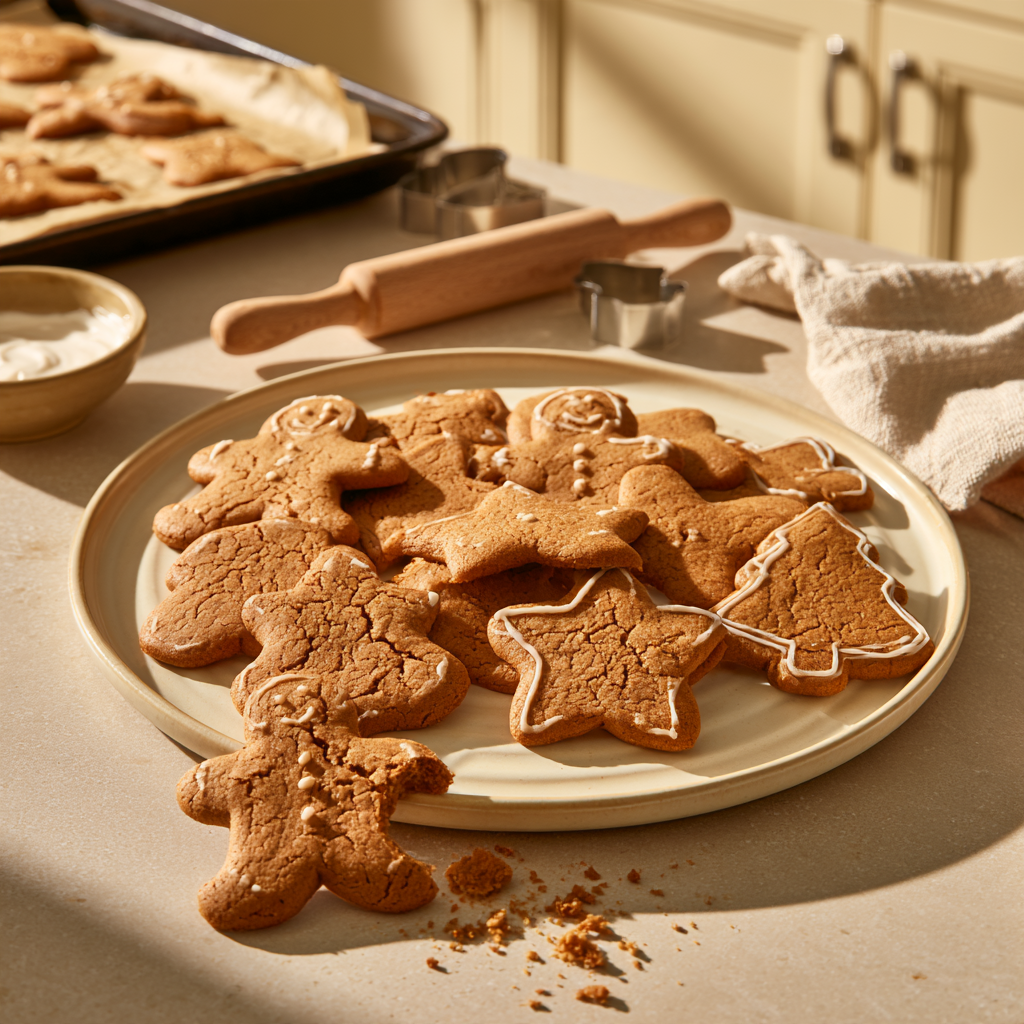
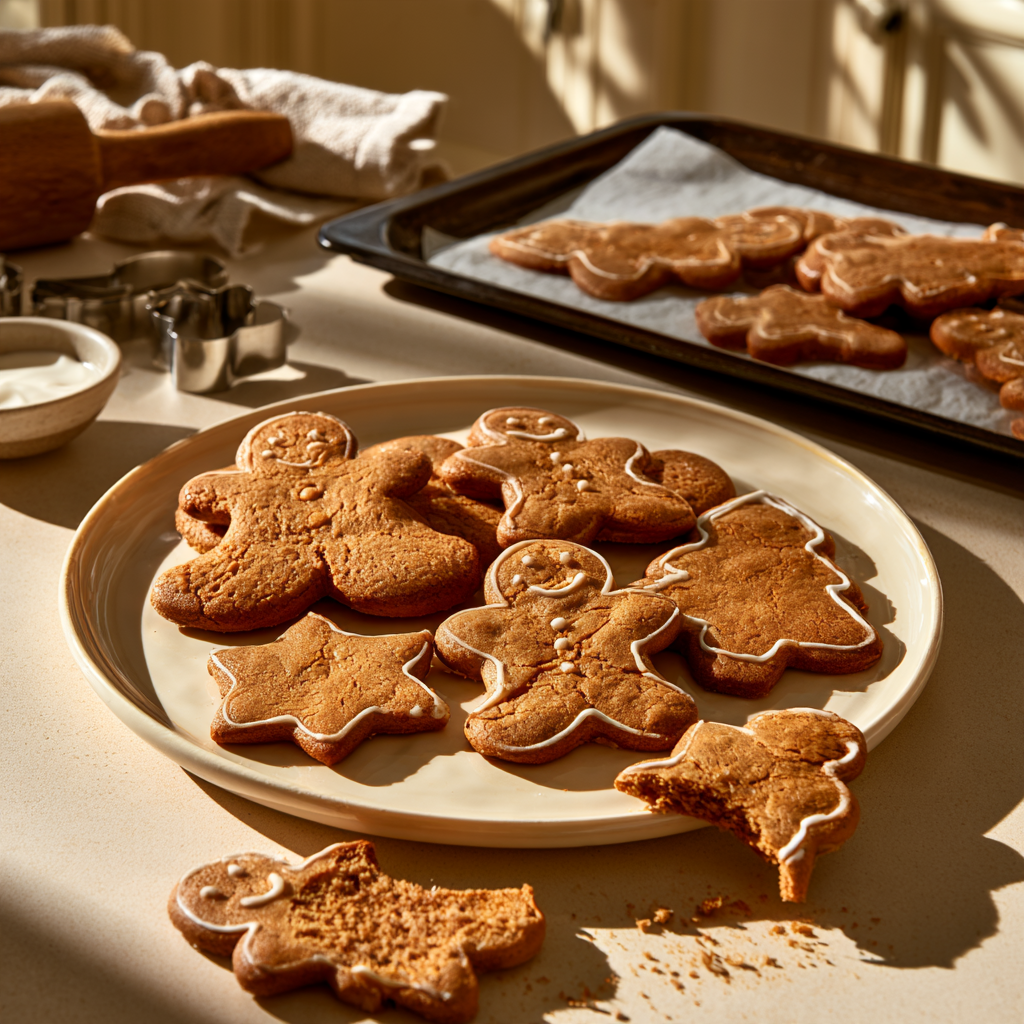
- Step 12: Decorate the Gingerbread Cookies. Arrange the completely cooled gingerbread cookies on a clean, flat surface covered with parchment paper. Use the prepared vanilla icing to outline the edges of each cookie, draw smiling faces and buttons on gingerbread men, or add festive patterns to stars and Christmas trees. Work slowly and use gentle, even pressure when piping to create clean decorative lines. If desired, add a few colorful sprinkles or small candies while the icing is still wet so they adhere securely. For a simpler presentation, leave some cookies undecorated to showcase their warm brown color and classic gingerbread appearance. Allow the decorated cookies to rest at room temperature until the icing is fully set before handling, stacking, or packaging them.
- Step 13: Store and Serve the Gingerbread Cookies. Once the cookies are completely cooled and any icing has hardened, arrange them in an airtight container, separating decorated layers with sheets of parchment paper to prevent sticking and preserve their appearance. Store plain cookies or cookies decorated with a shelf-stable powdered-sugar icing in a cool, dry place, away from direct sunlight and excessive humidity, for approximately 5–7 days for best quality. For longer storage, freeze fully cooled, undecorated cookies in airtight freezer-safe containers for up to 2–3 months. Allow frozen cookies to thaw before decorating or serving. Enjoy your homemade gingerbread cookies with a warm cup of milk, tea, or coffee, or arrange them on a festive dessert platter for holiday gatherings.
Notes
- Origins of the Gingerbread Cookies
- Health Benefits of the Gingerbread Cookies
- Nutritional Benefits of Gingerbread Cookie Ingredients
- 1. Ginger Contains Naturally Occurring Plant Compounds
- 2. Cinnamon and Cloves Provide Aromatic Antioxidant Compounds
- 3. Molasses Contributes Small Amounts of Minerals
- 4. Homemade Gingerbread Cookies Allow Better Ingredient Control
- 5. Gingerbread Baking Can Encourage Family Connection
- 6. Portion Control Makes Gingerbread Easier to Enjoy
- How to Make Gingerbread Cookies a Little Healthier
Origins of the Gingerbread Cookies
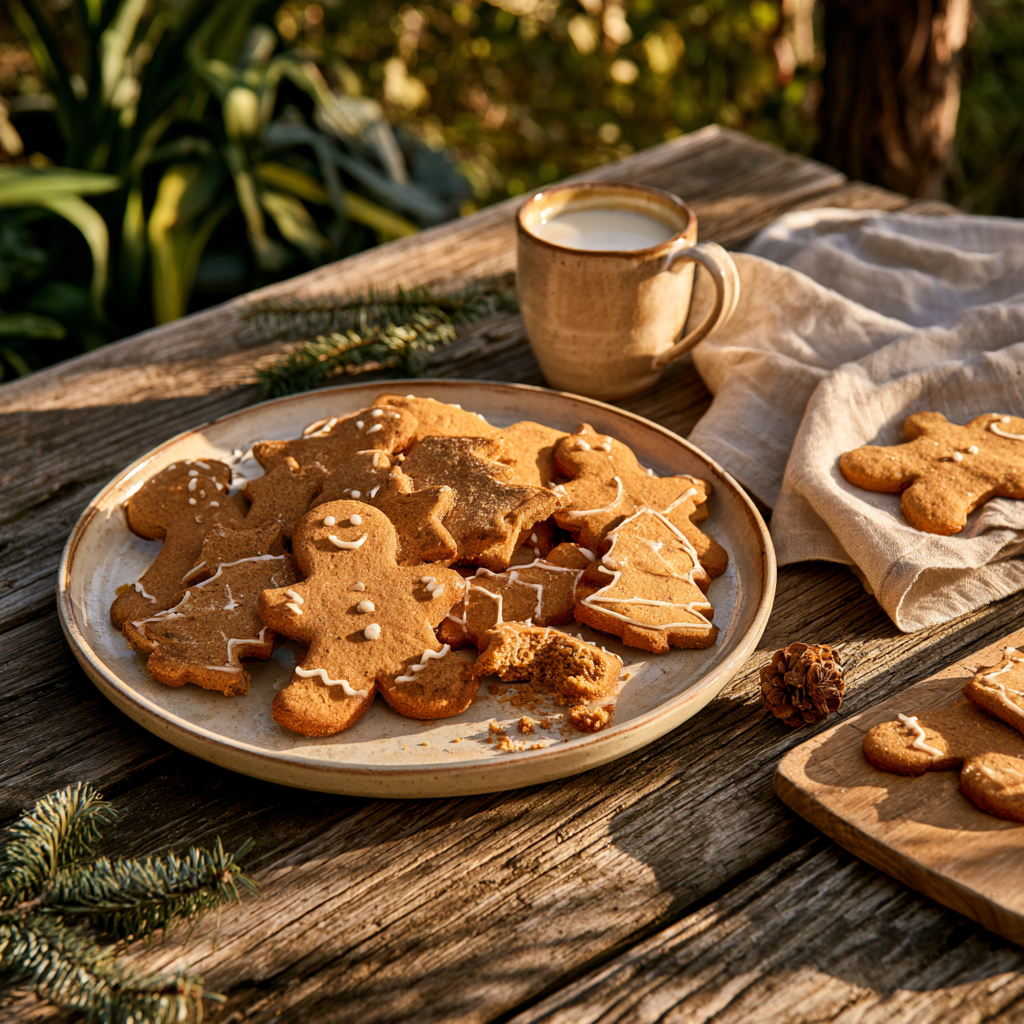
The story behind the Gingerbread Cookies Recipe is just as rich and fascinating as the warm spices that give these beloved treats their signature flavor. Gingerbread has roots stretching back centuries, with ginger and other aromatic spices traveling from Asia to Europe through ancient and medieval trade routes. During the Middle Ages, European bakers began combining ginger with honey, breadcrumbs, and other ingredients to create early versions of gingerbread. These traditional treats were quite different from the soft, chewy cookies we enjoy today, but they introduced the wonderful combination of sweetness and warming spices that would eventually become a holiday favorite. By the late medieval period, gingerbread had become associated with European fairs, festivals, and special celebrations.
As gingerbread traditions evolved, different European countries developed their own distinctive recipes. Germany became especially famous for Lebkuchen, a richly spiced gingerbread traditionally associated with cities such as Nuremberg, while England developed a tradition of decorative gingerbread figures. Queen Elizabeth I is often credited with popularizing gingerbread figures shaped to resemble important guests, although the historical details of this story are not firmly established. Over time, bakers began using ingredients such as molasses, flour, butter, and aromatic spices to create firmer doughs that could be rolled, cut into shapes, and decorated. Gingerbread men, stars, hearts, and other festive designs gradually became recognizable symbols of Christmas baking.The story behind the Gingerbread Cookies Recipe is just as rich and fascinating as the warm spices that give these beloved treats their signature flavor. Gingerbread has roots stretching back centuries, with ginger and other aromatic spices traveling from Asia to Europe through ancient and medieval trade routes. During the Middle Ages, European bakers began combining ginger with honey, breadcrumbs, and other ingredients to create early versions of gingerbread. These traditional treats were quite different from the soft, chewy cookies we enjoy today, but they introduced the wonderful combination of sweetness and warming spices that would eventually become a holiday favorite. By the late medieval period, gingerbread had become associated with European fairs, festivals, and special celebrations.
As gingerbread traditions evolved, different European countries developed their own distinctive recipes. Germany became especially famous for Lebkuchen, a richly spiced gingerbread traditionally associated with cities such as Nuremberg, while England developed a tradition of decorative gingerbread figures. Queen Elizabeth I is often credited with popularizing gingerbread figures shaped to resemble important guests, although the historical details of this story are not firmly established. Over time, bakers began using ingredients such as molasses, flour, butter, and aromatic spices to create firmer doughs that could be rolled, cut into shapes, and decorated. Gingerbread men, stars, hearts, and other festive designs gradually became recognizable symbols of Christmas baking.
Health Benefits of the Gingerbread Cookies
Who says holiday treats can’t offer a little nutritional goodness? While this Gingerbread Cookies Recipe is primarily a delicious seasonal dessert, several of its signature ingredients, including ginger, cinnamon, cloves, and molasses, contain naturally occurring nutrients and plant compounds. These warming spices do more than create that irresistible Christmas aroma; they also bring distinctive flavors and small amounts of beneficial compounds to every batch. Of course, gingerbread cookies still contain sugar, flour, and butter, so they’re best enjoyed as an occasional treat rather than a health food.
The beauty of making homemade gingerbread cookies is that you control the ingredients, portion sizes, and decorations. You can adjust the sweetness, experiment with whole-grain flour, or keep the icing simple while preserving the comforting flavors that make gingerbread such a beloved holiday tradition.
Nutritional Benefits of Gingerbread Cookie Ingredients
| Ingredient | Nutrients and Potential Benefits |
|---|---|
| Ground Ginger | Contains gingerols and related compounds studied for antioxidant and anti-inflammatory properties, although baking and small serving sizes limit potential effects. |
| Cinnamon | Provides aromatic plant compounds and small amounts of antioxidants that contribute to its distinctive flavor. |
| Cloves | Contain eugenol, a naturally occurring compound with antioxidant activity observed in laboratory research. |
| Molasses | Provides small amounts of iron, potassium, calcium, and magnesium, depending on the type and quantity used. |
| Whole-Wheat Flour (Optional) | Adds more dietary fiber and certain B vitamins compared with refined all-purpose flour. |
| Eggs | Contribute protein, vitamin B12, and choline when included in the recipe. |
| Butter | Provides energy and small amounts of fat-soluble vitamins, but also contains saturated fat. |
| Reduced Icing (Optional) | Helps lower the amount of added sugar compared with heavily decorated cookies. |
1. Ginger Contains Naturally Occurring Plant Compounds
One of the most recognizable ingredients in a Gingerbread Cookies Recipe is ground ginger. This fragrant spice contains compounds such as gingerols and shogaols, which researchers have investigated for their antioxidant and anti-inflammatory properties. Ginger has also been studied for its potential role in managing certain types of nausea.
However, it’s important to distinguish between research involving concentrated ginger preparations and the small amounts found in cookies. Eating gingerbread has not been shown to provide the same effects as clinically studied ginger products. In this recipe, ginger’s greatest contribution is its beautifully warm, slightly peppery flavor.
2. Cinnamon and Cloves Provide Aromatic Antioxidant Compounds
Cinnamon and cloves are essential to the cozy flavor of traditional gingerbread cookies. Both spices contain naturally occurring plant compounds, including polyphenols, while cloves are particularly known for their eugenol content.
These compounds have demonstrated antioxidant activity in laboratory studies, but that doesn’t mean eating gingerbread cookies will significantly reduce inflammation or prevent disease. What these spices certainly do is add layers of delicious flavor, making homemade gingerbread satisfying without requiring excessive amounts of additional flavorings.
3. Molasses Contributes Small Amounts of Minerals
Unlike ordinary refined white sugar, molasses naturally contains some minerals, including iron, potassium, calcium, and magnesium. Blackstrap molasses generally contains higher mineral concentrations than lighter varieties, although its stronger and more bitter flavor may not be ideal for classic gingerbread cookies.
For the best balance of taste and texture, unsulphured molasses is often a good choice for soft gingerbread cookies. Although molasses provides small amounts of minerals, it remains a form of added sugar and should be consumed in moderation.
4. Homemade Gingerbread Cookies Allow Better Ingredient Control
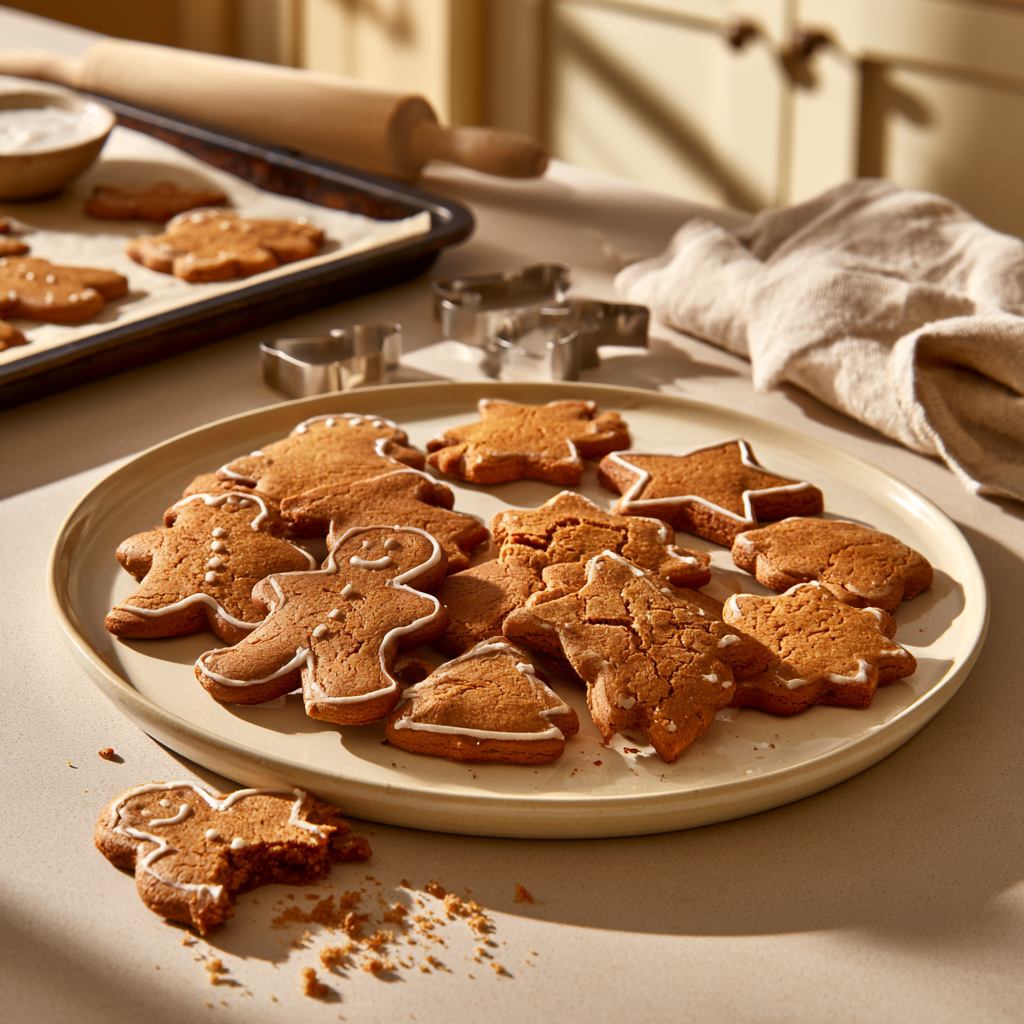
One advantage of baking gingerbread cookies from scratch is knowing exactly what goes into the dough. You can choose the type of flour, adjust the amount of icing, control cookie sizes, and avoid ingredients you don’t wish to use.
For example, replacing a small portion of all-purpose flour with whole-wheat pastry flour can increase fiber content, although it may also change how the dough rolls and how the cookies hold their shapes. Keeping decorations simple is another practical way to reduce added sugar while still making beautiful Christmas cookies.
5. Gingerbread Baking Can Encourage Family Connection
The appeal of homemade gingerbread cookies extends beyond their ingredients. Mixing dough, cutting festive shapes, and decorating cookies can become enjoyable activities shared with family and friends.
Cooking and baking together provide opportunities for creativity, cooperation, and meaningful social interaction. While these experiences are not unique to gingerbread and do not guarantee specific health benefits, they can contribute to enjoyable holiday traditions and positive shared memories.
6. Portion Control Makes Gingerbread Easier to Enjoy
Gingerbread cookies can fit into a balanced eating pattern when enjoyed in reasonable portions. Their calorie and sugar content varies depending on the ingredients, cookie size, and amount of icing used.
Smaller cookie cutters can help create manageable portions, while lighter decorations let the natural molasses and spice flavors remain the focus. Enjoying one or two cookies alongside a balanced meal or snack may be more satisfying than treating them as a substitute for nutritious everyday foods.
How to Make Gingerbread Cookies a Little Healthier
The wonderful thing about making your own Gingerbread Cookies Recipe is that you can enjoy all those cozy holiday flavors while making a few thoughtful adjustments to the ingredients. Although traditional gingerbread cookies are meant to be an occasional sweet treat, small changes can help reduce added sugar, increase fiber, and make portions easier to manage without sacrificing their delicious molasses flavor and warming spices.

Here are some simple ways to make your homemade gingerbread cookies a little more balanced:
- Try Whole-Wheat Pastry Flour: Replace approximately 25% of the all-purpose flour with whole-wheat pastry flour to add dietary fiber and nutrients. Keep in mind that this may slightly change the cookies’ texture and how well they hold their shapes.
- Reduce Added Sugar Carefully: Experiment with reducing the brown sugar by approximately 10–15%. Molasses already contributes sweetness, so a modest reduction may work well. However, sugar also affects spreading, moisture, and texture, so results may vary.
- Use Unsulphured Molasses: Choose unsulphured molasses for its rich, traditional gingerbread flavor. It contains small amounts of minerals such as iron and potassium, although it still counts as added sugar.
- Make Smaller Gingerbread Cookies: Use smaller holiday cookie cutters to create adorable mini gingerbread men, stars, and Christmas trees. Smaller cookies make it easier to enjoy a modest portion without missing out on your favorite festive treat.
- Keep the Decorations Simple: Instead of covering every cookie with thick royal icing, use thin icing lines to create faces, buttons, and festive details. You’ll still get beautifully decorated cookies with less added sugar.
- Let the Spices Shine: Ginger, cinnamon, nutmeg, and cloves provide the signature warmth of gingerbread without significantly increasing calories. Their bold flavors help make the cookies satisfying even with simpler decorations.
- Avoid Unnecessary Additions: Chocolate coatings, caramel fillings, and excessive candy decorations can quickly increase the calorie and sugar content. Keep your gingerbread cookies classic with a little icing or enjoy them plain.
- Enjoy Them as Part of a Balanced Diet: Pair one or two gingerbread cookies with a cup of unsweetened tea or milk, and enjoy them as a special holiday dessert rather than a replacement for a balanced meal.
Oooh Delish! Kitchen Tip: You don’t need to completely reinvent traditional gingerbread cookies to make them a little healthier. Start with small changes, preserve that wonderful combination of ginger, cinnamon, and molasses, and remember that the best Christmas cookies are the ones you genuinely enjoy sharing. A little moderation, a little creativity, and plenty of holiday cheer; that’s the sweetest recipe of all!