

One of the biggest misconceptions about baking is that eggs are absolutely necessary for making soft, chewy, and delicious cookies. While eggs contribute moisture, structure, and binding properties to many traditional cookie recipes, they’re not essential in every type of cookie dough. With the right balance of flour, butter, sugar, vanilla, and moisture, homemade cookies without eggs can develop a beautifully tender texture and a wonderful buttery flavor. The secret lies in understanding how the ingredients work together and avoiding common baking mistakes, such as adding too much flour, overmixing the dough, or leaving the cookies in the oven for too long. When prepared correctly, eggless cookies can be just as enjoyable as their traditional counterparts, offering a delicious combination of golden edges and soft centers without complicated egg replacements or unusual ingredients.
What makes this homemade no egg cookies recipe particularly appealing is its simplicity and convenience. Instead of searching for special egg substitutes or experimenting with complicated ingredient combinations, you can prepare delicious cookies using familiar ingredients you may already have in your kitchen. Depending on the recipe, a little milk can help bring the dough together, while softened butter contributes richness and vanilla extract provides that warm, comforting bakery-style aroma. Brown sugar can help create a chewier texture, while granulated sugar encourages delicate crispness around the edges. This flexibility makes eggless cookie baking especially useful for spontaneous dessert cravings, busy afternoons, and last-minute family gatherings. If you love simple cookie recipes that require minimal ingredients, you’ll also enjoy our 3 Ingredient Sugar Cookie Recipe, which transforms butter, sugar, and flour into wonderfully delicate cookies without needing eggs.
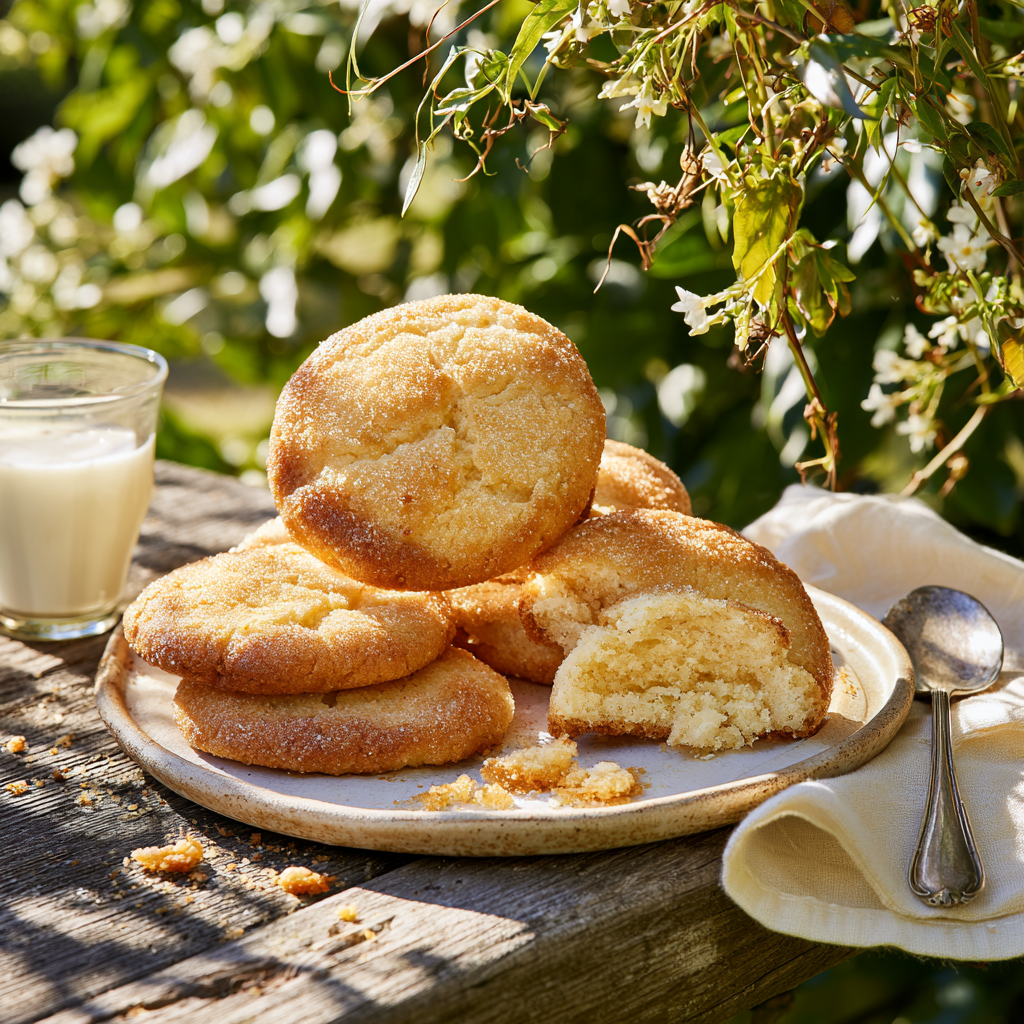
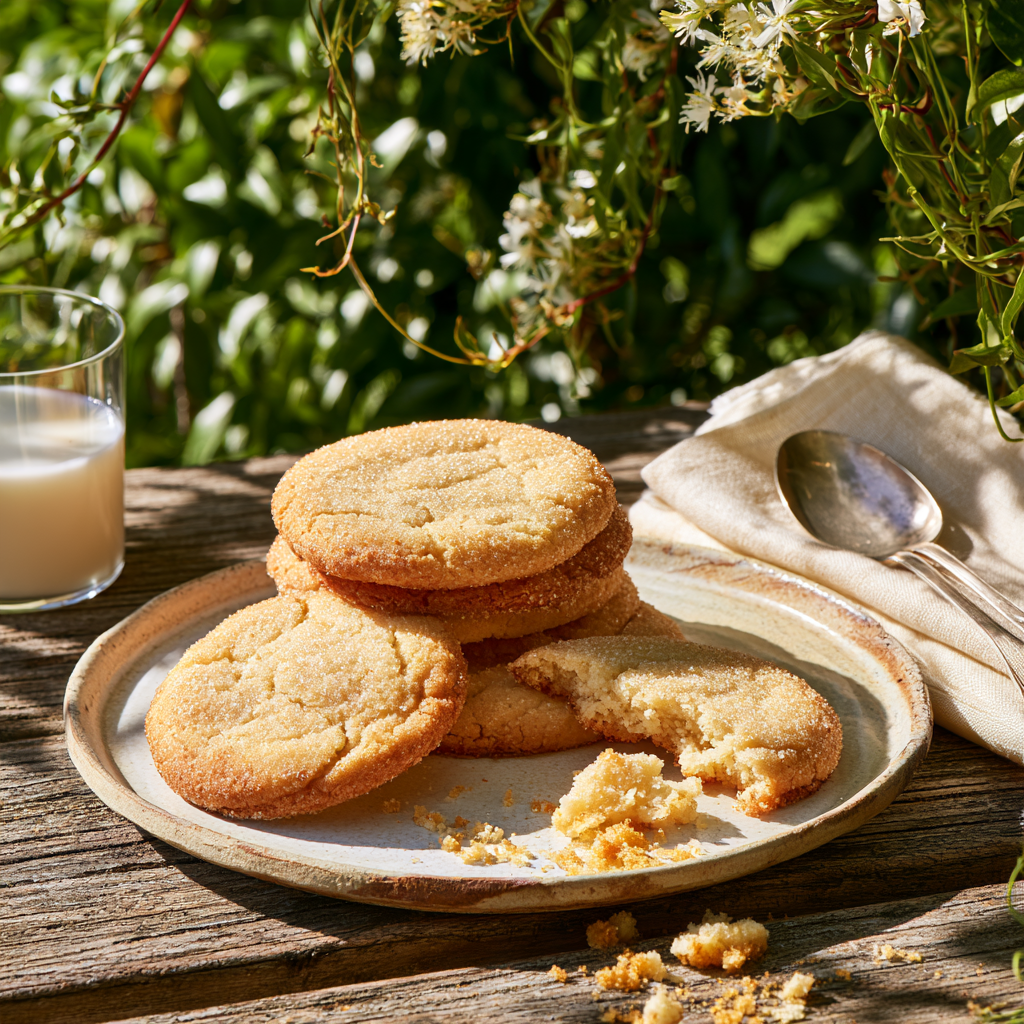
No Egg Cookies Recipe
Equipment
- Large mixing bowl
- Medium mixing bowl
- Electric hand mixer or stand mixer
- Measuring cups
- Measuring spoons
- Digital kitchen scale
- Silicone Spatula
- Whisk
- 2 large baking sheets
- Parchment paper
- Medium cookie scoop (approximately 2 tablespoons)
- Refrigerator-safe dough container or plastic wrap
- Wire cooling rack
- Oven
- Oven thermometer (optional)
- Airtight cookie storage container
Ingredients
- 1 1/2 sticks 3/4 cup or 170 g unsalted butter, softened to room temperature
- 2/3 cup packed 135 g light brown sugar
- 1/3 cup 70 g granulated sugar
- 3 tablespoons 45 ml whole milk, at room temperature
- 2 teaspoons 10 ml pure vanilla extract
- 2 1/4 cups 270 g all-purpose flour, measured by weight or spooned and leveled
- 1 tablespoon 8 g cornstarch
- 1/2 teaspoon baking soda
- 1/2 teaspoon baking powder
- 1/2 teaspoon fine sea salt
Instructions
- Step 1: Prepare and Measure All the Ingredients. Before beginning your homemade No Egg Cookies Recipe, gather all the ingredients and measure them carefully to ensure the dough develops the correct texture. Place the unsalted butter on the kitchen counter until it becomes softened but not melted; the butter should feel pliable when gently pressed while still holding its shape. Measure the light brown sugar, granulated sugar, whole milk, pure vanilla extract, all-purpose flour, cornstarch, baking soda, baking powder, and fine sea salt. For the most consistent results, weigh the flour using a digital kitchen scale rather than scooping directly into the container, as excessive flour can produce dry, crumbly cookies. If using optional chocolate chips or chopped nuts, measure them separately and keep them ready for mixing. Preparing everything before you begin makes the baking process easier and helps ensure the ingredients combine evenly without unnecessary delays.
- Step 2: Combine the Dry Ingredients. In a medium mixing bowl, add the all-purpose flour, cornstarch, baking soda, baking powder, and fine sea salt, then whisk thoroughly for approximately 30–45 seconds until all the dry ingredients are evenly distributed. The cornstarch contributes to a more delicate and tender cookie texture, while the baking soda and baking powder help influence the shape, spread, and structure of the finished cookies. Whisking these ingredients together before incorporating them into the butter mixture prevents concentrated pockets of baking soda or salt from developing in individual cookies. Check that the flour mixture is free from large lumps, breaking them apart with the whisk if necessary, then set the bowl aside temporarily. Avoid adding additional flour unless the finished dough genuinely requires adjustment, as the carefully measured balance of flour, butter, sugar, and milk is important for creating soft, chewy eggless cookies instead of overly dense or dry ones.
- Step 3: Cream the Butter, Brown Sugar, and Granulated Sugar. Place the softened unsalted butter, packed light brown sugar, and granulated sugar into a large mixing bowl, then beat them together using an electric hand mixer or stand mixer fitted with the paddle attachment for approximately 2–3 minutes at medium speed. Continue mixing until the ingredients become evenly combined, creamy, and slightly lighter in appearance, stopping occasionally to scrape down the sides and bottom of the bowl with a silicone spatula. The brown sugar contributes moisture and a subtle caramel-like flavor, while granulated sugar helps create lightly crisp edges during baking. Proper creaming also distributes the sugar throughout the softened butter and introduces a little air into the mixture, supporting a pleasant cookie texture. Avoid using melted butter, as it can make the dough excessively soft and encourage uncontrolled spreading in the oven. The finished mixture should look smooth and fluffy, with no large visible pieces of butter remaining.
- Step 4: Add the Milk and Vanilla Extract. Pour the room-temperature whole milk and pure vanilla extract into the creamed butter-and-sugar mixture, then mix on low speed until the liquids are distributed throughout the dough. Stop the mixer and scrape the sides of the bowl, ensuring no unmixed butter or sugar remains around the edges. Because this No Egg Cookies Recipe contains no eggs, the milk supplies some of the moisture needed to bring the dough together, while the vanilla adds the comforting bakery-style aroma that makes these homemade cookies so delicious. The mixture may look slightly uneven or separated immediately after adding the milk because the liquid and butter have different compositions; this is normal and should improve once the flour is incorporated. Avoid adding extra milk at this stage, as excessive liquid may affect the final consistency and cause the cookies to spread more than intended during baking.
- Step 5: Incorporate the Dry Ingredients and Form the Cookie Dough. Gradually add the prepared flour mixture to the butter, sugar, milk, and vanilla mixture in two or three additions, mixing on low speed after each addition until most of the flour disappears into the dough. Once the mixture begins coming together, switch to a silicone spatula and gently fold the remaining ingredients until a cohesive, soft cookie dough forms without visible pockets of dry flour. The dough should be thick enough to hold its shape when scooped, yet soft and slightly tacky rather than dry or crumbly. Avoid overmixing once the flour is incorporated, because excessive mixing can encourage gluten development and create tougher cookies. If a few dry crumbs remain, press them gently into the dough with the spatula before deciding whether additional moisture is necessary. This careful mixing method helps produce homemade eggless cookies with tender centers, lightly crisp edges, and a satisfying buttery texture.
- Step 6: Add Chocolate Chips or Other Optional Mix-Ins. If preparing classic vanilla No Egg Cookies, leave the dough plain and continue directly to the chilling stage. For a chocolate chip variation, add the measured semisweet chocolate chips and fold them into the cookie dough using a silicone spatula until evenly distributed, making sure the chocolate pieces reach the center as well as the outer edges of the mixture. For a nutty version, gently incorporate chopped walnuts or pecans, while cinnamon or finely grated orange zest can be mixed into the dough for additional flavor. Avoid adding every optional ingredient at once, because excessive mix-ins may make the dough difficult to shape and affect the cookies’ texture. Fold the ingredients only until combined rather than mixing aggressively, which could overwork the flour and make the cookies less tender. The finished dough should remain thick, cohesive, and easy to portion, with any chosen additions distributed evenly throughout.
- Step 7: Chill the Eggless Cookie Dough for Better Texture. Cover the mixing bowl securely with plastic wrap or transfer the prepared cookie dough to a covered, refrigerator-safe container, then refrigerate for approximately 30 minutes before baking. This short chilling period allows the butter to become firmer and gives the flour additional time to absorb moisture, helping control spreading and encouraging cookies with a more consistent shape. Chilling is particularly helpful when preparing soft and chewy cookies without eggs, because the dough relies on the correct balance of butter, sugar, flour, and milk to hold together during baking. If your kitchen is unusually warm or the dough feels very soft, extending the chilling time slightly may help. Avoid leaving the dough uncovered in the refrigerator, as exposed dough can dry out and absorb unwanted odors. When the chilling time is complete, the dough should feel firmer than before but still soft enough to scoop or shape into evenly sized portions.
- Step 8: Preheat the Oven and Prepare the Baking Sheets. Toward the end of the dough’s chilling period, preheat your oven to 350°F (175°C) and position two oven racks in the upper and lower thirds of the oven so both baking sheets can be used at the same time. Line two large, light-colored baking sheets with parchment paper to prevent sticking and encourage even baking, avoiding excessive greasing because additional surface fat may increase spreading. Make sure the oven has fully reached the desired temperature before adding the cookies, as placing dough into an insufficiently heated oven can cause the butter to melt too quickly before the dough begins setting. If available, use an oven thermometer to confirm the temperature, since household ovens may heat unevenly. Arrange the baking sheets on a clean work surface and keep a medium cookie scoop nearby for portioning the chilled dough. Proper oven preparation helps the cookies bake evenly and develop lightly golden edges while retaining their soft centers.
- Step 9: Scoop and Shape the No Egg Cookies. Remove the chilled cookie dough from the refrigerator and use a medium cookie scoop or measuring spoon to divide it into approximately 20 equal portions, each weighing roughly 35–36 grams or measuring about 2 level tablespoons of dough. Gently roll each portion between your palms to create a smooth dough ball, then arrange 10 portions on each prepared baking sheet, leaving approximately 2–3 inches (5–7.5 cm) between cookies to allow sufficient room for spreading. Keep the dough balls slightly rounded rather than pressing them completely flat, as their shape helps create tender centers with lightly crisp edges. If preparing chocolate chip cookies, press a few extra chocolate chips into the visible surface of each dough ball for a more attractive bakery-style appearance. Try to make every portion approximately the same size so all the cookies bake at a similar rate. If the dough becomes excessively warm while shaping, place the prepared trays in the refrigerator briefly before baking.
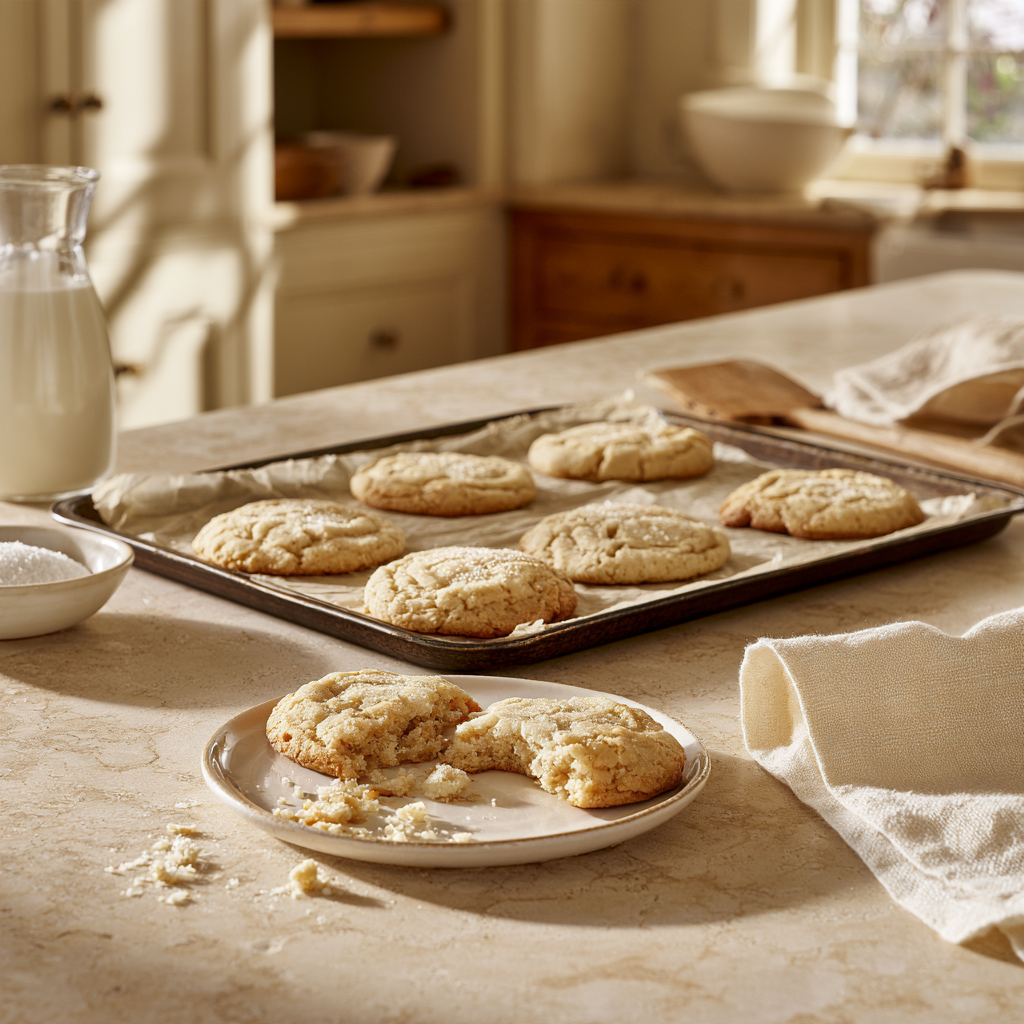
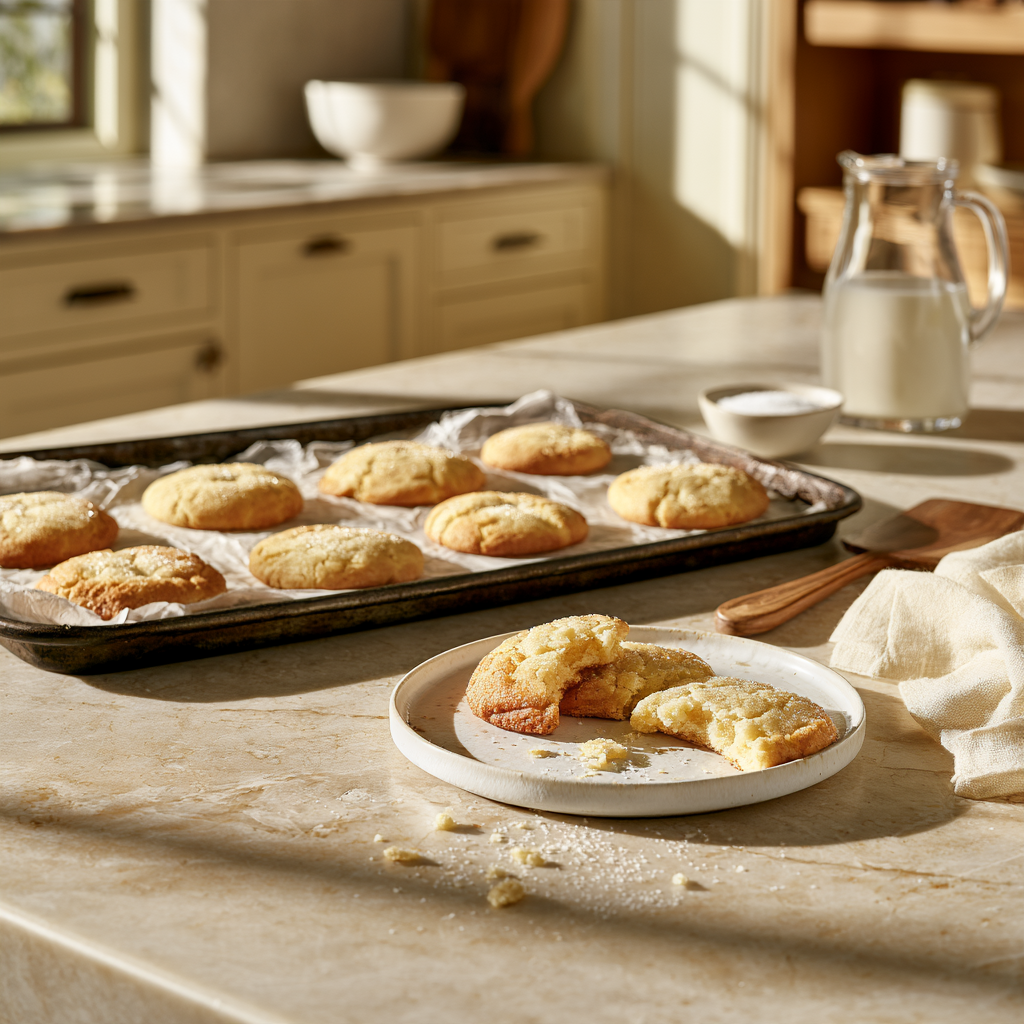
- Step 10: Bake Until the Edges Are Lightly Golden. Place both baking sheets into the fully preheated oven and bake at 350°F (175°C) for approximately 11–14 minutes, swapping the positions of the upper and lower trays and rotating them front to back around the halfway point to encourage even baking. Monitor the cookies closely during the final minutes, as baking times may vary depending on your oven, cookie size, and the type of baking sheets used. The cookies are ready when their edges look set and lightly golden while their centers still appear slightly soft and pale. Avoid waiting until the entire surface becomes deeply golden, because eggless cookies can become dry or overly firm when overbaked. The centers will continue setting as the cookies cool on the hot baking sheets, helping produce the desired contrast between lightly crisp edges and tender interiors. If your oven cannot bake both trays evenly at the same time, bake them in separate batches and allow additional time.
- Step 11: Allow the Cookies to Cool and Finish Setting. Carefully remove the baking sheets from the oven and place them on heat-resistant surfaces, leaving the freshly baked No Egg Cookies undisturbed for approximately 10 minutes so they can finish setting without breaking apart. Immediately after baking, the cookies may appear delicate or slightly underdone in the center, but this is normal when aiming for a tender, chewy texture. The residual heat from the baking sheets will continue cooking the centers gently while the exterior becomes firmer. Avoid transferring the cookies too early because they may crumble or lose their shape before their structure has stabilized. After approximately 10 minutes, use a thin spatula to transfer the cookies carefully to a wire cooling rack, allowing air to circulate around them as they continue cooling. For the softest eating experience, enjoy the cookies once they are warm rather than piping hot, or allow them to cool completely before storing.
- Step 12: Serve, Customize, and Store Your Homemade No Egg Cookies. Once the cookies have cooled enough to handle, arrange them on a serving plate or dessert platter and enjoy their buttery vanilla flavor, lightly golden edges, and soft, tender centers. Serve these easy eggless cookies with a glass of milk, a warm cup of tea, or your favorite coffee for a comforting homemade treat. For a more indulgent variation, drizzle completely cooled cookies with a little melted chocolate or finish chocolate chip versions with a tiny pinch of flaky sea salt. If preparing the cookies for guests, arrange different flavors together on a decorative platter and clearly identify any varieties containing nuts or other allergens. Allow all cookies to cool completely before transferring them to a clean, airtight container, then store at room temperature for approximately 4–5 days in a cool, dry place. For longer storage, freeze the fully cooled cookies in a freezer-safe container for up to approximately 2–3 months, separating layers with parchment paper to help preserve their shape and texture.
Notes
- Origins of No Egg Cookies Recipe: The Fascinating History of Eggless Cookies and Traditional Home Baking
- Health Benefits of No Egg Cookies Recipe: Nutritional Value, Egg-Free Baking & Healthier Homemade Alternatives
- 1. An Egg-Free Alternative for People Avoiding Eggs
- 2. Homemade No Egg Cookies Give You More Control Over Added Sugar
- 3. Whole Wheat Flour Can Add Fiber and Whole-Grain Nutrients
- 4. Oats Can Provide Additional Dietary Fiber
- 5. Nuts Can Contribute Unsaturated Fats, Minerals, and Protein
- 6. Dark Chocolate Can Add Flavor and Cocoa Compounds
- 7. Eggless Cookies Can Be Adapted for Plant-Based Diets
- 8. Smaller Homemade Cookies Can Support Portion Control
- 9. Homemade Baking Makes Ingredient Transparency Easier
- 10. Baking Without Eggs Encourages Greater Flexibility in the Kitchen
- Health Benefits of No Egg Cookies: Nutritional Breakdown
- Are No Egg Cookies Healthier Than Regular Cookies?
- How to Make No Egg Cookies Healthier Without Sacrificing Flavor
- Can No Egg Cookies Be Part of a Balanced Diet?
- Are No Egg Cookies Safe to Eat Raw?
- Final Thoughts: Enjoying No Egg Cookies as a Homemade Treat
Origins of No Egg Cookies Recipe: The Fascinating History of Eggless Cookies and Traditional Home Baking
The history of the No Egg Cookies Recipe is a fascinating story of creativity, resourcefulness, and the evolution of homemade baking. Long before eggless cookies became popular among modern home bakers, people were already preparing delicious sweet biscuits using simple ingredients such as flour, butter, sugar, and spices. Although eggs are commonly associated with traditional cookie recipes today, they have never been essential to every type of cookie. In fact, some of the world’s most recognizable buttery biscuits have historically been prepared without them, demonstrating that a beautifully golden, tender, and flavorful cookie doesn’t always require eggs.
Unlike chocolate chip cookies, which have a relatively well-documented twentieth-century American history, no egg cookies do not have one identifiable inventor or a single country of origin. Instead, they developed through different baking traditions, from the buttery shortbread biscuits of Scotland to simple European tea cookies and the economical homemade treats prepared during periods of food shortages. Over time, these traditions influenced the countless egg-free cookie variations enjoyed around the world today.
The modern popularity of homemade cookies without eggs also reflects changing dietary preferences, growing awareness of food allergies, and a renewed interest in straightforward recipes made with everyday pantry ingredients. Understanding their origins reveals why eggless cookies are much more than a convenient substitute for traditional cookies: they belong to a long history of simple, practical, and delicious home baking.
The Early History of Cookies: Before Modern Baking Recipes
To understand where eggless cookies came from, it’s helpful to explore the broader history of cookies and biscuits.
The English word cookie comes from the Dutch word koekje, commonly translated as “little cake.” The term became associated with small sweet baked treats, especially in North America, while the word biscuit remained more common in British English.
The development of cookies is closely connected to the history of bread, baked cakes, and small pastries. As baking methods evolved, cooks discovered that relatively small portions of sweetened dough could be baked into treats that were easier to store, share, and transport than larger cakes.
Over the centuries, different regions developed their own varieties of biscuits, using ingredients that were locally available and affordable.
Some recipes relied on eggs to contribute moisture and structure, while others depended primarily on butter or another fat to produce a tender texture.
In many traditional biscuit preparations, flour, fat, and sugar were sufficient to create a satisfying baked treat without eggs.
This distinction is important because modern no egg cookies are not necessarily a recent invention. Instead, they continue a baking tradition that existed long before egg-free recipes became a distinct category in cookbooks and online searches.
Scottish Shortbread: One of the Most Important Historical Examples of Eggless Baking
One of the clearest historical examples of cookies made without eggs comes from Scotland, where shortbread developed into a celebrated national specialty.
Traditional Scottish shortbread is famous for its rich buttery flavor, delicate crumbly texture, and remarkably simple ingredient list.
Classic preparations generally contain just three essential ingredients: flour, butter, and sugar.
No eggs are required.
The origins of shortbread can be traced to older forms of biscuit-making, but the recognizable buttery confection developed over several centuries. Its refinement is often associated with sixteenth-century Scottish baking, and a printed shortbread recipe appeared in 1736.
Shortbread is also popularly connected with Mary, Queen of Scots, although the precise historical relationship between the queen and its development is not firmly established.
What matters most to the history of eggless cookies is the technique behind shortbread.
Butter coats and separates some of the flour particles, limiting gluten development and helping create the distinctive tender, crumbly texture that makes shortbread so enjoyable.
This process demonstrates an important principle of cookie baking: eggs are not always necessary to hold ingredients together or create an appealing finished texture.
For a delicious modern example of this simple baking tradition, explore our 3 Ingredient Sugar Cookie Recipe, which uses butter, sugar, and flour to produce wonderfully tender homemade cookies without eggs.
Although shortbread and modern soft eggless cookies are not identical, they share an appreciation for simple ingredients and careful dough preparation.
European Butter Cookies and the Development of Egg-Free Biscuit Traditions
As cookie-making traditions developed across Europe, many home bakers created variations using butter, sugar, flour, nuts, and aromatic flavorings.
In different regions, these treats became associated with afternoon tea, festive gatherings, family celebrations, and everyday hospitality.
Some European butter cookies and biscuits contained eggs, while others were naturally egg-free.
The absence of eggs often resulted in a different texture, particularly in recipes designed to be delicate, crisp, or pleasantly crumbly.
For example, shortbread-style biscuits depend heavily on the relationship between butter and flour. Their characteristic tenderness comes from the fat rather than from the moisture and binding properties of eggs.
Other traditional cookies incorporated ground nuts, powdered sugar, or additional starches to achieve different textures.
These baking approaches gradually influenced modern recipes for butter cookies, sandies, and other delicate homemade treats.
Our Pecan Sandie Cookie Recipe provides an excellent illustration of this tradition. Made with butter, powdered sugar, flour, and toasted pecans, these egg-free cookies have a rich, nutty flavor and a tender, sandy texture.
Unlike a soft chocolate chip cookie, which may rely on moisture and a particular sugar balance for chewiness, pecan sandies emphasize a delicate, crumbly bite.
This variety demonstrates that there has never been just one texture associated with cookies made without eggs.
Depending on the ingredients and preparation method, eggless cookies can be crispy, buttery, tender, crumbly, or pleasantly chewy.
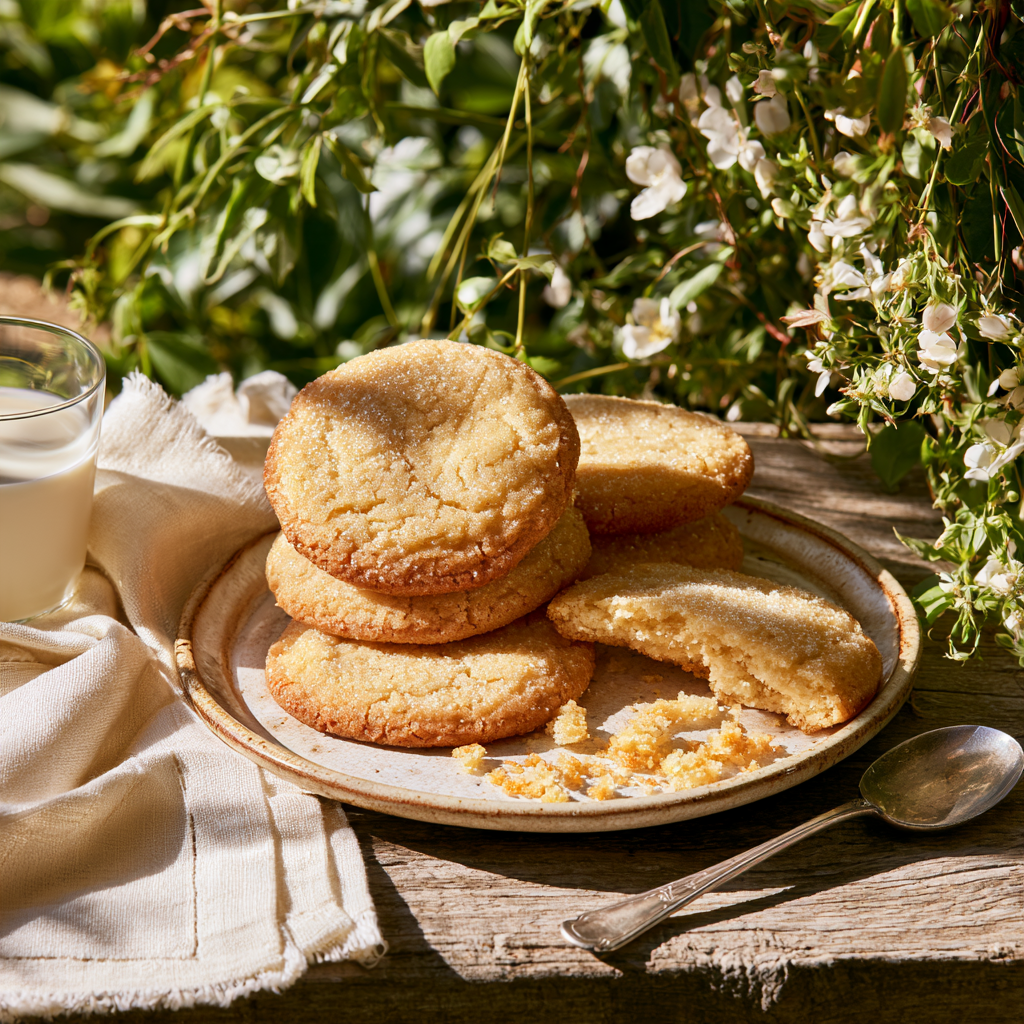
Health Benefits of No Egg Cookies Recipe: Nutritional Value, Egg-Free Baking & Healthier Homemade Alternatives
When you think about a freshly baked batch of No Egg Cookies, the first things that probably come to mind are their beautifully golden edges, soft and chewy centers, delicate buttery flavor, and comforting vanilla aroma. These delicious homemade treats are proof that you don’t need eggs to create satisfying cookies with wonderful flavor and texture. But beyond their irresistible taste, you might also wonder whether cookies without eggs are healthier than traditional cookies and what nutritional advantages an egg-free recipe may offer.
The answer depends largely on the ingredients used. While eliminating eggs doesn’t automatically make cookies lower in calories, sugar, or saturated fat, homemade no egg cookies offer several practical nutritional and dietary advantages. They can provide an enjoyable dessert option for people avoiding eggs, allow greater control over sugar and fat quantities, and be customized with ingredients such as whole wheat flour, oats, nuts, seeds, and dark chocolate. These additions can contribute dietary fiber, minerals, and unsaturated fats while maintaining the comforting qualities of freshly baked cookies.
One of the most appealing aspects of an easy No Egg Cookies Recipe is its flexibility. A classic batch may contain flour, butter, brown sugar, granulated sugar, vanilla extract, baking soda, and a small amount of milk. By changing the proportions or selecting different ingredients, you can create anything from tender vanilla cookies to thick, chewy chocolate chip cookies or delicate shortbread-style treats.
Understanding the nutritional role of each ingredient helps you make informed baking choices without compromising the flavor and texture that make homemade cookies so enjoyable.
1. An Egg-Free Alternative for People Avoiding Eggs
One of the most significant advantages of a No Egg Cookies Recipe is that it provides a dessert option for people who need or prefer to avoid eggs.
Eggs are commonly used in traditional cookie recipes because they contribute moisture, structure, binding properties, and richness. However, not every cookie requires eggs to achieve a delicious texture.
By carefully balancing butter, flour, sugar, and additional moisture, it is possible to prepare tender and flavorful cookies without including eggs.
This is especially useful for families managing egg allergies or specific dietary restrictions. A recipe designed to be egg-free from the beginning may be more straightforward than adapting a traditional cookie recipe that relies heavily on eggs.
However, egg-free does not automatically mean allergy-safe. Anyone preparing cookies for a person with an egg allergy must verify the ingredient labels and take appropriate precautions to prevent allergen cross-contact. Chocolate chips, decorations, packaged baking mixes, shared utensils, and preparation surfaces should all be considered.
It’s also important to distinguish between egg-free and vegan cookies. A traditional no egg cookie recipe may still contain butter and milk, making it unsuitable for someone avoiding all animal-derived ingredients.
With appropriate ingredients and careful preparation, eggless cookies offer a flexible option for enjoying homemade desserts without relying on eggs.
2. Homemade No Egg Cookies Give You More Control Over Added Sugar
Another important advantage of preparing homemade cookies without eggs is the ability to measure and adjust the amount of sugar used.
Traditional cookie recipes often contain both granulated sugar and brown sugar. These ingredients contribute sweetness, browning, moisture retention, and the familiar texture of baked cookies.
Although sugar plays an important role in cookie structure, making cookies at home allows you to experiment with slightly lower quantities.
For example, you may be able to reduce the total sugar by approximately 10–15% while still producing an enjoyable cookie, depending on the formulation.
The finished cookies may become slightly less sweet, spread differently, or develop a different texture, so gradual adjustments are preferable.
You can also use vanilla extract, cinnamon, or a little orange zest to introduce additional flavor without relying entirely on sweetness.
Reducing added sugar can help make occasional desserts fit more comfortably into an eating pattern that emphasizes nutritious foods and moderation.
However, cookies remain a sweet treat, and removing eggs does not itself reduce the sugar content.
The nutritional advantage comes from having the freedom to control the recipe rather than assuming an eggless cookie is inherently healthier.
3. Whole Wheat Flour Can Add Fiber and Whole-Grain Nutrients
Many classic No Egg Cookies Recipes are prepared using all-purpose flour, which creates a soft, tender dough and a familiar bakery-style texture.
However, some of the all-purpose flour can be replaced with whole wheat flour to increase the whole-grain content.
Whole wheat flour contains parts of the grain that are removed during conventional refining, including the bran and germ. As a result, it generally contains more dietary fiber and certain minerals than refined white flour.
Dietary fiber supports normal digestive function and contributes to a balanced eating pattern.
Whole grains also provide nutrients such as magnesium and certain B vitamins, although the exact amounts vary depending on the flour.
For a practical adjustment, try replacing approximately one-quarter of the all-purpose flour with whole wheat pastry flour.
This can add a subtle nutty flavor while maintaining much of the tender texture associated with traditional cookies.
If you prefer a stronger whole-grain flavor, experiment with a larger proportion, remembering that whole wheat flour absorbs moisture differently and may produce denser cookies.
For another simple egg-free baking idea, explore our 3 Ingredient Sugar Cookie Recipe, which demonstrates how basic ingredients can produce delicious buttery cookies. That recipe also provides a useful foundation for understanding the importance of flour, sugar, and fat in simple cookie dough.
4. Oats Can Provide Additional Dietary Fiber
Adding oats is another way to make certain eggless cookie recipes more nutritionally varied.
Oats contain carbohydrates, some protein, and dietary fiber, including beta-glucan, a type of soluble fiber associated with cholesterol-lowering effects when consumed in sufficient quantities as part of an appropriate diet.
However, adding a small amount of oats to cookies does not guarantee a meaningful cholesterol benefit. The quantity matters, and a cookie containing butter and sugar should not be viewed as a treatment for cholesterol problems.
Rolled oats can contribute a pleasantly chewy texture that pairs particularly well with vanilla, cinnamon, raisins, and chocolate chips.
They can also make cookies feel more substantial by introducing additional texture and grain content.
If adapting a traditional no egg cookie recipe, avoid replacing large quantities of flour with oats without adjusting the other ingredients.
Oats absorb moisture differently from wheat flour, and excessive substitutions may cause the cookies to become dry or crumbly.
A modest quantity of oats can be a flavorful addition, but the most reliable results come from using a recipe specifically developed for oatmeal cookies.
For people who need to avoid gluten, certified gluten-free oats are important because ordinary oats may experience cross-contact with wheat, barley, or rye during processing.
5. Nuts Can Contribute Unsaturated Fats, Minerals, and Protein
If you enjoy cookies with additional texture and flavor, chopped nuts can be a delicious ingredient in homemade no egg cookies.
Pecans, walnuts, and almonds contain unsaturated fats, some protein, dietary fiber, and various minerals.
Walnuts are particularly notable for containing alpha-linolenic acid (ALA), a plant-based omega-3 fatty acid. Almonds provide vitamin E and magnesium, while pecans contain unsaturated fats and naturally occurring plant compounds.
These nutrients contribute to the overall nutritional value of the ingredients.
However, nuts are also relatively calorie-dense, so adding large quantities can significantly increase the energy content of the finished cookies.
A modest amount of chopped nuts can provide texture, flavor, and additional nutrients without overwhelming the dough.
For a delicious example, our Pecan Sandie Cookie Recipe combines toasted pecans with a buttery, egg-free cookie dough to create a delicate, nutty treat.
The toasted pecans provide a satisfying contrast to the soft, crumbly cookie base.
If preparing cookies for guests, remember that tree nuts are common food allergens. Always communicate clearly when cookies contain nuts and avoid allergen cross-contact when necessary.
6. Dark Chocolate Can Add Flavor and Cocoa Compounds
Chocolate is one of the most popular additions to soft and chewy no egg cookies, and it’s easy to understand why.
A handful of chocolate chips can turn a simple vanilla cookie into a rich, comforting dessert with pockets of melted chocolate in every bite.
Dark chocolate contains cocoa solids, which naturally provide compounds called flavanols.
These compounds have been studied for their potential effects on vascular function and other aspects of health.
However, the amount of flavanols varies considerably depending on the chocolate’s cocoa content and processing methods, and eating chocolate chip cookies should not be considered a reliable way to obtain a medical benefit.
Dark chocolate may also provide small amounts of minerals such as iron and magnesium, depending on the quantity used.
For a more balanced chocolate cookie, consider choosing a chocolate with a higher percentage of cocoa and adjusting the added sugar in the dough if appropriate.
A small amount of good-quality chocolate can provide plenty of flavor without requiring excessive quantities.
If you love experimenting with chocolate-based desserts, our Chocolate Chip Cookie Dough offers another chocolate-forward treat. Remember that ordinary no egg cookie dough containing untreated raw flour should still be baked before eating; egg-free dough is not automatically safe to consume raw.
7. Eggless Cookies Can Be Adapted for Plant-Based Diets
Another useful feature of a No Egg Cookies Recipe is its potential adaptability.
Because the recipe already omits eggs, converting it to a fully plant-based preparation may be easier than adapting a cookie recipe that relies heavily on eggs for structure.
Depending on the formulation, butter can sometimes be replaced with a suitable plant-based baking fat, while dairy milk may be replaced with unsweetened soy milk, oat milk, or another appropriate alternative.
These substitutions can make a recipe suitable for vegan diets when all ingredients are plant-derived.
However, different plant-based fats have different nutritional profiles.
Some dairy-free baking products contain substantial saturated fat, particularly when made with coconut or palm-based fats. Others rely more heavily on unsaturated oils.
Therefore, replacing butter with a plant-based alternative does not automatically make the cookies healthier.
The ingredient list and nutritional composition should still be considered carefully.
For the most reliable texture, choose a plant-based butter specifically designed for baking and avoid assuming that liquid oil will behave identically to softened butter in every cookie recipe.
8. Smaller Homemade Cookies Can Support Portion Control
One practical advantage of baking no egg cookies at home is the ability to choose how large each cookie will be.
Bakery-style cookies can be considerably larger than traditional homemade cookies, sometimes containing multiple servings in a single piece.
When preparing your own dough, you can divide it into smaller, evenly measured portions.
Using a cookie scoop or kitchen scale makes portioning easier and helps the cookies bake more consistently.
For example, shaping smaller cookies rather than oversized bakery-style portions allows you to enjoy the familiar buttery flavor in a more modest serving.
However, making cookies smaller does not change the total calories or sugar in the complete batch.
The advantage comes from helping you manage how much you choose to eat at one time.
Serving cookies with fresh fruit or enjoying them as an occasional dessert after a balanced meal can also provide a more varied eating experience.
The goal isn’t to make a cookie artificially restrictive but to enjoy a satisfying homemade treat in a portion that suits your needs.
9. Homemade Baking Makes Ingredient Transparency Easier
When you prepare easy cookies without eggs from scratch, you know which ingredients are going into the dough.
You can choose the flour, butter, sugar, vanilla extract, chocolate, and optional additions according to your taste and dietary needs.
This is particularly valuable for people managing allergies or avoiding specific ingredients.
You can also select unsalted butter to control the amount of salt added, choose chocolate chips with a preferred cocoa content, and adjust the sweetness.
Homemade cookies may contain fewer ingredients than some packaged alternatives, but a shorter ingredient list does not automatically guarantee superior nutritional quality.
Butter, sugar, and refined flour are still ingredients that should be considered in the context of the overall diet.
The real benefit of homemade baking is greater transparency and flexibility.
You can see what you’re using, measure the quantities, and make adjustments based on your preferences.
10. Baking Without Eggs Encourages Greater Flexibility in the Kitchen
An additional practical benefit of No Egg Cookies is the opportunity to prepare a dessert even when eggs are unavailable.
Rather than requiring a special grocery trip, an egg-free recipe may rely on familiar ingredients already stored in your pantry or refrigerator.
This makes it particularly convenient for spontaneous baking, busy families, or occasions when you need a simple homemade dessert.
Eggless recipes also help home bakers understand how ingredients such as flour, butter, sugar, and milk contribute to cookie texture.
Learning these techniques can make it easier to adjust recipes thoughtfully and reduce unnecessary food waste when certain ingredients are unavailable.
Although this is primarily a convenience benefit rather than a direct physiological health benefit, it contributes to the practical appeal of homemade egg-free baking.
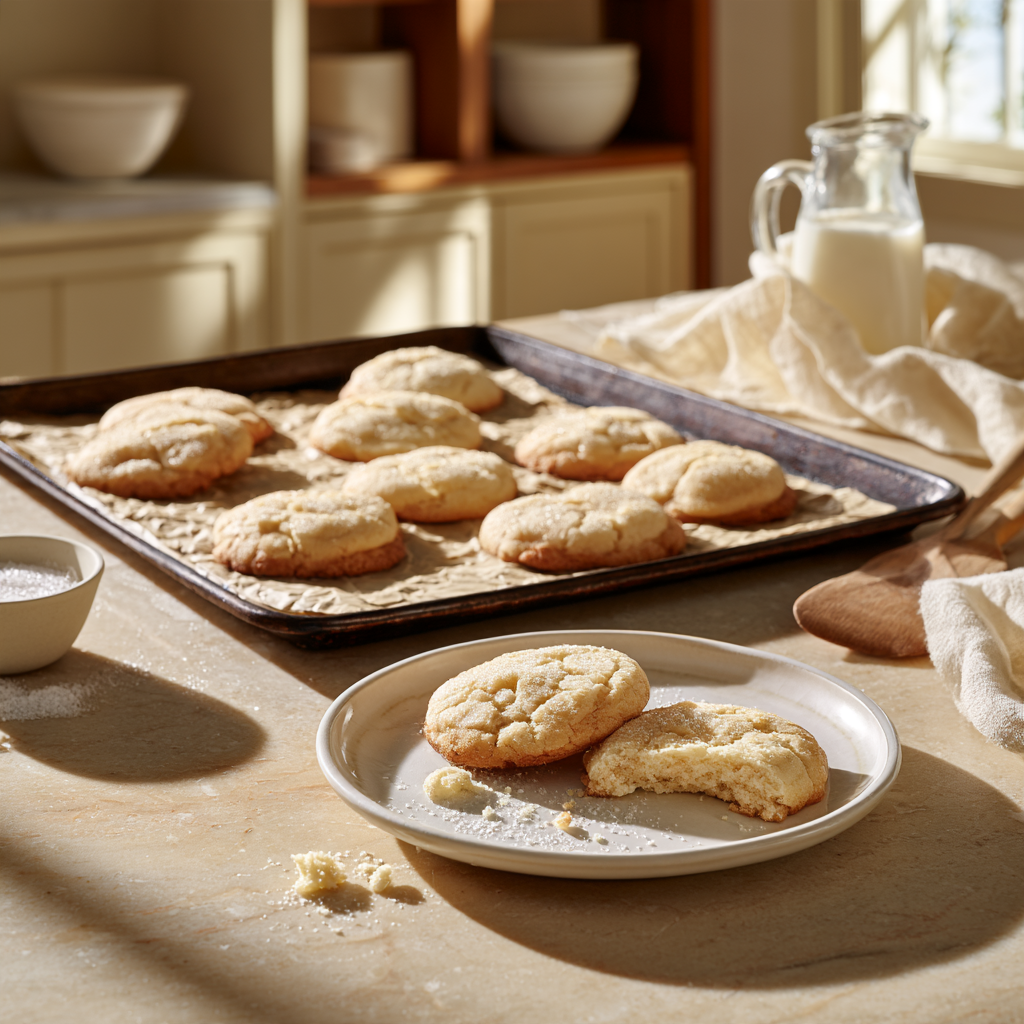
Health Benefits of No Egg Cookies: Nutritional Breakdown
The following table explains how common ingredients in no egg cookies contribute to the finished recipe and identifies practical considerations for making more informed ingredient choices.
| Ingredient | Nutritional Contribution | Potential Benefit | Important Consideration |
|---|---|---|---|
| All-purpose flour | Carbohydrates, small amounts of protein; B vitamins and iron when enriched | Supplies energy and structure to cookies | Usually lower in fiber than whole wheat flour |
| Whole wheat flour | Carbohydrates, fiber, magnesium, B vitamins | Adds whole-grain nutrients and fiber | Can produce denser cookies |
| Unsalted butter | Fat, small amounts of vitamin A | Provides richness, tenderness, and flavor | Contains substantial saturated fat |
| Granulated sugar | Carbohydrates | Provides sweetness and contributes to texture and browning | Adds calories without substantial essential nutrients |
| Brown sugar | Carbohydrates, small amounts of molasses | Contributes moisture and a chewy texture | Remains an added sugar |
| Milk | Protein, calcium, vitamin B12; vitamin D when fortified | Contributes some nutrients and helps hydrate dough | Small quantities may provide little nutritional benefit |
| Rolled oats | Fiber, carbohydrates, protein, magnesium | Adds whole-grain nutrients and texture | Benefits depend on quantity used |
| Pecans or walnuts | Unsaturated fats, fiber, some protein and minerals | Adds nutritional variety and satisfying texture | Calorie-dense; tree nut allergen |
| Almonds | Unsaturated fats, vitamin E, magnesium | Contributes useful nutrients | Contains common allergens |
| Dark chocolate | Cocoa compounds, some minerals | Adds flavor and small amounts of cocoa-derived nutrients | Can contain substantial fat and sugar |
| Vanilla extract | Aromatic flavor compounds | Adds flavor without requiring much additional sugar | Ordinary amounts offer negligible nutritional value |
| Cinnamon | Aromatic plant compounds | Adds warm flavor with minimal calories | Culinary quantities are not proven treatments for health conditions |
Important: The nutritional contributions described above depend on the ingredients actually included in the recipe. Optional additions such as oats, nuts, whole wheat flour, and dark chocolate are not present in every no egg cookie recipe, and the finished cookies should not be assumed to provide meaningful amounts of each listed nutrient.
Are No Egg Cookies Healthier Than Regular Cookies?
One of the most common questions about homemade no egg cookies is whether removing eggs makes them healthier than traditional cookies.
The answer is: not necessarily.
Eggs provide protein, choline, vitamin B12, and other nutrients. Removing them may reduce some of those nutrients unless other ingredients compensate.
Eggless cookie recipes may also contain similar quantities of butter, sugar, flour, and chocolate to traditional versions.
As a result, a cookie made without eggs can contain just as many calories and just as much added sugar or saturated fat as a cookie containing eggs.
For people with an egg allergy, avoiding eggs is a necessary dietary consideration rather than a general nutritional advantage.
For people who can eat eggs safely, choosing an eggless cookie is mainly a matter of personal preference, convenience, or desired texture.
The table below highlights the main differences.
| Nutritional Factor | Traditional Cookies With Eggs | No Egg Cookies |
|---|---|---|
| Eggs | Included in the recipe | Not included |
| Suitable for egg avoidance | No, unless specially modified | Potentially, with verified ingredients and allergen precautions |
| Protein | Eggs contribute some protein | Depends on flour, milk, nuts, and other ingredients |
| Cholesterol | Eggs and butter may contribute cholesterol | May contain less, but butter or dairy can still contribute cholesterol |
| Calories | Depend on full ingredient quantities | Not automatically lower |
| Added sugar | Depends on the recipe | Not automatically lower |
| Saturated fat | Often comes from butter and chocolate | Can remain similarly high |
| Fiber | Usually limited in refined-flour recipes | Can be increased with whole grains or oats |
| Vegan-friendly | Usually not | Only when all remaining ingredients are plant-based |
| Texture | Eggs influence structure and moisture | Can be soft, chewy, crisp, or crumbly depending on formulation |
The most useful conclusion is that the healthfulness of cookies depends on the complete recipe and serving size, not simply on whether eggs are present.
How to Make No Egg Cookies Healthier Without Sacrificing Flavor
If you enjoy soft and chewy eggless cookies but would like to make the recipe more nutritionally balanced, a few thoughtful changes can help.
1. Reduce Added Sugar Gradually
Try reducing the total sugar by approximately 10–15% as an initial experiment.
Because sugar affects both flavor and cookie structure, avoid making dramatic changes without testing the results.
A slightly less sweet cookie can still taste delicious when flavored with vanilla, cinnamon, or quality chocolate.
2. Replace Some White Flour With Whole Wheat Flour
Substituting approximately 25% of the all-purpose flour with whole wheat pastry flour can increase the whole-grain content.
This adjustment may introduce a subtle nutty flavor while preserving a reasonably tender texture.
If the dough becomes too dry, small moisture adjustments may be necessary.
3. Include Oats for a Heartier Cookie
Adding rolled oats can introduce additional texture and fiber.
For the best results, use a cookie recipe formulated to include oats rather than replacing all the flour without adjusting the other ingredients.
Oats pair beautifully with brown sugar, cinnamon, raisins, and chocolate chips.
4. Add a Modest Quantity of Chopped Nuts
Walnuts, pecans, and almonds provide unsaturated fats and other nutrients.
A modest amount can enhance the flavor and create a pleasant contrast between tender cookie dough and crunchy nut pieces.
Remember that nuts increase the calorie content and introduce an allergen.
5. Choose Chocolate Thoughtfully
If making no egg chocolate chip cookies, select chocolate according to your preferred cocoa content and sweetness.
Dark chocolate can provide a stronger cocoa flavor, meaning you may find a smaller amount satisfying.
However, dark chocolate still contributes calories and may contain significant sugar and saturated fat.
6. Consider the Type and Quantity of Baking Fat
Butter creates the rich flavor and tender texture associated with homemade cookies, but it is also relatively high in saturated fat.
Some recipes can be adapted to use part unsaturated plant oil, although this will change the cookie’s structure and spreading behavior.
A tested recipe is preferable to replacing all the butter with oil without adjusting the other ingredients.
7. Bake Smaller, Evenly Sized Cookies
Use a cookie scoop or kitchen scale to divide the dough into equal portions.
Smaller cookies may help with portion management while ensuring more consistent baking.
Monitor the baking time carefully because smaller cookies generally bake faster than oversized ones.
8. Keep the Recipe Simple
A delicious homemade cookie doesn’t need excessive frosting, candy, caramel, or multiple sweet toppings.
A well-balanced combination of butter, vanilla, flour, and sugar can create a satisfying treat on its own.
You can emphasize flavor with warm spices, a little citrus zest, or a small amount of quality chocolate.
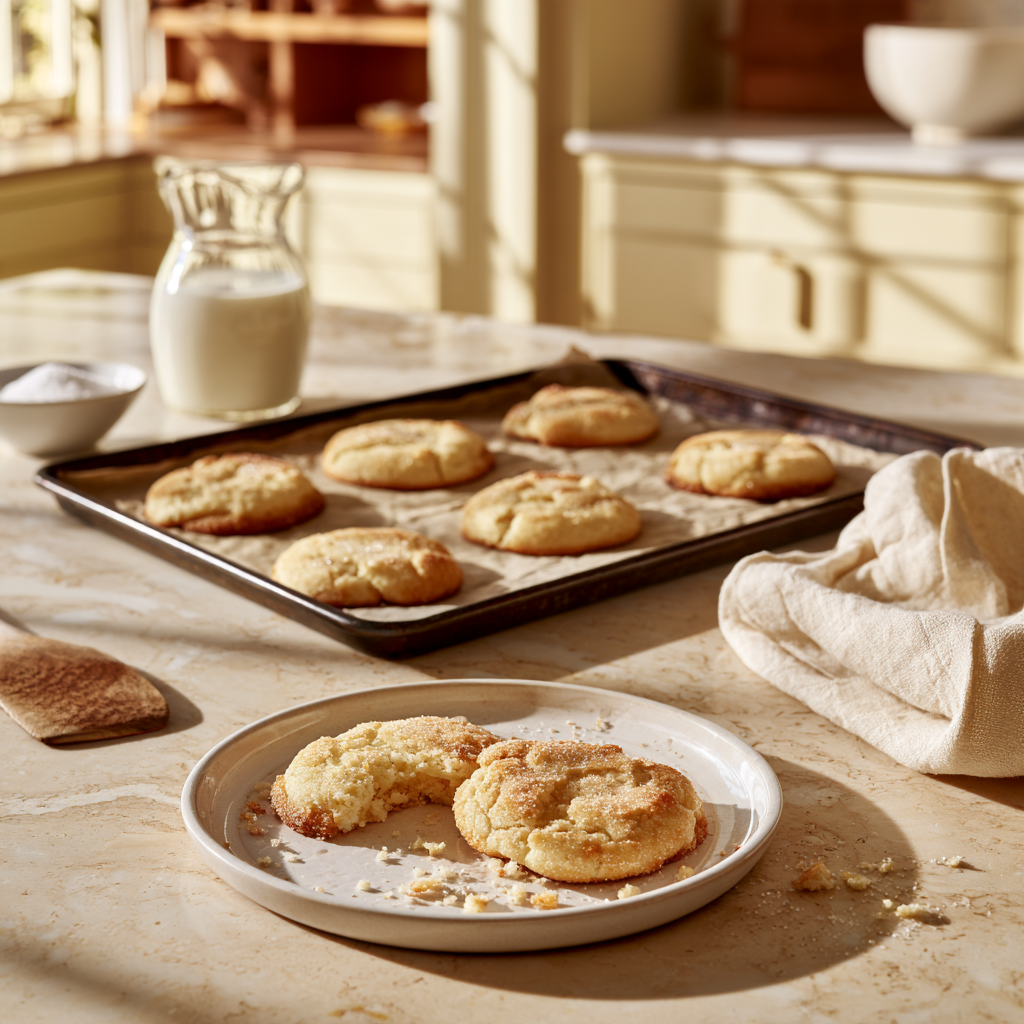
Can No Egg Cookies Be Part of a Balanced Diet?
Absolutely. Homemade no egg cookies can be enjoyed as an occasional treat within a balanced eating pattern.
Although cookies generally contain added sugar and fat, enjoying them in reasonable portions does not automatically conflict with a nutritious diet.
The important considerations are the overall quality of the ingredients, the serving size, and how frequently sweet treats are consumed.
A homemade cookie prepared with familiar ingredients may be enjoyable as a dessert after a balanced meal or as an occasional afternoon treat.
However, egg-free cookies should not be viewed as nutritionally equivalent to whole grains, fruit, vegetables, legumes, or other foods that provide substantial essential nutrients.
For someone who needs to avoid eggs, a properly prepared eggless cookie can offer a practical dessert alternative.
For everyone else, the main advantages are convenience, variety, and the opportunity to customize the recipe.
Are No Egg Cookies Safe to Eat Raw?
This is an especially important point for anyone preparing No Egg Cookies Recipe.
Because the dough contains no eggs, some people assume it must be safe to taste before baking.
However, ordinary eggless cookie dough is not automatically safe to eat raw.
Most conventional wheat flour is a raw agricultural ingredient and may contain harmful bacteria, including certain strains of E. coli or Salmonella.
Removing eggs does not eliminate the potential risk associated with untreated raw flour.
For this reason, no egg cookie dough made with conventional raw flour should be baked according to the recipe instructions before eating.
If you specifically want edible cookie dough, use a formulation designed for consumption without baking, made with commercially heat-treated flour or another appropriately safe ingredient.
This distinction is particularly important when baking with children, who may be tempted to taste the dough while mixing.
Final Thoughts: Enjoying No Egg Cookies as a Homemade Treat
The beauty of No Egg Cookies Recipe lies in its simplicity, flexibility, and delicious homemade flavor. These cookies demonstrate that eggs are not essential for creating a satisfying dessert with tender centers, lightly golden edges, and a rich buttery aroma.
From a nutritional perspective, their greatest advantages are the ability to accommodate egg-free dietary needs and the freedom to customize ingredients according to personal preferences.
Whole wheat flour can contribute additional fiber, oats can add whole-grain nutrients, and carefully measured nuts can introduce unsaturated fats and minerals. Homemade preparation also allows you to control the quantity of added sugar, choose your preferred chocolate, and create appropriately sized portions.
At the same time, it’s important to remember that eggless cookies are still cookies. They may contain substantial sugar, saturated fat, and calories, and removing eggs does not automatically make them healthier than traditional versions.
The most enjoyable approach is to focus on quality ingredients, thoughtful preparation, and sensible portions while appreciating them for what they are: a comforting homemade treat.
Whether you’re preparing buttery vanilla cookies, soft eggless chocolate chip cookies, or a batch of nutty shortbread-style biscuits, these delicious treats can provide a wonderful opportunity to enjoy homemade baking while making informed ingredient choices.
With a little creativity and the right balance of ingredients, no egg cookies can be both wonderfully delicious and easy to adapt to your lifestyle, one golden, buttery bite at a time.
Frequently Asked Questions About No Egg Cookies
Wondering how to make soft, chewy, and delicious No Egg Cookies without sacrificing flavor or texture? Whether you’re baking without eggs because of an allergy, a dietary preference, or an empty refrigerator, these practical answers cover egg substitutes, cookie texture, baking tips, storage, and easy variations.
1. Can you really make cookies without eggs?
Yes! You can make delicious cookies without eggs. Although eggs help bind ingredients and contribute moisture and structure to many traditional cookie recipes, they aren’t essential in every cookie dough. Properly balanced butter, sugar, flour, and liquid can produce cookies with tender centers and lightly golden edges. Some recipes use milk, yogurt, applesauce, or other substitutes, while others are specifically developed without any egg replacement at all.
2. What is the best egg substitute for cookies?
The best egg substitute depends on the type of cookie you’re making. Unsweetened applesauce can add moisture, while a flaxseed mixture may help bind ingredients. Mashed banana adds moisture and sweetness but also changes the flavor. Commercial egg replacers are another option when used according to their package instructions. For cookies specifically formulated without eggs, it’s usually better to follow the original recipe instead of adding a substitute that could change the texture or cause excessive spreading.
3. How do no egg cookies hold together without eggs?
Eggless cookies hold together through the combination of flour, fat, sugar, and moisture. Flour provides structure, while butter helps create tenderness and flavor. A suitable amount of liquid brings the ingredients together into a workable dough. During baking, starches set and the cookies develop their final structure. The ingredient ratios are especially important because removing eggs from a conventional recipe without adjusting anything else may produce dry, crumbly, or fragile cookies.
4. How do you make no egg cookies soft and chewy?
For soft and chewy No Egg Cookies, measure the flour accurately, use the correct amount of fat, and avoid overmixing the dough. Brown sugar can contribute moisture and a pleasantly chewy texture when included in a suitable recipe. Bake until the edges are set while the centers remain slightly soft, then allow the cookies to finish setting on the baking sheet. Overbaking is one of the most common reasons eggless cookies become dry, hard, or overly crisp.
5. Why are my eggless cookies dry or crumbly?
Dry or crumbly eggless cookies often result from adding too much flour, using insufficient moisture, or baking longer than necessary. Because eggs normally contribute moisture and binding properties, the balance of ingredients is especially important in recipes without them. Weigh the flour when possible and avoid packing it into measuring cups. If the unbaked dough is too dry, follow your recipe’s instructions for adjusting moisture, usually by adding a very small amount of milk or an appropriate alternative.
6. Why do my no egg cookies spread too much while baking?
Excessive spreading can happen when the butter is too warm, the dough contains too little flour, or the baking sheet is already hot. Incorrect sugar-to-fat ratios can also contribute. For recipes that call for chilling, refrigerate the dough before baking to help the butter firm up. Use cool, parchment-lined baking sheets and measure the ingredients accurately. Avoid adding extra liquid unless the recipe requires it.
7. Can I make no egg cookies without milk?
Yes. Some eggless cookie recipes don’t require milk at all, while others use a small amount to help bind the dough. If milk is included, you may be able to substitute an unsweetened plant-based beverage, such as soy, oat, or almond milk, depending on the recipe. The finished texture may vary slightly. For a simple alternative made without eggs or milk, explore our 3 Ingredient Sugar Cookie Recipe , made with butter, sugar, and flour.
8. Are no egg cookies automatically vegan?
No. Egg-free and vegan aren’t the same thing. A cookie may contain no eggs but still include dairy butter, cow’s milk, or milk chocolate. To make vegan cookies, choose a recipe that also excludes dairy and other animal-derived ingredients. Plant-based baking butter, suitable plant milk, and dairy-free chocolate chips may work in an appropriately formulated recipe. Always check ingredient labels, particularly when baking for someone with allergies.
9. What temperature should no egg cookies be baked at?
Many homemade eggless cookie recipes bake at approximately 350°F (175°C), but the correct temperature depends on the dough and desired texture. Small drop cookies often bake in roughly 9–12 minutes, while larger or thicker cookies may need more time. Always follow your specific recipe’s baking instructions. Look for set edges, an appropriate surface texture, and no visibly raw batter. Cookies generally continue firming as they cool.
10. Can I add chocolate chips to no egg cookies?
Absolutely! Chocolate chips are one of the easiest ways to customize eggless cookies. Semi-sweet, dark, or mini chocolate chips can add rich flavor without requiring major changes to a compatible dough. Fold them in at the end of mixing to distribute them evenly. For even more chocolate flavor, add a small amount of cocoa powder using a tested variation. If you love chocolate desserts, our Chocolate Chip Cookie Dough is another egg-free treat specifically designed for enjoying without baking.
11. Can you eat no egg cookie dough without baking it?
No. Removing eggs doesn’t automatically make raw cookie dough safe to eat. Ordinary uncooked flour can contain harmful bacteria, including certain strains of E. coli. Cookie dough made with standard flour should be thoroughly baked before eating. If you want a no-bake treat, prepare edible cookie dough using ingredients specifically suitable for uncooked consumption, including commercially processed ready-to-eat flour. Never assume that egg-free dough is safe to eat raw.
12. Can I make no egg cookies without butter?
Yes. Eggless cookies can be made using certain plant-based butters, oils, or other fats, but the ingredient ratios may need adjustment. Butter contains both fat and water, while most cooking oils are almost entirely fat. Replacing butter with oil in equal quantities can change spreading, flavor, and texture. For reliable results, choose a cookie recipe specifically developed for the fat you plan to use. If you enjoy classic butter cookies, our Unsalted Butter for Sugar Cookies explains how butter affects cookie texture and flavor. That particular sugar cookie recipe does contain eggs.
13. Can no egg cookies be made gluten-free?
Yes, but egg-free doesn’t automatically mean gluten-free. Traditional flour-based cookies generally contain wheat, which is a source of gluten. For a gluten-free variation, choose a suitable gluten-free baking flour blend designed for cookies. Some blends include binding ingredients that help replace the structure normally provided by gluten. Since the recipe also contains no eggs, achieving the right binding and moisture balance is especially important. A tested gluten-free, egg-free formulation is the most dependable option.
14. How long do homemade no egg cookies stay fresh?
Plain, fully baked no egg cookies can generally stay fresh for approximately 4–5 days when stored in an airtight container at room temperature in a cool, dry kitchen. Let them cool completely before storing to prevent trapped moisture from softening their texture. Cookies with perishable fillings or frostings may require refrigeration. Keep soft and crisp varieties in separate containers when possible, and discard any cookies showing signs of spoilage.
15. Can I freeze eggless cookie dough or baked cookies?
Yes! Many eggless cookie doughs freeze well. Portion the dough into individual balls, arrange them on a lined tray, and freeze until firm. Transfer to an airtight freezer-safe container or bag and use within approximately 2–3 months for best quality. Some recipes allow baking directly from frozen with a slightly longer baking time. Fully baked, completely cooled cookies can also be frozen in tightly sealed containers. Follow the recipe’s instructions for thawing and baking.