


If you’re looking for the ultimate fall dessert that’s incredibly soft, deliciously moist, and bursting with warm autumn spices, this Pumpkin Bar Recipe is exactly what you need! Made with real pumpkin purée, fragrant cinnamon, cozy pumpkin pie spices, and topped with a rich, creamy cream cheese frosting, these homemade pumpkin bars deliver everything you love about pumpkin cake in an easy-to-make, perfectly shareable treat.
The beauty of this easy pumpkin bar recipe is its wonderfully tender texture and irresistible combination of flavors. Each bite brings together the natural sweetness of pumpkin, the comforting warmth of cinnamon and nutmeg, and the smooth tanginess of homemade cream cheese frosting. Unlike dense pumpkin bread or traditional pumpkin pie, these soft pumpkin bars have a light, cake-like consistency that practically melts in your mouth, making them a favorite for both casual family desserts and special autumn celebrations.


Pumpkin Bar Recipe
Equipment
- 10 × 15-inch (25 × 38 cm) rimmed baking pan, approximately 1 inch deep
- Large mixing bowl
- Medium mixing bowl
- Electric hand mixer or stand mixer
- Balloon whisk
- Rubber spatula
- Measuring cups and spoons
- Digital kitchen scale
- Fine-mesh sieve (optional)
- Parchment paper
- Nonstick baking spray or a little oil for greasing
- Offset spatula
- Wire cooling rack
- Sharp knife
- Airtight storage container
Ingredients
- For the Pumpkin Bars
- 4 large eggs room temperature
- 1 2/3 cups 335 g granulated sugar
- 1 cup 240 ml vegetable oil or another neutral-flavored oil
- 1 can 15 oz / 425 g pure pumpkin purée, unsweetened
- 1 teaspoon 5 ml alcohol-free vanilla flavoring
- 2 cups 250 g all-purpose flour, spooned and leveled
- 2 teaspoons baking powder
- 1 teaspoon baking soda
- 2 teaspoons ground cinnamon
- 1 teaspoon pumpkin pie spice
- 1/2 teaspoon fine salt
- For the Cream Cheese Frosting
- 8 oz 226 g full-fat cream cheese, softened
- 1/2 cup 113 g unsalted butter, softened
- 2 cups 240 g powdered sugar, sifted
- 1 teaspoon 5 ml alcohol-free vanilla flavoring
- 1 pinch fine salt
- Optional Toppings
- 2 tablespoons chopped toasted pecans
- 1/4 teaspoon ground cinnamon for dusting
- 2 tablespoons chopped walnuts optional
- 1 tablespoon pumpkin seeds optional
Instructions
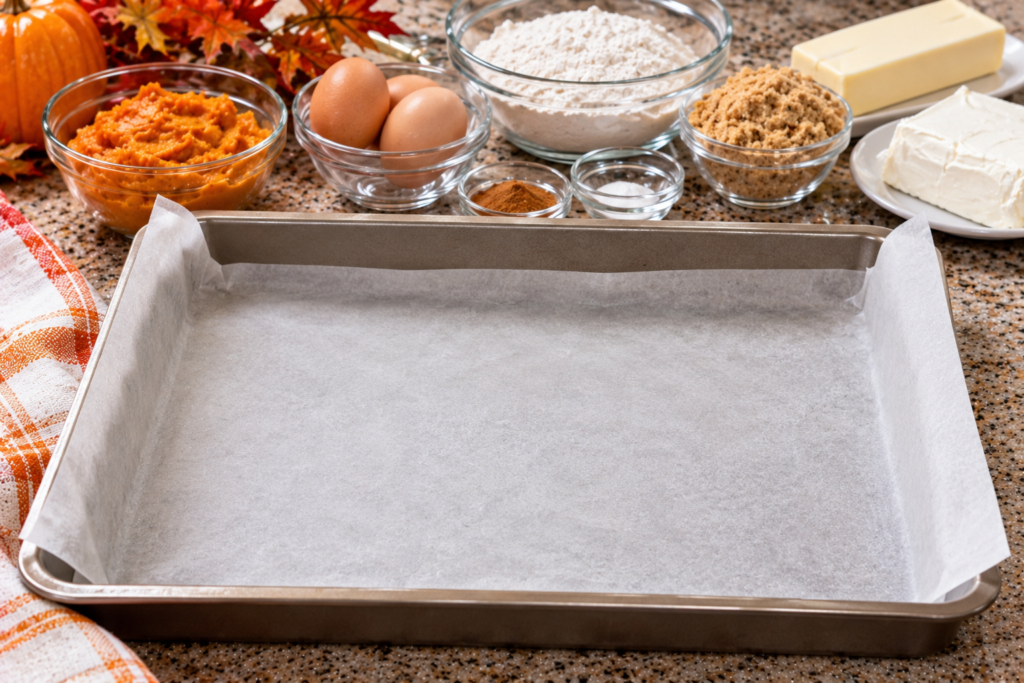
- Step 1: Preheat the Oven and Prepare the Baking Pan. Preheat your oven to 350°F (175°C) and position the oven rack in the center so the pumpkin bars bake evenly. Lightly grease a 10 × 15-inch (25 × 38 cm) rimmed baking pan, approximately 1 inch deep, with nonstick baking spray or a small amount of neutral oil. For easier removal and cleaner slicing, line the pan with parchment paper, leaving a slight overhang along the longer sides to create convenient handles. Make sure the parchment lies flat against the bottom and corners of the pan so the batter spreads evenly. Gather all your ingredients and bring the eggs to room temperature before beginning. Allow the cream cheese and butter for the frosting to soften separately while preparing the cake. Properly preparing the baking pan helps prevent sticking and makes it easier to lift, frost, and slice the finished pumpkin bars without breaking their delicate, moist crumb.

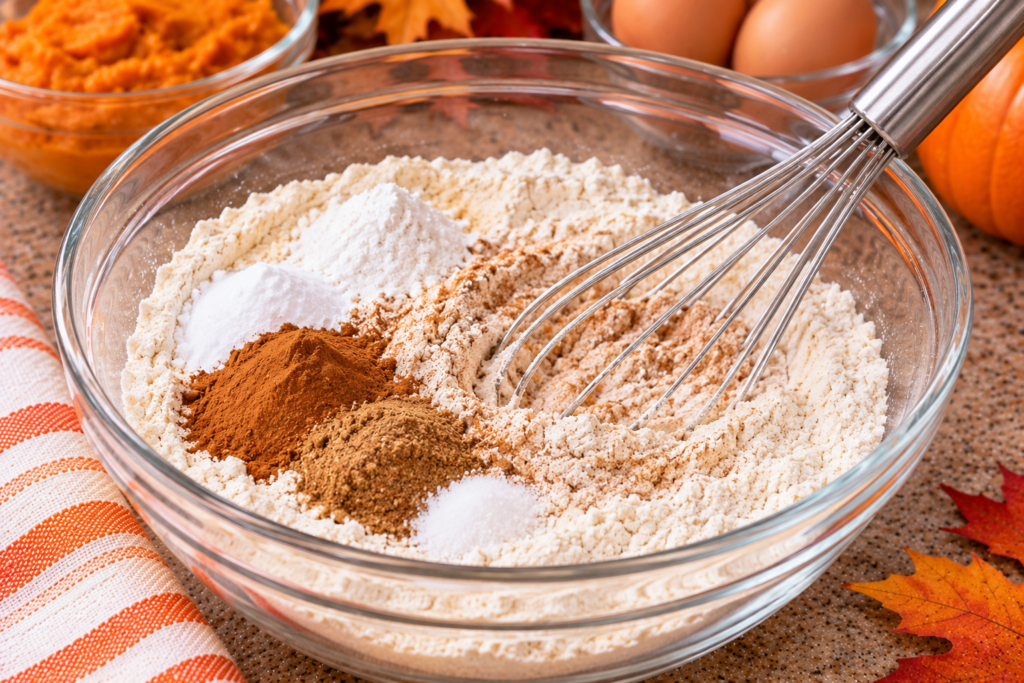
- Step 2: Combine the Dry Ingredients and Warm Pumpkin Spices. In a medium mixing bowl, add 2 cups (250 g) all-purpose flour, 2 teaspoons baking powder, 1 teaspoon baking soda, 2 teaspoons ground cinnamon, 1 teaspoon pumpkin pie spice, and 1/2 teaspoon fine salt. Use a balloon whisk to combine everything thoroughly for approximately 30–60 seconds, making sure the baking powder, baking soda, and warming spices are evenly distributed throughout the flour. If the dry ingredients contain noticeable lumps, sift them through a fine-mesh sieve before mixing. The cinnamon and pumpkin pie spice provide the characteristic combination of warm, cozy fall flavors, while the baking powder and baking soda help the bars rise into a soft, tender cake-like texture. Set the dry ingredient mixture aside while preparing the pumpkin batter. Mixing these ingredients separately helps distribute the leavening agents evenly and prevents concentrated pockets of spice or baking soda in the finished bars.
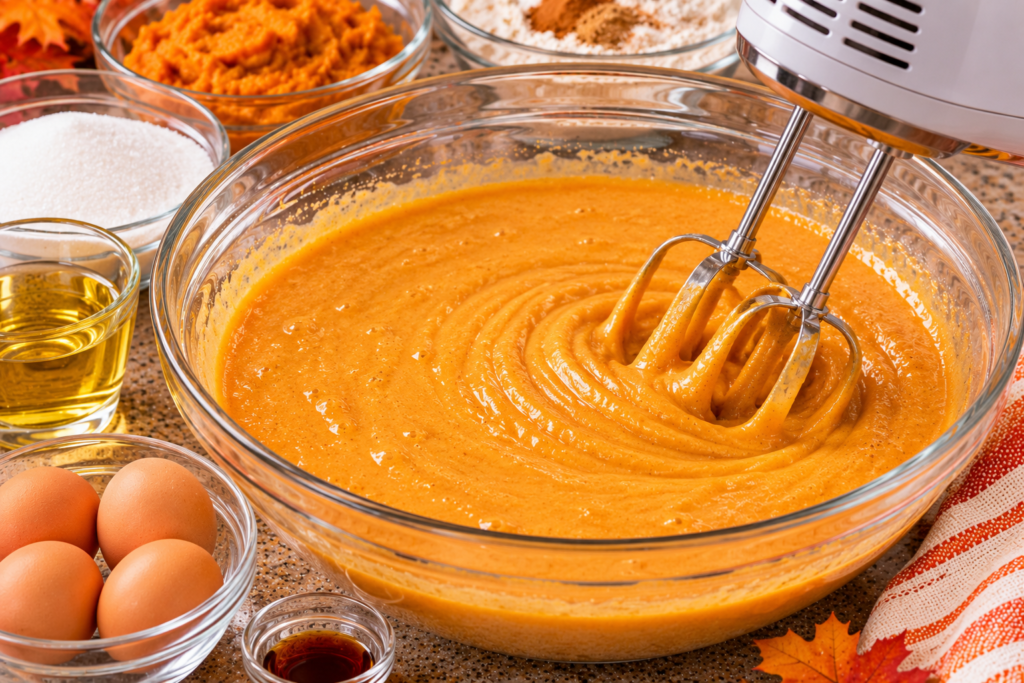
- Step 3: Beat the Eggs, Sugar, Oil, and Pumpkin Purée. In a large mixing bowl, crack 4 large room-temperature eggs and add 1 2/3 cups (335 g) granulated sugar. Using an electric hand mixer on medium speed, beat the mixture for approximately 2 minutes until it becomes slightly lighter in color, smooth, and well blended. Gradually pour in 1 cup (240 ml) neutral-flavored vegetable oil while continuing to mix on low speed until the oil is fully incorporated. Add the entire 15-ounce (425 g) can of pure, unsweetened pumpkin purée along with 1 teaspoon alcohol-free vanilla flavoring, then continue mixing for approximately 1 minute until the batter becomes smooth, creamy, and uniformly orange. Scrape down the sides and bottom of the bowl with a rubber spatula to ensure all ingredients are combined. The pumpkin purée provides natural moisture and rich pumpkin flavor, while the oil helps create the soft, tender consistency that makes homemade pumpkin bars so delicious.
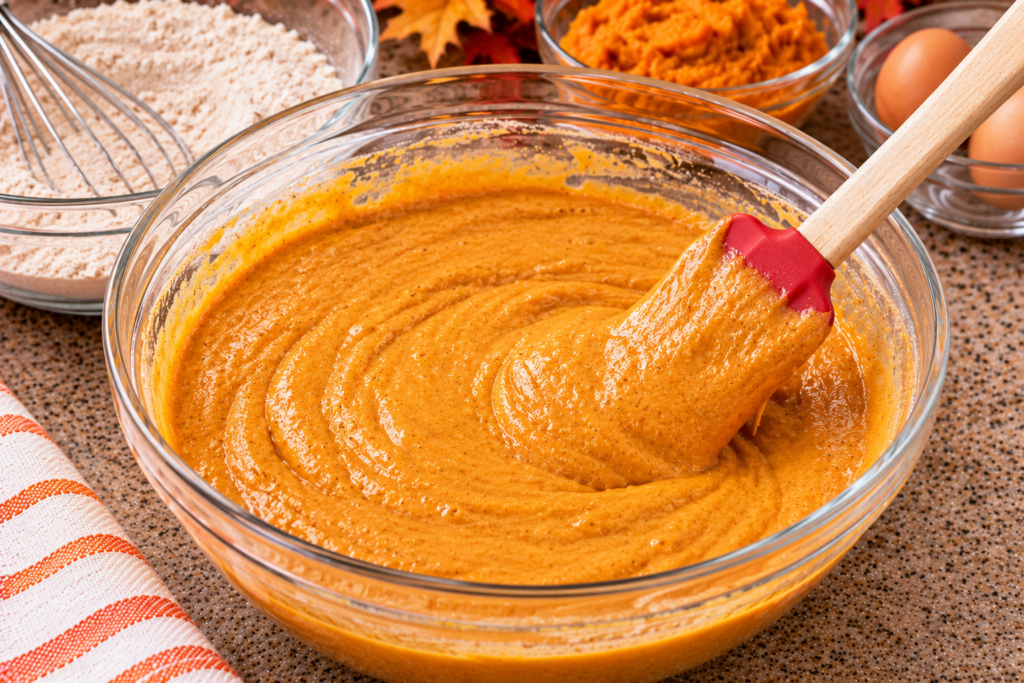
- Step 4: Gently Combine the Wet and Dry Ingredients. Add approximately half of the prepared dry ingredient mixture to the pumpkin batter, then gently stir using a rubber spatula or an electric mixer on the lowest speed until the flour is partially incorporated. Add the remaining dry ingredients and continue mixing just until no visible streaks of dry flour remain. Scrape the bottom and sides of the bowl to make sure the batter is evenly combined, but avoid vigorous beating or prolonged mixing because overworking the flour can develop too much gluten and produce dense, tough pumpkin bars. The finished batter should be relatively smooth, thick but pourable, and evenly orange with tiny flecks of cinnamon and pumpkin pie spice. If you notice small flour pockets, fold them in gently with the spatula rather than increasing the mixer speed. Proper mixing helps maintain the wonderfully soft, moist, cake-like crumb that distinguishes these classic pumpkin bars from denser pumpkin bread.
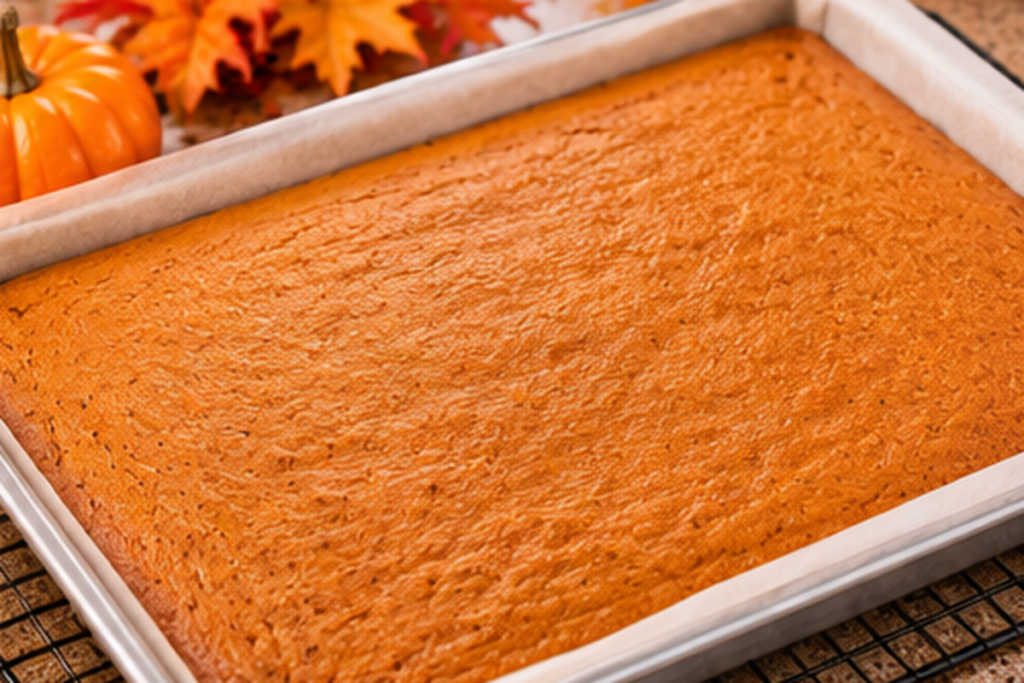
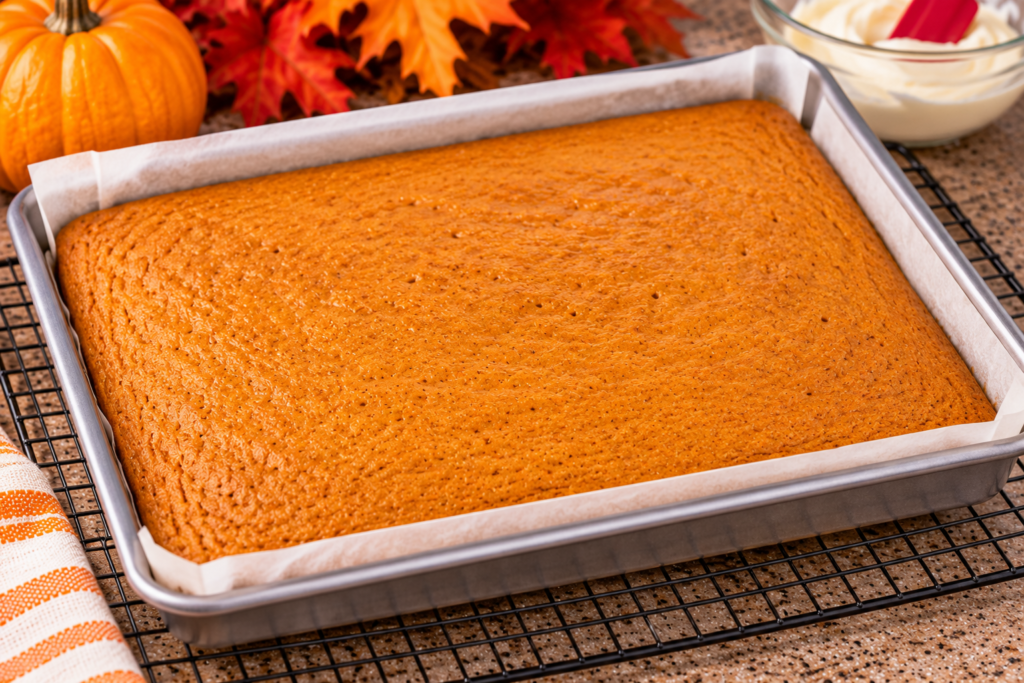
- Step 5: Spread the Pumpkin Batter and Bake Until Tender. Pour the prepared pumpkin batter into the greased and parchment-lined 10 × 15-inch baking pan, using a rubber or offset spatula to spread it evenly into the corners and create a level surface. Gently tap the pan once or twice on the countertop to release any unusually large air pockets, then transfer it to the center rack of the preheated 350°F (175°C) oven. Bake for approximately 25–30 minutes, beginning to check around the 25-minute mark because oven temperatures and pan materials can affect the final baking time. The bars should rise evenly, develop a lightly golden surface, and appear set in the center. Insert a toothpick into the middle of the cake; it should come out clean or with just a few moist crumbs, rather than wet batter. Avoid overbaking, which can dry out the pumpkin bars and reduce their signature tender texture. Once baked, remove the pan carefully from the oven and place it on a wire cooling rack.
- Step 6: Allow the Pumpkin Bars to Cool Completely. Let the freshly baked pumpkin bars rest in their baking pan on a wire cooling rack for approximately 15–20 minutes, allowing the delicate cake structure to stabilize before handling. If you lined the pan with parchment paper and the cake feels firm enough to move, carefully use the parchment overhang to lift it onto the rack, or simply leave it in the pan until fully cooled. Allow approximately 1 hour of cooling in total, or longer if necessary, until the bars reach room temperature and no warmth remains in the center. This step is essential because applying cream cheese frosting to warm pumpkin bars can cause the frosting to melt, slide, or become excessively soft. The bars should feel tender and slightly springy to the touch, with a moist but fully baked crumb. Avoid refrigerating the cake while still hot, since trapped steam can create unwanted condensation and make the surface sticky.
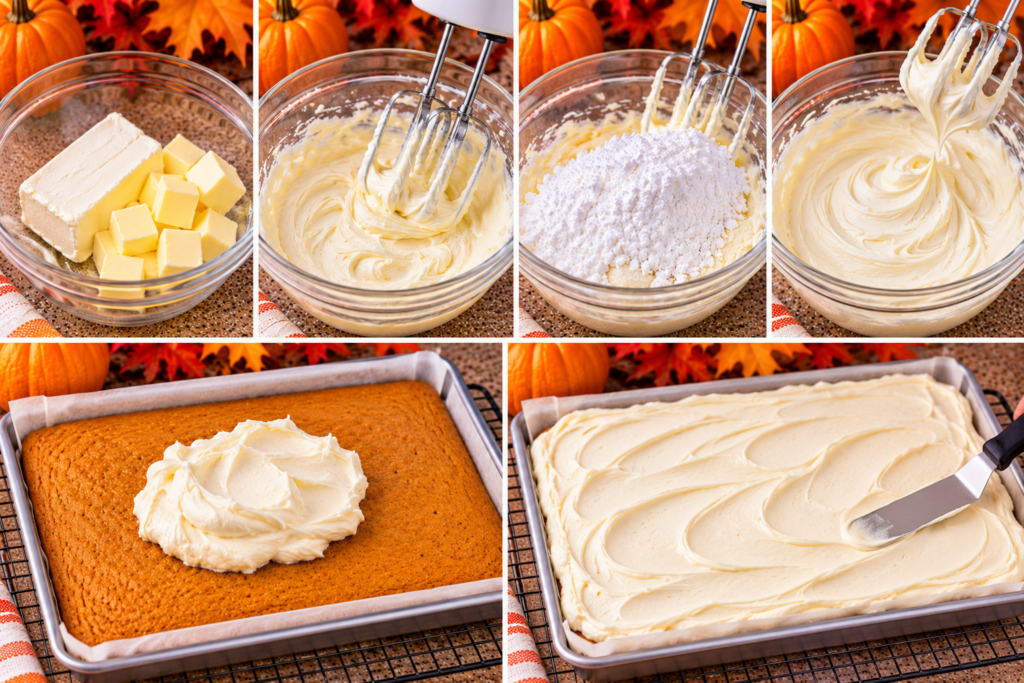
- Step 7: Prepare the Cream Cheese Frosting and Frost the Bars. While the pumpkin bars finish cooling, place 8 oz (226 g) softened full-fat cream cheese and 1/2 cup (113 g) softened unsalted butter in a clean mixing bowl. Using an electric hand mixer on medium speed, beat the ingredients together for approximately 2–3 minutes until smooth, creamy, and completely free of lumps. Reduce the mixer speed to low and gradually add 2 cups (240 g) sifted powdered sugar in several additions, mixing carefully to prevent the sugar from scattering outside the bowl. Add 1 teaspoon alcohol-free vanilla flavoring and a small pinch of fine salt, then increase the mixer speed to medium and beat for another 1–2 minutes until the frosting becomes light, fluffy, and easily spreadable. Once the pumpkin bars are completely cool, spoon the frosting over the surface and spread it into a smooth, even layer using an offset spatula. For a decorative finish, create gentle swirls across the frosting or leave the surface perfectly smooth for clean, bakery-style squares.
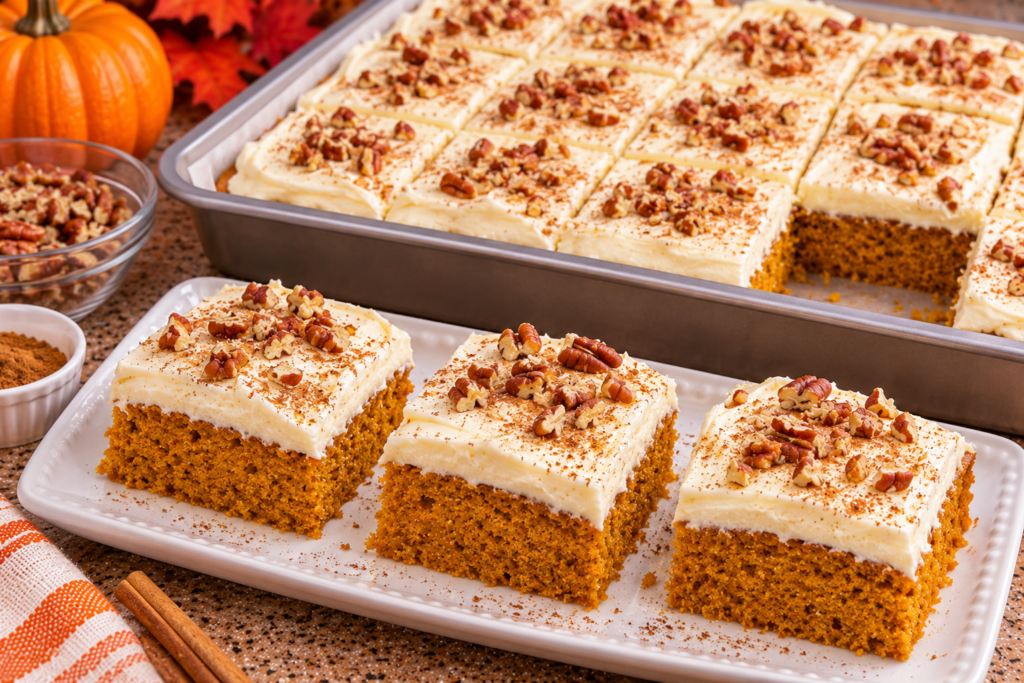
- Step 8: Garnish, Slice, Serve, and Store the Pumpkin Bars. Once the cream cheese frosting has been spread evenly, decorate the pumpkin bars with a light dusting of ground cinnamon, a sprinkle of chopped toasted pecans, or a few finely chopped walnuts if desired. For cleaner slices, refrigerate the frosted cake for approximately 20–30 minutes, allowing the cream cheese frosting to firm up slightly before cutting. Using a sharp knife, divide the cake into 24 evenly sized squares or rectangles, wiping the blade clean between cuts to maintain smooth, attractive edges. Arrange the pumpkin bars on a serving platter and serve them chilled or after a brief period at cool room temperature for the best balance of moist cake and creamy frosting. Because the frosting contains cream cheese, refrigerate any leftovers promptly in an airtight container at 40°F (4°C) or below and enjoy within approximately 3–4 days. For longer storage, freeze individual bars in airtight freezer-safe packaging for up to 2 months for best quality, then thaw them overnight in the refrigerator before serving.
Notes
Carbohydrates: Approximately 36 g
Protein: Approximately 3 g
Total Fat: Approximately 17 g
Saturated Fat: Approximately 6 g
Sugar: Approximately 24 g
Fiber: Approximately 1 g
Sodium: Approximately 160 mg
Cholesterol: Approximately 55 mg NUTRITION DISCLAIMER
Nutrition values are preliminary estimates, not a verified calculation. Actual nutritional content depends on ingredient brands, measurements, frosting thickness, and portion sizes. Recalculate with the final ingredients before publishing official nutritional information.


Origins of Pumpkin Bar
The pumpkin bar recipe has its roots in American home baking, where seasonal ingredients, comforting spices, and simple family recipes have been cherished for generations. These soft, moist, cake-like bars combine the traditional flavors of pumpkin desserts with the convenience of an easy-to-slice sheet cake. Topped with luscious cream cheese frosting, pumpkin bars have become a beloved autumn treat, especially during Thanksgiving, Halloween, and family gatherings.
Although there is no single documented inventor of pumpkin bars, their history reflects the evolution of American pumpkin baking, from early pumpkin puddings and pies to the convenient, crowd-friendly desserts popularized through community cookbooks and home kitchens during the twentieth century.
Health Benefits of Pumpkin Bar Recipe
Who says a delicious fall dessert can’t offer a little nutritional goodness? This Pumpkin Bar Recipe combines the comforting flavors of autumn with the naturally occurring vitamins, minerals, fiber, and antioxidants found in real pumpkin purée. While these soft, moist pumpkin bars are an indulgent treat, especially when topped with rich cream cheese frosting, their pumpkin base contributes beneficial nutrients that make them more interesting nutritionally than their irresistible flavor alone might suggest.
Made with pumpkin purée, eggs, flour, warming spices, and a creamy frosting, these homemade pumpkin bars offer a combination of energy, flavor, and some essential nutrients. From supporting healthy vision to providing antioxidant compounds, here are the potential health benefits of pumpkin bars and simple ways to make this classic fall dessert a little more nutritious.

1. Rich in Vitamin A for Healthy Eyes and Immune Function
One of the most notable nutritional benefits of pumpkin is its naturally high beta-carotene content. This orange plant pigment belongs to the carotenoid family and can be converted by the body into vitamin A.
Vitamin A plays an essential role in maintaining normal vision, supporting immune function, and promoting healthy skin. It is particularly important for the eyes because it contributes to the normal functioning of the retina.
Using real pumpkin purée in your easy pumpkin bar recipe adds beta-carotene to every batch. However, the amount of vitamin A provided by each bar depends on the quantity of pumpkin used and the number of servings.
For the greatest benefit, choose 100% pure pumpkin purée rather than pre-sweetened pumpkin pie filling.
2. Contains Antioxidants That Help Protect Cells
Pumpkin naturally contains antioxidant compounds, including beta-carotene and alpha-carotene, which help protect cells against oxidative damage caused by free radicals.
Free radicals are unstable molecules produced during normal metabolic processes and through exposure to environmental factors.
The warming spices used in pumpkin bars with cream cheese frosting, particularly cinnamon, ginger, and nutmeg, also contain naturally occurring plant compounds with antioxidant activity.
Although these spices are typically used in small quantities, they enhance the dessert’s flavor without requiring additional sweetness.
Enjoying antioxidant-containing foods as part of a balanced diet can help support overall health, but pumpkin bars should not be considered a treatment or prevention method for any disease.
3. Provides Some Dietary Fiber for Digestive Health
Another benefit of using pumpkin purée in baking is its dietary fiber content.
Fiber supports healthy digestion, contributes to regular bowel movements, and helps maintain normal digestive function.
Pumpkin naturally contains fiber, and combining it with other ingredients can contribute to the overall fiber content of these homemade pumpkin bars.
Traditional pumpkin bars usually contain refined all-purpose flour, which provides less fiber than whole-grain flour. For a slightly more fiber-rich variation, you can experiment with replacing a portion of the all-purpose flour with whole wheat pastry flour.
You can also add chopped pecans, walnuts, or pumpkin seeds for additional fiber and texture.
Keep in mind that these substitutions may change the tenderness and moisture of the bars, so adjustments should be tested before preparing them for a special occasion.
4. Supplies Important Vitamins and Minerals
Pumpkin provides several essential nutrients, including potassium and carotenoids that the body can use to produce vitamin A.
Potassium supports normal muscle contractions, nerve signaling, and fluid balance. It also contributes to healthy blood pressure regulation as part of an overall balanced eating pattern.
Other ingredients in a typical moist pumpkin bar recipe may contribute additional nutrients.
Eggs provide protein, choline, and several vitamins, while dairy ingredients in cream cheese frosting contribute small amounts of calcium and protein.
The exact nutritional value depends on the ingredients used, their quantities, and the serving size.
Although pumpkin bars offer some beneficial nutrients, they should not replace vegetables, fruits, whole grains, or other nutrient-dense everyday foods.

5. Can Be Made With Less Added Sugar
One advantage of preparing homemade pumpkin bars is that you can control the sweetness instead of relying on commercially prepared desserts.
Traditional pumpkin bars often contain substantial amounts of sugar, particularly when topped with a generous layer of cream cheese frosting.
For a less sweet version, consider experimenting with a modest reduction in the sugar used in the cake batter.
You can also spread a thinner layer of cream cheese frosting over the cooled bars or reduce the amount of powdered sugar in the frosting.
Because sugar contributes to moisture, tenderness, and structure in baking, reducing it too much can affect the finished texture.
Helpful Tip: Enhance the flavor with cinnamon, pumpkin pie spice, and vanilla extract. These aromatic ingredients make the bars taste warmly spiced and satisfying without adding significant sugar themselves.
6. Offers Protein From Eggs and Dairy Ingredients
Many classic pumpkin bar recipes contain eggs, which contribute protein and help create a tender, cake-like structure.
Protein supports the growth, maintenance, and repair of body tissues and contributes to normal muscle function.
The cream cheese used in the frosting also provides some protein and calcium.
However, traditional pumpkin bars are not particularly high-protein desserts because much of their energy comes from flour, sugar, oil, and frosting.
Pumpkin Bars vs. Pumpkin Cake: Quick Comparison
| eature | Pumpkin Bars | Pumpkin Cake |
|---|---|---|
| Texture | Soft, moist, sometimes slightly denser | Soft, moist, often fluffier |
| Thickness | Usually thinner | Generally thicker |
| Baking Pan | Often 10 × 15-inch jelly roll pan | Often 9 × 13-inch or round cake pans |
| Frosting | Smooth layer of cream cheese frosting | Cream cheese or buttercream frosting |
| Serving Style | Squares or rectangles | Cake slices |
| Preparation | Usually simple, one-pan baking | Simple sheet cake or more elaborate layer cake |
| Best Occasions | Potlucks, Thanksgiving, parties, bake sales | Birthdays, holidays, family desserts |
| Storage | Refrigerate when topped with cream cheese frosting | Refrigerate when topped with cream cheese frosting |
Can You Turn Pumpkin Cake Into Pumpkin Bars?
Yes! Many pumpkin cake recipes can be adapted into pumpkin bars by changing the baking pan and adjusting the baking time.
For example, spreading pumpkin cake batter into a larger, shallower pan can create thinner portions that are easier to cut into bars.
However, it’s important to make sure the pan has enough capacity for the batter. Because the batter will be shallower, it may bake faster, so begin checking for doneness earlier than the original cake recipe recommends.
The bars are generally ready when the center is set and a toothpick inserted into the middle comes out clean or with a few moist crumbs.
Allow the dessert to cool completely before spreading cream cheese frosting over the surface.

Which Is Better: Pumpkin Bars or Pumpkin Cake?
Both desserts are delicious, and the best choice depends on the occasion.
If you’re looking for a classic dessert to serve at a birthday party or holiday dinner, pumpkin cake is an excellent option, especially when you want a taller presentation or decorative frosting.
However, if you want something easy to prepare, simple to portion, and perfect for sharing, pumpkin bars are often the more practical choice.
Their moist, tender crumb, warm pumpkin spices, and rich cream cheese frosting make them especially appealing during autumn.
Final Thoughts
Although pumpkin bars and pumpkin cake share many ingredients and flavors, the biggest differences usually come down to thickness, presentation, and serving style rather than an entirely different type of batter.
Pumpkin bars offer the delicious flavor of traditional pumpkin cake in a convenient, easy-to-share format, making them perfect for Thanksgiving dessert tables, Halloween parties, potlucks, and cozy fall gatherings.