

Imagine biting into a perfectly crispy, golden shrimp coated in a creamy, sweet, and slightly spicy sauce that delivers an incredible burst of flavor. The outside is lightly crunchy, the shrimp inside is juicy and tender, and every bite has just the right balance of sweetness, heat, and richness. That’s exactly what makes this Bang Bang Shrimp Recipe so irresistible! Inspired by the famous restaurant appetizer, this homemade version combines beautifully cooked shrimp with an easy bang bang sauce made from mayonnaise, sweet chili sauce, sriracha, and a splash of fresh lime juice. It’s bold, comforting, wonderfully satisfying, and surprisingly simple to prepare in your own kitchen.
If you’ve ever ordered Bang Bang Shrimp at Bonefish Grill, you probably already understand why this dish has become such a favorite. The restaurant’s signature appetizer features crispy shrimp tossed in a creamy, spicy sauce, creating a combination that has inspired countless homemade versions. What makes this homemade Bang Bang Shrimp Recipe especially appealing is that you can recreate those familiar flavors using everyday supermarket ingredients, without complicated techniques or expensive equipment. Whether you’re preparing a quick family dinner, a weekend appetizer, or a plate of crispy shrimp to share with friends, this recipe brings a little restaurant-style excitement straight to your table.
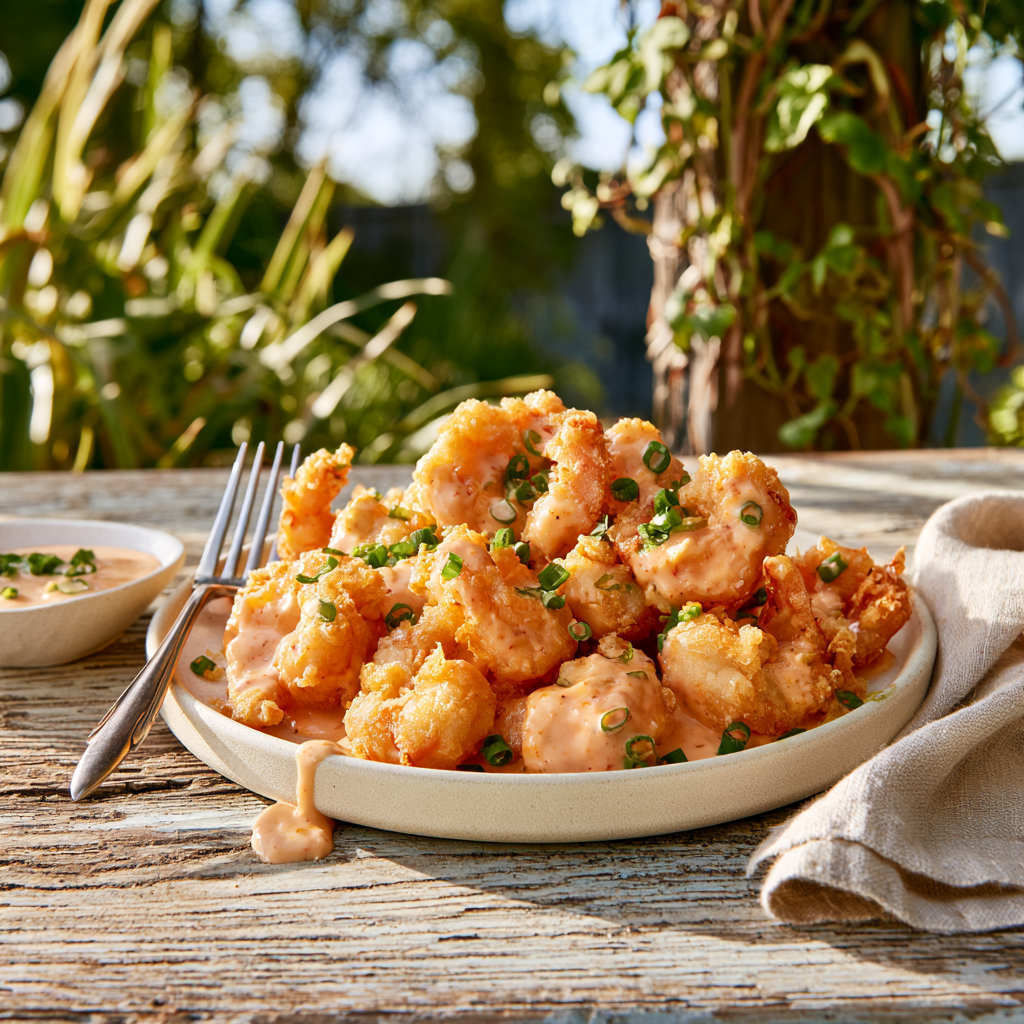
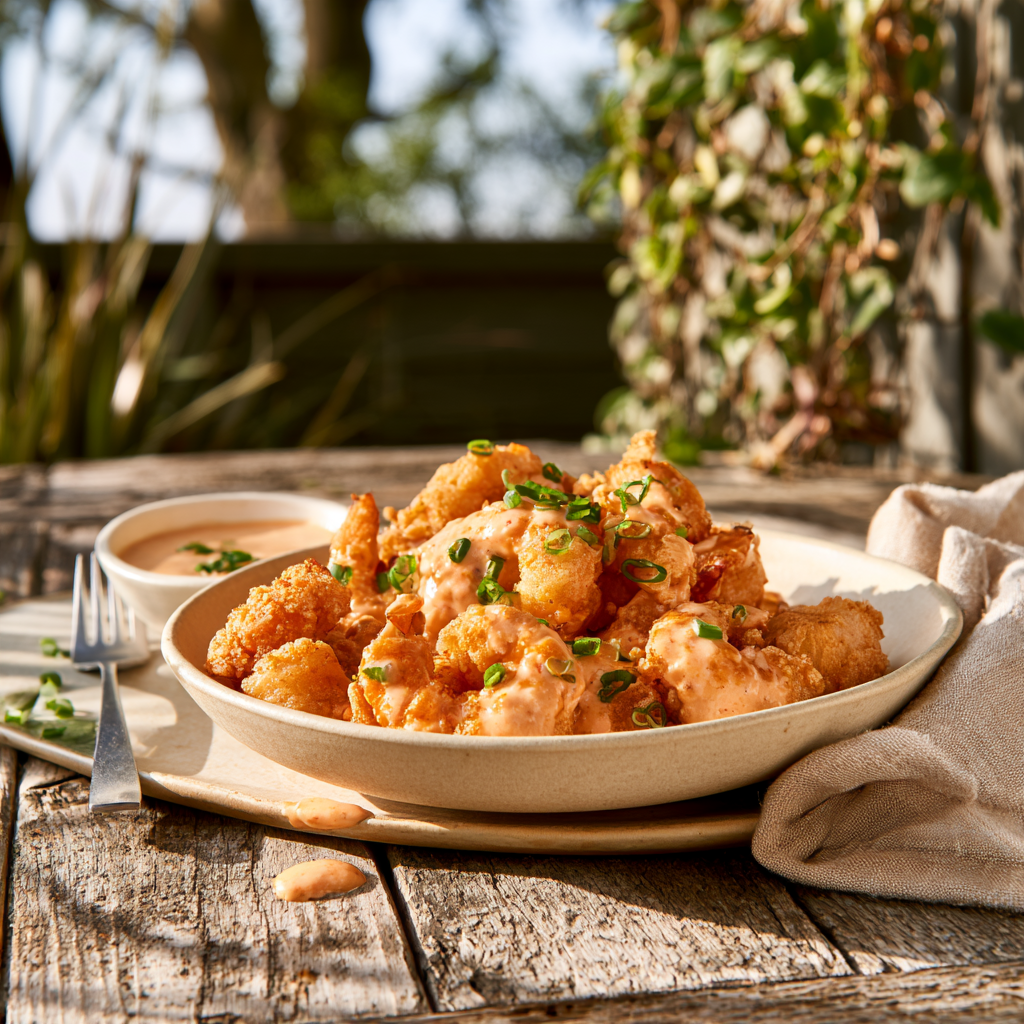
Bang Bang Shrimp Recipe
Equipment
- Medium heavy-bottomed saucepan or deep-sided skillet suitable for frying
- Kitchen thermometer or candy/frying thermometer
- Large mixing bowl
- Small mixing bowl
- Shallow bowl for coating
- Measuring cups and measuring spoons
- Digital kitchen scale (optional)
- Whisk
- Tongs or spider strainer
- Slotted spoon
- Wire cooling rack
- Rimmed tray to place underneath the cooling rack
- Paper towels
- Cutting board
- Sharp knife
- Silicone spatula or large spoon
- Serving platter or shallow bowl
Ingredients
- 2 green onions thinly sliced
- 1 tablespoon fresh cilantro chopped, optional
- Fresh lime wedges for serving
- Shredded lettuce or cabbage for serving, optional
Instructions
- Step 1: Prepare the Shrimp. Start with 1 pound (450 g) of raw medium-large shrimp, preferably around 31–40 shrimp per pound. Remove the shells and devein the shrimp if they have not already been prepared. You can remove the tails for easier eating or leave them attached for presentation. If using frozen shrimp, thaw them overnight in the refrigerator or in a sealed bag submerged in cold water, cooking promptly after cold-water thawing. Never thaw raw shrimp on the kitchen counter. Place the prepared shrimp in a colander, allow any excess liquid to drain, and transfer them to a clean plate lined with paper towels. Using raw shrimp rather than precooked shrimp is important because precooked shrimp can become tough when fried again.
- Step 2: Dry the Shrimp Thoroughly. Pat the shrimp gently but thoroughly with clean paper towels, removing as much surface moisture as reasonably possible. This is one of the most important steps for achieving a crispy Bang Bang Shrimp Recipe because wet shrimp can cause the cornstarch to become gummy or form uneven clumps. Excess water can also splatter when the shrimp are lowered into hot oil. Work in small groups if necessary and pay particular attention to the areas where moisture may collect after thawing. The shrimp should feel lightly tacky rather than wet. Keep the prepared seafood refrigerated if there will be a delay before frying, and avoid leaving it at room temperature while preparing the remaining ingredients.
- Step 3: Prepare the Homemade Bang Bang Sauce. In a small mixing bowl, combine 1/3 cup mayonnaise, 1/4 cup Thai sweet chili sauce, 2 teaspoons sriracha, and 2 teaspoons freshly squeezed lime juice. Whisk until the ingredients are completely incorporated and the sauce looks smooth, creamy, and lightly orange-pink. Taste a small amount and adjust the heat if necessary. For a milder version, begin with 1 teaspoon sriracha and add more gradually. If you prefer a brighter sauce, add a few additional drops of fresh lime juice. The finished dressing should balance creamy richness, gentle sweetness, noticeable chili flavor, and refreshing acidity. Cover the bowl and refrigerate the sauce while you prepare and fry the shrimp.
- Step 4: Combine the Seasoned Cornstarch Coating. In a wide, shallow bowl, combine 1/2 cup (60 g) cornstarch, 1/2 teaspoon garlic powder, 1/2 teaspoon paprika, 1/4 teaspoon fine salt, and 1/4 teaspoon freshly ground black pepper. Whisk or stir thoroughly until the seasonings are evenly distributed throughout the starch. This simple dry coating is designed to create a delicate, crisp exterior rather than a heavy batter. The garlic powder contributes savory flavor, while paprika adds a little warmth and color. Do not add water, milk, or eggs to the mixture because this version relies on a dry cornstarch coating. Keep the prepared mixture away from moisture until you are ready to dredge the shrimp.
- Step 5: Coat the Shrimp Lightly and Evenly. Place several thoroughly dried shrimp into the seasoned cornstarch mixture and gently toss until each piece is covered in a light, even layer. Lift each shrimp and shake off excess starch so that the coating does not become overly thick or powdery. Transfer the coated shrimp to a clean plate or wire rack, keeping the pieces separated to prevent sticking. Continue until all the shrimp have been coated, using only as much of the mixture as needed. Some dry coating may remain unused, which is perfectly normal. Avoid leaving the coated shrimp sitting for an extended period because moisture from the seafood can gradually soften the starch. Discard any leftover coating that has come into contact with raw shrimp.
- Step 6: Heat the Frying Oil Safely. Pour approximately 2 cups (480 ml) of neutral vegetable or canola oil into a suitably sized heavy-bottomed saucepan or deep-sided skillet, adjusting the amount according to the cookware. A relatively narrow saucepan may provide approximately 3/4–1 inch of oil with this quantity, while a wider pan may require more. Never fill the cookware more than one-third full, and allow plenty of space for bubbling. Heat the oil over medium heat until it reaches approximately 350°F (175°C), checking with a suitable frying thermometer. Avoid overheating or allowing the oil to smoke. Keep water away from the pan and use utensils that allow you to lower the shrimp into the oil safely. Maintaining a consistent frying temperature is essential for a light, crisp coating.
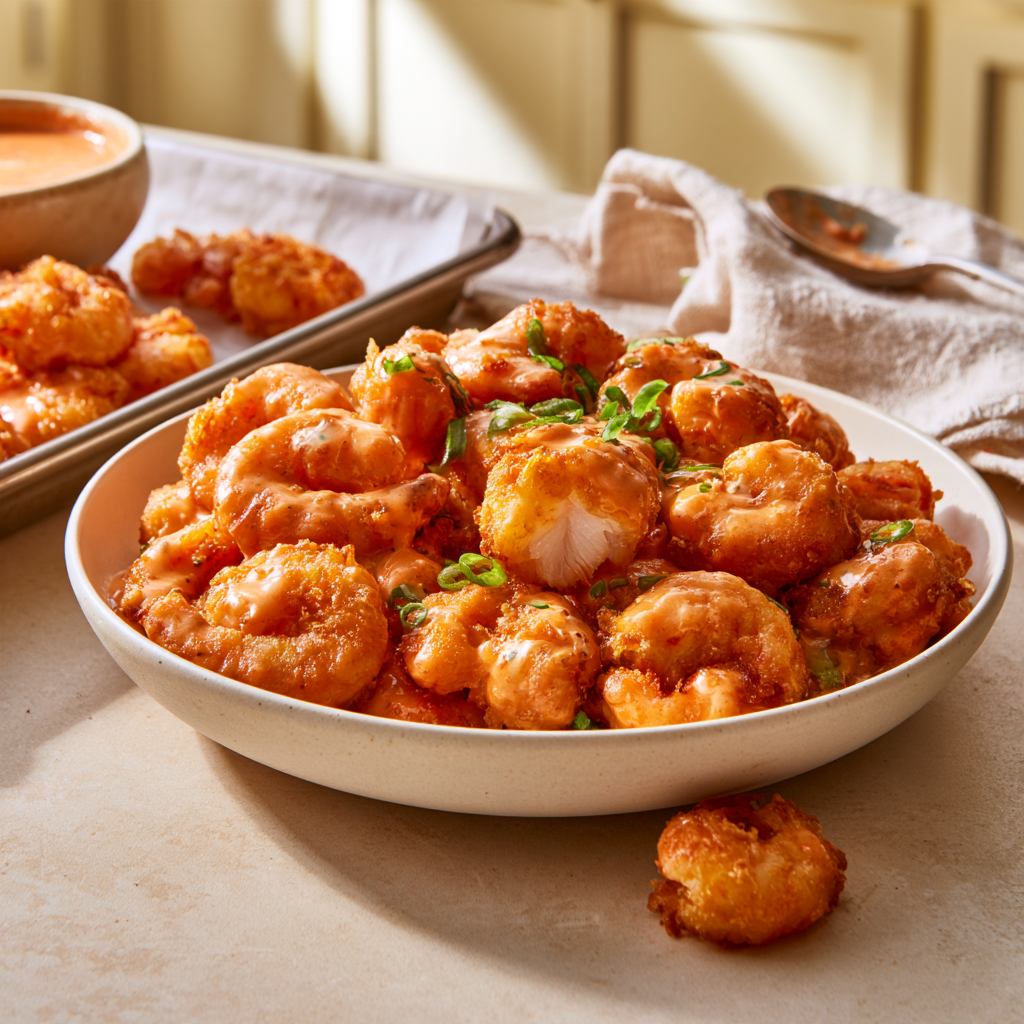
- Step 7: Fry the First Batch of Shrimp. Carefully lower a small batch of coated shrimp into the hot oil using tongs or a spider strainer, positioning the seafood gently to avoid splashing. Do not overcrowd the saucepan because adding too many cold shrimp can lower the oil temperature and make the coating greasy. Fry medium-large shrimp for approximately 2–4 minutes total, turning if needed to encourage even cooking. The cornstarch coating should become lightly golden and crisp rather than excessively dark. The shrimp inside should become firm, pearly, and opaque. As a general seafood temperature benchmark, 145°F (63°C) can be used when checking doneness with a suitable food thermometer. Remove the shrimp promptly once fully cooked to avoid a rubbery texture.
- Step 8: Drain the Golden Shrimp. Once the first batch is cooked, carefully lift the shrimp from the oil using a spider strainer or slotted spoon. Allow excess oil to drip briefly back into the pan before transferring the pieces to a wire cooling rack set over a rimmed tray. The rack allows excess oil and steam to escape, helping protect the crisp coating. If a wire rack is unavailable, a paper-towel-lined plate can be used, although the shrimp may become softer where they contact the paper. Arrange the pieces in a single layer rather than piling them into a bowl. Do not cover the shrimp tightly while they are still hot because trapped steam can soften the freshly fried crust.
- Step 9: Fry the Remaining Shrimp in Batches. Continue frying the remaining coated shrimp in small batches, allowing the oil to return close to 350°F (175°C) before adding more seafood. The number of batches depends on the size of your pan and shrimp. Maintain enough space around the shrimp for the oil to circulate and cook the coating evenly. Monitor each batch carefully, as smaller pieces may cook faster than larger ones. Remove the shrimp as soon as the coating is crisp and the seafood is fully cooked. Transfer each batch to the wire rack with the previously cooked shrimp. Once frying is complete, turn off the heat and allow the oil to cool safely before handling or disposal. Never pour hot oil into a sink or drain.
- Step 10: Check the Bang Bang Sauce Before Serving. Remove the prepared sauce from the refrigerator and stir briefly to restore an even consistency. Taste the sauce again and adjust the balance of sweetness, heat, and acidity if necessary. The mayonnaise should create a creamy texture that coats the shrimp without becoming excessively heavy. Sweet chili sauce provides a smooth sweetness, while sriracha contributes the signature chili kick. Fresh lime juice helps cut through the richness. Avoid adding unnecessary water because a thin sauce can run off the shrimp and soften the coating more quickly. If your sauce is particularly thick, a few additional drops of lime juice can help adjust its consistency without making it watery.
- Step 11: Transfer the Crispy Shrimp to a Mixing Bowl. Once all the shrimp have been fried and briefly drained, place them in a large clean mixing bowl. Make sure the bowl is dry because any unnecessary moisture can affect the crispy coating. The shrimp should still be warm, lightly golden, and freshly cooked. Avoid transferring them while they are dripping with oil, as excess oil can prevent the sauce from coating evenly. Work promptly at this stage because Bang Bang Shrimp is best enjoyed shortly after frying. If you prefer to preserve maximum crispness, you can skip the mixing bowl and arrange the shrimp directly on the serving platter, adding the sauce as a drizzle instead.
- Step 12: Toss the Shrimp With Bang Bang Sauce. Spoon approximately two-thirds of the prepared Bang Bang sauce over the warm shrimp and gently toss with a large spoon or silicone spatula until lightly and evenly coated. Add a little more sauce only if necessary, keeping any remaining sauce for serving. Avoid mixing too aggressively because the coating is delicate and can break away from the seafood. The aim is to cover the shrimp with a thin, creamy layer that enhances their flavor without overwhelming the crisp texture. For extra-crispy Bang Bang Shrimp, drizzle the dressing over the top rather than tossing every piece. Always add the sauce immediately before serving, since the coating gradually softens as it absorbs moisture.
- Step 13: Prepare the Serving Platter. Arrange a small bed of shredded lettuce or cabbage on a shallow serving platter if desired. The vegetables create a fresh, colorful base that contrasts with the rich shrimp and creamy sauce. Transfer the coated shrimp to the platter, spreading the pieces into an inviting layer rather than stacking them too high. If you reserved additional Bang Bang sauce, drizzle a small amount over the top or serve it separately in a dipping bowl. The dish should look naturally appetizing, with lightly golden shrimp and a creamy, gently orange-colored sauce. There is no need for elaborate plating because the combination of crisp seafood and bold sauce already makes an attractive appetizer.
- Step 14: Add Fresh Garnishes. Sprinkle the prepared shrimp with two thinly sliced green onions to add freshness, mild onion flavor, and a pleasant contrast to the creamy sauce. If desired, add approximately 1 tablespoon chopped fresh cilantro. Arrange lime wedges around the platter so everyone can brighten their portion with additional citrus juice. Keep the garnish simple and avoid adding watery toppings too far in advance, since extra moisture can soften the shrimp coating. A little freshly chopped green onion is usually enough to create a beautiful restaurant-inspired presentation. Serve the shrimp immediately after garnishing for the best flavor and texture.
- Step 15: Serve the Bang Bang Shrimp Immediately. Enjoy the homemade Bang Bang Shrimp while warm, when the coating is at its crispiest and the shrimp remain juicy and tender. Divide the recipe into approximately four appetizer portions, or serve it as a shareable platter for family and friends. For a more substantial meal, spoon the shrimp over steamed jasmine rice with cucumber, shredded cabbage, and carrots. You can also use the shrimp in warm tortillas with crunchy slaw for Bang Bang Shrimp tacos, or place them inside lettuce cups for a different presentation. If serving with rice or vegetables, add the sauce immediately before eating to preserve the contrast between the crispy shrimp and creamy dressing.
- Step 16: Store and Reheat Leftovers Safely. Bang Bang Shrimp is best served fresh, but leftovers can be refrigerated promptly in shallow, covered containers at 40°F (4°C) or below. Store any unused sauce separately when possible because shrimp already tossed in dressing will gradually become softer. Use properly refrigerated cooked shrimp within approximately 3–4 days. For reheating, arrange the shrimp on a baking sheet and warm in a preheated oven at approximately 350°F (175°C) until the leftovers reach 165°F (74°C). Avoid excessive heating because shrimp can become rubbery. If the sauce was stored separately, add it after reheating. Refrigerate perishable foods within two hours, or within one hour when the surrounding temperature is above 90°F (32°C).
Notes
- Origins of Bang Bang Shrimp:
- Health Benefits of Bang Bang Shrimp Recipe: Protein, Nutrition & How to Make It Lighter
- Bang Bang Shrimp Health Benefits at a Glance
- 1. Bang Bang Shrimp Provides High-Quality Protein
- 2. Shrimp Protein Supports Muscle Maintenance and Recovery
- 3. Shrimp Is an Excellent Source of Selenium
- 4. Bang Bang Shrimp Contains Vitamin B12
- 5. Shrimp Supplies Minerals That Support Normal Body Functions
- 6. Plain Shrimp Is Naturally Low in Fat
- 7. Shrimp Is a Lower-Mercury Seafood Choice
- 8. Shrimp Can Fit Into a Heart-Conscious Eating Pattern
- 9. Protein-Rich Shrimp May Help Make Meals More Satisfying
- 10. Homemade Bang Bang Shrimp Gives You More Control Over Ingredients
- How to Make Bang Bang Shrimp Recipe: Easy Step-by-Step Instructions for Crispy, Juicy Shrimp
- Bang Bang Shrimp Recipe at a Glance
- Ingredients You'll Need
- Optional Garnishes
- Step 1: Prepare the Shrimp Properly
- Step 2: Make the Creamy Bang Bang Sauce
- Step 3: Prepare the Crispy Cornstarch Coating
- Step 4: Coat the Shrimp Evenly
- Step 5: Heat the Frying Oil to the Right Temperature
- Step 6: Fry the Shrimp in Small Batches
- Step 7: Drain the Fried Shrimp
- Step 8: Finish Frying the Remaining Shrimp
- Step 9: Bring the Sauce to the Right Consistency
- Step 10: Toss the Crispy Shrimp With Bang Bang Sauce
- Step 11: Garnish for a Fresh, Restaurant-Style Finish
- Step 12: Serve Your Homemade Bang Bang Shrimp Immediately
- Bang Bang Shrimp Recipe: Step-by-Step Summary
- How to Know When Bang Bang Shrimp Is Perfectly Cooked
- Common Bang Bang Shrimp Problems and How to Fix Them
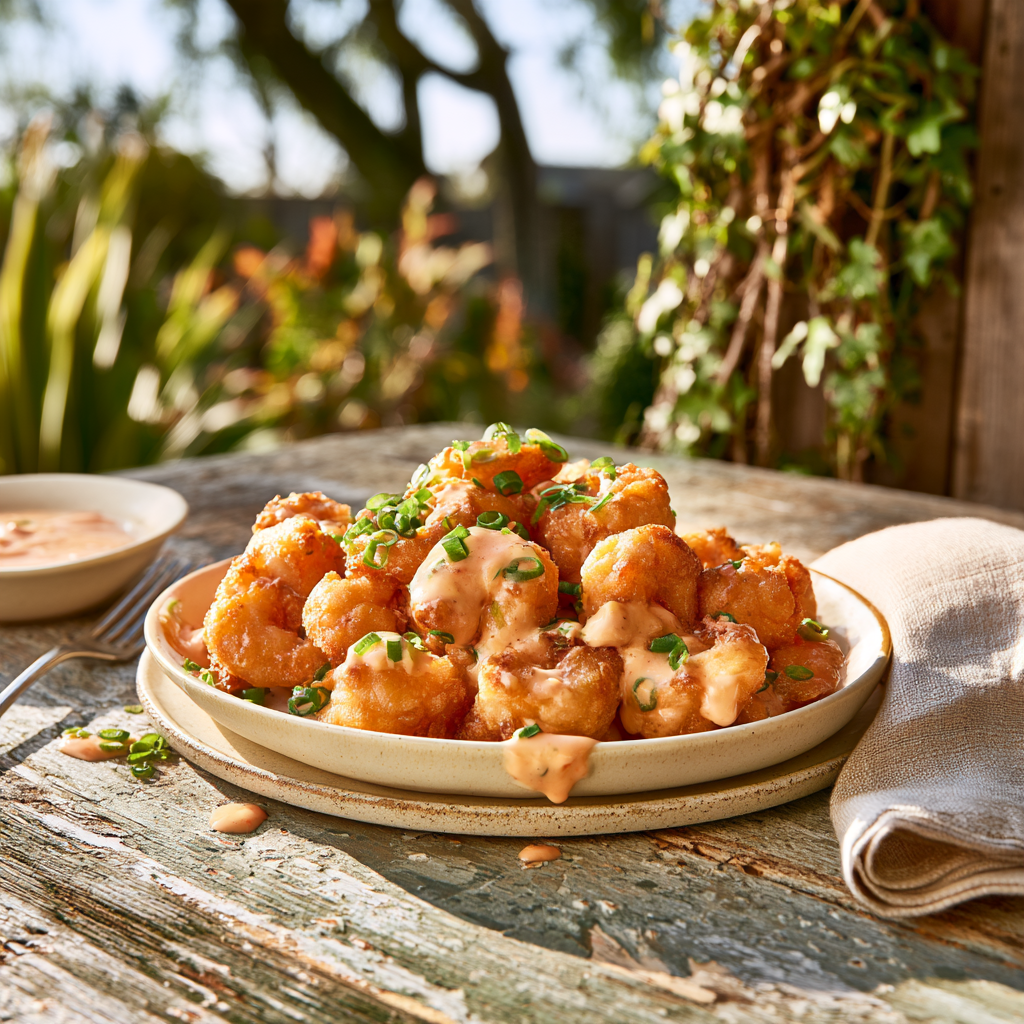
Origins of Bang Bang Shrimp:
The Bang Bang Shrimp Recipe has an interesting culinary history that combines American restaurant creativity with flavors inspired by Asian sauces and seasonings. Known for its golden, crispy shrimp coated in a creamy, sweet, and spicy sauce, this popular appetizer has become a favorite in seafood restaurants and home kitchens alike. But where did Bang Bang Shrimp actually come from, who made it famous, and why does it have such an unusual name?
Unlike traditional seafood dishes with histories stretching back centuries, modern Bang Bang Shrimp is closely associated with Bonefish Grill, the American seafood restaurant chain that helped make the appetizer famous. The restaurant’s signature dish brought together lightly crispy shrimp and a distinctive creamy, spicy sauce, creating a memorable combination that encouraged home cooks to recreate it.
While the restaurant version has a clear American connection, the flavors found in many homemade Bang Bang Shrimp recipes reflect broader Asian culinary influences. Sweet chili sauce, garlic, chili peppers, and tangy seasonings are familiar ingredients in several Southeast Asian cuisines, where balancing sweetness, spice, and acidity is an important part of cooking.
The creamy mayonnaise-based sauce commonly used in copycat recipes adds an American-style twist to these flavors, creating something that is both familiar and exciting.
Today, homemade Bang Bang Shrimp has developed far beyond the original restaurant appetizer. It appears in rice bowls, tacos, salads, wraps, and other creative dishes.
Let’s explore how this modern seafood favorite developed, where its distinctive flavors come from, and how it became such a beloved recipe.
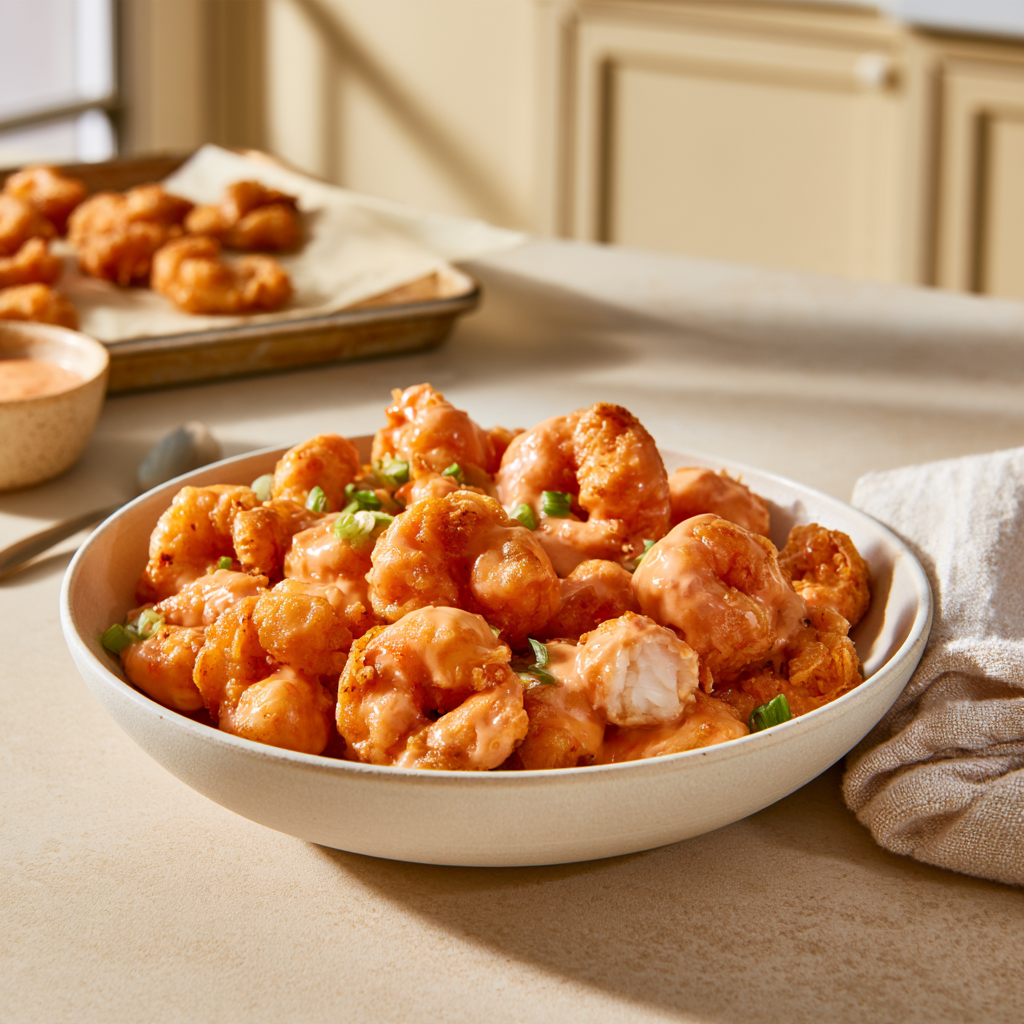
Health Benefits of Bang Bang Shrimp Recipe: Protein, Nutrition & How to Make It Lighter
Bang Bang Shrimp Health Benefits at a Glance
| Ingredient or Feature | Nutritional Contribution | Potential Benefit | Important Consideration |
|---|---|---|---|
| Shrimp | Complete protein | Supports muscle maintenance and normal tissue repair | Finished protein content depends on shrimp portion size |
| Selenium | Essential mineral naturally found in shrimp | Supports normal thyroid function and antioxidant enzymes | Does not mean the dish prevents disease |
| Vitamin B12 | Essential vitamin found in seafood | Supports red blood cell formation and nervous system function | Amount varies by shrimp and serving size |
| Phosphorus | Mineral present in shrimp | Contributes to bones, teeth, and energy metabolism | Part of an overall balanced mineral intake |
| Iodine | Naturally present in varying amounts of shrimp | Supports thyroid hormone production | Content varies and should not be assumed consistent |
| Naturally low-fat seafood | Plain shrimp contains little fat | Allows flexibility when choosing cooking methods | Frying and mayonnaise increase the finished dish’s fat content |
| Lime juice | Acidity and a small amount of vitamin C | Adds brightness and helps balance rich flavors | The small amount typically used is not a significant vitamin C source |
| Sweet chili sauce | Adds sweet-spicy flavor | Makes the dish enjoyable without complicated preparation | Often contains added sugar and sodium |
| Mayonnaise | Creates a creamy sauce | Helps the dressing coat the shrimp | Contributes calories and fat |
| Homemade preparation | Control over ingredients and portions | Allows adjustments to sweetness, salt, and frying method | Homemade does not automatically mean low-calorie |
Nutrition note: These benefits primarily describe the individual ingredients, especially shrimp. They don’t mean that fried Bang Bang Shrimp is a low-fat food or that eating it provides specific medical benefits.
1. Bang Bang Shrimp Provides High-Quality Protein
One of the strongest nutritional advantages of this Bang Bang Shrimp Recipe is the protein naturally found in shrimp.
Protein is essential for maintaining body tissues, supporting muscle repair, and producing enzymes and other compounds used throughout the body.
Shrimp provides all nine essential amino acids, making it a complete protein source.
These amino acids must be obtained through food because the body cannot produce them in sufficient amounts on its own.
According to USDA-derived food composition data, approximately 100 grams of plain cooked shrimp provides 24 grams of protein and about 99 calories.
That’s a substantial amount of protein for a relatively modest amount of food.
When preparing Bang Bang Shrimp, the protein comes primarily from the shrimp rather than the sauce or coating.
For example, a recipe using one pound of shrimp divided into four portions can contribute a meaningful amount of seafood protein per serving.
However, the exact amount depends on whether the shrimp are weighed raw or cooked, their size, and the final portion.
Breading and sauce increase the overall weight and calorie content without contributing comparable amounts of protein.
Why this matters: Homemade Bang Bang Shrimp can provide a satisfying source of complete protein, particularly when served as part of a meal with vegetables and other nutritious ingredients.
2. Shrimp Protein Supports Muscle Maintenance and Recovery
Protein is particularly important for maintaining muscle mass throughout adulthood.
The essential amino acids supplied by shrimp contribute to the body’s normal processes of building and repairing proteins.
This can be useful for people who engage in regular physical activity or simply want to maintain adequate protein intake.
Shrimp also cooks quickly, making it a convenient ingredient when you want a protein-containing dinner without lengthy preparation.
A plate of Bang Bang Shrimp served with rice, fresh vegetables, or a salad can help contribute to your daily protein needs.
However, it’s important not to exaggerate the benefits.
Eating Bang Bang Shrimp does not automatically increase muscle mass, improve athletic performance, or speed up recovery.
Those outcomes depend on factors such as overall nutrition, physical activity, exercise programming, and adequate rest.
The most accurate way to describe this benefit is that shrimp provides dietary protein that contributes to normal muscle maintenance and repair.
For another shrimp-based preparation that focuses more directly on a simple, lightly seasoned seafood meal, explore our Shrimp Weight Loss Recipe.
It combines shrimp with garlic, lemon, olive oil, and seasonings, offering a different approach from the crispy, creamy Bang Bang Shrimp appetizer.
3. Shrimp Is an Excellent Source of Selenium
One of the most notable minerals naturally present in shrimp is selenium.
Selenium is an essential trace mineral needed for several normal biological processes.
It contributes to the function of certain antioxidant enzymes, supports thyroid hormone metabolism, and plays a role in immune function.
According to the National Institutes of Health, a 3-ounce (approximately 85-gram) portion of cooked shrimp can provide around 42 micrograms of selenium.
For context, the recommended dietary allowance for most adults is 55 micrograms per day.
This makes shrimp a particularly useful dietary source of selenium.
The mineral is involved in producing and maintaining specialized proteins called selenoproteins.
These proteins participate in important processes such as protecting cells from oxidative damage and regulating thyroid hormone metabolism.
However, selenium’s essential functions shouldn’t be confused with claims that eating shrimp prevents disease.
Research investigating selenium supplements has produced mixed results, and consuming additional selenium beyond nutritional needs does not automatically provide extra benefits.
The practical advantage of Bang Bang Shrimp is that the seafood naturally contributes this essential mineral.
You can enjoy its flavor while also obtaining nutrients that support normal body functions.
4. Bang Bang Shrimp Contains Vitamin B12
Vitamin B12 is another nutrient found in shrimp.
This essential vitamin contributes to normal red blood cell formation, DNA synthesis, and nervous system function.
Because vitamin B12 is naturally present mainly in animal-derived foods, seafood can be an important source for people who include fish and shellfish in their diets.
Shrimp provides vitamin B12 along with its protein and mineral content.
The amount varies according to the species and preparation.
Vitamin B12 supports the development and function of the central nervous system and helps the body maintain healthy red blood cells.
An adequate intake is important because prolonged vitamin B12 deficiency can contribute to anemia and neurological problems.
However, enjoying Bang Bang Shrimp occasionally should not be considered a treatment for vitamin deficiency.
People with diagnosed deficiencies or absorption difficulties may need individualized medical guidance.
For everyday nutrition, shrimp simply offers another way to obtain vitamin B12 from food.
5. Shrimp Supplies Minerals That Support Normal Body Functions
Beyond selenium, shrimp contains other minerals, including phosphorus, zinc, copper, and varying amounts of iodine.
Each has a different role in the body.
Phosphorus contributes to the structure of bones and teeth and helps support normal energy metabolism.
Zinc participates in immune function, wound healing, and many enzyme reactions.
Copper supports normal iron metabolism and the formation of connective tissues.
Iodine is necessary for producing thyroid hormones, which help regulate many aspects of metabolism.
Shrimp may contribute these nutrients to your diet, although the exact amounts depend on the species, habitat, processing, and serving size.
Iodine content in seafood can vary considerably, so it’s not appropriate to assume that every serving of shrimp provides the same quantity.
These minerals are most beneficial as part of a varied eating pattern containing different protein sources, vegetables, fruits, legumes, and whole grains.
OoohDelish Tip: The easiest way to appreciate shrimp’s nutritional value is to focus on the ingredient itself rather than assuming every sauce or coating contributes the same benefits.
6. Plain Shrimp Is Naturally Low in Fat
Another interesting characteristic of shrimp is its relatively low total fat content.
A typical 100-gram portion of plain cooked shrimp contains less than one gram of total fat, although values vary by type and preparation.
This makes shrimp different from some naturally higher-fat protein foods.
However, the finished Bang Bang Shrimp Recipe is not necessarily low in fat.
Traditional preparations often involve coating the shrimp and frying them in oil.
The sauce also commonly contains mayonnaise, which contributes additional fat and calories.
These additions significantly change the nutritional profile.
For example, one serving of plain cooked shrimp and an equally sized portion of fried shrimp covered in creamy sauce can have very different calorie totals.
The difference comes primarily from the cooking method, coating, and dressing rather than the seafood itself.
If you want to prepare a lighter version, consider air-frying the coated shrimp with a small amount of oil or using an oven-baked preparation developed for that cooking method.
You can also reduce the amount of mayonnaise-based sauce.
The finished texture will differ from traditional fried Bang Bang Shrimp, but the dish can still be flavorful and enjoyable.
7. Shrimp Is a Lower-Mercury Seafood Choice
When discussing the health benefits of seafood, mercury is an important consideration.
Different seafood species accumulate different amounts of mercury.
Some large predatory fish contain relatively high concentrations, which is why food-safety organizations recommend limiting or avoiding certain species, especially during pregnancy and childhood.
Fortunately, shrimp is included in the FDA and EPA’s “Best Choices” category for lower-mercury seafood.
This makes properly cooked shrimp a practical seafood option for many people, including those who are pregnant or breastfeeding, provided they follow applicable food-safety and dietary guidance.
The FDA and EPA recommend that people who are pregnant or breastfeeding consume 8–12 ounces of a variety of lower-mercury seafood per week.
That recommendation refers to seafood within an overall healthy eating pattern.
It does not mean that every fried shrimp appetizer provides the same nutritional value as simply prepared seafood.
For Bang Bang Shrimp, the important considerations remain how the shrimp are cooked, the amount of sauce, and the serving size.
Also remember that cooking does not remove mercury from seafood.
The benefit comes from choosing species that naturally tend to contain lower amounts.
8. Shrimp Can Fit Into a Heart-Conscious Eating Pattern
Seafood can play a valuable role in a balanced diet.
Shrimp naturally contains little saturated fat before additional ingredients are introduced.
The American Heart Association recognizes non-fried fish and shellfish, including shrimp, as useful alternatives to many higher-saturated-fat meat choices.
However, there’s an important distinction between seafood in general and a particular fried seafood recipe.
Bang Bang Shrimp should not automatically be described as heart-healthy simply because it contains shrimp.
The traditional preparation often includes frying oil, a creamy mayonnaise-based sauce, and seasonings that may contribute substantial sodium.
Shrimp also contains dietary cholesterol.
For many people, saturated fat and overall dietary patterns are particularly important considerations when managing blood cholesterol. Individual recommendations may differ depending on health circumstances.
A heart-conscious interpretation of Bang Bang Shrimp could involve lightly coating and baking or air-frying the shrimp, using an unsaturated cooking oil in modest amounts, limiting salty ingredients, and serving the dish with vegetables.
This approach preserves the shrimp’s flavor while reducing some of the richness added by traditional preparation.
For another seafood dish featuring a creamy sauce, our Creamy Coconut Shrimp Recipe combines shrimp with coconut milk, garlic, ginger, and lime.
It’s a delicious variation to explore, although coconut-based sauces can also contribute saturated fat depending on the ingredients and quantities used.
9. Protein-Rich Shrimp May Help Make Meals More Satisfying
Another potential advantage of including shrimp in meals is its protein content.
Protein contributes to the feeling of fullness after eating.
A meal that contains an appropriate portion of protein, vegetables, and other satisfying foods may help some people feel comfortably satisfied.
This is one reason shrimp can be a useful ingredient for balanced lunches and dinners.
For example, you can transform Bang Bang Shrimp from a small appetizer into a complete meal by serving it over rice with shredded cabbage, cucumber, and other fresh vegetables.
The shrimp provides protein.
The rice contributes carbohydrates for energy.
The vegetables add fiber, vitamins, minerals, and volume.
A moderate quantity of Bang Bang sauce brings the flavors together.
However, Bang Bang Shrimp itself does not cause weight loss or guarantee better appetite control.
The calories in the coating, frying oil, mayonnaise, and sweet chili sauce still count.
The most useful approach is to balance the entire plate instead of relying on the shrimp’s protein content alone.
10. Homemade Bang Bang Shrimp Gives You More Control Over Ingredients
Perhaps the clearest practical benefit of preparing this easy Bang Bang Shrimp Recipe at home is being able to choose exactly what goes into it.
Restaurant-style appetizers can be delicious, but the amount of sauce, salt, and frying oil may be difficult to control.
At home, you can select fresh or safely thawed shrimp, choose your preferred cooking oil, and prepare the sauce according to your taste.
You can also reduce the sweetness or heat rather than relying on a fixed restaurant formulation.
For example, if the sauce tastes overly sweet, a squeeze of lime juice may improve the balance without adding more sugar.
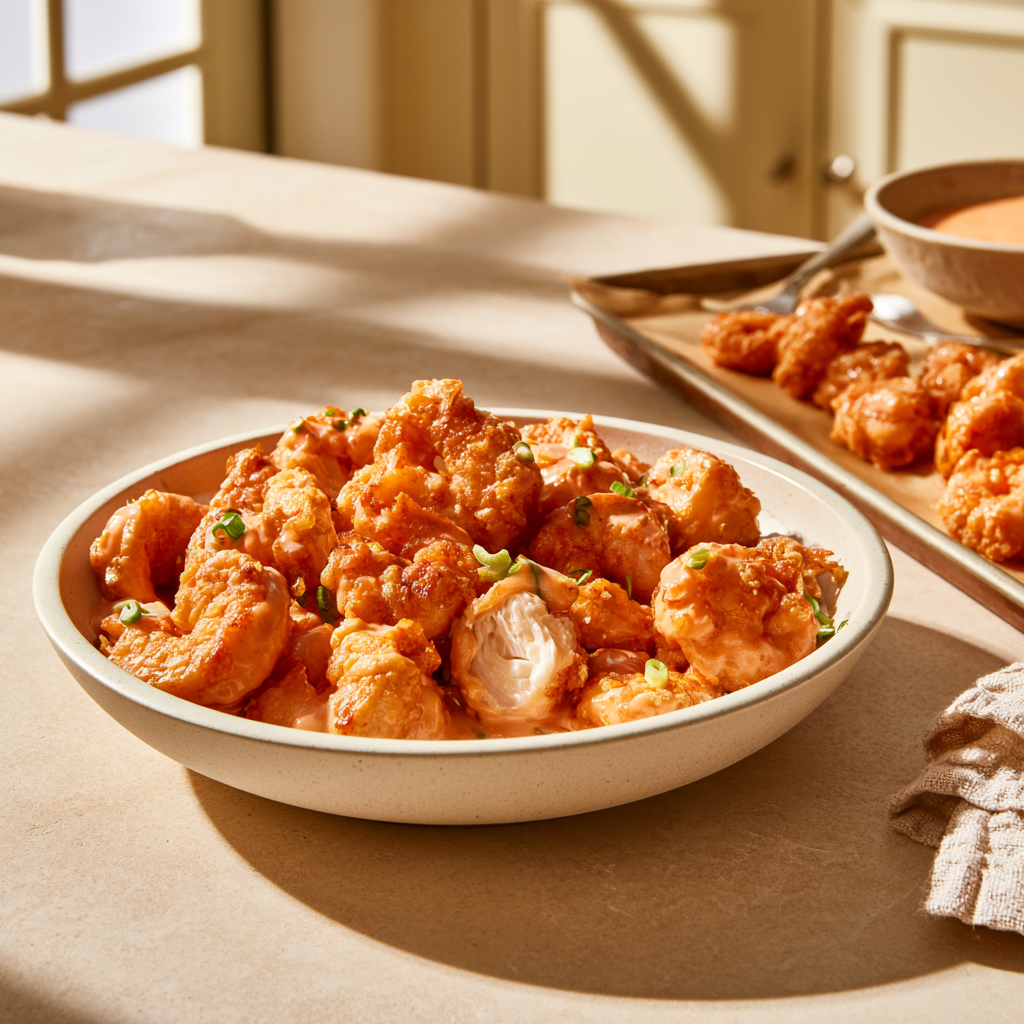
How to Make Bang Bang Shrimp Recipe: Easy Step-by-Step Instructions for Crispy, Juicy Shrimp
Making this Bang Bang Shrimp Recipe at home is easier than you might think! With tender shrimp, a light, crispy cornstarch coating, and a creamy sweet-and-spicy Bang Bang sauce, you can recreate the delicious flavors of a restaurant-style appetizer in your own kitchen.
The secret to amazing homemade Bang Bang Shrimp is simple: keep the shrimp juicy, make the coating golden and crispy, and add the sauce just before serving. When these three elements come together, every bite delivers a wonderful contrast of textures and flavors.
Unlike recipes that require complicated batters or lengthy marinades, this version uses a straightforward cornstarch coating that helps the shrimp crisp up beautifully. The homemade sauce takes only a few minutes to prepare and combines mayonnaise, Thai sweet chili sauce, sriracha, and fresh lime juice.
Best of all, the recipe comes together in approximately 30 minutes, making it perfect for busy weeknights, family dinners, weekend appetizers, and casual gatherings.
Whether this is your first time cooking shrimp or you’re looking for a reliable restaurant-inspired version, the following instructions will help you prepare crispy Bang Bang Shrimp with confidence.
Bang Bang Shrimp Recipe at a Glance
| Recipe Detail | Information |
|---|---|
| Prep Time | 15 minutes |
| Cook Time | Approximately 10 minutes |
| Total Time | Approximately 30 minutes, including heating the oil and finishing |
| Servings | 4 appetizer servings |
| Main Ingredient | 1 pound (450 g) raw shrimp |
| Cooking Method | Frying |
| Oil Temperature | 350°F (175°C) |
| Difficulty | Easy to Moderate |
| Sauce Flavor | Creamy, sweet, tangy, and moderately spicy |
| Best Served | Immediately after cooking |
Ingredients You’ll Need
This recipe uses everyday ingredients, but each one contributes to the final flavor and texture.
For the Crispy Shrimp
| Ingredient | Quantity | Purpose |
|---|---|---|
| Raw shrimp, peeled and deveined | 1 pound (450 g) | Main ingredient; tender, juicy seafood |
| Cornstarch | 1/2 cup (60 g) | Creates a thin, crispy coating |
| Garlic powder | 1/2 teaspoon | Adds savory garlic flavor |
| Paprika | 1/2 teaspoon | Adds color and gentle warmth |
| Fine salt | 1/4 teaspoon | Lightly seasons the shrimp |
| Ground black pepper | 1/4 teaspoon | Adds subtle flavor |
| Neutral frying oil | Approximately 2 cups (480 ml), or as needed for a safe frying depth | Helps create a golden, crisp exterior |
For the Homemade Bang Bang Sauce
| Ingredient | Quantity | Purpose |
|---|---|---|
| Mayonnaise | 1/3 cup (approximately 75 g) | Creamy sauce base |
| Thai sweet chili sauce | 1/4 cup (60 ml) | Adds sweetness and mild chili flavor |
| Sriracha | 2 teaspoons, plus more to taste | Provides a spicy kick |
| Fresh lime juice | 2 teaspoons | Balances sweetness and richness |
Optional Garnishes
| Ingredient | Quantity |
|---|---|
| Green onions, thinly sliced | 2 |
| Fresh lime wedges | As needed |
| Fresh cilantro, chopped | 1 tablespoon |
| Shredded lettuce or cabbage | For serving |
Ingredient tip: Use raw, peeled, deveined shrimp rather than precooked shrimp. Medium-large or large shrimp, approximately 31–40 per pound, work especially well because they’re easy to coat, fry quickly, and serve as bite-sized appetizers.
Step 1: Prepare the Shrimp Properly
Start with 1 pound (450 g) of raw shrimp, peeled and deveined.
If your shrimp are frozen, thaw them safely in the refrigerator overnight. For a quicker method, place the shrimp in a sealed bag and submerge it in cold water, changing the water periodically until thawed.
Avoid thawing shrimp on the kitchen counter.
Once thawed, remove any remaining shells or tails if desired.
Place the shrimp in a colander to drain, then transfer them to a plate or tray lined with paper towels.
Pat the shrimp thoroughly to remove excess surface moisture.
This step is particularly important because wet shrimp can cause the cornstarch to form a gummy coating rather than a light, crisp crust.
Excess moisture can also cause hot oil to splatter.
The shrimp should feel lightly tacky, not dripping wet.
OoohDelish Tip: Don’t rush the drying step. Properly dried shrimp help the coating adhere evenly and encourage a crisp exterior during frying.
Step 2: Make the Creamy Bang Bang Sauce
Before cooking the shrimp, prepare the delicious sauce that gives this dish its name.
In a small mixing bowl, combine:
- 1/3 cup mayonnaise
- 1/4 cup Thai sweet chili sauce
- 2 teaspoons sriracha
- 2 teaspoons freshly squeezed lime juice
Whisk until the sauce becomes smooth, creamy, and evenly combined.
The mixture should have a soft orange-pink color, depending on the brands of chili sauce and sriracha used.
Taste a small amount.
The sauce should be creamy at first, followed by gentle sweetness, a little heat, and a refreshing touch of acidity.
If you prefer a milder sauce, start with only 1 teaspoon of sriracha.
For additional heat, add more sriracha in small increments.
If it tastes too sweet, try another small squeeze of fresh lime juice before making other adjustments.
Cover the bowl and refrigerate the sauce while preparing the shrimp.
Why make the sauce first? Freshly fried shrimp taste best when served immediately. Preparing the sauce ahead means you won’t have to leave the shrimp sitting while you mix the dressing.
Step 3: Prepare the Crispy Cornstarch Coating
In a shallow bowl, combine:
- 1/2 cup cornstarch
- 1/2 teaspoon garlic powder
- 1/2 teaspoon paprika
- 1/4 teaspoon fine salt
- 1/4 teaspoon black pepper
Use a fork or small whisk to mix everything until the seasonings are evenly distributed.
Cornstarch is the main ingredient responsible for the shrimp’s light, crispy exterior.
Unlike a thick batter, a properly applied cornstarch coating creates a relatively thin crust that allows the natural flavor of the shrimp to remain noticeable.
The garlic powder adds savory depth, while paprika contributes subtle warmth and color.
Avoid adding water or another liquid directly to this dry mixture.
The small amount of natural moisture remaining on the shrimp should help the starch adhere.
For the best results, keep the coating dry until you’re ready to dredge the shrimp.
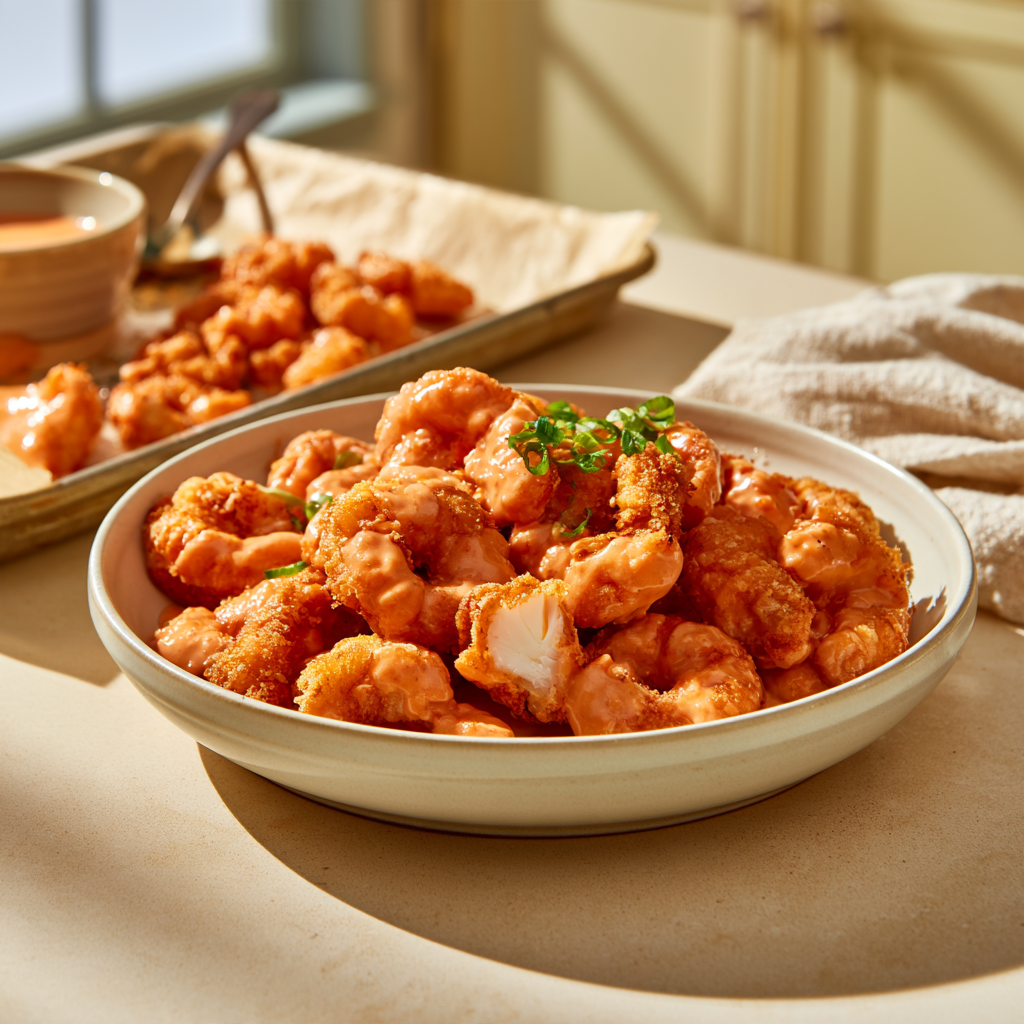
Step 4: Coat the Shrimp Evenly
Working with a handful of shrimp at a time, place the dried shrimp into the seasoned cornstarch mixture.
Gently toss until each piece is lightly coated on all sides.
Lift the shrimp from the bowl and shake off any excess powder.
You want a delicate, even coating rather than thick clumps of starch.
Transfer the coated shrimp to a clean plate or wire rack while you prepare the next batch.
Try to keep the pieces separated so they don’t stick together.
Avoid leaving the coated shrimp sitting for a long period before frying.
As the coating absorbs moisture, it can become sticky or uneven.
OoohDelish Tip: A thin, even coating is more important than using every bit of cornstarch in the bowl. Discard any leftover dredging mixture that has touched raw shrimp.
Step 5: Heat the Frying Oil to the Right Temperature
Pour approximately 2 cups of neutral frying oil, or enough to reach about 3/4–1 inch in a suitable small, heavy-bottomed saucepan or deep-sided pan.
The exact amount depends on the size of your cookware.
Never fill a frying pan or saucepan more than one-third full of oil, and allow plenty of space for bubbling.
Heat the oil over medium heat until it reaches approximately 350°F (175°C).
A kitchen thermometer is particularly helpful for maintaining the correct temperature.
This is one of the most important steps in the recipe.
If the oil is too cool, the shrimp coating may become greasy before it develops a crisp surface.
If the oil is excessively hot, the starch coating can darken before the shrimp have cooked through.
Maintain the temperature near 350°F throughout frying, adjusting the heat as necessary.
Keep the area around the stove clear, and never add water to hot frying oil.
Step 6: Fry the Shrimp in Small Batches
Carefully lower a few coated shrimp into the hot oil using tongs or a suitable slotted utensil.
Do not drop them from a height, as hot oil can splash.
Fry in small batches so the shrimp have enough space to cook without sticking together.
For medium-large shrimp, cooking will generally take approximately 2–4 minutes total, depending on their size, the depth of the oil, and how quickly the oil recovers its temperature.
Turn the shrimp if needed to encourage even browning.
The coating should become lightly golden and crisp.
The shrimp inside should turn firm, pearly, and opaque.
For food safety, use 145°F (63°C) as the general seafood cooking-temperature benchmark when checking with a suitable food thermometer.
Shrimp cook quickly, so avoid leaving them in the oil longer than necessary.
Overcooked shrimp become firm and rubbery, losing the tender texture that makes this dish so delicious.
Important: Frying time is a guide, not a guarantee of doneness. Larger shrimp or changes in oil temperature can alter the cooking time.
Step 7: Drain the Fried Shrimp
As each batch becomes golden and fully cooked, carefully remove the shrimp from the oil using a slotted spoon or spider strainer.
Transfer them to a wire rack placed over a tray.
A rack is especially useful because excess oil can drain away without collecting underneath the shrimp.
If you don’t have a wire rack, a paper-towel-lined plate can work as an alternative.
However, avoid piling the shrimp into a deep bowl while they’re still very hot.
Trapped steam can quickly soften the crispy coating.
Arrange the cooked shrimp in a relatively loose layer while you finish frying the remaining pieces.
Keep them warm, but don’t cover them tightly.
OoohDelish Tip: For the crispiest shrimp, drain them on a wire rack and avoid stacking them. Allowing steam to escape helps protect the golden coating.
Step 8: Finish Frying the Remaining Shrimp
Continue frying the shrimp in manageable batches.
Allow the oil to return near 350°F (175°C) before adding the next batch.
Adding too many cold shrimp at once can cause the oil temperature to drop significantly.
When this happens, the coating may absorb more oil and become less crispy.
Remove each batch as soon as the shrimp are fully cooked and the coating has turned golden.
Transfer the shrimp to the wire rack with the previous batch.
Once all the shrimp are cooked, turn off the heat.
Allow the frying oil to cool safely before handling or disposing of it.
Never pour hot cooking oil down the sink.
At this stage, your homemade shrimp should look golden, lightly crisp, and appetizing, with no need for an excessively thick coating.
Step 9: Bring the Sauce to the Right Consistency
Remove the prepared Bang Bang sauce from the refrigerator.
Give it a quick stir to make sure the ingredients remain evenly combined.
The sauce should be thick enough to cling to the shrimp but soft enough to coat them without forming heavy clumps.
If it’s unusually thick, you can stir in a few drops of lime juice.
Avoid adding too much liquid because an overly thin sauce won’t adhere well and may make the shrimp soggy.
Taste once more and adjust the heat if necessary.
For a classic homemade version, the sauce should taste sweet, creamy, mildly spicy, and gently tangy.
It’s important that no single ingredient completely overwhelms the others.
The mayonnaise should provide richness without making the sauce heavy.
The sweet chili sauce should contribute flavor rather than excessive sweetness.
And the sriracha should add just enough heat to make the dish exciting.
Step 10: Toss the Crispy Shrimp With Bang Bang Sauce
Transfer the freshly cooked shrimp to a large mixing bowl.
Add approximately two-thirds of the prepared Bang Bang sauce.
Using a large spoon or silicone spatula, gently toss the shrimp just until evenly coated.
Add a little more sauce if needed, but avoid drowning the shrimp.
The goal is a thin, flavorful coating that complements the crispy exterior.
If you prefer the shrimp to retain maximum crunch, arrange them on a serving plate and drizzle the sauce over the top instead of tossing them.
You can also serve some of the sauce separately for dipping.
This is one of the most important secrets of a successful Bang Bang Shrimp Recipe: add the sauce immediately before serving.
The longer the shrimp sit in a creamy dressing, the more moisture the crust absorbs.
For the best texture, bring everything together only when you’re ready to eat.
Step 11: Garnish for a Fresh, Restaurant-Style Finish
Transfer the sauced shrimp to a shallow serving bowl or platter.
Sprinkle with two thinly sliced green onions.
If desired, add a little freshly chopped cilantro.
Arrange a few lime wedges around the edges of the plate.
The green onions provide mild onion flavor and a fresh contrast to the creamy sauce.
The lime adds brightness and allows everyone to adjust the tanginess.
For a simple presentation, place the shrimp over a bed of shredded lettuce or cabbage.
There’s no need for complicated decoration.
The golden shrimp, creamy orange-tinted sauce, and fresh green garnish already make an inviting combination.
Serve while the shrimp are still warm and the coating is at its crispiest.
Step 12: Serve Your Homemade Bang Bang Shrimp Immediately
Your crispy Bang Bang Shrimp Recipe is ready to enjoy!
Serve the shrimp immediately as a shareable appetizer or turn them into a complete meal.
For an easy dinner, spoon them over steamed jasmine rice and add cucumber slices, shredded carrots, or cabbage.
You can also tuck the shrimp into warm tortillas with a crunchy slaw for homemade Bang Bang Shrimp tacos.
If you prefer a lighter serving style, use crisp lettuce leaves and add the shrimp with a small drizzle of sauce.
For a different seafood dinner, explore our Shrimp Scampi Risotto Recipe, which combines tender shrimp with creamy rice, garlic, and lemon.
While shrimp scampi risotto emphasizes comforting creaminess, Bang Bang Shrimp delivers a delicious contrast between crispy seafood and a bold, sweet-spicy sauce.
The finished shrimp are best eaten fresh because the sauce gradually softens the coating.
Bang Bang Shrimp Recipe: Step-by-Step Summary
| Step | What to Do | Essential Tip |
|---|---|---|
| 1. Prepare shrimp | Peel, devein, thaw if necessary, and pat dry | Remove excess surface moisture |
| 2. Make sauce | Mix mayonnaise, sweet chili sauce, sriracha, and lime | Adjust spice before frying |
| 3. Mix coating | Combine cornstarch and seasonings | Keep the mixture dry |
| 4. Coat shrimp | Dredge shrimp lightly | Shake off excess cornstarch |
| 5. Heat oil | Bring frying oil to 350°F (175°C) | Monitor temperature |
| 6. Fry shrimp | Cook in small batches until golden and done | Avoid overcooking |
| 7. Drain | Transfer fried shrimp to a wire rack | Prevent trapped steam |
| 8. Finish batches | Repeat with remaining shrimp | Let oil recover between batches |
| 9. Check sauce | Stir and taste the dressing | Keep it creamy, not watery |
| 10. Coat shrimp | Toss with enough sauce to lightly cover | Sauce just before serving |
| 11. Garnish | Add green onions, cilantro, or lime | Keep presentation simple |
| 12. Serve | Enjoy immediately as an appetizer or meal | Best while freshly crispy |
How to Know When Bang Bang Shrimp Is Perfectly Cooked
Perfectly cooked Bang Bang Shrimp should be golden and crispy outside, tender and juicy inside.
Shrimp change quickly during cooking, so pay attention to their appearance and texture.
Properly cooked shrimp generally become opaque and pearly, with a firm but tender texture.
Overcooked shrimp can become tightly curled, dry, and rubbery.
A lightly golden crust should surround the seafood without excessive darkening.
The coating should remain delicate rather than forming a thick, doughy shell.
If you’re unsure whether the shrimp are fully cooked, check a piece with an appropriate food thermometer.
The FDA recommends a general seafood cooking temperature of 145°F (63°C); properly cooked shrimp should also have firm, pearly, opaque flesh.
For consistency, try using similarly sized shrimp so the entire batch cooks at approximately the same rate.
Common Bang Bang Shrimp Problems and How to Fix Them
| Problem | Likely Cause | Solution |
|---|---|---|
| Shrimp are soggy | Oil too cool, too much sauce, or trapped steam | Maintain proper oil temperature, drain on a rack, and sauce at the end |
| Coating falls off | Shrimp too wet, excessive coating, or handling too aggressively | Pat shrimp dry, apply a thin coating, and handle gently |
| Shrimp are rubbery | Overcooked seafood | Use similarly sized shrimp and remove promptly when done |
| Coating burns quickly | Oil temperature too high | Keep oil near 350°F (175°C) |
| Shrimp are greasy | Overcrowded pan or low oil temperature | Fry smaller batches and monitor the oil |
| Sauce is too spicy | Excess sriracha | Begin with less sriracha and adjust gradually |
| Sauce is too sweet | Too much sweet chili sauce | Add lime juice gradually to balance the flavor |
| Sauce is too thin | Too much added liquid | Start with the measured ingredients and avoid unnecessary water |
| Shrimp lose crunch after coating | Sauce applied too early | Toss immediately before serving or drizzle sauce separately |
| Coating tastes powdery | Excess dry cornstarch or insufficient frying | Shake off excess coating and fry until fully crisp |
Frequently Asked Questions About Bang Bang Shrimp Recipe
Want perfectly crispy Bang Bang Shrimp coated in an irresistible creamy, sweet, and spicy sauce? These helpful answers explain how to select the best shrimp, prepare a light and crunchy coating, balance homemade Bang Bang sauce, avoid soggy or rubbery shrimp, and make delicious oven-baked or air-fryer variations. Discover the secrets to making restaurant-style Bang Bang Shrimp in your own kitchen.
1. What is Bang Bang Shrimp, and what does it taste like?
Bang Bang Shrimp is a popular restaurant-style seafood appetizer featuring crispy shrimp coated in a creamy, sweet, and spicy chili sauce. The shrimp are typically lightly coated in cornstarch or a flour mixture before frying until golden and crunchy. They’re then tossed with a sauce made from mayonnaise, sweet chili sauce, and Sriracha. Every bite combines a delicate crispy exterior, juicy shrimp, and a rich sauce with a balance of sweetness, gentle heat, and tanginess. It’s especially delicious served fresh.
2. What is Bang Bang Shrimp sauce made of?
Classic Bang Bang sauce combines mayonnaise, Thai sweet chili sauce, and Sriracha hot sauce. Mayonnaise creates the smooth, creamy texture, sweet chili sauce provides sweetness and mild chili flavor, and Sriracha adds a spicy kick. Some homemade versions include fresh lime juice, a little honey, or garlic for extra flavor. Simply whisk the ingredients together until smooth and taste before serving. You can adjust the proportions to make the sauce sweeter, creamier, tangier, or spicier.
3. Is Bang Bang Shrimp spicy, and how can I make it milder?
Bang Bang Shrimp is usually mildly to moderately spicy, depending on how much Sriracha or other hot sauce is used. The mayonnaise and sweet chili sauce balance the heat with creaminess and sweetness. For a milder version, reduce or omit the Sriracha and use a mild sweet chili sauce. For extra heat, add Sriracha gradually until it reaches your preferred level. Always taste the sauce before mixing it with the shrimp, especially when serving children or spice-sensitive guests.
4. What size and type of shrimp are best for Bang Bang Shrimp?
Large or extra-large raw shrimp are excellent for this recipe because they provide a satisfying bite and are relatively easy to coat evenly. Choose shrimp that have been peeled and deveined. Removing the tails makes them easier to eat when serving as an appetizer, although tail-on shrimp can work too. Fresh and properly thawed frozen shrimp are both suitable. Avoid using precooked shrimp for a standard fried version, since cooking them again can make the texture rubbery.
5. Can I use frozen shrimp for this Bang Bang Shrimp Recipe?
Yes! Frozen raw shrimp work beautifully when thawed properly before cooking. The safest method is to thaw them overnight in the refrigerator. For quicker thawing, place the shrimp in a leakproof bag and submerge them in cold water, changing the water as needed, then cook promptly. Never thaw seafood on the counter. After thawing, pat the shrimp thoroughly dry before preparing the coating. For another delicious seafood dish, try our Creamy Coconut Shrimp Recipe .
6. What makes Bang Bang Shrimp extra crispy?
The secret is a light, evenly distributed coating and properly heated cooking oil. Cornstarch helps create a crisp exterior, while some recipes combine it with all-purpose flour for added structure. Remove excess moisture from the shrimp or drain the buttermilk coating as directed before dredging. Shake off excess flour or starch so the coating isn’t excessively thick. Fry in manageable batches and transfer cooked shrimp to a wire rack. Add the creamy sauce just before serving.
7. Do you need buttermilk to make Bang Bang Shrimp?
Buttermilk is commonly used but isn’t required in every Bang Bang Shrimp recipe. In traditional crispy versions, it helps moisten the shrimp and allows the flour or cornstarch coating to adhere. Its mild tang also contributes flavor. However, some recipes use a dry cornstarch coating without buttermilk, while others use a different wet coating. Follow the method designed for your specific recipe rather than removing buttermilk without adjusting the coating process.
8. What oil temperature is best for frying Bang Bang Shrimp?
For many crispy Bang Bang Shrimp recipes, an oil temperature between 350°F and 375°F (175°C–190°C) works well. The exact setting depends on the coating and cooking method. At these temperatures, large coated shrimp may cook in approximately 2–3 minutes, but size and thickness affect the timing. Use a suitable frying thermometer and avoid overcrowding the pan, which lowers the temperature. The shrimp should be fully cooked with a golden coating before they are removed.
9. Why does my Bang Bang Shrimp turn soggy after adding the sauce?
Bang Bang Shrimp can become soggy when the creamy sauce is added too early or the coating contains too much moisture. The sauce gradually softens the crunchy exterior, especially when the shrimp sit for an extended period. For better results, drain freshly fried shrimp on a wire rack, allow excess surface oil to drip away, and toss with only enough sauce to coat. Serve immediately, or offer extra sauce separately for dipping.
10. Why is my Bang Bang Shrimp rubbery or overcooked?
Shrimp become rubbery when they cook for too long, causing their proteins to tighten and lose moisture. Properly cooked shrimp should be firm, pearly, and opaque rather than translucent or excessively tough. Shrimp cook quickly, so begin checking early and remove them once fully cooked. The FDA recommends cooking most seafood to 145°F (63°C) and describes cooked shrimp as firm, pearly, and opaque. Avoid precooked shrimp when preparing a recipe that requires frying raw shrimp.
11. Can I make Bang Bang Shrimp in an air fryer or oven?
Yes! Air-fryer and oven-baked variations are possible and can use less frying oil than deep-fried shrimp. For an air-fryer version, use a suitable dry coating, lightly mist the coated shrimp with oil, and arrange them in a single layer. Some recipes cook at approximately 390–400°F (200–205°C), but timing varies by appliance and shrimp size. Oven-baked versions also require a coating developed for dry heat. Cook until fully done and add Bang Bang sauce after cooking.
12. Can I make Bang Bang Shrimp gluten-free or dairy-free?
Both variations are possible with appropriate ingredient choices. For a gluten-free version, use a coating made with cornstarch or another suitable gluten-free flour, and verify that the sweet chili sauce, hot sauce, and seasonings are gluten-free. For dairy-free Bang Bang Shrimp, choose a preparation method that doesn’t require buttermilk or use a suitable dairy-free alternative in a tested formula. Many mayonnaise products contain no dairy, but always check the labels and avoid cross-contact when managing allergies.
13. Is Bang Bang Shrimp healthy, and can I make a lighter version?
Shrimp naturally provides protein and several important nutrients, but the nutritional profile of Bang Bang Shrimp depends on its coating, frying oil, and creamy sauce. Deep frying and mayonnaise can increase the fat and calorie content, while sweet chili sauce commonly contains added sugar. For a lighter version, try an appropriately formulated air-fryer or pan-seared recipe and use a moderate amount of sauce. For another lighter seafood idea, explore our Shrimp Weight Loss Recipe .
14. Can I make Bang Bang Shrimp and the sauce ahead of time?
The Bang Bang sauce can be prepared ahead of time and refrigerated in a clean, airtight container. Making it a day ahead is a convenient option for entertaining. Stir well before serving and follow the storage guidance for your ingredients. The shrimp are best cooked shortly before eating, because their coating loses crispness during storage. If preparing ingredients in advance, keep raw shrimp safely refrigerated and separate from ready-to-eat foods. Don’t coat the shrimp with sauce until you’re ready to serve.
15. How do you store and reheat leftover Bang Bang Shrimp?
Store cooked shrimp in a shallow, airtight container in the refrigerator at 40°F (4°C) or below. Refrigerate within two hours of cooking, or within one hour in very hot conditions. Use refrigerated cooked seafood within 3–4 days. For better texture, store the Bang Bang sauce separately when possible. Reheat the shrimp thoroughly to 165°F (74°C) using an oven or air fryer, avoiding prolonged heating that can make them tough. Add fresh sauce after reheating.
16. What should you serve with Bang Bang Shrimp?
Bang Bang Shrimp pairs beautifully with steamed rice, crunchy cabbage slaw, fresh cucumber, lettuce wraps, and warm tortillas. For a complete dinner, serve the crispy shrimp over rice with shredded carrots, avocado, scallions, and a drizzle of extra sauce. You can also use them as a filling for shrimp tacos or serve them as a party appetizer with lime wedges. For another seafood and rice combination, explore our Crab Fried Rice Recipe .