
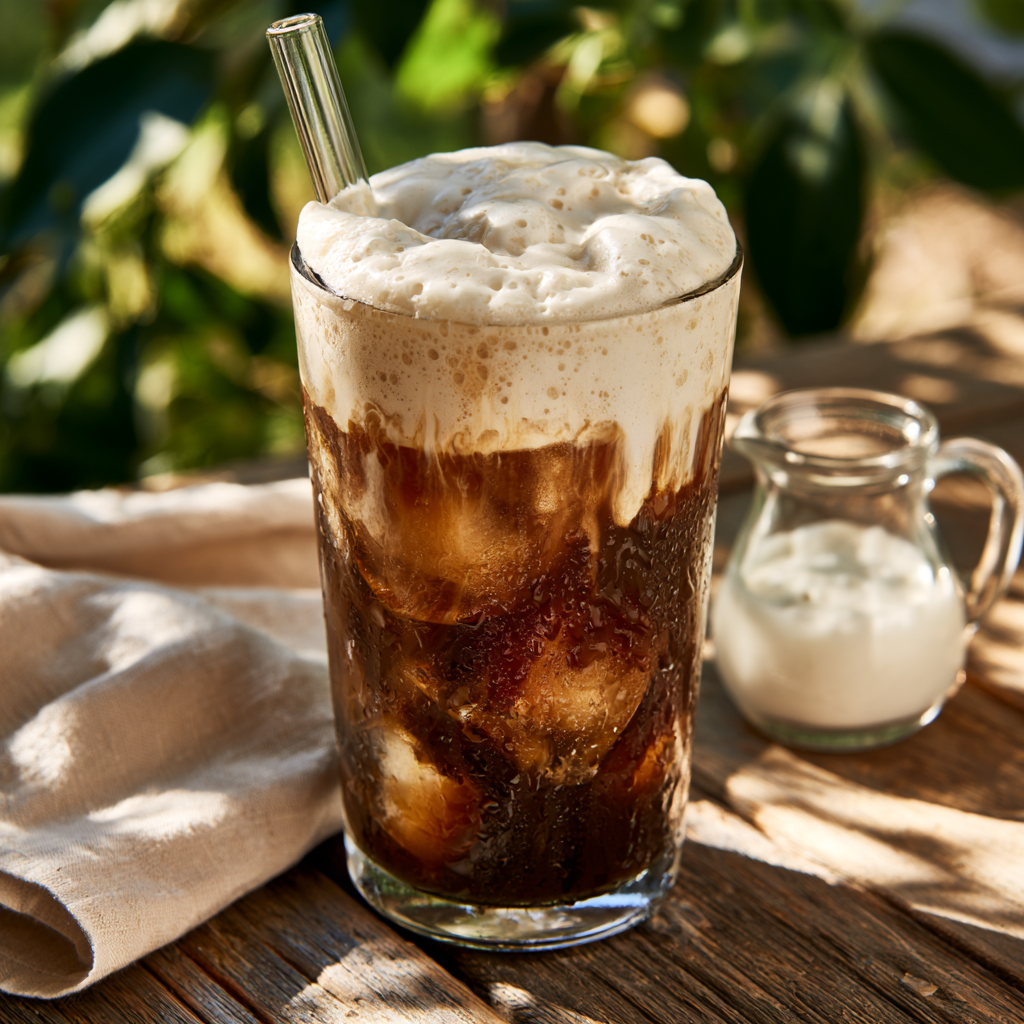
There’s something irresistible about a refreshing iced coffee topped with a thick, velvety layer of cold foam. That creamy cloud floating above your favorite drink makes every sip feel like a special coffee-shop experience. The good news? With this easy Cold Foam Recipe, you can recreate that delicious, café-style topping at home in just five minutes using a few simple ingredients and no expensive equipment.
Made with cold milk, a splash of heavy cream, vanilla extract, and a touch of sweetness, this homemade cold foam recipe creates a light, fluffy texture that gently sits on top of iced coffee instead of immediately disappearing into the drink. Unlike traditional whipped cream, cold foam is softer, more pourable, and designed to blend gradually with your coffee as you sip.
Whether you love iced lattes, cold brew, iced espresso, or homemade flavored coffee drinks, learning how to make cold foam at home is an easy way to upgrade your everyday routine. You can customize the sweetness, experiment with vanilla or caramel, and even create delicious seasonal variations like pumpkin spice cold foam.
The best part is that you don’t need a professional milk frother. A handheld frother, French press, or small blender can help you achieve a wonderfully airy consistency with minimal effort.
If you enjoy creative coffee drinks, try pairing this cold foam with the coffee flavors in our Tropical Smoothie Mocha Madness Recipe for more homemade inspiration.
In this OoohDelish guide, you’ll discover how to make perfect cold foam, choose the right ingredients, avoid common mistakes, and create a creamy topping that makes every iced coffee feel extra special.
Cold Foam Recipe
Equipment
- Handheld milk frother
- Tall narrow glass or frothing container
- Measuring tablespoons and teaspoons
- Small spoon or mini whisk
- Two serving glasses
- Optional: French press or electric cold milk frother
Ingredients
- For the Vanilla Sweet Cream Cold Foam
- Makes 2 servings
- Copy Ingredients
- ¼ cup 60 ml cold whole milk
- ¼ cup 60 ml cold heavy whipping cream
- 2 teaspoons 10 ml vanilla syrup
- ¼ teaspoon pure vanilla extract
Instructions
- Step 1: Chill the Ingredients and Prepare Your Equipment. Before making your homemade Cold Foam Recipe, ensure that the whole milk and heavy whipping cream are thoroughly chilled straight from the refrigerator, ideally at or below 40°F (4°C). Cold ingredients are especially useful when preparing sweet cream cold foam because they help maintain a pleasant consistency as the mixture aerates. Gather a handheld milk frother, a clean tall narrow glass or frothing container, measuring spoons, and a small mixing spoon. Make sure the container is large enough to accommodate the foam as it expands, preferably leaving at least half the container empty after adding the liquid. If you plan to serve your cold foam over iced coffee, have the coffee brewed and chilled beforehand so the topping can be enjoyed immediately after preparation.
- Step 2: Measure the Whole Milk and Heavy Cream. Pour ¼ cup (60 ml) of cold whole milk into your frothing container, followed by ¼ cup (60 ml) of cold heavy whipping cream. This equal-parts combination creates a rich homemade vanilla sweet cream cold foam that is creamier than a traditional nonfat-milk foam but lighter and more pourable than fully whipped heavy cream. Measure both liquids accurately so the finished mixture develops the intended consistency. Whole milk provides a smooth base, while heavy cream contributes richness and body. If you prefer a lighter foam, you can experiment with a higher proportion of milk in a future batch, keeping in mind that changing the ratio may alter the thickness and stability of the topping.
- Step 3: Add the Vanilla Syrup and Vanilla Extract. Add 2 teaspoons (10 ml) of vanilla syrup and ¼ teaspoon of pure vanilla extract to the chilled milk-and-cream mixture. Stir gently with a clean spoon for approximately 10 seconds until the ingredients are evenly combined. Vanilla syrup adds a mild sweetness and familiar coffee-shop flavor, while the vanilla extract deepens the aroma without requiring additional syrup. If your vanilla syrup is particularly sweet, you may prefer to begin with a smaller quantity and adjust future batches according to taste. Avoid adding large quantities of thick caramel sauce, cocoa paste, or other heavy flavorings at this stage because they can interfere with foam formation and produce an uneven texture.
- Step 4: Froth the Mixture Until Silky and Pourable. Place the head of your handheld milk frother below the surface of the chilled mixture, then switch it on and begin frothing. Keep the frother mostly submerged, adjusting its position slightly as needed to incorporate air and produce small, fine bubbles rather than large splashes. Froth for approximately 15–30 seconds initially, checking the consistency frequently; depending on your frother and cream formulation, the mixture may require additional time. Stop when the cold foam becomes visibly thicker, smooth, airy, and capable of pouring in a soft ribbon from a spoon. The goal is a velvety topping that retains some fluidity rather than stiff whipped cream. If the foam becomes too thick, gently fold in a teaspoon or two of cold milk until the desired consistency returns.
- Step 5: Prepare the Iced Coffee for Serving. If serving the cold foam with coffee, divide ice cubes between two clean serving glasses and pour approximately 1 cup (240 ml) of chilled cold brew coffee or iced coffee into each glass, leaving enough space above the coffee for the topping. You can also use iced espresso or an iced latte prepared according to your personal preference. For a visually attractive layered drink, choose transparent glasses and avoid filling them all the way to the rim. Taste the coffee before adding any additional sweetener, as the vanilla cold foam already provides sweetness. Preparing the beverage before adding the topping is important because freshly made cold foam has its best volume and texture immediately after frothing.
- Step 6: Gently Pour the Cold Foam Over the Coffee. Divide the freshly prepared vanilla sweet cream cold foam evenly between the two glasses, pouring it slowly over the surface of the chilled coffee or gently over the ice to encourage a visible creamy layer. The foam should settle into a soft, pale topping that briefly rests above the darker beverage before gradually blending into it. Avoid stirring immediately if you want to preserve the attractive layered appearance. If desired, finish with a very light dusting of cinnamon or cocoa powder, taking care not to add so much garnish that the delicate foam becomes weighed down. Serve promptly while the topping is fresh, airy, and beautifully silky.
- Step 7: Taste, Adjust, and Enjoy Immediately. Take a sip through the creamy cold foam and into the chilled coffee to experience the contrast between the smooth vanilla topping and the richer coffee beneath it. The foam should taste lightly sweet, creamy, and balanced rather than excessively sugary or dense. If you prefer a stronger vanilla flavor, increase the vanilla extract slightly in your next batch; if you want a sweeter topping, adjust the syrup in small increments. Because cold foam gradually loses volume as its air bubbles collapse, it is best served shortly after frothing rather than prepared hours in advance. Enjoy with cold brew, iced coffee, iced espresso, or another chilled beverage of your choice.
- Step 8: Store Unfrothed Cold Foam Base Properly. If you would like to prepare the recipe ahead of time, combine the milk, cream, vanilla syrup, and vanilla extract without frothing, then transfer the mixture to a clean, airtight food-safe container and refrigerate promptly at or below 40°F (4°C). For best quality, use the prepared base within approximately 24–48 hours, provided the original dairy ingredients remain within their safe storage periods. Stir or shake the refrigerated mixture gently before frothing, as minor separation may occur naturally. Froth only the portion needed immediately before serving, since already-aerated cold foam will gradually collapse and lose its smooth texture during storage. Discard any dairy mixture that has been left at room temperature for more than two hours, or one hour if the surrounding temperature exceeds 90°F (32°C).
Notes
- The Origins of Cold Foam Recipe: From Traditional Coffee Foam to Modern Coffee-Shop Favorites
- 1. The Early History of Milk Foam in Coffee Culture
- 2. How Starbucks Helped Popularize the Modern Cold Foam Recipe
- 3. The 2018 Expansion That Made Cold Foam Famous
- 4. Why Cold Foam Was Different From Traditional Whipped Cream
- 5. The Evolution of Vanilla Sweet Cream Cold Foam
- 6. How Homemade Cold Foam Recipes Became Popular
- 7. The Rise of Flavored Cold Foam
- 8. Why Cold Foam Became a Social Media Favorite
- 9. Cold Foam Recipe in Modern Homemade Coffee Culture
- 10. From Coffee-Shop Innovation to an Everyday Homemade Favorite
- Health Benefits of Cold Foam Recipe: Nutrition, Advantages, and Healthier Coffee Choices
- Nutritional Benefits of Cold Foam Recipe Ingredients
- 1. Milk-Based Cold Foam Provides Calcium for Bone Health
- 2. Cold Foam Can Contribute Small Amounts of Protein
- 3. Homemade Cold Foam Gives You Control Over Added Sugar
- 4. Low-Fat Cold Foam Can Be a Lighter Coffee Topping
- 5. Vanilla Adds Flavor Without Requiring Much Sugar
- 6. Cold Foam Can Help You Customize Your Coffee Without Sweetening the Entire Drink
- 7. Cold Foam Can Be Adapted for Different Dietary Preferences
- 8. Homemade Cold Foam Can Make Simple Iced Coffee More Enjoyable
- 9. Milk-Based Cold Foam May Provide Vitamin B12 and Other Micronutrients
- Cold Foam Recipe Nutrition: How Different Versions Compare
- How to Make Your Cold Foam Recipe Healthier
- Is Cold Foam Better for You Than Whipped Cream?
- Is Cold Foam Recipe Good for Weight Loss?
- Final Thoughts: Is Homemade Cold Foam Healthy?
- Nutritional Benefits of Cold Foam Recipe Ingredients
- Why You Should Try This Cold Foam Recipe: 12 Delicious Reasons to Make Coffee-Shop Cold Foam at Home
- 1. You Can Make Coffee-Shop-Style Cold Foam in Just 5 Minutes
- 2. It Creates an Irresistibly Smooth and Velvety Texture
- 3. You Don't Need an Expensive Milk Frother or Espresso Machine
- 4. You Can Control Exactly How Sweet Your Cold Foam Tastes
- 5. It Can Be More Affordable Than Ordering Cold Foam at a Coffee Shop
- 6. You Can Create Endless Cold Foam Flavor Variations
- 7. Cold Foam Works With More Than Just Iced Coffee
- 8. You Can Make Lighter or Dairy-Free Cold Foam
- 9. It Makes Homemade Iced Coffee Look Beautiful
- 10. It's Perfect for Entertaining and Coffee-Themed Gatherings
- 11. You Can Adjust the Texture to Match Your Favorite Coffee-Shop Drink
- 12. It Turns an Everyday Coffee Routine Into Something Special
- What Makes This OoohDelish Cold Foam Recipe Special?
- Expert Tips for Making the Best Cold Foam Recipe at Home
- Is Homemade Cold Foam Worth Making Instead of Buying It?
- Final Thoughts: Why You'll Love This Homemade Cold Foam Recipe
The Origins of Cold Foam Recipe: From Traditional Coffee Foam to Modern Coffee-Shop Favorites
The fascinating history of the Cold Foam Recipe begins with a simple idea that transformed how people enjoy iced coffee: what if the rich, velvety foam traditionally served on hot cappuccinos could be recreated for cold beverages? Today, cold foam has become one of the most recognizable toppings in modern coffee culture, adding a light, creamy layer to iced lattes, cold brew coffee, iced espresso, and even chilled tea. Its delicate texture, smooth consistency, and ability to carry delicious flavors have made it a favorite among coffee lovers who want to recreate their favorite café drinks at home.
Although modern cold foam recipes became especially popular during the 2010s, the techniques behind them are connected to a much older tradition of frothing milk for coffee. Baristas had been using steamed milk foam for decades to prepare cappuccinos and lattes, but creating a stable, silky topping without heat required a different approach. Instead of relying on steam, modern cold foam uses mechanical aeration to incorporate tiny air bubbles into chilled milk or a milk-and-cream mixture.
The result is a soft, cloud-like topping that sits above the coffee before slowly blending into the drink. Understanding the origins of homemade cold foam reveals how traditional coffee-making techniques evolved into one of today’s most popular coffee-shop innovations.
1. The Early History of Milk Foam in Coffee Culture
Long before cold foam became a popular iced coffee topping, milk foam was already an essential part of European espresso culture.
In Italy, cappuccinos became famous for their combination of espresso, steamed milk, and a creamy layer of foam. Baristas used steam wands to heat and aerate milk, creating tiny bubbles that gave the finished drink its characteristic texture.
This technique became increasingly important as espresso machines developed throughout the twentieth century.
Milk foam wasn’t simply decorative. It changed the drinking experience by adding a softer texture, balancing the intensity of espresso, and creating a creamy sensation.
As espresso-based beverages spread internationally, café customers became familiar with drinks featuring carefully textured milk.
However, traditional steamed foam was primarily associated with hot beverages. When iced coffee became more popular, coffee shops needed new ways to introduce a similarly creamy texture without heating the drink.
That challenge helped inspire the development of modern cold foam.
2. How Starbucks Helped Popularize the Modern Cold Foam Recipe
A major turning point in the history of cold foam came through Starbucks.
According to the company’s historical account, cold foam debuted in Seattle in 2014, inspired by the textured milk used in traditional espresso drinks.
One early application appeared in the Americano con Crema at the Seattle Starbucks Reserve Roastery, where cold foam provided a silky finish to a chilled coffee beverage.
The idea was to create a foam that could be enjoyed cold while offering some of the richness and texture associated with steamed milk.
Rather than heating the milk with steam, baristas used equipment designed to aerate it while cold.
This approach made it possible to create a light, velvety topping that could float over iced beverages and gradually blend into the coffee.
Cold foam remained a relatively specialized offering during its early years, but its distinctive texture helped establish it as an appealing addition to iced coffee.
3. The 2018 Expansion That Made Cold Foam Famous
Although Starbucks introduced cold foam in 2014, its broader popularity accelerated in April 2018, when the company expanded cold foam beverages across its U.S. and Canadian coffeehouses.
Among the drinks introduced during this period were Cold Foam Cascara Cold Brew, Cold Foam Cascara Nitro Cold Brew, and Cold Foam Blonde Iced Cappuccino.
These drinks helped introduce customers to a new way of enjoying iced coffee: instead of mixing cream or milk directly into the beverage, a layer of aerated milk could rest on top, creating a distinct texture with every sip.
The concept was particularly appealing because it allowed the coffee’s flavor to remain noticeable while providing a softer, creamier finish.
For many customers, cold foam became a way to customize the coffee experience without simply adding more milk throughout the entire drink.
As cold brew and iced espresso drinks grew in popularity, cold foam became a recognizable part of contemporary coffee-shop menus.
The expansion helped turn a relatively specialized coffee technique into a mainstream beverage topping.
4. Why Cold Foam Was Different From Traditional Whipped Cream
One reason the modern Cold Foam Recipe became so popular was that it offered something different from traditional whipped cream.
Whipped cream is generally made using heavy cream with enough fat to form a thick, stable structure when whipped. It often produces a rich topping that can hold peaks and remain distinct from the beverage below.
Cold foam, by contrast, is intended to be lighter, softer, and more pourable.
Early coffee-shop versions commonly used cold nonfat milk, which could create a fine, airy foam when mechanically aerated.
As recipes evolved, combinations of milk, cream, vanilla, and sweeteners became popular for a richer variation often called sweet cream cold foam.
The difference is most noticeable when drinking.
Whipped cream tends to sit as a thicker topping, while properly prepared cold foam creates a silky layer that gradually combines with the coffee.
This makes cold foam particularly appealing for people who want creamy texture without the density of traditional whipped cream.
5. The Evolution of Vanilla Sweet Cream Cold Foam
As cold foam gained popularity, coffee shops began experimenting with sweeter, richer variations.
One of the most recognizable examples is Vanilla Sweet Cream Cold Foam, which combines dairy ingredients with vanilla sweetness to create a smooth topping for iced coffee.
Unlike plain cold foam made primarily with milk, sweet cream versions often use a combination of milk and heavy cream.
This produces a richer mouthfeel and a more dessert-like flavor.
Vanilla became a natural choice because its sweet, warm aroma complements the slightly bitter notes found in coffee.
The result is a topping that adds creaminess without requiring the entire drink to taste like a dessert.
Today, homemade versions commonly include cold milk, heavy cream, vanilla extract, and a small amount of sugar or vanilla syrup.
These ingredients can be whisked or frothed using a handheld milk frother, French press, or suitable electric frother.
The ability to make a similar topping with familiar ingredients has helped cold foam become increasingly popular among home coffee enthusiasts.
6. How Homemade Cold Foam Recipes Became Popular
As cold foam became more familiar in coffee shops, home coffee enthusiasts began experimenting with ways to recreate the same creamy texture without professional equipment.
The idea was surprisingly approachable. Instead of using an expensive commercial frothing system, home cooks discovered that handheld milk frothers, French presses, and small electric frothers could introduce air into cold dairy mixtures.
This made it possible to prepare a homemade Cold Foam Recipe using only a few ingredients.
Many home versions combine cold milk, heavy cream, vanilla extract, and a small amount of sweetener. By adjusting the milk-to-cream ratio, the topping can be made lighter and airier or richer and creamier.
However, homemade sweet cream cold foam is not identical to the original nonfat-milk foam used in early coffee-shop drinks. The higher cream content changes the texture and richness.
This flexibility helped cold foam become a popular addition to homemade iced coffee routines.
It also gave people more control over sweetness, flavor, portions, and ingredients.
7. The Rise of Flavored Cold Foam
Another important stage in the evolution of the Cold Foam Recipe was the introduction of flavored variations.
As coffee shops expanded their menus, cold foam became more than a simple milk topping. It offered a new way to introduce vanilla, chocolate, caramel, seasonal spices, and other flavors to iced beverages.
Vanilla sweet cream cold foam became particularly recognizable because its mild sweetness complements coffee without completely masking its flavor.
Pumpkin cream cold foam helped bring the familiar flavors of autumn into iced coffee, while chocolate cold foam introduced a richer, dessert-inspired option.
Other variations include cinnamon, pistachio, matcha, and strawberry.
By July 2026, Starbucks reported that cold foam accounted for approximately one-third of beverage customizations, demonstrating how important this topping had become to personalized coffee orders.
For home coffee lovers, these variations opened the door to experimenting with flavors using simple ingredients.
8. Why Cold Foam Became a Social Media Favorite
Cold foam’s visual appeal has also contributed to its popularity.
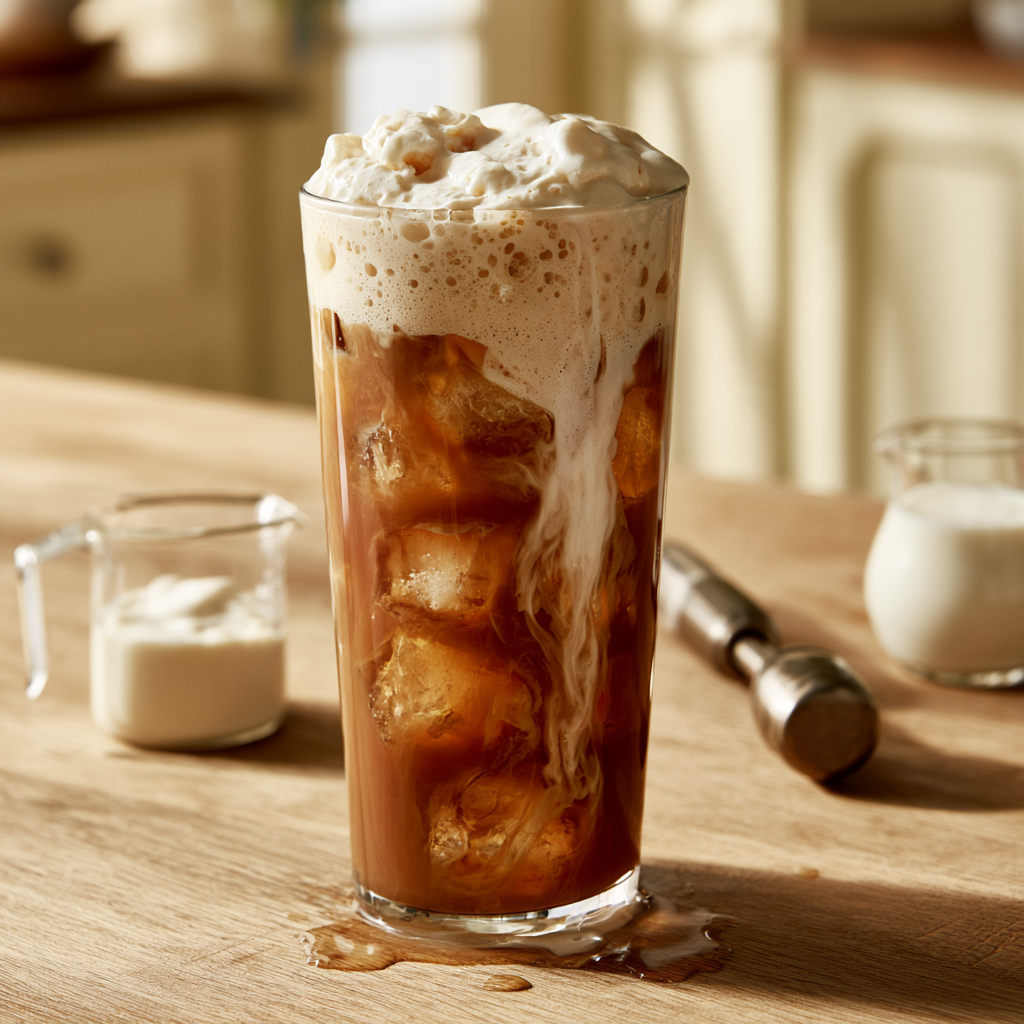
A glass of dark iced coffee topped with a thick, pale layer of foam creates an attractive contrast that is easy to recognize.
When the coffee is stirred or sipped, the foam gradually moves into the darker beverage, creating beautiful swirling patterns.
These details make cold foam drinks appealing for food photography and short recipe videos.
The topping also offers plenty of opportunities for seasonal creativity. A light dusting of cinnamon, a small drizzle of caramel, or a touch of cocoa powder can completely change the appearance of a drink.
For home creators, cold foam provides a relatively simple way to give an everyday iced coffee a more polished presentation.
The appeal is not only visual, however. The combination of refreshing coffee and soft, creamy foam offers a distinctive texture that many coffee drinkers enjoy.
9. Cold Foam Recipe in Modern Homemade Coffee Culture
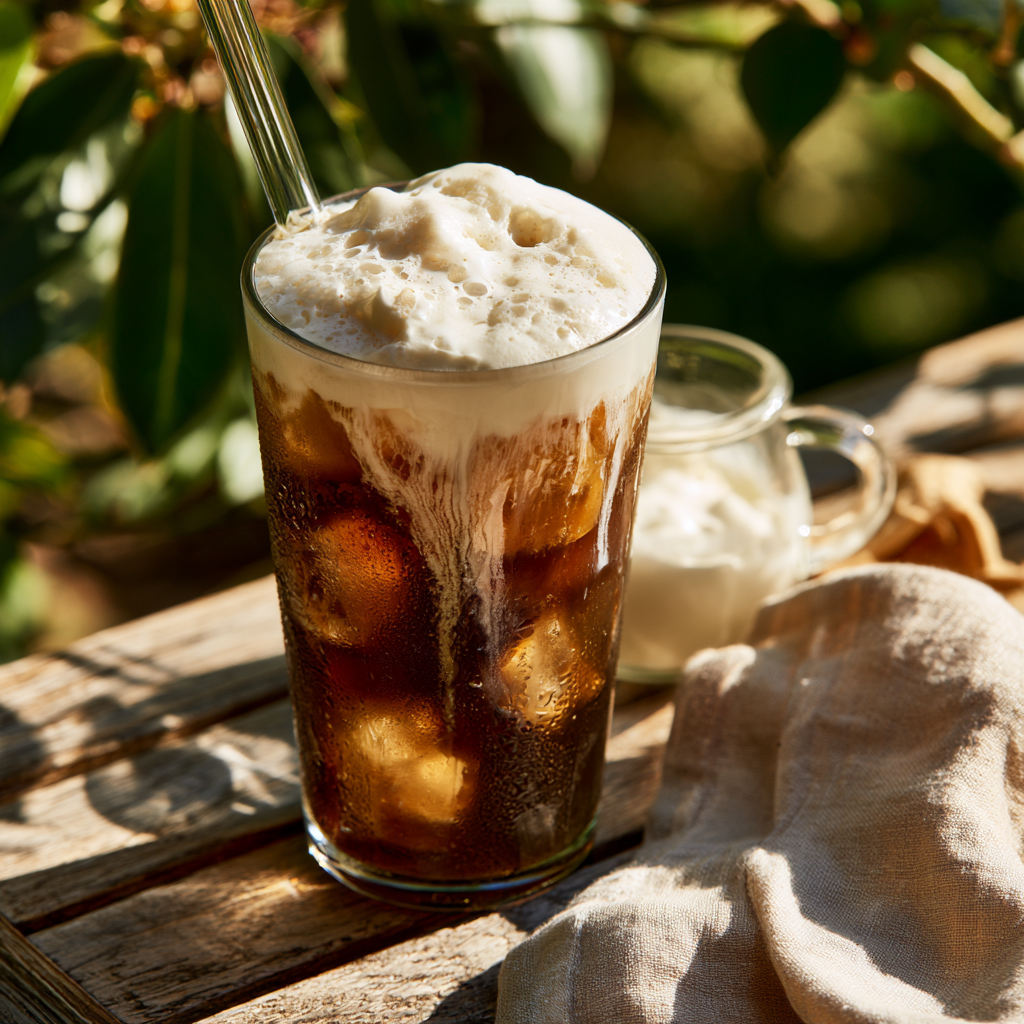
Today, preparing a Cold Foam Recipe at home is an approachable way to personalize iced beverages.
A basic homemade version can be prepared using chilled milk, heavy cream, vanilla extract, and a little sugar or syrup.
With a suitable frother, the mixture can develop a light, silky consistency in less than a minute, depending on the ingredients and equipment.
The topping can then be poured directly over cold brew, iced espresso, or iced coffee.
People who prefer a lighter foam can experiment with cold low-fat or nonfat milk, while those who enjoy a richer topping may prefer a sweet cream combination.
Cold foam can also complement other chilled drinks, including matcha, chai, and certain tea-based beverages.
For another refreshing homemade coffee idea, our Tropical Smoothie Mocha Madness Recipe combines coffee, cocoa, banana, and creamy ingredients to create a chocolate-inspired drink. A small amount of vanilla cold foam can also be used as an optional topping when serving a similar chilled mocha drink.
10. From Coffee-Shop Innovation to an Everyday Homemade Favorite
The journey of cold foam illustrates how a familiar coffee-making technique can evolve into something entirely new.
Traditional steamed milk foam provided the inspiration, but the development of cold aeration techniques made it possible to create a creamy topping specifically suited to chilled drinks.
Starbucks’ early cold foam experiments in 2014 and its wider 2018 launch helped popularize the concept, while the subsequent growth of flavored cold foam introduced new possibilities for coffee customization.
Today, the modern Cold Foam Recipe is no longer limited to professional coffee shops.
With a few simple ingredients and basic equipment, home coffee enthusiasts can recreate a similar creamy topping while adjusting the flavor, sweetness, and texture to their personal preferences.
Whether you enjoy classic vanilla cold foam, rich chocolate cold foam, or seasonal pumpkin variations, the idea remains beautifully simple: adding a light, velvety layer that makes a refreshing beverage feel a little more special.
OoohDelish Coffee Secret: The key to a successful homemade cold foam is starting with properly chilled ingredients and frothing only until the mixture becomes silky, airy, and pourable. Avoid whipping it into stiff peaks. For a beautifully layered drink, pour the finished foam gently over iced coffee and enjoy it before the layers completely blend together.
Health Benefits of Cold Foam Recipe: Nutrition, Advantages, and Healthier Coffee Choices
A rich, velvety layer of homemade cold foam can transform an ordinary iced coffee into a creamy, coffee-shop-style treat. But beyond its smooth texture and delicious flavor, you may be wondering whether a Cold Foam Recipe offers any nutritional benefits. The answer depends largely on the ingredients you choose, how much foam you add to your drink, and whether you prepare a lighter milk-based version or a richer vanilla sweet cream cold foam.
Traditional cold foam is often prepared with cold milk, while sweeter homemade variations combine milk, heavy cream, vanilla extract, and a small amount of sugar or flavored syrup. Milk naturally provides protein, calcium, and vitamin B12, and some fortified varieties also contain vitamin D. These nutrients contribute to normal bone maintenance, muscle function, and other important processes in the body.
One of the biggest advantages of making a Cold Foam Recipe at home is having complete control over the ingredients. You can use low-fat milk, adjust the sweetness, experiment with unsweetened plant-based alternatives, or prepare a richer version for special occasions. This flexibility allows you to enjoy the creamy texture of your favorite coffee-shop drinks while making choices that better match your nutritional preferences.
However, it’s important to understand that cold foam is primarily a beverage topping rather than a health food. Adding heavy cream and flavored syrups can increase saturated fat, calories, and added sugar. The nutritional contribution of a small serving of cold foam is also considerably less than that of a full glass of milk.
Let’s explore the real nutritional advantages of homemade cold foam, the benefits of its ingredients, and practical ways to make this refreshing topping a more balanced addition to your favorite drinks.
Nutritional Benefits of Cold Foam Recipe Ingredients
The following table highlights the main ingredients commonly used in homemade cold foam and explains their nutritional contributions.
| Ingredient | Nutritional contribution | Benefits and considerations |
|---|---|---|
| Cold milk | Protein, calcium, phosphorus, vitamin B12 | Provides nutrients involved in bone maintenance and normal body functions. |
| Heavy cream | Dietary fat and small amounts of fat-soluble vitamins | Creates a richer texture but adds significant saturated fat and calories. |
| Vanilla extract | Aromatic flavor compounds | Enhances sweetness perception and flavor without requiring a large quantity. |
| Granulated sugar | Carbohydrates | Adds sweetness and energy but provides negligible essential nutrients. |
| Vanilla syrup | Added sugars | Creates a café-style flavor but can noticeably increase sugar content. |
| Unsweetened almond milk | Often low in calories; fortified varieties may provide calcium | Suitable for some dairy-free versions, but typically contains little protein. |
| Unsweetened soy milk | Plant protein; calcium and vitamin D when fortified | Can provide a relatively nutritious dairy-free alternative. |
| Oat milk | Carbohydrates, some fiber depending on formulation | Offers a naturally creamy consistency, although its protein content varies. |
| Cinnamon (optional) | Aromatic plant compounds | Adds warm flavor with minimal calories when used in small quantities. |
The nutritional contribution of a cold foam topping depends on its actual ingredient quantities. Milk-based versions can provide some useful nutrients, while cream-heavy recipes are generally more calorie-dense.
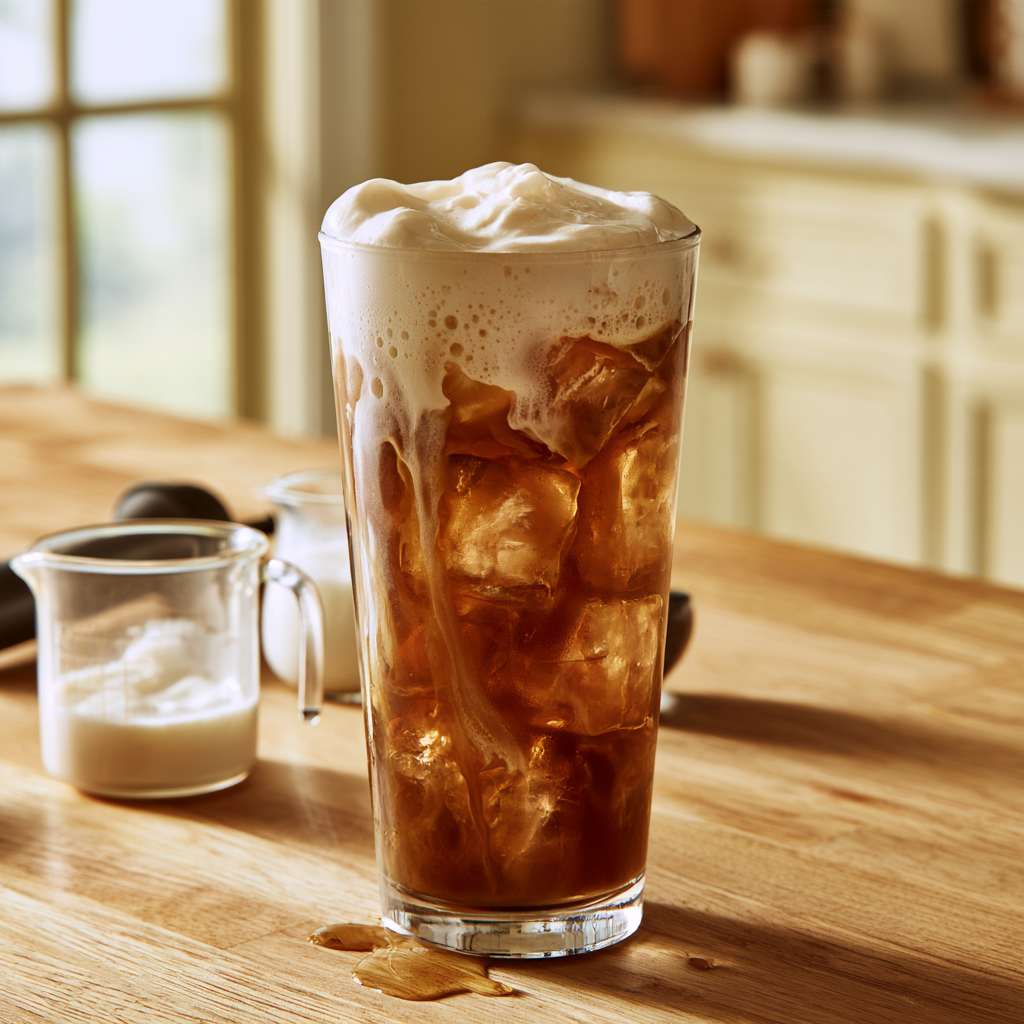
1. Milk-Based Cold Foam Provides Calcium for Bone Health
One of the most important nutritional contributions of a milk-based Cold Foam Recipe is calcium.
Calcium is an essential mineral that helps maintain strong bones and teeth. It also contributes to muscle contraction, nerve signaling, and normal blood clotting.
Cow’s milk is a naturally rich source of calcium. According to the National Institutes of Health, one cup of whole milk provides approximately 276 mg of calcium, while one cup of nonfat milk provides around 299 mg.
When milk is used to make cold foam, some of this calcium remains in the finished topping.
However, the amount you receive depends on the serving size. A few tablespoons of foam contain much less calcium than an entire cup of milk, especially if the recipe contains a large proportion of heavy cream.
For a lighter homemade cold foam, using low-fat or nonfat milk can provide calcium while reducing the amount of saturated fat contributed by the topping.
2. Cold Foam Can Contribute Small Amounts of Protein
Milk contains two primary protein groups: casein and whey. Both provide essential amino acids needed for normal body functions.
Protein contributes to the maintenance and repair of body tissues, supports muscle function, and participates in the production of enzymes and other important compounds.
A full cup of cow’s milk generally contains approximately 8 grams of protein.
However, because cold foam is typically used in relatively small quantities, the protein contribution of one serving is modest.
For example, a cold foam topping prepared using ¼ cup of milk provides only about 2 grams of protein from that milk. If the recipe contains mostly heavy cream, the protein content may be lower relative to its calorie content.
For a dairy-free variation, unsweetened soy milk generally provides more protein than many almond or oat milk beverages.
Milk-based cold foam is therefore a way to add a little protein to a drink, but it should not be considered a replacement for a protein-rich meal or snack.
3. Homemade Cold Foam Gives You Control Over Added Sugar
One of the most practical benefits of preparing a Cold Foam Recipe at home is the ability to adjust the sweetness.
Many coffee-shop cold foam variations contain flavored syrups or added sugar, especially vanilla sweet cream, caramel, and seasonal options.
Preparing your own version allows you to measure how much sugar goes into the mixture.
You can start with a small amount of vanilla syrup, taste the finished foam, and increase the sweetness only if needed.
Alternatively, pure vanilla extract and a little cinnamon can create a pleasant flavor without requiring a large amount of added sugar.
It’s also useful to understand the difference between naturally occurring and added sugars.
Plain cow’s milk contains lactose, a naturally occurring sugar, while granulated sugar, honey, and sweetened syrups count as added sugars when incorporated into a recipe.
The FDA distinguishes these categories on Nutrition Facts labels and recommends using the added-sugar information to help make informed dietary choices.
A homemade cold foam with reduced syrup can be a useful alternative to a heavily sweetened commercial topping, provided the recipe still satisfies your preferences.
4. Low-Fat Cold Foam Can Be a Lighter Coffee Topping
Cold foam does not have to contain heavy cream.
Although rich sweet cream cold foam is popular, a lighter version can be made with cold nonfat or low-fat milk and a suitable frother.
Nonfat milk can develop a surprisingly airy texture because its milk proteins help stabilize tiny bubbles introduced during frothing.
Using less cream generally reduces the fat and calorie content of the topping.
For example, a tablespoon of heavy whipping cream contains roughly 50 calories, while the same volume of nonfat milk contains only a few calories.
This difference becomes noticeable when preparing large cold foam servings.
If you enjoy creamy iced coffee frequently, experimenting with a lighter milk-based foam can help reduce the calories contributed by the topping without giving up the airy texture.
However, low-fat cold foam will not necessarily have the same rich mouthfeel as a version containing heavy cream. The two styles offer different experiences, and the best choice depends on your desired flavor and consistency.
5. Vanilla Adds Flavor Without Requiring Much Sugar
Vanilla is one of the most recognizable flavors in homemade cold foam.
Its warm, sweet-smelling aroma pairs particularly well with the roasted flavor of coffee, creating a familiar café-style experience.
A small amount of pure vanilla extract can make an unsweetened or lightly sweetened topping taste more appealing without significantly increasing its calorie content.
Vanilla does not provide meaningful amounts of vitamins or minerals at typical recipe quantities, and it should not be described as a treatment for inflammation, stress, or other health conditions.
Its main advantage is culinary: it enhances flavor.
By combining vanilla with a small amount of sweetener, you can produce a cold foam that tastes pleasant without relying on excessive syrup.
For a delicious variation, add a tiny pinch of cinnamon, which complements vanilla and coffee particularly well.
6. Cold Foam Can Help You Customize Your Coffee Without Sweetening the Entire Drink
Another practical advantage of homemade cold foam is the ability to add flavor and creaminess to only the top of your coffee.
Instead of mixing several tablespoons of syrup or cream throughout an entire iced coffee, you can add a measured portion of cold foam.
The topping gradually blends into the beverage as you drink it, creating a changing combination of coffee flavor and creamy sweetness.
This approach gives you more control over how much dairy or sweetener you consume.
For example, you might prepare an unsweetened iced cold brew and finish it with a small serving of lightly sweetened vanilla cold foam.
The resulting drink can provide a satisfying contrast between bold coffee and creamy topping without requiring the entire beverage to be heavily sweetened.
This does not automatically guarantee fewer calories, since a large serving of cream-based foam may contain more calories than a modest splash of milk.
The advantage comes from measuring and controlling the ingredients.
If you enjoy experimenting with homemade coffee drinks, our Tropical Smoothie Mocha Madness Recipe offers another creative combination of coffee, cocoa, banana, and creamy ingredients. You can also experiment with a small amount of homemade vanilla cold foam as an optional topping for a similarly prepared iced mocha drink.
7. Cold Foam Can Be Adapted for Different Dietary Preferences
Homemade cold foam is highly customizable, making it possible to create variations for different preferences and dietary needs.
People who avoid lactose may prefer lactose-free cow’s milk, which generally offers a protein and calcium content similar to regular milk.
Those following a dairy-free diet can experiment with plant-based alternatives, although not every beverage froths equally well.
Soy milk is a useful option because its protein content can help form and stabilize foam.
Some oat milk varieties, particularly products formulated for barista use, also create a creamy texture.
Almond milk can work, but the resulting foam may be thinner or less stable depending on the product.
For people monitoring calories or saturated fat, low-fat or nonfat milk may be appropriate choices.
The important point is that the recipe can be modified without requiring expensive equipment or unfamiliar preparation techniques.
However, always check ingredient labels carefully, particularly when preparing drinks for someone with milk, soy, or tree-nut allergies.
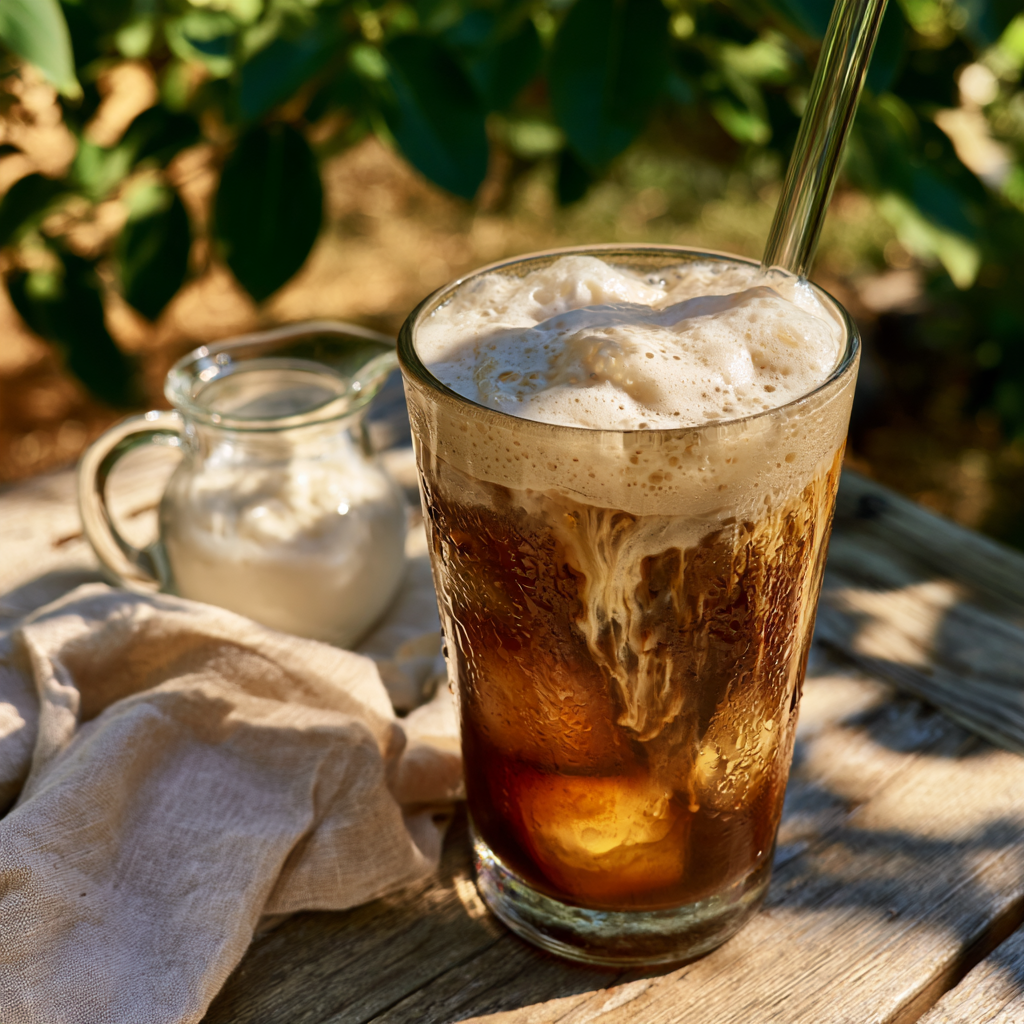
8. Homemade Cold Foam Can Make Simple Iced Coffee More Enjoyable
A well-prepared cold foam adds more than flavor. It changes the texture and presentation of an iced drink.
The smooth layer resting above dark coffee creates a visually appealing contrast, while the tiny air bubbles give each sip a soft, velvety sensation.
This can make a straightforward homemade cold brew or iced espresso feel like a more elaborate coffee-shop beverage.
Preparing cold foam at home may also make it easier to stick with your preferred ingredients and portion sizes rather than purchasing a heavily customized drink every time.
For example, you can prepare plain iced coffee, choose your desired amount of milk or cream, and add only enough sweetener to suit your taste.
The benefit here is greater personalization and enjoyment rather than a proven physiological health effect.
Cold foam itself does not boost metabolism, detoxify the body, or provide special weight-loss properties.
Its appeal comes from its creamy consistency, versatility, and ability to enhance a refreshing homemade beverage.
9. Milk-Based Cold Foam May Provide Vitamin B12 and Other Micronutrients
Cow’s milk contains several nutrients beyond calcium and protein.
These include vitamin B12, phosphorus, potassium, and riboflavin.
Vitamin B12 contributes to normal red blood cell formation and nervous system function, while phosphorus is involved in bone structure and cellular energy processes.
Potassium helps support normal fluid balance and muscle function.
The quantities present in cold foam depend on how much milk is used and whether the recipe includes additional cream or other ingredients.
Because a serving of cold foam is much smaller than a full glass of milk, the resulting micronutrient contribution is generally limited.
Nevertheless, a milk-based topping can provide small amounts of these nutrients as part of an overall varied diet.
For people who choose plant-based alternatives, fortified products may provide vitamin B12, calcium, and vitamin D, depending on the manufacturer.
Cold Foam Recipe Nutrition: How Different Versions Compare
Not all cold foam recipes have the same nutritional profile. A light foam made from nonfat milk is quite different from a rich vanilla sweet cream foam containing heavy cream and syrup.
The table below compares illustrative ¼-cup servings prepared with different ingredients.
| Cold foam variation | Approximate calories | Main nutritional consideration |
|---|---|---|
| Plain nonfat milk cold foam | 20–25 kcal | Lower fat, with small amounts of protein and calcium |
| Plain whole milk cold foam | 35–40 kcal | More fat and a creamier mouthfeel |
| Unsweetened soy milk cold foam | 20–30 kcal | Plant protein; calcium if fortified |
| Unsweetened almond milk cold foam | 8–15 kcal | Often low in calories but generally low in protein |
| Unsweetened oat milk cold foam | 20–40 kcal | Creamy texture, with carbohydrates varying by brand |
| Vanilla sweet cream cold foam | 80–160 kcal | More saturated fat and potentially added sugar |
These are broad ingredient-based estimates rather than measured nutrition values for one specific recipe. Frothing incorporates air and increases volume, so ¼ cup of finished foam may contain less liquid than ¼ cup of the original mixture. Sweeteners and product brands can also change the values substantially.
How to Make Your Cold Foam Recipe Healthier
One of the greatest strengths of homemade cold foam is that small changes can make a noticeable difference in nutritional composition.
| Simple adjustment | Potential benefit | What to consider |
|---|---|---|
| Use low-fat or nonfat milk | Reduces calories and saturated fat | Texture will be lighter than heavy-cream foam |
| Reduce vanilla syrup | Lowers added sugar | Use vanilla extract for additional flavor |
| Choose unsweetened plant-based milk | Can reduce added sugar | Protein and calcium vary by product |
| Use smaller portions | Helps manage calories | A little foam may be enough for flavor and texture |
| Add cinnamon | Enhances aroma without substantial added sugar | Use a small amount to avoid overpowering coffee |
| Choose fortified soy milk | May provide protein and calcium | Check labels for added sugar and allergens |
| Use less heavy cream | Reduces saturated fat | Foam may become less rich and dense |
| Make it fresh | Helps preserve texture and flavor | Refrigerate dairy ingredients promptly |
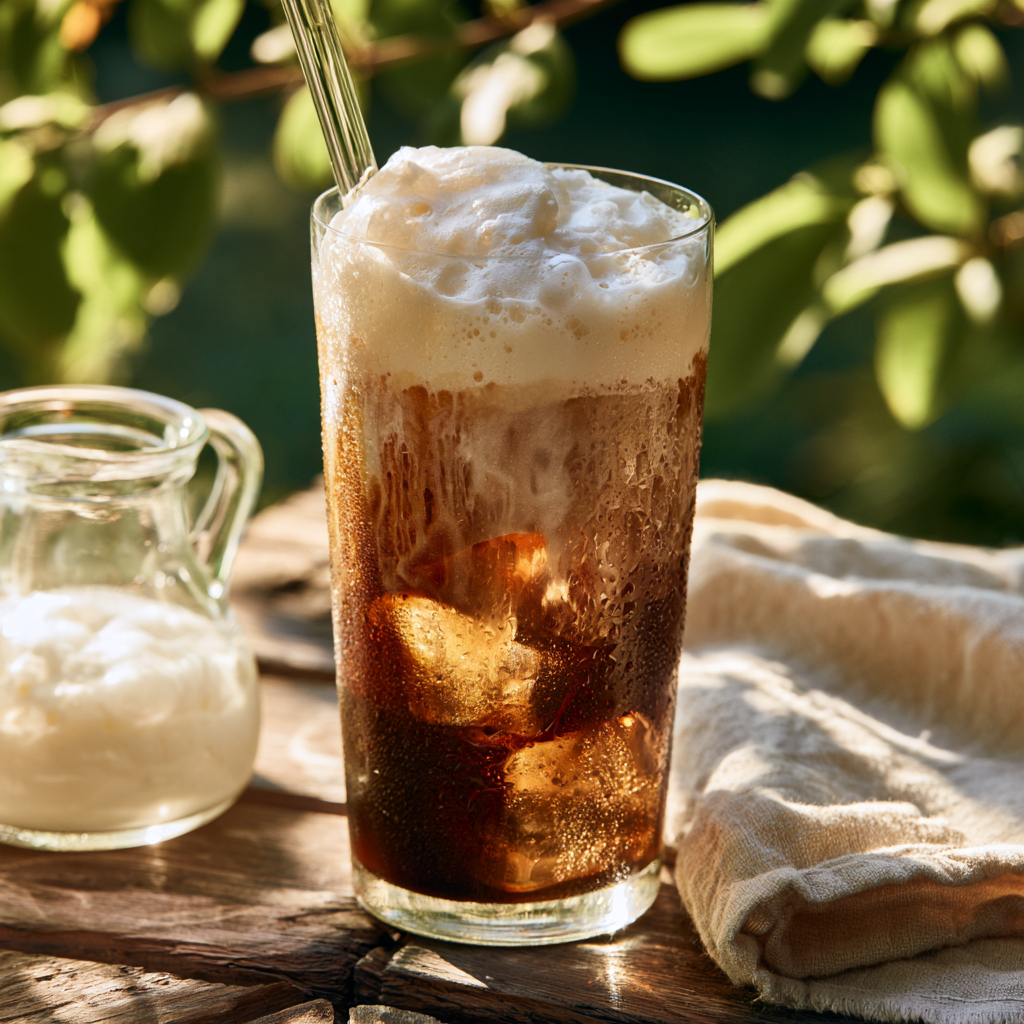
Is Cold Foam Better for You Than Whipped Cream?
Cold foam can be a lighter alternative to whipped cream, but the comparison depends on how each topping is prepared.
Traditional whipped cream relies heavily on cream, which contains substantial fat and calories.
Plain cold foam made with nonfat milk generally contains fewer calories and less saturated fat.
However, vanilla sweet cream cold foam made with heavy cream, milk, and syrup can have a nutritional profile closer to lightly whipped sweetened cream.
The important difference is the ingredient ratio, not simply the name of the topping.
If reducing saturated fat or calories is a priority, a plain milk-based cold foam is usually a more suitable option than a cream-heavy version.
For a richer occasional treat, sweet cream cold foam remains an enjoyable choice when consumed in reasonable portions.
Is Cold Foam Recipe Good for Weight Loss?
Cold foam does not directly cause weight loss or increase fat burning.
However, a homemade low-calorie cold foam can fit into an eating pattern designed to manage energy intake.
For example, replacing a large portion of sweetened whipped cream with a small amount of plain nonfat milk foam may reduce the calories in an iced coffee.
This substitution can be useful when repeated over time, but the overall effect depends on the rest of the drink and the person’s total diet.
A large serving of sweet cream cold foam containing heavy cream and syrup may add substantial calories and is not inherently a weight-loss-friendly ingredient.
For weight management, pay attention to total beverage calories, added sugar, portion size, and overall dietary habits rather than expecting a particular coffee topping to produce results.
Final Thoughts: Is Homemade Cold Foam Healthy?
A Cold Foam Recipe can be part of a balanced eating pattern, especially when prepared with milk, moderate sweetness, and a serving size that suits your needs.
Milk-based cold foam contributes small amounts of calcium, protein, and other nutrients, while homemade preparation gives you control over sugar, saturated fat, and ingredients.
Lighter versions made with nonfat milk or unsweetened fortified plant-based beverages can be useful alternatives to richer coffee toppings.
On the other hand, sweet cream cold foam made with heavy cream and generous amounts of syrup is best considered an indulgent addition rather than a significant source of nutrition.
The greatest advantage of making cold foam at home is the ability to create a topping that tastes delicious while matching your preferred ingredients and portion sizes.
Whether you enjoy classic vanilla cold foam, a lighter milk-only version, or an occasional rich sweet cream topping, the key is finding the right balance between flavor, texture, and nutrition.
OoohDelish Nutrition Tip: For a lighter everyday Cold Foam Recipe, start with cold low-fat or nonfat milk, add a few drops of vanilla extract, and froth until silky and airy. If you’d like additional sweetness, add a small measured amount of syrup. Pour it over unsweetened iced coffee for a refreshing drink with a creamy finish.
OoohDelish Nutrition Disclaimer: This section provides general nutrition information for educational purposes. Nutrient values depend on ingredient brands, serving sizes, and preparation methods. Cold foam is a beverage topping, not a medical treatment or a proven weight-loss aid.
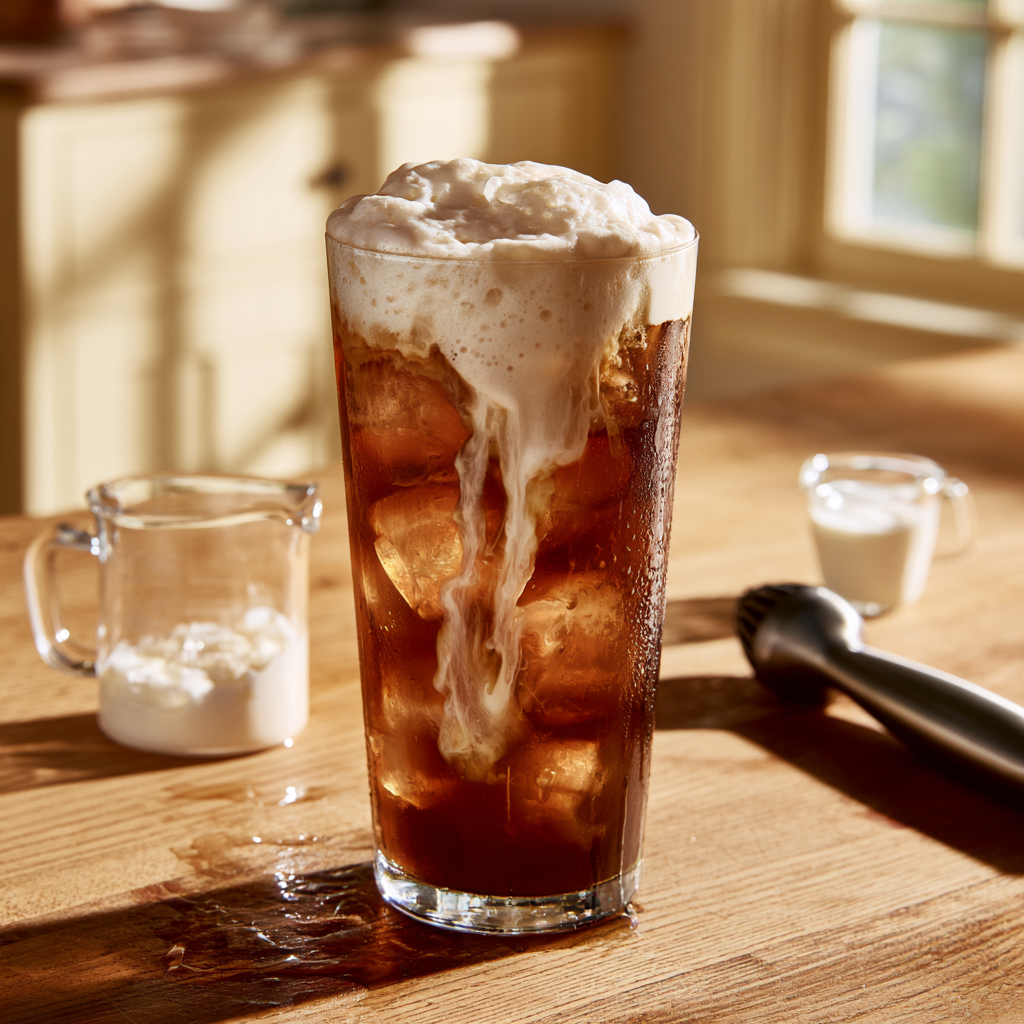
Why You Should Try This Cold Foam Recipe: 12 Delicious Reasons to Make Coffee-Shop Cold Foam at Home
If you’ve ever ordered an iced coffee topped with a thick, velvety cloud of sweet cream, you already know how a little cold foam can transform an ordinary drink into something special. That smooth, airy topping adds a delicious contrast to bold coffee, creating a refreshing combination of creamy sweetness and rich espresso flavor. The best part? With this easy Cold Foam Recipe, you can recreate that luxurious coffee-shop experience in your own kitchen using simple ingredients and just a few minutes of preparation.
Unlike traditional whipped cream, which is usually thick enough to hold firm peaks, homemade cold foam has a lighter, silkier consistency that gently floats above iced coffee before gradually blending into the drink. A carefully balanced mixture of chilled milk, heavy cream, vanilla extract, and a little sweetener creates a beautifully creamy topping that feels indulgent without requiring complicated techniques or expensive coffee equipment.
Whether you love cold brew, iced lattes, iced americanos, or homemade iced mocha, learning how to make cold foam at home gives you complete control over the flavor, sweetness, and consistency of your favorite drinks. You can prepare classic vanilla cold foam, experiment with caramel or chocolate variations, or create seasonal favorites like pumpkin spice cold foam.
From saving money on coffee-shop visits to creating beautiful homemade drinks, here are twelve reasons why this homemade Cold Foam Recipe deserves a place in your daily coffee routine.
1. You Can Make Coffee-Shop-Style Cold Foam in Just 5 Minutes
One of the biggest reasons to try this Cold Foam Recipe is its incredible convenience. You don’t need to spend half an hour preparing complicated ingredients, heating milk, or mastering professional barista techniques.
Most homemade cold foam recipes require only a few minutes of preparation.
Simply combine your chilled milk, heavy cream, vanilla extract, and sweetener in a suitable container. Froth the mixture using a handheld milk frother until it becomes light, silky, and slightly thickened.
The entire process usually takes around three to five minutes, depending on your equipment and ingredient quantities.
This makes cold foam particularly convenient for busy mornings when you want to enjoy a special iced coffee without spending too much time in the kitchen.
You can prepare your coffee while gathering the cold foam ingredients, then finish the drink with a freshly frothed topping just before serving.
The result is a beautiful homemade beverage that resembles something from your favorite café, without requiring advanced skills or complicated preparation.
Why you’ll love it: A few minutes of effort can turn a basic glass of iced coffee into a creamy, café-inspired treat.
2. It Creates an Irresistibly Smooth and Velvety Texture
The signature feature of a great Cold Foam Recipe is its texture.
Properly prepared cold foam should be airy, smooth, creamy, and light enough to pour over an iced beverage.
When you froth chilled milk or a milk-and-cream mixture, tiny air bubbles become incorporated into the liquid. Milk proteins help stabilize these bubbles, while the fat content influences the richness and mouthfeel.
This produces a delicate layer that rests on top of the coffee before gradually mixing into the drink.
The texture is quite different from regular milk poured directly into coffee.
Instead of immediately blending throughout the beverage, cold foam creates a creamy upper layer that you encounter with each sip.
It also differs from traditional whipped cream, which is generally thicker and more structured.
The ideal homemade cold foam has enough body to remain visible on the surface but should still be soft and pourable.
For the best results, use thoroughly chilled ingredients and stop frothing when the mixture looks smooth and airy rather than stiff.
3. You Don’t Need an Expensive Milk Frother or Espresso Machine
Another excellent reason to try homemade cold foam is that you can make it using basic kitchen tools.
Although coffee shops often use specialized commercial blenders or frothing equipment, several affordable methods work well at home.
| Equipment | How it works | Best for |
|---|---|---|
| Handheld milk frother | Quickly incorporates air into chilled milk or cream mixtures | Small everyday servings |
| French press | Repeatedly moving the plunger aerates the liquid | Smooth, milk-based cold foam |
| Electric milk frother with a cold setting | Froths without heating the milk | Convenient, consistent preparation |
| Small blender | Mixes and aerates the ingredients | Larger batches or flavored variations |
| Hand whisk | Incorporates air through vigorous whisking | Occasional preparation without specialized tools |
A handheld milk frother is often one of the simplest choices for a homemade Cold Foam Recipe.
However, the equipment should match the mixture you’re preparing. Light milk-only cold foam behaves differently from a richer sweet cream version containing heavy cream.
If you’re using a French press, fill it only partway to leave enough room for expansion during frothing.
For an electric milk frother, choose its cold-froth setting if available. A heating-only setting will not produce the same cold topping.
Why you’ll love it: You can achieve a delicious, coffee-shop-inspired foam using equipment you may already own.
4. You Can Control Exactly How Sweet Your Cold Foam Tastes
One of the most practical advantages of making cold foam at home is controlling its sweetness.
Some coffee-shop toppings contain sweetened syrups or flavored sauces that can make an already sweet beverage taste even sweeter.
With a homemade Cold Foam Recipe, you decide how much sugar or syrup to include.
If you prefer a lightly sweetened topping, start with a small amount of vanilla syrup or sugar and adjust according to taste.
If you enjoy richer dessert-style coffee drinks, you can increase the sweetness moderately while maintaining a balanced texture.
Pure vanilla extract is particularly useful because it provides a familiar sweet-smelling aroma without contributing much sugar on its own.
For a naturally flavored variation, you can also add a small pinch of cinnamon.
The important thing is to taste the mixture before frothing and make adjustments gradually.
Remember that coffee bitterness, the amount of ice, and the sweetness of other ingredients will influence how the finished beverage tastes.
A cold foam that seems slightly sweet on its own may provide the perfect balance when poured over strong, unsweetened cold brew.
Why you’ll love it: Every drink can be tailored to your personal preference without relying on a fixed coffee-shop recipe.
5. It Can Be More Affordable Than Ordering Cold Foam at a Coffee Shop
Buying specialty iced coffee drinks regularly can become expensive, especially when flavored syrups, alternative milks, and premium toppings are added.
Making your own Cold Foam Recipe gives you the opportunity to use everyday ingredients across multiple drinks.
Milk, heavy cream, vanilla extract, and sugar are familiar products that can be used in many other recipes.
A small quantity of these ingredients can create enough cold foam for several homemade coffees, depending on your preferred serving size.
Preparing cold foam at home also means you can control how generous the topping is.
Instead of paying for an additional customization every time, you can create the amount you enjoy.
The exact cost savings will depend on local ingredient prices, the brand of coffee you usually purchase, and how frequently you prepare the drink.
However, for people who enjoy iced coffee several times a week, homemade cold foam can be an economical addition to their routine.
Why you’ll love it: You can enjoy a personalized café-style topping while controlling your ingredient costs and portion sizes.
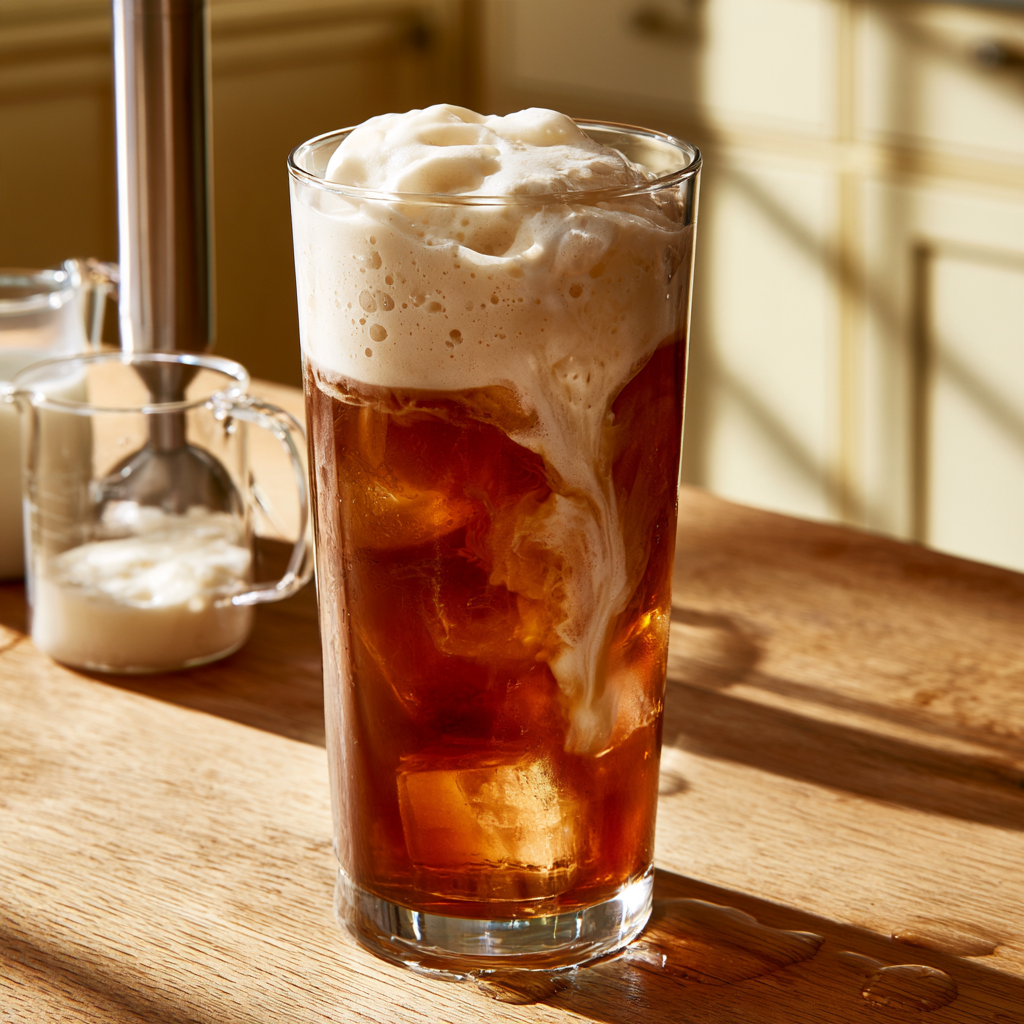
6. You Can Create Endless Cold Foam Flavor Variations
One of the most exciting reasons to try a homemade Cold Foam Recipe is how easily it can be customized.
Once you’ve mastered the basic technique, you can experiment with new ingredients to create different flavors.
Classic Vanilla Cold Foam: Add pure vanilla extract and a small amount of vanilla syrup for a gently sweet, aromatic topping that complements iced coffee, cold brew, and iced espresso.
Pumpkin Spice Cold Foam: Mix a little smooth pumpkin purée with pumpkin pie spice and vanilla for a seasonal variation. Blend the purée thoroughly before frothing to avoid graininess.
Chocolate Cold Foam: Add a small amount of sifted cocoa powder and sweetener, mixing them into the liquid before frothing. The resulting chocolate-flavored topping pairs especially well with cold brew and iced mocha.
Salted Caramel Cold Foam: Stir a little caramel sauce into the mixture with a tiny pinch of salt, then froth until creamy. Use a smooth, pourable sauce to prevent lumps.
You can also experiment with cinnamon, strawberry, maple, or pistachio flavors. Some additions, particularly fruit purées and thick sauces, may reduce foam stability, so begin with small quantities.
Why you’ll love it: One easy base recipe can inspire a variety of delicious drinks throughout the year.
7. Cold Foam Works With More Than Just Iced Coffee
Although cold foam is most commonly associated with iced coffee and cold brew, it can also complement other chilled drinks.
Its smooth texture and customizable flavor make it surprisingly versatile.
Here are some delicious ways to use homemade cold foam:
| Beverage | Recommended cold foam | Why it works |
|---|---|---|
| Cold brew coffee | Vanilla sweet cream | Balances coffee bitterness with creamy sweetness |
| Iced latte | Classic vanilla | Adds an extra silky layer to the milk-based drink |
| Iced americano | Lightly sweetened cold foam | Softens the bold espresso flavor |
| Iced mocha | Chocolate cold foam | Adds extra cocoa flavor and creamy texture |
| Iced matcha latte | Vanilla or strawberry | Complements matcha’s distinctive grassy notes |
| Iced chai latte | Vanilla or cinnamon | Enhances the drink’s warm spice flavors |
| Iced black tea | Light vanilla cold foam | Adds creaminess without overpowering the tea |
| Iced decaf coffee | Classic sweet cream | Provides a café-style experience without regular coffee’s caffeine content |
For chocolate lovers, cold foam can also add a creamy finishing touch to a chilled mocha-inspired drink.
If you’re looking for another homemade coffee treat, explore our Tropical Smoothie Mocha Madness Recipe, which combines coffee and chocolate flavors in a creamy blended beverage.
Why you’ll love it: You can use the same cold foam technique to upgrade several different drinks instead of limiting it to one type of coffee.
8. You Can Make Lighter or Dairy-Free Cold Foam
Another advantage of a homemade Cold Foam Recipe is that you can adjust the ingredients to accommodate different dietary preferences.
Traditional sweet cream cold foam usually contains dairy milk and heavy cream, creating a rich and creamy topping.
However, if you prefer a lighter texture, you can make cold foam using low-fat or nonfat milk.
These versions tend to be airier and less rich than cream-based recipes.
For a dairy-free alternative, unsweetened soy milk or certain barista-style oat milks may produce satisfactory foam, depending on their formulation.
Almond milk can also be used, although the resulting foam may be thinner or less stable.
It’s important to understand that different milk alternatives behave differently during aeration because of variations in protein, fat, and other ingredients.
A plant-based beverage marketed for barista use may froth more reliably than a standard variety.
If you’re using dairy-free ingredients for someone with an allergy, check all product labels carefully, including any flavored syrups or toppings.
Why you’ll love it: You can experiment with lighter, lactose-free, or dairy-free versions without giving up the pleasure of a creamy topping.
9. It Makes Homemade Iced Coffee Look Beautiful
Cold foam doesn’t just improve the drinking experience. It also creates an attractive layered appearance that makes homemade coffee feel more special.
When cold foam is poured gently over dark iced coffee, the pale topping creates a distinct contrast with the beverage beneath it.
The effect is particularly beautiful in a transparent glass.
As the foam slowly blends into the coffee, delicate creamy patterns begin to form.
You can enhance the presentation with a small sprinkle of cinnamon, cocoa powder, or finely grated chocolate.
For seasonal occasions, use appropriately flavored foam to add a different color or finish.
Cold foam is also appealing for food photography because it highlights several visual details: the contrast between coffee and milk, the texture of the foam, the transparency of the glass, and the movement of cream gradually combining with coffee.
Simple presentation tips for beautiful cold foam drinks:
- Use a clean, transparent glass to display the layers.
- Add ice and coffee before preparing the foam.
- Pour the finished foam slowly over the coffee.
- Avoid stirring immediately if you want a visible layered effect.
- Add a small garnish that complements the foam’s flavor.
Why you’ll love it: A simple homemade iced coffee can look inviting and thoughtfully prepared without complicated decorations.
10. It’s Perfect for Entertaining and Coffee-Themed Gatherings
Homemade cold foam is a fun addition to brunches, family gatherings, casual celebrations, and coffee-themed parties.
Instead of preparing the same drink for everyone, you can offer a selection of iced beverages and cold foam flavors.
For example, prepare a pitcher of cold brew, a container of chilled decaf coffee, and a few different milk options.
Then offer vanilla cold foam, chocolate cold foam, and a lightly sweetened variation.
Guests can choose the drink and topping they prefer.
For a brunch gathering, cold foam pairs particularly well with sweet breakfast treats such as pancakes, muffins, and homemade pastries.
You can also serve cold foam drinks with desserts from OoohDelish, including our Chocolate Chip Cookie Dough Recipe for a rich, chocolate-inspired sweet treat.
If you’re preparing cold foam for several people, keep the ingredients refrigerated and froth smaller batches shortly before serving.
Freshly made foam generally has a better texture than foam that has been sitting for a long period.
Why you’ll love it: Cold foam makes it easy to create a personalized beverage station that feels welcoming and memorable.
11. You Can Adjust the Texture to Match Your Favorite Coffee-Shop Drink
Not everyone enjoys cold foam with the same consistency.
Some people prefer a thin, silky layer that gradually blends into coffee, while others enjoy a richer, thicker topping that remains visible for longer.
Making cold foam at home gives you control over both styles.
For a lighter foam, use a higher proportion of cold milk and a frothing method suitable for producing fine bubbles.
For a richer sweet cream topping, use a mixture containing more heavy cream.
The ratio of milk to cream affects how easily the mixture froths and how thick it becomes.
Frothing time matters too.
Under-frothed mixtures may remain thin and blend into the coffee immediately. Over-frothed cream-heavy mixtures can become excessively thick and resemble whipped cream.
The goal is a smooth, pourable foam with a consistent texture.
If your mixture becomes too thick, gently incorporate a little chilled milk. If it’s too thin, check the ingredient proportions and try frothing briefly again.
These adjustments help you develop a version that matches your personal preferences.
Why you’ll love it: You can create the precise creamy consistency you enjoy rather than accepting a single standard coffee-shop texture.
12. It Turns an Everyday Coffee Routine Into Something Special
Perhaps the best reason to try this Cold Foam Recipe is the enjoyment it brings to a simple daily ritual.
There is something satisfying about preparing a beautiful iced coffee in your own kitchen.
You can choose your preferred coffee, fill a glass with ice, prepare a fresh batch of vanilla cold foam, and pour the creamy topping gently over the drink.
The process requires only a few minutes, yet the finished beverage can feel far more special than an ordinary cup of coffee.
For people who enjoy experimenting with recipes, cold foam also provides an easy opportunity to try new flavor combinations.
You can prepare classic vanilla foam during the week, enjoy a chocolate variation on the weekend, or create pumpkin spice cold foam during autumn.
Because the ingredients are familiar and the technique is straightforward, the possibilities are almost endless.
Most importantly, making coffee at home allows you to enjoy the process of creating something delicious while adjusting every detail to suit your taste.
Why you’ll love it: A few simple ingredients can bring a little coffee-shop pleasure into an ordinary day.
What Makes This OoohDelish Cold Foam Recipe Special?
| Feature | Why you’ll love it |
|---|---|
| Ready in about 5 minutes | Perfect for busy mornings and quick coffee breaks |
| Simple ingredients | Made with milk, cream, vanilla, and sweetener |
| No professional equipment required | Works with a handheld frother or suitable alternative |
| Smooth and creamy texture | Creates a soft, pourable foam |
| Customizable sweetness | Adjust sugar or syrup to your preference |
| Multiple flavor variations | Try vanilla, chocolate, caramel, or pumpkin spice |
| Perfect for iced coffee | Complements cold brew, iced lattes, and americanos |
| Dairy-free options | Experiment with suitable plant-based milk |
| Lighter versions possible | Use low-fat or nonfat milk |
| Budget-friendly potential | Can reduce spending on café add-ons |
| Beautiful layered presentation | Creates appealing homemade coffee drinks |
| Beginner-friendly | Requires minimal preparation and simple techniques |
Expert Tips for Making the Best Cold Foam Recipe at Home
A few practical details can make the difference between thin, bubbly milk and beautifully smooth cold foam.
1. Start with very cold ingredients. Milk and cream froth differently depending on temperature. Thoroughly chilled ingredients are particularly helpful for maintaining a pleasant texture in homemade sweet cream foam.
2. Choose the right milk-to-cream ratio. A higher proportion of milk generally produces a lighter foam, while adding heavy cream creates a richer topping. Follow a tested ratio for your preferred style rather than assuming that more cream always produces better foam.
3. Use a narrow, deep container. A tall container helps keep the frother submerged and reduces splashing while the mixture aerates.
4. Froth gradually. Begin with the frother fully submerged, then adjust its position slightly to incorporate air. Stop once the mixture becomes smooth and pourable.
5. Avoid creating stiff whipped cream. Cold foam should be softer than traditional whipped cream. If the mixture becomes too thick, gently stir in a small amount of cold milk.
6. Add flavorings before frothing. Mix vanilla extract, syrup, or other liquid flavorings into the milk mixture before aerating so the flavor distributes evenly.
7. Use finely incorporated powders. Cocoa powder and spices can clump. Mix them with a small amount of liquid before adding them to the foam base.
8. Prepare your iced coffee first. Fill the glass with ice and coffee before frothing. This allows you to pour the foam immediately after preparation.
9. Serve cold foam fresh. Foam gradually loses volume as air bubbles collapse. For the best appearance and texture, froth shortly before serving.
10. Keep dairy ingredients refrigerated. Milk and cream are perishable. Refrigerate them promptly and avoid leaving prepared dairy mixtures at room temperature for extended periods.
Is Homemade Cold Foam Worth Making Instead of Buying It?
For anyone who enjoys iced coffee regularly, learning to make cold foam at home can be a worthwhile skill.
You gain control over sweetness, flavor, ingredients, and serving size while avoiding the need for expensive equipment.
Homemade preparation also makes experimenting with flavors easier. You can create a lightly sweetened vanilla foam for everyday coffee or a richer caramel variation for an occasional treat.
The main tradeoff is consistency: professional coffee shops use equipment and standardized recipes designed for repeatable results, while homemade foam may vary depending on your ingredients and frothing method.
However, with a little practice, it’s possible to prepare a smooth, attractive cold foam that complements your favorite iced beverages beautifully.
Final Thoughts: Why You’ll Love This Homemade Cold Foam Recipe
If you’re looking for a simple way to upgrade your everyday iced coffee, this homemade Cold Foam Recipe is definitely worth trying.
It’s quick, versatile, beginner-friendly, and easy to customize with ingredients you may already have in your kitchen. The delicate foam adds a wonderfully creamy texture to cold brew, iced lattes, iced americanos, and many other refreshing drinks.
You can keep it simple with classic vanilla, make it richer with sweet cream, or experiment with seasonal flavors such as pumpkin spice and chocolate.
Best of all, making cold foam at home gives you control over the sweetness, consistency, and ingredients while allowing you to enjoy a personalized coffee-shop experience whenever you like.
Whether you’re preparing a quick morning coffee, serving drinks at brunch, or trying a new homemade beverage, a silky layer of freshly prepared cold foam adds a delicious finishing touch.
OoohDelish Coffee Secret: For the smoothest homemade cold foam, chill your milk and cream thoroughly, use a small amount of vanilla for flavor, and froth just until the mixture becomes airy, silky, and pourable. Pour it gently over freshly prepared iced coffee and enjoy the beautiful contrast between bold coffee and creamy foam before the layers fully blend together.
Frequently Asked Questions About Cold Foam Recipe
Want to make thick, creamy, coffee-shop-style cold foam at home? Whether you’re preparing vanilla sweet cream cold foam, a lighter milk-based topping, or a dairy-free version, these practical answers explain the best ingredients, frothing methods, troubleshooting tips, and storage recommendations for perfectly delicious homemade cold foam.
1. What is cold foam?
Cold foam is a light, airy milk-based topping designed for chilled coffee drinks. Unlike traditional steamed milk foam, which is made with heat, cold foam is prepared by aerating cold milk or a mixture of milk and cream. The result is a smooth layer of tiny bubbles that floats over iced coffee, cold brew, or iced espresso drinks. Cold foam can be unsweetened or flavored with vanilla, caramel, pumpkin spice, or other ingredients.
2. How do you make cold foam at home?
To make a simple homemade Cold Foam Recipe, pour chilled milk or a combination of milk and heavy cream into a narrow container. Add a small amount of vanilla syrup if you prefer a sweet topping. Use a handheld milk frother to aerate the mixture for approximately 20–40 seconds, or until it becomes thick, smooth, and fluffy. Gently spoon or pour the foam over freshly prepared iced coffee or cold brew. The exact frothing time depends on your equipment and ingredients.
3. What ingredients do you need for a homemade Cold Foam Recipe?
Homemade cold foam requires only a few ingredients. A classic sweet cream variation generally contains heavy cream, milk, and vanilla syrup. For a lighter version, you can use cold low-fat or nonfat milk without heavy cream. The cream creates a richer, thicker texture, while milk helps keep the mixture pourable. Vanilla syrup adds sweetness and flavor, but it can be reduced or omitted according to your preferences.
4. What is the best milk for making cold foam?
The best milk depends on the texture you want. Nonfat milk often creates a light, airy foam with relatively good bubble stability because of its milk proteins. Whole milk produces a creamier mouthfeel but may create a less voluminous foam with some frothers. Combining milk with heavy cream produces a richer sweet cream topping. For dairy-free alternatives, barista-style oat or soy milk can be effective, although performance varies by brand.
5. Can you make cold foam without heavy cream?
Absolutely! You can make cold foam using only chilled nonfat or low-fat milk. Pour the milk into a narrow cup and froth until light and airy. This creates a thinner, less rich topping than traditional vanilla sweet cream cold foam, but it can still taste delicious. Add a small amount of vanilla syrup, cinnamon, or another suitable flavoring if desired. Heavy cream is useful for richness, but it isn’t essential for every cold foam recipe.
6. Can I make cold foam without a milk frother?
Yes! A handheld milk frother is convenient, but you can also use a French press or a small blender. For the French press method, pour in the cold mixture and pump the plunger repeatedly until the volume increases. A small blender can aerate the mixture in short pulses. You may also shake cold milk in a tightly sealed jar, leaving plenty of room for expansion, although the resulting foam may be less stable and creamy.
7. Why is my homemade cold foam not getting thick?
Cold foam may remain thin if the ingredients are too warm, the milk-and-cream ratio is unsuitable, or the mixture hasn’t been aerated sufficiently. Some plant-based milks and heavily flavored mixtures also produce less stable bubbles. Start with thoroughly chilled ingredients, use a narrow container, and froth in small batches. If making sweet cream foam, adjust the cream proportion slightly. For lighter foam, try cold nonfat milk or a product specifically formulated for frothing.
8. How do you make cold foam thick and creamy like Starbucks?
To create a rich, Starbucks-inspired vanilla sweet cream cold foam, use thoroughly chilled heavy cream, milk, and vanilla syrup. Froth until the mixture becomes thick and velvety but still pours smoothly. Avoid whipping it until stiff peaks form, since that creates a topping closer to whipped cream. A small handheld frother or suitable high-speed foaming blender can create a coffee-shop-style finish. This is a homemade adaptation, not an official Starbucks formula.
9. What is the difference between cold foam and whipped cream?
Cold foam and whipped cream both contain air bubbles, but their typical ingredients and textures are different. Cold foam is usually lighter and more pourable, especially when made with milk or a milk-and-cream mixture. Whipped cream is prepared primarily from heavy whipping cream and is beaten until it forms soft or firm peaks. Cold foam is designed to sit on top of iced beverages, while whipped cream is often thick enough to pipe onto desserts.
10. Is vanilla sweet cream the same as cold foam?
Not exactly. Vanilla sweet cream is a liquid mixture generally made with cream, milk, and vanilla syrup. It can be poured directly into coffee as a flavored creamer. When that mixture is aerated until light and fluffy, it becomes vanilla sweet cream cold foam. The main difference is the frothing process and the resulting texture. Sweet cream blends into coffee more readily, while cold foam initially forms a distinct creamy layer.
11. Can you make dairy-free or vegan cold foam?
Yes. Dairy-free cold foam can be made with suitable plant-based milk alternatives. Barista-style oat milk and soy milk are often good starting points because they are formulated to foam more effectively. For a richer variation, try a dairy-free whipping product specifically intended for frothing. Unsweetened almond milk can also work, although some versions produce a thinner or less stable foam. Check ingredient labels to make sure your flavorings are vegan if needed.
12. Can I make sugar-free or low-sugar cold foam?
Absolutely! For cold foam without added sugar, use unsweetened milk and omit the vanilla syrup, or choose a suitable sugar-free syrup. A small amount of vanilla extract or cinnamon can add flavor without substantial sweetness. Remember that dairy milk naturally contains lactose, so a no-added-sugar recipe is not necessarily completely sugar-free. The final calories and sugar content depend on your ingredients and serving size.
13. How do you make pumpkin spice cold foam at home?
Pumpkin spice cold foam is a delicious autumn variation of traditional vanilla cold foam. Start with a chilled sweet cream mixture, then add a small amount of pure pumpkin puree, a pinch of pumpkin pie spice, and a little vanilla syrup. Froth until creamy and pourable. Use pure pumpkin puree rather than pumpkin pie filling for better control over sweetness and spices. Too much puree can weigh down the bubbles, so begin with a small amount and adjust gradually.
14. Can you make cold foam ahead of time and store it?
You can prepare the liquid cold foam base ahead of time, but frothing just before serving gives the best texture. Store a prepared milk-and-cream mixture in a clean, airtight container in the refrigerator at 40°F (4°C) or below. For best freshness, use within about 24–48 hours, provided the ingredients were fresh and safely handled. Shake or stir the liquid base before frothing. Foam that has already been whipped will gradually collapse and separate in storage.
15. Can you put cold foam on hot coffee?
Yes, but cold foam is generally better suited to iced coffee or cold brew. When placed on hot coffee, the foam warms and collapses more quickly, losing its signature airy texture. For hot beverages, steamed milk foam or whipped cream may be more suitable. If you prefer the layered appearance of cold foam, serve it over chilled espresso, iced lattes, or cold brew coffee immediately after frothing.
16. What drinks and desserts go best with homemade cold foam?
Homemade cold foam is especially delicious over cold brew, iced coffee, iced vanilla lattes, and chilled espresso drinks. A light vanilla foam pairs beautifully with rich coffee flavors, while a chocolate variation works well with mocha. For another creamy coffee-inspired beverage, explore our Tropical Smoothie Mocha Madness Recipe . If you’re serving an iced coffee topped with foam, try pairing it with our Chocolate Chip Cookies Milk Recipe for a cozy coffee-shop-style snack at home.