

The secret to beautifully soft, buttery sugar cookies often starts with one simple ingredient: unsalted butter. If you’ve ever wondered why bakers prefer Unsalted Butter for Sugar Cookies, the answer comes down to flavor, consistency, and control. Unsalted butter lets you decide exactly how much salt goes into your dough, allowing the delicate vanilla flavor and rich buttery taste to shine through.
In this easy homemade sugar cookie recipe, softened unsalted butter is creamed with sugar to create a tender texture, lightly crisp edges, and a smooth dough that’s simple to shape. Whether you’re making classic round cookies, festive holiday cutouts, or treats to decorate with icing, starting with the right butter makes a noticeable difference. The key is using butter that’s soft enough to mix easily but not melted, which can cause cookies to spread.
If you enjoy homemade cookies, try our Cornflake Cookie Recipe for a crunchy twist, or our Amish Monster Cookie Recipe for a chocolate-filled favorite.
Below, you’ll discover why unsalted butter works so well, how to prepare your dough, and the simple baking tips that help every batch turn out golden, tender, and delicious. It’s a timeless choice for birthdays, gatherings, and everyday baking adventures.
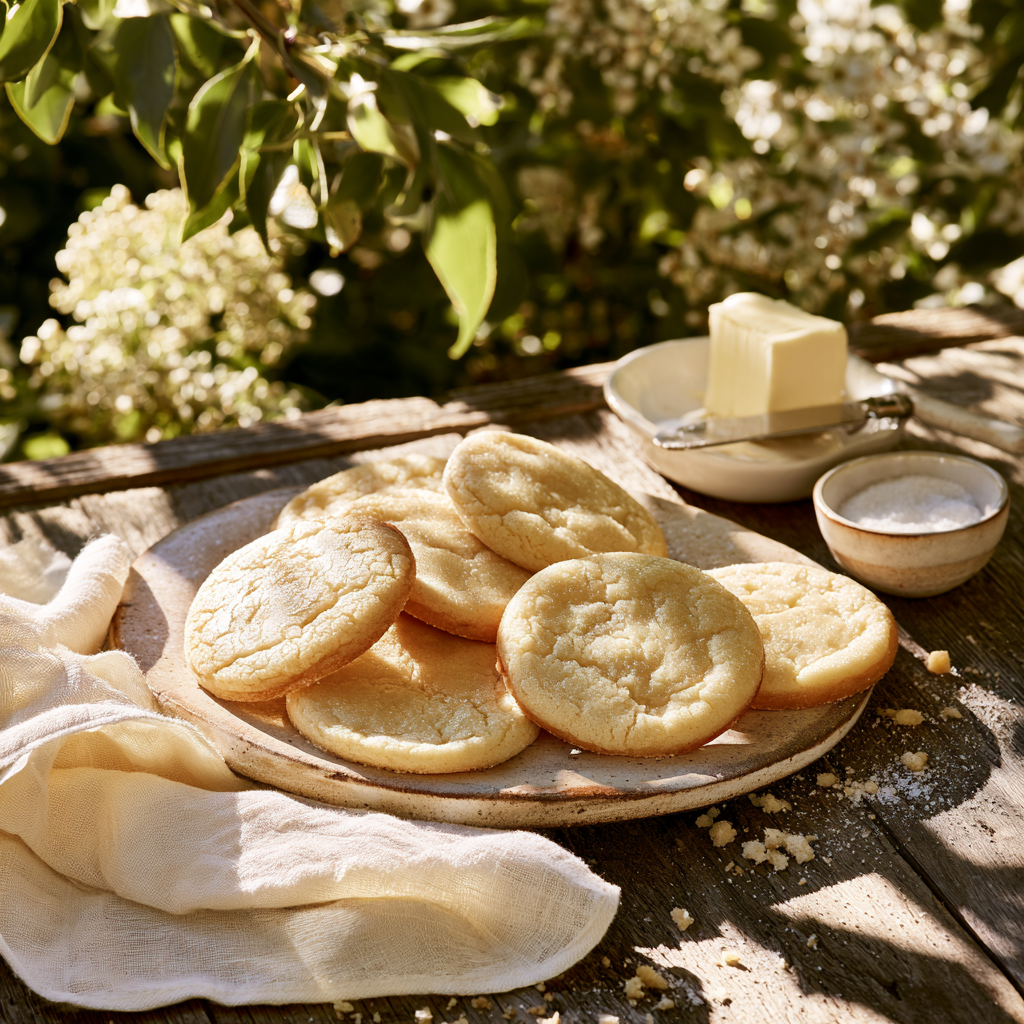
- The Origins of Sugar Cookies: Why Unsalted Butter Became a Baking Essential
- Health Benefits of Unsalted Butter for Sugar Cookies: Nutrition, Advantages, and Healthier Baking Tips
- Nutritional Benefits of Unsalted Butter for Sugar Cookies
- 1. Unsalted Butter Provides Vitamin A
- 2. Using Unsalted Butter Gives You Better Control Over Sodium
- 3. Butter Contains Fat That Helps the Body Absorb Certain Vitamins
- 4. Homemade Sugar Cookies Provide Dietary Energy
- 5. Homemade Baking Allows You to Choose Your Ingredients
- 6. Eggs Contribute Small Amounts of Protein and Essential Nutrients
- 7. Unsalted Butter Supports Flavor Without Requiring Excessive Toppings
- 8. Enjoying Homemade Cookies Can Be Part of a Balanced Lifestyle
- How to Make Sugar Cookies With Unsalted Butter a Little Healthier
- Are Sugar Cookies Made With Unsalted Butter Healthier Than Those Made With Salted Butter?
- Final Thoughts: Are Unsalted Butter Sugar Cookies Good for You?
- Why You Should Try Unsalted Butter Sugar Cookies: 11 Delicious Reasons to Make This Homemade Recipe
- 1. Rich, Buttery Flavor That Makes Every Bite Irresistible
- 2. Perfectly Soft Centers With Delicate Golden Edges
- 3. Unsalted Butter Gives You Better Control Over Flavor
- 4. Made With Simple, Everyday Pantry Ingredients
- 5. An Excellent Sugar Cookie Recipe for Beginner Bakers
- 6. Perfect for Christmas, Holidays, and Special Occasions
- 7. Great for Baking With Family and Friends
- 8. Easy to Prepare Ahead and Store for Later
- 9. Affordable Homemade Cookies With Bakery-Style Appeal
- 10. Perfect With Coffee, Tea, Milk, and Other Desserts
- 11. A Timeless Homemade Recipe You'll Want to Bake Again
- What Makes Our OoohDelish Unsalted Butter Sugar Cookies Special?
- Final Thoughts: Why Unsalted Butter Sugar Cookies Are Worth Making
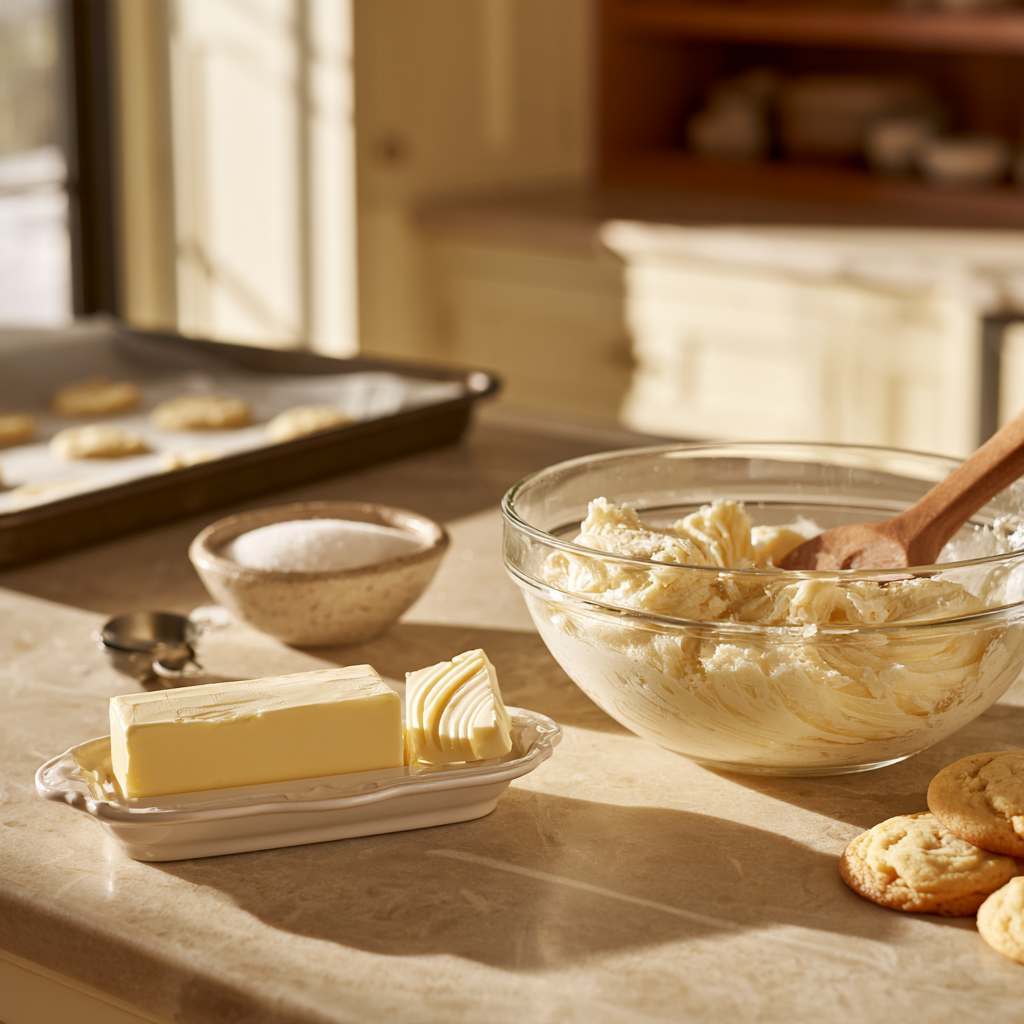
Unsalted Butter for Sugar Cookies
Equipment
- Large mixing bowl
- Medium mixing bowl
- Electric hand mixer or stand mixer
- Measuring cups and measuring spoons
- Digital kitchen scale (recommended)
- Rubber spatula
- Cookie scoop (1½ tablespoons)
- Baking sheets
- Parchment paper
- Wire cooling rack
- Plastic wrap or airtight container
Ingredients
- Copy-Paste Ingredients
- Copy ingredients
- 2¾ cups 344 g all-purpose flour
- 1 teaspoon baking powder
- ½ teaspoon baking soda
- ½ teaspoon fine salt
- 1 cup 226 g unsalted butter, softened to cool room temperature
- 1½ cups 300 g granulated sugar
- 1 large egg room temperature
- 1 large egg yolk room temperature
- 2 teaspoons pure vanilla extract
- ¼ cup 50 g granulated sugar, for rolling (optional)
Instructions
- Step 1: Prepare Your Ingredients and Baking Equipment. Before mixing the cookie dough, measure all ingredients carefully and allow the unsalted butter to soften to a cool room temperature, ideally around 65–68°F (18–20°C). The butter should yield slightly when pressed with your finger but should not look shiny, greasy, or partially melted. Bring the whole egg and additional egg yolk to room temperature so they blend smoothly into the mixture. Line two baking sheets with parchment paper and prepare a large mixing bowl, medium mixing bowl, electric mixer, and cookie scoop. Do not preheat the oven yet, because the dough will need to chill before baking.
- Step 2: Combine the Dry Ingredients. In a medium mixing bowl, add 2¾ cups (344 g) of all-purpose flour, 1 teaspoon of baking powder, ½ teaspoon of baking soda, and ½ teaspoon of fine salt. Whisk thoroughly for approximately 30 seconds to distribute the leavening agents and salt evenly throughout the flour. This step helps the cookies bake consistently and prevents concentrated pockets of baking powder or baking soda. For the most accurate results, weigh the flour using a digital scale. If measuring with cups, spoon the flour into the measuring cup and level the surface without packing it down, since excess flour can make the cookies dry, heavy, or crumbly.
- Step 3: Cream the Unsalted Butter and Sugar. Place 1 cup (226 g) of softened unsalted butter and 1½ cups (300 g) of granulated sugar into a large mixing bowl. Using an electric hand mixer or stand mixer fitted with the paddle attachment, beat the ingredients on medium speed for approximately 2–3 minutes until the mixture looks lighter in color, creamy, and slightly fluffy. Stop once or twice to scrape the sides and bottom of the bowl with a rubber spatula, ensuring that the butter and sugar are evenly incorporated. Proper creaming helps establish a tender cookie texture, but avoid excessive whipping, which can introduce too much air and encourage unwanted puffing or uneven spreading during baking.
- Step 4: Add the Egg, Egg Yolk, and Vanilla Extract. Add 1 large room-temperature egg, 1 additional egg yolk, and 2 teaspoons of pure vanilla extract to the creamed butter and sugar mixture. Beat on low to medium speed for approximately 30–60 seconds, just until the ingredients are smoothly combined. Scrape down the sides and bottom of the bowl to incorporate any remaining butter mixture. The additional egg yolk contributes richness and tenderness, while the vanilla extract enhances the naturally sweet, buttery flavor of the cookies. If the mixture initially appears slightly separated, continue mixing briefly until it becomes reasonably uniform, but avoid overbeating once the eggs have been incorporated.
- Step 5: Incorporate the Dry Ingredients and Form the Dough. Add the prepared flour mixture to the wet ingredients in two additions, mixing on low speed after each addition until the flour is almost incorporated. Stop the mixer as soon as only a few small streaks of flour remain, then use a rubber spatula to gently fold the dough together until no dry flour is visible. The finished dough should be soft, thick, and slightly tacky without being runny or excessively sticky. Avoid prolonged mixing because excessive gluten development can make the cookies tougher instead of tender. If the butter was properly softened and the ingredients were measured accurately, the dough should hold together easily without needing extra flour.
- Step 6: Portion and Shape the Sugar Cookies. Using a 1½-tablespoon cookie scoop or a kitchen scale, divide the dough into approximately 24 portions of about 38–40 g each. Roll every portion gently between your palms to create a smooth, round ball without compacting the dough excessively. For an optional lightly crisp, sparkling exterior, place ¼ cup (50 g) of granulated sugar in a shallow bowl and roll each dough ball in the sugar until evenly coated. Arrange the cookie dough balls on a parchment-lined baking sheet or tray, leaving some space between them. Keep the dough balls rounded rather than flattening them heavily, as their shape helps produce thicker cookies with soft centers.
- Step 7: Chill the Cookie Dough for Better Texture. Cover the portioned cookie dough loosely with plastic wrap or place it in a covered container, then refrigerate for at least 30 minutes. Chilling allows the butter to firm up and the flour to absorb moisture, helping the cookies maintain a thicker shape and reducing excessive spreading during baking. If your kitchen is particularly warm or the dough feels very soft, extend the chilling time to approximately 45–60 minutes. For longer preparation, the dough balls may be refrigerated overnight in an airtight container. If they become very firm, allow them to stand briefly at room temperature while preparing the oven, but keep them cool when they go into the oven.
- Step 8: Preheat the Oven and Arrange the Cookies. Near the end of the chilling period, preheat your oven to 350°F (175°C), using the conventional bake setting, and position an oven rack in the middle. Line a light-colored baking sheet with fresh parchment paper if necessary. Arrange the chilled dough balls approximately 2 inches (5 cm) apart, leaving enough space for moderate spreading. For even baking, place only one baking sheet on the center rack at a time whenever practical. Avoid placing cookie dough on a hot baking sheet because the butter may begin melting before the cookies enter the oven, increasing spreading and affecting the final texture.
- Step 9: Bake Until the Edges Are Lightly Golden. Place the baking sheet in the preheated oven and bake the sugar cookies for approximately 10–12 minutes, checking them closely beginning at 9 minutes. The cookies are ready when their edges look set and very lightly golden while the centers appear slightly soft and just set on the surface. They may look a little underdone in the middle, but they will continue firming as they cool on the hot baking sheet. Avoid waiting for the entire cookie to turn golden brown, since excessive baking can produce dry, crunchy cookies rather than the desired soft, tender centers. Baking times may vary with cookie size, oven calibration, and baking sheet material.
- Step 10: Cool the Cookies Without Drying Them Out. Remove the baking sheet from the oven and allow the sugar cookies to rest on the sheet for approximately 5 minutes. During this resting period, the residual heat helps the centers finish setting while the cookies become firm enough to move without breaking. Carefully transfer them to a wire cooling rack using a thin spatula and allow them to cool completely. The finished cookies should have lightly golden edges, soft centers, a gentle vanilla aroma, and a rich buttery flavor. Let the baking sheet cool before adding another batch of dough, and store any remaining chilled dough in the refrigerator while the first batch bakes.
- Step 11: Decorate and Serve Your Homemade Sugar Cookies. Once the cookies have cooled completely, serve them plain to enjoy their classic buttery vanilla flavor or decorate them with a simple powdered-sugar glaze, vanilla buttercream, or colorful sprinkles. For a quick glaze, combine powdered sugar with a little milk and vanilla extract, adjusting the consistency until it can be drizzled or spread easily. Allow any glaze to set before stacking the cookies. These soft sugar cookies are delicious alongside coffee, tea, or a cold glass of milk and make an excellent addition to holiday cookie platters, homemade gift boxes, birthdays, and family celebrations. For the freshest texture, serve them shortly after baking or store them correctly until needed.
Notes
The Origins of Sugar Cookies: Why Unsalted Butter Became a Baking Essential
The history of unsalted butter for sugar cookies is closely connected to the evolution of traditional European baking and the development of the classic American sugar cookie. Long before beautifully decorated sugar cookies became a Christmas tradition, bakers were experimenting with simple combinations of flour, sugar, butter, and eggs to create sweet, tender treats. Over generations, these humble ingredients evolved into one of the most beloved homemade cookies, with butter playing an essential role in developing their signature flavor and delicate texture.
From European Baking Traditions to American Sugar Cookies
The roots of sugar cookies can be traced to centuries of European baking traditions, particularly in regions where butter-rich biscuits and sweet pastries were popular. German and other European bakers developed various styles of simple cookies using flour, sugar, and fat, often preparing them for religious celebrations, holidays, and family gatherings.
One important chapter in sugar cookie history took place in Nazareth, Pennsylvania, where German-speaking settlers helped establish a distinctive American sugar cookie tradition during the colonial period. These cookies became associated with the name Nazareth Sugar Cookies and were known for their straightforward ingredients and buttery flavor.
Unlike heavily spiced or elaborate desserts, traditional sugar cookies celebrated the natural taste of butter and sugar. Their simplicity made ingredient quality particularly important, a principle that continues to influence modern recipes.
Why Bakers Traditionally Used Butter in Sugar Cookies
Butter has long been valued in baking because it contributes much more than richness. Its unique combination of butterfat, water, and milk solids helps shape how cookie dough behaves during mixing and baking.
When butter is creamed with sugar, it can trap tiny air pockets that contribute to a tender cookie texture. During baking, the butter melts, influencing how the dough spreads, while its milk solids contribute to the distinctive aroma and golden appearance associated with homemade butter cookies.
As sugar cookie recipes evolved, bakers learned that the quality, quantity, and temperature of butter could significantly affect the finished cookies. This became especially important for rolled sugar cookies, where maintaining clearly defined shapes is often just as desirable as achieving a delicious taste.
How Unsalted Butter Became the Preferred Choice
Historically, salt was often added to butter partly to help preserve it before modern refrigeration became widely available. Salted butter was practical for storage, transportation, and everyday household use.
However, the amount of salt in butter could vary depending on how it was produced. This presented a challenge for bakers who wanted consistent results, particularly in recipes with relatively few ingredients.
As standardized baking recipes and commercially produced unsalted butter became more accessible, unsalted butter emerged as a preferred ingredient in many professional and home baking recipes. Without additional salt already mixed into the butter, bakers could measure and adjust the salt separately, giving them more precise control over the final flavor.
For sugar cookies, this distinction is especially useful. A beautifully balanced sugar cookie should taste sweet, buttery, and lightly seasoned rather than noticeably salty. Using unsalted butter makes it easier to achieve that balance while allowing delicate vanilla and buttery flavors to stand out.
The Evolution of Modern Butter Sugar Cookies
Today, sugar cookies have developed far beyond their traditional origins. From thick, soft-centered bakery-style cookies to thin, crisp-edged cutout cookies decorated with royal icing, countless variations rely on butter for their characteristic flavor and texture.
Modern recipes frequently recommend softened unsalted butter because it combines effectively with sugar during creaming. Other recipes use melted or browned butter to achieve different textures and flavors, although these methods require adjustments to the dough and baking process.
Despite these creative variations, the basic principle remains unchanged: good-quality unsalted butter provides a dependable foundation for delicious homemade sugar cookies.
Whether you’re preparing traditional holiday cutouts, classic vanilla sugar cookies, or a batch of soft cookies for sharing with family, understanding the origins and purpose of unsalted butter helps explain why this simple ingredient remains a favorite in kitchens around the world.
The next time you unwrap a stick of unsalted butter for your sugar cookie dough, you’re continuing a baking tradition that connects centuries of European cookie-making with the familiar, comforting flavors of modern American home baking.
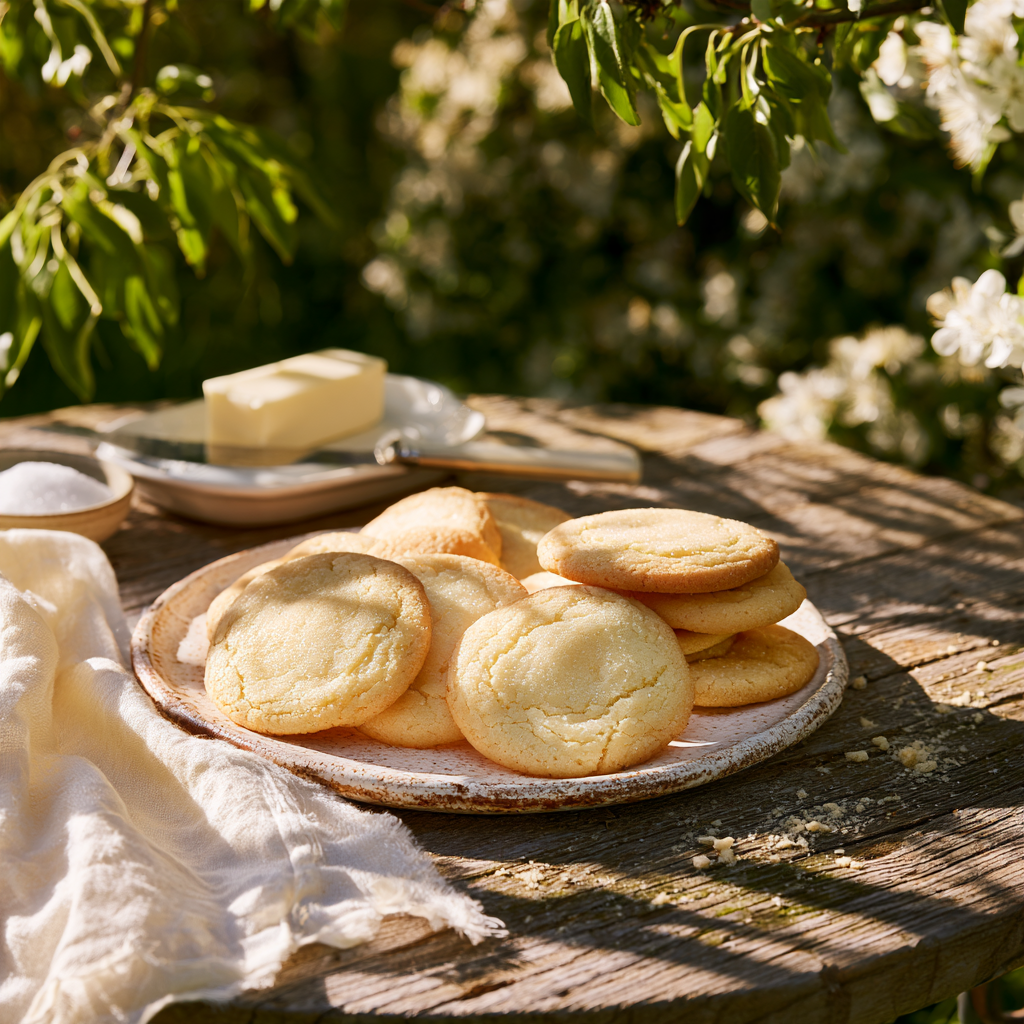
Health Benefits of Unsalted Butter for Sugar Cookies: Nutrition, Advantages, and Healthier Baking Tips
When it comes to making soft, buttery, homemade sugar cookies, unsalted butter for sugar cookies is more than just an ingredient that adds delicious flavor. It plays an important role in creating the tender texture, rich aroma, and beautifully golden edges that make traditional sugar cookies so irresistible. But beyond its baking qualities, you may be wondering whether unsalted butter offers any nutritional benefits and how sugar cookies made with real butter can fit into a balanced diet.
Although sugar cookies are primarily an indulgent dessert rather than a health food, some of their ingredients provide useful nutrients, including vitamin A, small amounts of protein, carbohydrates, and certain B vitamins. Unsalted butter also gives home bakers greater control over the amount of sodium added to their recipes, making it a practical choice for creating consistently flavorful homemade cookies.
The key is understanding the difference between the nutritional properties of unsalted butter and the overall nutritional value of finished sugar cookies. Real butter naturally contains fat-soluble vitamins, but it is also high in calories and saturated fat. Similarly, homemade sugar cookies provide energy and enjoyment, but they generally contain significant amounts of added sugar and refined flour.
By choosing quality ingredients, controlling portions, and experimenting with thoughtful baking adjustments, you can enjoy delicious homemade sugar cookies while keeping your overall eating habits balanced.
Nutritional Benefits of Unsalted Butter for Sugar Cookies
The following table explains the nutritional contributions of the main ingredients in homemade sugar cookies and how they affect the finished dessert.
| Ingredient | Nutritional contribution | Potential benefit or consideration |
|---|---|---|
| Unsalted butter | Vitamin A, small amounts of vitamin E, and dietary fat | Supplies vitamin A and rich flavor, but also substantial saturated fat and calories. |
| All-purpose flour | Carbohydrates, some protein, and B vitamins when enriched | Provides energy and contributes to cookie structure. Refined flour is relatively low in fiber. |
| Eggs | Protein, choline, vitamin B12, and other nutrients | Help bind ingredients and contribute small amounts of protein and micronutrients. |
| Granulated sugar | Readily available carbohydrates | Provides energy and sweetness, but is an added sugar with minimal micronutrients. |
| Pure vanilla extract | Aromatic plant compounds | Enhances flavor, potentially making a simple recipe more satisfying without needing additional toppings. |
| Milk (if included) | Protein, calcium, and vitamin B12 | Contributes modest nutrients depending on the quantity used. |
| Nuts (optional) | Fiber, unsaturated fats, protein, and minerals | Can improve nutrient variety while adding texture and additional calories. |
Based on USDA food composition data, unsalted butter is approximately 81% fat and contains vitamin A. The quantities of other vitamins and minerals are comparatively small.
1. Unsalted Butter Provides Vitamin A
One of the clearest nutritional contributions of unsalted butter is its vitamin A content. Vitamin A is a fat-soluble nutrient involved in several important functions throughout the body, including normal vision, immune function, and the maintenance of healthy skin and other tissues.
Because butter is derived from milk fat, it naturally contains some vitamin A. According to USDA-based nutritional information, one tablespoon of unsalted butter provides approximately 100 calories and a meaningful quantity of vitamin A.
When unsalted butter is incorporated into sugar cookie dough, a portion of that vitamin A remains in the finished cookies.
However, the amount present in an individual cookie is relatively modest because the butter is distributed throughout the recipe. Sugar cookies should therefore not be considered a primary source of vitamin A.
For people who enjoy traditional buttery desserts, this is a small nutritional contribution rather than a reason to increase butter consumption.
2. Using Unsalted Butter Gives You Better Control Over Sodium
One of the most practical advantages of using unsalted butter in sugar cookies is the ability to control how much salt goes into the recipe.
Salt plays an important role in baking because it balances sweetness and enhances the natural flavor of butter and vanilla. However, salted butter already contains varying amounts of salt depending on the manufacturer.
By choosing unsalted butter for homemade sugar cookies, you can measure the added salt separately and adjust it according to the recipe.
This offers several advantages:
- More predictable sodium content from the butter itself.
- Better control over the balance between sweetness and saltiness.
- Greater consistency when repeating the same recipe.
- More flexibility when adjusting ingredients for personal dietary preferences.
It is important to recognize that unsalted butter does not automatically make sugar cookies a low-sodium food. Baking soda, baking powder, and any additional salt can still contribute sodium.
For the best results, measure all ingredients carefully rather than assuming that removing salted butter alone makes the finished cookies nutritionally superior.
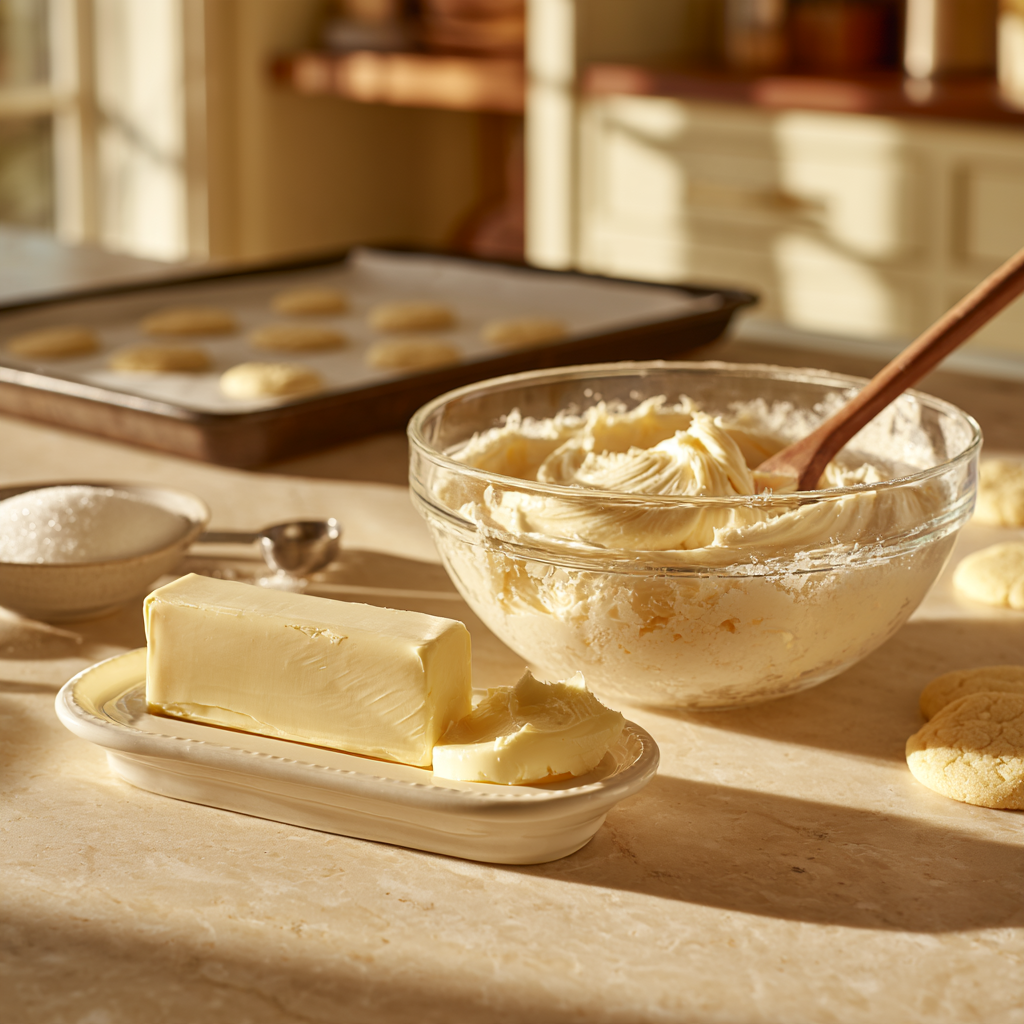
3. Butter Contains Fat That Helps the Body Absorb Certain Vitamins
Dietary fat serves several important functions in the human body. Among them is helping the digestive system absorb fat-soluble vitamins, including vitamins A, D, E, and K.
Unsalted butter contains dietary fat, which can contribute to the absorption of these vitamins when consumed as part of a meal.
This does not mean that butter is necessary for vitamin absorption or that sugar cookies provide a significant nutritional advantage. Many foods, including olive oil, avocados, nuts, and seeds, also contain dietary fats and often offer more favorable unsaturated-fat profiles.
Nevertheless, understanding the role of fat helps explain why butter is more than simply a flavoring ingredient.
In sugar cookies, butter also performs important culinary functions by coating flour particles, contributing tenderness, and influencing how the dough spreads during baking.
These baking properties help create the delicate, melt-in-your-mouth texture associated with homemade butter sugar cookies.
4. Homemade Sugar Cookies Provide Dietary Energy
Sugar cookies contain carbohydrates from flour and sugar, along with fats from butter and egg yolks.
Both carbohydrates and fats supply energy that the body can use to support normal daily activities.
The carbohydrates in traditional sugar cookies are generally derived from refined flour and added sugar, which provide energy but relatively little fiber compared with whole grains, fruits, or legumes.
Our OoohDelish sugar cookie recipe made with unsalted butter is estimated to contain approximately 175 calories per medium cookie, depending on portion size and optional toppings.
Enjoying one or two cookies as an occasional treat can fit into many balanced eating patterns. However, because sugar cookies are calorie-dense, larger servings can contribute substantial amounts of calories and added sugar.
For everyday nutrition, foods that offer more fiber, protein, vitamins, and minerals should make up the foundation of your diet, while cookies remain an enjoyable dessert.
5. Homemade Baking Allows You to Choose Your Ingredients
Another valuable advantage of making sugar cookies with unsalted butter at home is ingredient control.
When you bake from scratch, you know exactly what goes into the dough, including the type of butter, amount of sugar, flour, flavorings, and optional decorations.
This makes it easier to adjust your recipe according to your preferences.
For example, you can use pure vanilla extract for a richer aroma, skip an overly sweet frosting, or decorate cookies with a light dusting of sugar instead of a thick layer of icing.
You can also select flour and other ingredients according to your dietary needs, provided you follow a recipe formulated for those substitutions.
Homemade cookies are not necessarily healthier than store-bought cookies. Their nutritional profile depends on the actual ingredients, quantities, and serving sizes. However, baking at home offers greater transparency and flexibility.
6. Eggs Contribute Small Amounts of Protein and Essential Nutrients
Many traditional sugar cookie recipes contain whole eggs, additional egg yolks, or both.
Eggs provide high-quality protein and several important micronutrients, including choline and vitamin B12.
Choline contributes to normal cell function and nervous system activity, while vitamin B12 is involved in red blood cell formation and neurological function.
In our homemade sugar cookie recipe, the egg and additional egg yolk also help create a tender texture and improve the richness of the finished cookies.
However, because one egg and one additional yolk are divided among approximately 24 cookies, the protein and micronutrient amounts in each cookie are small.
For this reason, sugar cookies should not be promoted as a significant protein source, even when they contain eggs.
7. Unsalted Butter Supports Flavor Without Requiring Excessive Toppings
One of the main culinary benefits of unsalted butter is the naturally rich flavor it contributes to baked goods.
A well-made sugar cookie can taste delicious with just butter, vanilla, sugar, and a small amount of salt.
This means you can enjoy the cookie without necessarily adding thick frosting, candy decorations, or sugary fillings.
Although unsalted butter itself does not reduce the sugar content of a recipe, using flavorful ingredients can make simpler preparations appealing.
For example, a soft vanilla sugar cookie made with unsalted butter can be served plain, while a decorated holiday version might include additional frosting and sprinkles.
Choosing the plain version can reduce added sugar and calories compared with the same cookie topped with a generous amount of icing.
The nutritional difference depends on how much topping would otherwise be used.
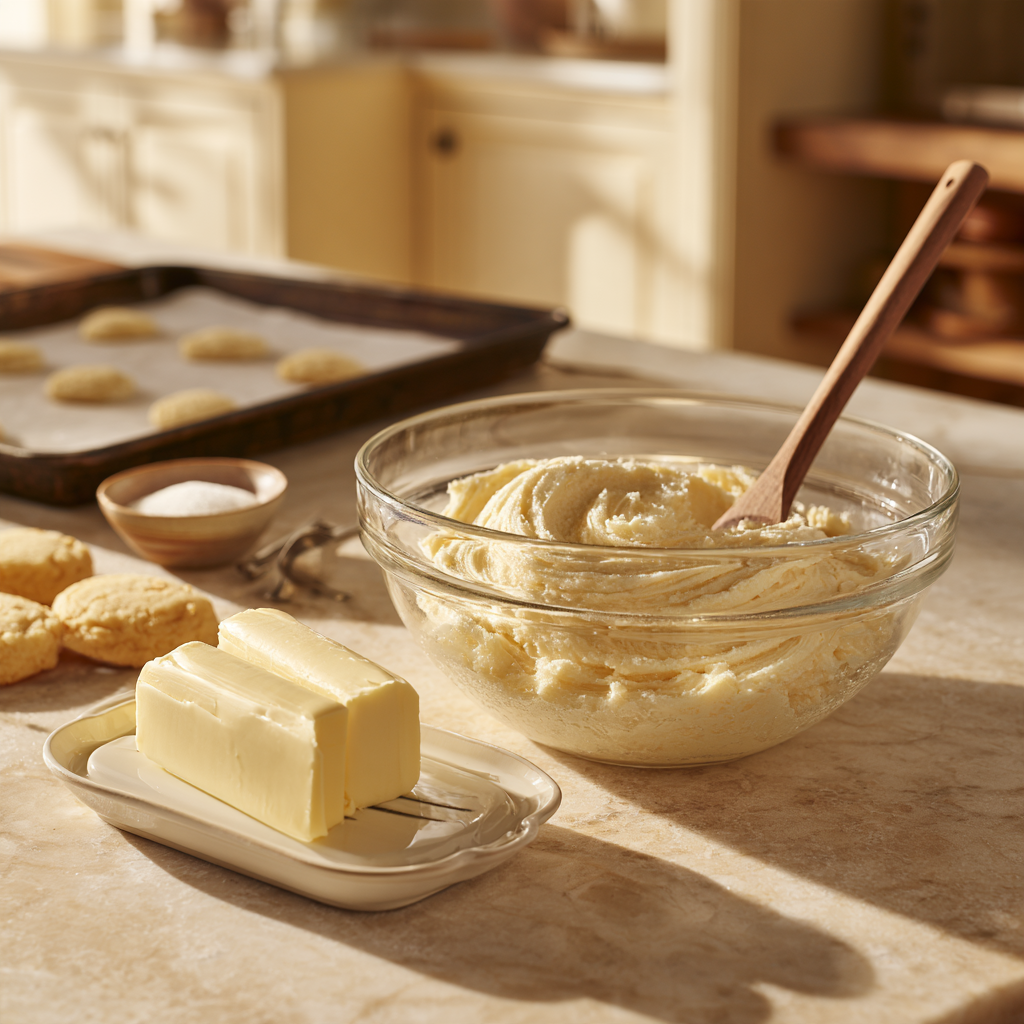
8. Enjoying Homemade Cookies Can Be Part of a Balanced Lifestyle
Healthy eating does not necessarily mean avoiding every dessert. It involves building an overall eating pattern that provides sufficient nutrients while managing foods high in added sugar and saturated fat.
Homemade sugar cookies can be enjoyed during holidays, family gatherings, birthday parties, or as an occasional afternoon treat.
Preparing cookies at home can also be an enjoyable activity that encourages family participation, creativity, and shared experiences.
The pleasure of preparing food, sharing a favorite recipe, and enjoying a dessert with loved ones is a meaningful part of food culture, even when the dessert itself does not offer substantial nutritional advantages.
A practical approach is to enjoy a reasonable serving rather than treating cookies as a replacement for nutritious meals or snacks.
How to Make Sugar Cookies With Unsalted Butter a Little Healthier
You don’t have to completely change your favorite sugar cookie recipe to make thoughtful adjustments. Small changes can help manage added sugar, saturated fat, and portion size while preserving the delicious buttery flavor.
| Baking adjustment | Potential advantage | What to consider |
|---|---|---|
| Reduce sugar by approximately 10–15% | Lowers the amount of added sugar | Cookies may spread less or develop a different texture. |
| Make smaller cookies | Helps control calories per portion | Reduce baking time and monitor closely. |
| Skip thick frosting | Reduces additional sugar and calories | Add vanilla or citrus zest for flavor instead. |
| Replace some refined flour with whole-wheat pastry flour | May increase fiber content | Texture may become denser or less delicate. |
| Add a small amount of chopped nuts | Contributes unsaturated fats and fiber | Increases calories and introduces nut allergens. |
| Experiment with replacing some butter | May reduce saturated fat when using an unsaturated-fat alternative | A reformulated recipe may be necessary to maintain texture. |
| Serve with fruit | Adds fiber and micronutrients to the overall snack | Does not change the nutritional content of the cookie itself. |
Why Butter Quantity Still Matters
Even though unsalted butter contains vitamin A and contributes excellent baking qualities, it remains a concentrated source of saturated fat.
The American Heart Association’s 2026 dietary guidance recommends choosing unsaturated fats in place of saturated fats and limiting foods high in added sugar.
American Heart Association
For sugar cookie recipes, however, replacing butter with liquid oil in equal amounts does not necessarily work because butter also contributes water and influences dough structure.
If you want a significantly lower-saturated-fat sugar cookie, a recipe specifically developed and tested with alternative fats is generally more dependable than simply exchanging the butter.
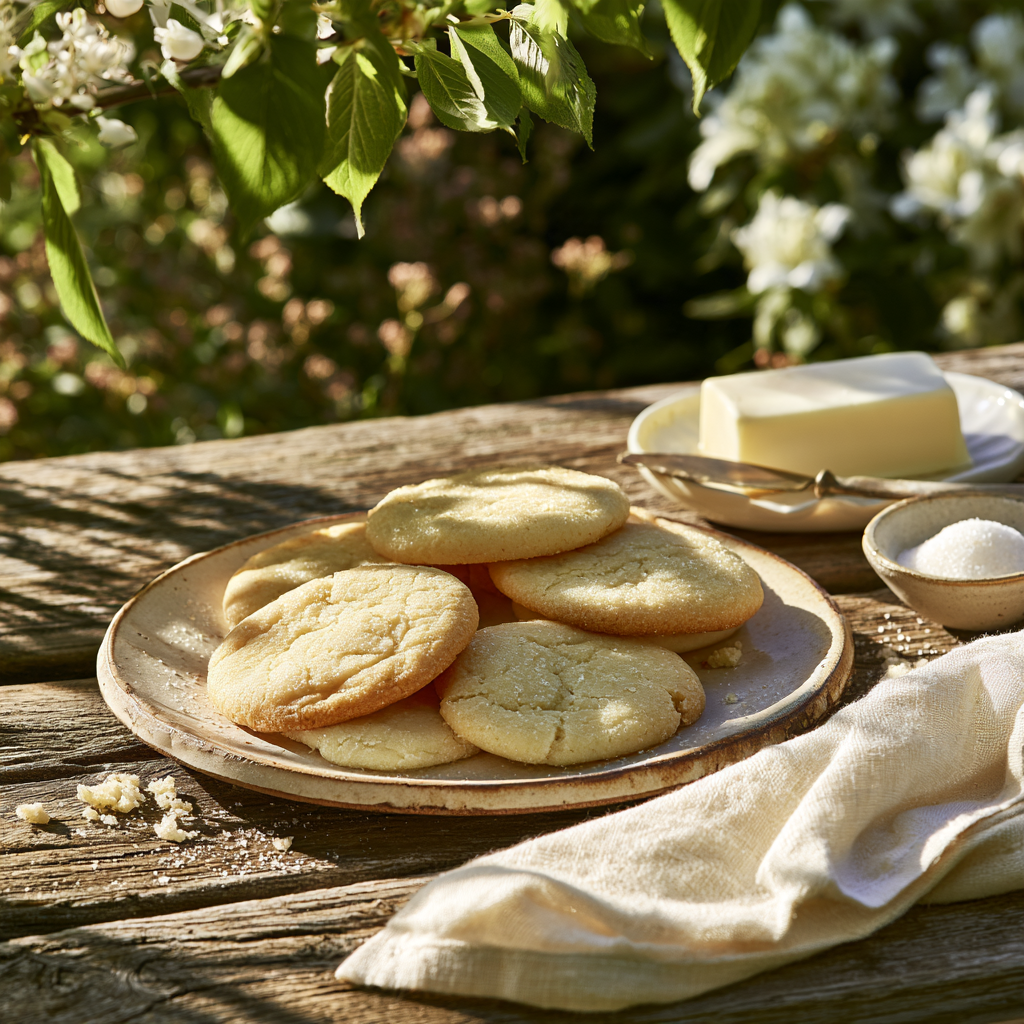
Are Sugar Cookies Made With Unsalted Butter Healthier Than Those Made With Salted Butter?
Not necessarily. The primary nutritional difference between salted and unsalted butter is their sodium content.
Both provide similar amounts of calories and saturated fat when compared by equal weight, although specific products vary.
Unsalted butter gives you greater flexibility to adjust the salt separately. This can be useful when you want predictable flavor or need to manage sodium intake.
However, replacing salted butter with unsalted butter does not automatically reduce the calories, sugar, or saturated fat in your finished cookies.
The overall ingredient quantities, cookie size, and additional toppings generally have a greater influence on nutritional value.
Final Thoughts: Are Unsalted Butter Sugar Cookies Good for You?
Sugar cookies made with unsalted butter can fit into a balanced diet as an occasional dessert, but they should not be considered a particularly nutritious food.
The genuine advantages of using unsalted butter are its rich flavor, reliable baking performance, vitamin A content, and the ability to control added salt more precisely. These qualities make it a useful ingredient in traditional homemade sugar cookies.
However, finished sugar cookies are still typically high in added sugar and saturated fat, with limited fiber and relatively small amounts of essential micronutrients.
By preparing them at home, choosing quality ingredients, making sensible adjustments, and paying attention to portion sizes, you can enjoy the comforting flavor of homemade sugar cookies without exaggerating their nutritional benefits.
If you’re exploring more homemade baking ideas, our Libby’s Pumpkin Bread Recipe offers another traditional dessert to consider, while the King Arthur Brownie Recipe is a rich chocolate option for special occasions.
OoohDelish Nutrition Tip: The best reason to use unsalted butter in sugar cookies is not that it transforms them into a health food. It’s that you can create delicious, consistently flavored homemade cookies while controlling the ingredients, salt, and serving sizes.
Nutrition Disclaimer: This information is for general educational purposes. Nutrient estimates vary with ingredients, portion sizes, and preparation methods. Sugar cookies are best enjoyed as part of a varied eating pattern rather than relied upon for essential nutrients.
Why You Should Try Unsalted Butter Sugar Cookies: 11 Delicious Reasons to Make This Homemade Recipe
There’s something undeniably special about biting into a freshly baked sugar cookie with lightly golden edges, a soft, tender center, and a rich buttery flavor that melts in your mouth. Whether you’re baking for the holidays, preparing a sweet afternoon snack, or simply craving a comforting homemade treat, unsalted butter sugar cookies deliver everything you love about classic American baking in one simple, irresistible dessert.
But what makes sugar cookies prepared with unsalted butter so special? The secret lies in the balance between flavor, texture, and ingredient control. Unlike salted butter, which contains varying amounts of added salt depending on the brand, unsalted butter gives you complete control over the seasoning of your cookie dough. This allows the natural sweetness of sugar, warmth of vanilla, and richness of real butter to come together without one flavor overpowering the others.
Our homemade Unsalted Butter for Sugar Cookies Recipe is designed to produce approximately 24 soft, buttery cookies using simple pantry ingredients, including all-purpose flour, granulated sugar, eggs, vanilla extract, and softened unsalted butter. With a little attention to butter temperature, mixing technique, and baking time, you can prepare beautiful bakery-style sugar cookies without complicated equipment or professional baking experience.
From their delicious flavor and versatile decorating possibilities to their make-ahead convenience, here are twelve reasons why these homemade sugar cookies deserve a place in your baking collection.
1. Rich, Buttery Flavor That Makes Every Bite Irresistible
The first and perhaps most important reason to try unsalted butter sugar cookies is their wonderfully rich, buttery taste. Unlike cookies that rely heavily on chocolate, spices, or elaborate fillings, classic sugar cookies celebrate the natural flavor of a few simple ingredients.
Unsalted butter creates a creamy, delicate richness that complements the sweetness of granulated sugar and the warm aroma of pure vanilla extract. When baked correctly, these flavors develop into a comforting homemade cookie that tastes delicious even without frosting or decorations.
Because unsalted butter doesn’t contain added salt, you can adjust the seasoning separately and achieve the exact flavor balance you prefer. A small, carefully measured amount of salt helps enhance the sweetness without making the cookies taste noticeably salty.
The result is a cookie that feels indulgent yet beautifully simple, with a buttery flavor that shines through in every bite.
For another dessert that celebrates the delicious combination of butter and sweetness, explore our Cornflake Cookie Recipe, which combines a buttery cookie base with a delightful crispy cereal texture.
2. Perfectly Soft Centers With Delicate Golden Edges
One of the most appealing qualities of these sugar cookies is their texture. A well-prepared batch should have gently set, lightly golden edges surrounding a soft, tender center.
Achieving this contrast depends on several important factors, including the butter temperature, flour measurement, mixing technique, and baking time.
Softened unsalted butter is especially valuable because it can be creamed with granulated sugar to incorporate tiny air pockets into the dough. During baking, these pockets, together with the recipe’s leavening ingredients, contribute to the cookie’s structure and texture.
The butter also coats flour particles, helping limit gluten development when the ingredients are mixed properly. This contributes to the delicate tenderness associated with classic homemade sugar cookies.
For our OoohDelish recipe, chilling the portioned dough for approximately 30 minutes before baking helps control spreading. Baking the cookies at 350°F (175°C) for approximately 10–12 minutes allows the edges to set while the centers remain pleasantly soft.
The secret is to remove the cookies before they become deeply golden all over. They will continue firming slightly as they rest on the hot baking sheet.
If you love cookies with that irresistible combination of tenderness and buttery richness, this recipe is an excellent choice.
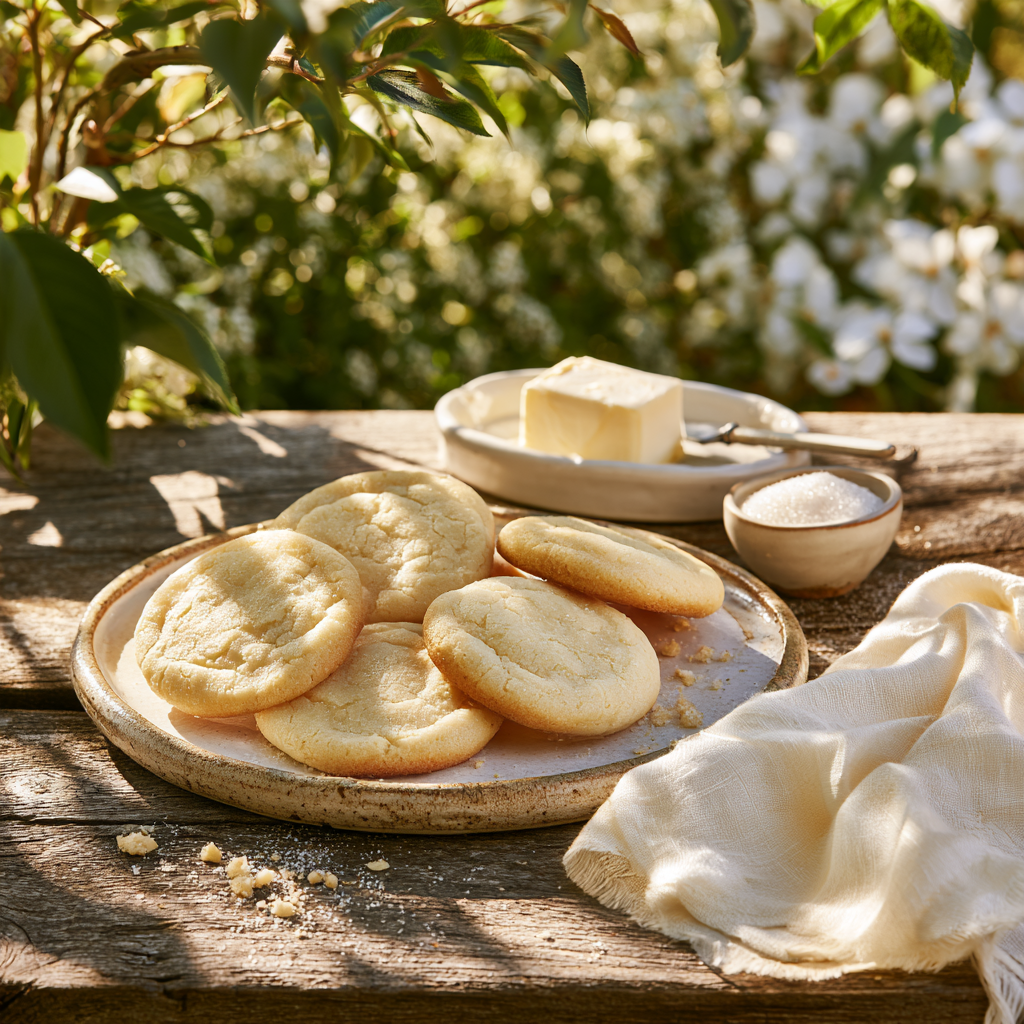
3. Unsalted Butter Gives You Better Control Over Flavor
Not all butter is identical, and this can make a noticeable difference when baking simple recipes such as sugar cookies.
Salted butter contains added salt, but the amount varies between manufacturers. This means that using different brands can slightly change the taste of your finished cookies, even when you follow the same recipe.
Unsalted butter eliminates much of that uncertainty.
By starting with unsalted butter and measuring salt separately, you can create a consistent balance between sweetness, richness, and seasoning every time you bake.
This is particularly important for sugar cookies because their ingredient list is relatively short. With fewer competing flavors, even small changes in seasoning can become noticeable.
Using unsalted butter also makes it easier to experiment with different flavor additions, such as lemon zest, almond extract, or warm spices, without worrying about excessive saltiness.
Although salted butter can still produce delicious sugar cookies, unsalted butter offers greater precision, making it a dependable option for beginners and experienced home bakers alike.
4. Made With Simple, Everyday Pantry Ingredients
You don’t need an expensive collection of specialty baking ingredients to make delicious unsalted butter sugar cookies.
One of the greatest advantages of this recipe is its simplicity. Most of the ingredients are common household staples, making it convenient to prepare whenever you’re craving something homemade.
| Ingredient | Why it matters for sugar cookies |
|---|---|
| Unsalted Butter | Creates rich flavor, tenderness, and a creamy dough foundation. |
| All-Purpose Flour | Provides the structure needed to hold the cookies together. |
| Granulated Sugar | Adds sweetness and influences spreading and texture. |
| Egg and Egg Yolk | Provide moisture, richness, and binding properties. |
| Pure Vanilla Extract | Enhances the sweet, buttery aroma and flavor. |
| Baking Powder | Helps create a lighter, tender texture. |
| Baking Soda | Influences browning and the way the cookies spread. |
| Fine Salt | Balances sweetness and enhances the other flavors. |
Each ingredient plays an important role, but none requires complicated preparation.
Once the butter is properly softened, the dough comes together through a straightforward process of creaming, mixing, portioning, chilling, and baking.
This simplicity makes the recipe particularly appealing for anyone who enjoys homemade desserts without lengthy or complicated instructions.
5. An Excellent Sugar Cookie Recipe for Beginner Bakers
If you’re relatively new to baking, unsalted butter sugar cookies are a wonderful recipe for developing confidence in the kitchen.
Unlike complicated pastries or delicate layered cakes, these cookies require only a few basic techniques that are easy to learn and repeat.
You begin by creaming the softened butter and sugar, incorporating the eggs and vanilla, and gently mixing in the dry ingredients. After portioning and chilling the dough, the cookies are ready for the oven.
Along the way, you’ll learn several important baking skills, such as recognizing properly softened butter, measuring flour accurately, avoiding overmixing, and identifying when cookies are finished baking.
These techniques are useful far beyond sugar cookies. Once you understand how butter and sugar behave during mixing, you’ll be better prepared to experiment with many other homemade desserts.
The recipe also provides useful visual clues. Properly creamed butter and sugar should look lighter and fluffier, the finished dough should be soft but manageable, and baked cookies should have set edges with slightly soft centers.
For another approachable baking project, our 3 Ingredient Biscuit Recipe demonstrates how a handful of familiar ingredients can create delicious homemade baked goods.
6. Perfect for Christmas, Holidays, and Special Occasions
Few homemade desserts are as closely associated with holiday baking as classic sugar cookies.
Their delicate buttery flavor, inviting golden appearance, and decorating possibilities make them a popular choice for Christmas cookie platters, birthday celebrations, family gatherings, and seasonal parties.
You can serve these cookies plain for a traditional homemade presentation or decorate them with a simple vanilla glaze, colorful sanding sugar, melted chocolate, or buttercream frosting.
For Christmas, consider using red and green sprinkles or a light vanilla glaze with festive decorations. For birthdays, colorful sanding sugar or pastel frosting can create an attractive dessert display.
You can also match the decorations to other occasions, such as Valentine’s Day, Easter, baby showers, or family celebrations.
It’s worth remembering that our soft OoohDelish sugar cookie recipe is designed for round, scoop-and-bake cookies rather than intricate cookie-cutter shapes. If you want sharply defined stars, trees, or decorative cutouts, a dedicated rolled sugar cookie dough is the better option.
Still, these soft butter cookies make wonderful additions to holiday dessert trays and can be customized without complicated decorating techniques.
7. Great for Baking With Family and Friends
Homemade sugar cookies offer more than delicious flavor. They can also turn an ordinary afternoon into a fun and memorable kitchen activity.
The preparation process includes several tasks that family members can enjoy together, from measuring flour and sugar to mixing ingredients, rolling cookie dough balls, and adding decorations.
Children can participate in age-appropriate steps under adult supervision, such as measuring ingredients, sprinkling sugar over prepared dough balls, or decorating cooled cookies.
Baking together also provides a natural opportunity to learn basic kitchen skills and understand how different ingredients affect a recipe.
For example, you can demonstrate how softened butter differs from melted butter, explain why flour should be measured carefully, or show how cookies become firmer as they cool.
The decorating stage can be particularly enjoyable because everyone can create their own combination of colors, sprinkles, and toppings.
Whether you’re preparing holiday treats with children, baking with friends, or sharing a favorite family recipe, these sugar cookies are a delicious way to spend time together.
8. Easy to Prepare Ahead and Store for Later
Another excellent reason to add unsalted butter sugar cookies to your baking routine is their make-ahead convenience.
The dough can be prepared ahead of time, portioned into individual balls, and refrigerated in an airtight container for up to approximately 48 hours before baking.
This is especially useful when preparing for holidays, birthday parties, or family gatherings because you can complete most of the preparation in advance.
For longer storage, freeze the shaped dough balls on a parchment-lined tray until firm, then transfer them into a freezer-safe container or bag.
Frozen dough is best used within approximately two to three months for optimal quality.
When you’re ready to bake, place the frozen portions onto a parchment-lined baking sheet and adjust the baking time as needed. Frozen dough may require a few additional minutes compared with refrigerated dough.
Fully baked sugar cookies can also be stored in an airtight container at room temperature for approximately four to five days, provided they do not contain perishable frosting or fillings.
This flexibility makes it easy to enjoy homemade cookies without preparing an entirely new batch every time a craving strikes.
9. Affordable Homemade Cookies With Bakery-Style Appeal
Delicious homemade desserts don’t always require expensive ingredients or elaborate decorations.
Our OoohDelish unsalted butter sugar cookie recipe produces approximately 24 medium cookies with an estimated ingredient cost of around $5–$7 per batch, although actual prices vary considerably by location and ingredient brand.
That means you can prepare a generous batch of homemade cookies using a relatively small number of familiar ingredients.
Preparing cookies at home also gives you more control over their size, flavor, texture, and appearance.
Prefer thicker cookies? Use properly chilled dough and avoid excessive flattening. Want smaller cookies for dessert platters? Portion the dough into smaller balls and reduce the baking time accordingly.
For a bakery-style presentation, place the finished cookies on a simple serving plate, stack a few slightly overlapping, and garnish with a light dusting of powdered sugar or an attractive vanilla glaze.
Their soft centers, gently golden edges, and rich buttery aroma create the kind of homemade treat that looks inviting without requiring professional decorating skills.
10. Perfect With Coffee, Tea, Milk, and Other Desserts
One of the pleasures of classic sugar cookies is how easily they pair with everyday drinks and desserts.
Because the flavor is rich but relatively simple, these cookies complement a wide range of sweet and warm beverages.
A freshly baked sugar cookie tastes delicious with a cold glass of milk, while its buttery vanilla notes also pair beautifully with coffee, cappuccino, black tea, or hot chocolate.
For a more indulgent dessert, you can sandwich a small amount of vanilla buttercream between two cooled cookies, crumble cookie pieces over ice cream, or serve them alongside a fruit-based dessert.
Our Double Apple Cake is another comforting homemade option that can accompany a seasonal dessert spread, especially during autumn gatherings.
If you enjoy the contrast between buttery baked treats and chocolate-rich desserts, consider pairing these cookies with small portions of our King Arthur Brownie Recipe.
The simplicity of sugar cookies allows them to complement more elaborate desserts without overwhelming their flavors.
11. A Timeless Homemade Recipe You’ll Want to Bake Again
Some dessert trends come and go, but classic sugar cookies continue to hold a special place in home baking.
Their enduring appeal comes from the combination of simple ingredients, familiar flavor, and adaptability.
You can make them for Christmas, birthdays, school celebrations, weekend baking, or simply because you have softened butter waiting in the kitchen.
As you become more familiar with the recipe, you’ll begin to recognize the little details that make a difference: how the butter should feel before mixing, how thick the dough should be, and exactly when the cookies are ready to leave the oven.
These skills make the recipe easier and more predictable every time you prepare it.
You can also develop your own family variations, perhaps with extra vanilla, lemon zest, almond extract, or a favorite decorative topping.
That’s what makes unsalted butter sugar cookies such a worthwhile recipe. They’re not just a dessert you make once; they’re a simple foundation for years of homemade baking.
What Makes Our OoohDelish Unsalted Butter Sugar Cookies Special?
| Feature | Why you’ll love it |
|---|---|
| Real unsalted butter | Rich flavor and precise control over added salt |
| Soft, tender centers | Delicious texture when baked until just set |
| Golden edges | Lightly crisp contrast around the soft cookie |
| Simple ingredients | Made with familiar pantry and refrigerator staples |
| Beginner-friendly method | Straightforward creaming, mixing, chilling, and baking |
| Classic vanilla flavor | Delicious plain or decorated |
| Customizable | Add citrus, almond, cinnamon, chocolate, or sprinkles |
| Party-friendly | Excellent for birthdays and holiday dessert platters |
| Make-ahead dough | Can be refrigerated or frozen before baking |
| Freezer-friendly cookies | Convenient for preparing treats in advance |
| Approximately 24 cookies | Great for sharing with family and friends |
| Affordable ingredients | A homemade alternative to buying bakery cookies |
Tips for Getting the Best Results With Unsalted Butter Sugar Cookies
Even a simple sugar cookie recipe can produce different results depending on how you handle the ingredients. The following practical tips help you create soft, flavorful cookies with a reliable texture.
Start with properly softened butter. The butter should be cool and pliable rather than melted. Ideally, it should be around 65–68°F (18–20°C). Butter that is too warm can encourage excessive spreading, while butter that is too cold may not cream evenly with sugar.
Measure flour by weight whenever possible. Our recipe uses 344 g of all-purpose flour. Adding too much flour can make the dough dry and the finished cookies dense, while too little flour may cause excessive spreading.
Avoid overmixing once the flour is added. Mix until the dry ingredients have just been incorporated. Excessive mixing can develop more gluten, reducing the tender texture you want in a soft sugar cookie.
Chill the dough before baking. Refrigerating the portioned dough for approximately 30 minutes helps firm the butter and control spreading. This is especially useful when your kitchen is warm.
Watch the oven rather than relying only on the timer. Bake at 350°F (175°C) and begin checking around 10 minutes. The edges should be set and lightly golden, while the centers may still appear slightly soft.
Allow the cookies to finish setting on the baking sheet. Rest them for approximately five minutes before transferring to a cooling rack. This helps prevent breakage while preserving their tender centers.
Store the cookies correctly. Once completely cooled, keep plain sugar cookies in an airtight container to protect their texture and prevent them from drying out.
Final Thoughts: Why Unsalted Butter Sugar Cookies Are Worth Making
If you’re looking for a homemade dessert that combines rich buttery flavor, soft centers, delicate golden edges, and simple preparation, unsalted butter sugar cookies are an excellent choice.
Their greatest appeal lies in how much deliciousness you can create from a small collection of familiar ingredients. Real unsalted butter gives the cookies their characteristic richness while allowing you to control the seasoning, and pure vanilla adds the comforting aroma that makes traditional sugar cookies so recognizable.
They’re easy enough for beginner bakers, versatile enough for holiday decorating, and convenient enough to prepare ahead for parties or family gatherings.
Whether you enjoy them plain, lightly coated in sugar, or finished with a drizzle of chocolate, these cookies offer a wonderful balance of simplicity and indulgence.
OoohDelish Baking Secret: For soft, bakery-style sugar cookies, cream properly softened unsalted butter with granulated sugar, measure the flour accurately, chill the portioned dough, and remove the cookies when the edges are just set. Allow them to cool slightly before serving, and you’ll have deliciously tender homemade sugar cookies with rich buttery flavor in every bite.
Once you’ve experienced the aroma of freshly baked vanilla sugar cookies filling your kitchen, this classic recipe may quickly become one of your favorite homemade treats.
Frequently Asked Questions About Unsalted Butter for Sugar Cookies
Wondering why unsalted butter is recommended for homemade sugar cookies? From choosing between salted and unsalted butter to controlling cookie spreading, achieving soft centers, and freezing dough, these detailed answers will help you bake delicious, buttery sugar cookies with confidence.
1. Why is unsalted butter better for sugar cookies?
Unsalted butter is often preferred for sugar cookies because it gives you greater control over the salt content. Different salted butter brands may contain different amounts of salt, which can influence the finished flavor. Unsalted butter lets the delicate vanilla flavor and buttery sweetness shine through while allowing you to add exactly the amount of salt specified in your recipe. It is especially useful for traditional sugar cookies, where simple ingredients are responsible for most of the flavor.
2. Can I use salted butter instead of unsalted butter for sugar cookies?
Yes! Salted butter can replace unsalted butter in most homemade sugar cookie recipes. The cookies will usually have a similar texture, although the finished flavor may be slightly saltier. When substituting salted butter, reduce the amount of salt added separately to the dough. The exact adjustment depends on the butter brand and the original recipe. For consistent results, use the same butter and measurements each time you bake.
3. How much salt should I remove when using salted butter?
A common starting point is to reduce the recipe’s added salt by approximately 1/4 teaspoon for every 1/2 cup (113 g) of salted butter substituted for unsalted butter. However, the sodium content of salted butter varies by brand. Check the package label when possible, and don’t remove more salt than the recipe contains. A small amount of salt can help balance the sweetness and enhance the vanilla flavor.
4. Should unsalted butter be cold, softened, or melted for sugar cookies?
For most classic sugar cookie recipes that use the creaming method, softened but not melted butter is ideal. The butter should be pliable enough to leave a slight indentation when gently pressed, while still holding its shape. Butter around 65–68°F (18–20°C) is often suitable for creaming with sugar. Butter that is too cold won’t cream efficiently, while melted or overly warm butter may encourage excessive cookie spreading. Always follow the specific recipe’s instructions.
5. How do you soften unsalted butter quickly for sugar cookies?
Cut refrigerated unsalted butter into small cubes and spread them on a plate at room temperature. Smaller pieces soften more evenly than a whole stick of butter. Depending on the room temperature, this may take approximately 10–20 minutes. You can also carefully flatten the butter between sheets of parchment using a rolling pin. Avoid overheating it in the microwave, since partially melted butter can change the cookie dough’s texture.
6. Can I use melted unsalted butter in sugar cookie dough?
Melted butter can work in sugar cookie recipes specifically developed for that technique, but it is not a direct substitute for softened butter in every recipe. Traditional creaming incorporates air into softened butter and sugar, contributing to the cookies’ structure and texture. Melted butter cannot be creamed in the same way and may produce flatter, denser, or chewier cookies. If your recipe specifies softened butter, use softened butter unless the instructions provide a tested alternative.
7. How much unsalted butter do you need for sugar cookies?
The quantity depends on the type of sugar cookies you’re making and the amount of flour used. Many homemade recipes use approximately 1/2 to 1 cup of butter per batch, but the exact ratio varies significantly. One standard US stick of butter equals 1/2 cup, 8 tablespoons, or approximately 113 grams. For a simple cookie idea with very few ingredients, explore our 3 Ingredient Sugar Cookie Recipe . Follow its ingredient measurements rather than guessing the butter-to-flour ratio.
8. How long should you cream unsalted butter and sugar?
For many classic sugar cookie recipes, softened butter and granulated sugar are beaten together for approximately 2–3 minutes using an electric mixer. The mixture should appear creamy, lighter in color, and reasonably fluffy. The exact time depends on your mixer, butter temperature, and recipe. Proper creaming helps distribute the sugar and incorporate air. Scrape down the bowl as needed, and avoid excessive mixing once the flour has been added.
9. Why do my sugar cookies spread too much in the oven?
Excessive spreading can result from overly warm butter, dough that hasn’t been chilled when needed, incorrect ingredient ratios, or baking sheets that are too warm. Too little flour can also make cookies spread more than expected. For cutout cookies, chill the dough before baking and use a properly preheated oven. Measure flour carefully, preferably with a kitchen scale, and avoid placing new dough on a hot baking sheet.
10. Should you chill sugar cookie dough made with unsalted butter?
Chilling is especially helpful when preparing rolled or cutout sugar cookies. Refrigerating the dough firms the butter, makes it easier to handle, and can help the cookies hold their shape during baking. Many recipes recommend chilling for approximately 30–60 minutes, although some require longer. Soft drop-style sugar cookies may not always need refrigeration. Follow your recipe’s instructions and chill longer if the dough becomes sticky or difficult to shape.
11. How do I make soft and chewy sugar cookies with butter?
For soft sugar cookies, use the correct amount of butter, measure flour accurately, and avoid overmixing after adding the dry ingredients. Bake until the edges are set while the centers still appear slightly soft, according to your recipe’s instructions. Cookies continue to firm up as they cool. Overbaking can make them dry or crisp. If you love tender homemade cookies, our Snickerdoodle Cookies Without Cream of Tartar offer another delicious buttery cookie variation.
12. Is unsalted butter best for cutout sugar cookies?
Unsalted butter is an excellent choice for cutout sugar cookies because it provides rich flavor while allowing precise salt control. However, sharp cookie-cutter shapes depend on more than butter alone. The flour-to-butter ratio, mixing technique, dough temperature, and baking method all influence spreading. For neat holiday shapes, roll the dough evenly, chill it when required, and transfer the cutouts to a cool, parchment-lined baking sheet before baking.
13. Can I substitute margarine or oil for unsalted butter?
You can make sugar cookies with margarine or oil, but the flavor and texture will differ from butter-based cookies. Margarine varies in fat and water content, especially soft tub-style varieties, which may encourage more spreading. Liquid oil cannot be creamed with sugar in the same way as solid butter. For predictable results, choose a recipe developed specifically for your preferred fat substitute rather than making a direct substitution.
14. Can I freeze sugar cookie dough made with unsalted butter?
Yes! Most traditional sugar cookie doughs freeze well. Divide the dough into portions or flatten it into discs, wrap tightly, and place in an airtight freezer-safe bag or container. For best baking quality, use within approximately 2–3 months. Thaw the dough overnight in the refrigerator before rolling or shaping. If freezing individual dough balls, some recipes allow baking directly from frozen with a slightly longer baking time.
15. How should I store homemade butter sugar cookies?
Allow the cookies to cool completely before storing them in an airtight container. Plain sugar cookies without perishable frosting generally stay at their best for approximately 4–5 days at room temperature in a cool, dry kitchen. Keep different textures in separate containers when possible. Cookies decorated with cream cheese frosting or other perishable toppings should be refrigerated according to the frosting’s storage requirements. Baked cookies can also be frozen for longer storage.
16. What other homemade cookie recipes can I make with butter?
If you enjoy the classic buttery flavor of sugar cookies, try our Cornflake Cookie Recipe , which combines a buttery cookie base with crispy cornflakes and optional chocolate chips. For a different texture, our Amish Monster Cookie Recipe offers a chewy combination of peanut butter, oats, and chocolate candies. You can also explore our 3 Ingredient Sugar Cookie Recipe for a simple homemade treat with minimal ingredients.